
Interior Design for People Who Are Grieving
Sarah Barnard offers a compassionate and wellness-focused approach to interior design for those experiencing grief, whether from the loss of a loved one, the end of a relationship, or significant life changes like illness or injury. Her services are designed to help individuals by transforming their living environments into restorative sanctuaries that support healing.
Space Reclamation and Redesign: Remodeling projects to reclaim the space, helping transition it from a place flooded with memories into a new environment.
Trauma-Informed Design: Trauma-informed principles help reduce sensory overstimulation, creating sensory retreats that restore a sense of safety and emotional resilience.
Guided Sorting of Possessions: The design team assists with sorting a deceased loved one's belongings with sensitivity and discretion, helping clients as they decide what to keep as meaningful mementos and what to let go.
Transitioning After Breakups: For those mourning the end of a relationship, the team helps convert spaces once shared, such as a former partner's office, into new areas for self-care, such as a home gym, meditation room, or hobby space.
Communal Item Replacement: Replacing non-sentimental but trigger-heavy items like bedding, towels, and dinnerware helps bridge the transition.
Meaningful Integration: Mementos and salvaged items are carefully reimagined or rearranged within the new design to honor memories.
Ergonomic and Accessibility Updates: For grief related to illness or loss of mobility, custom accessible solutions such as barrier-free showers and adjusted counter heights help support self-sufficiency and physical comfort.
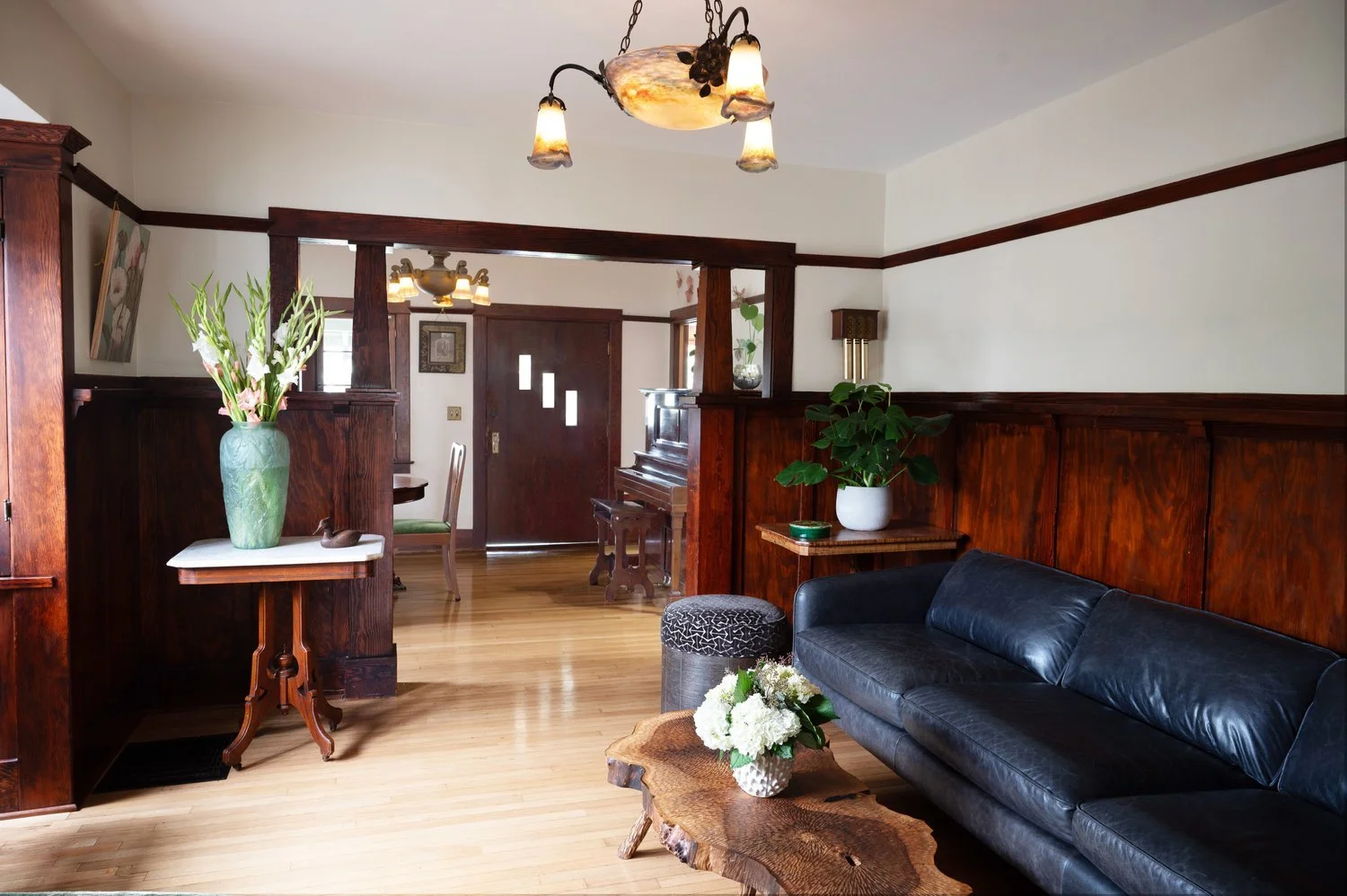
Biophilic Healing: Nature-inspired palettes, natural materials like stone and wood, and biophilic imagery in textiles and wallcoverings to mirror the stress-reducing effects of being outdoors.
The article, Interior Design for Grief: How Our Homes Can Help with Healing, explores the profound role our living spaces play in the recovery process following a significant loss. It outlines how trauma-informed design can transform a home into a supportive sanctuary.