
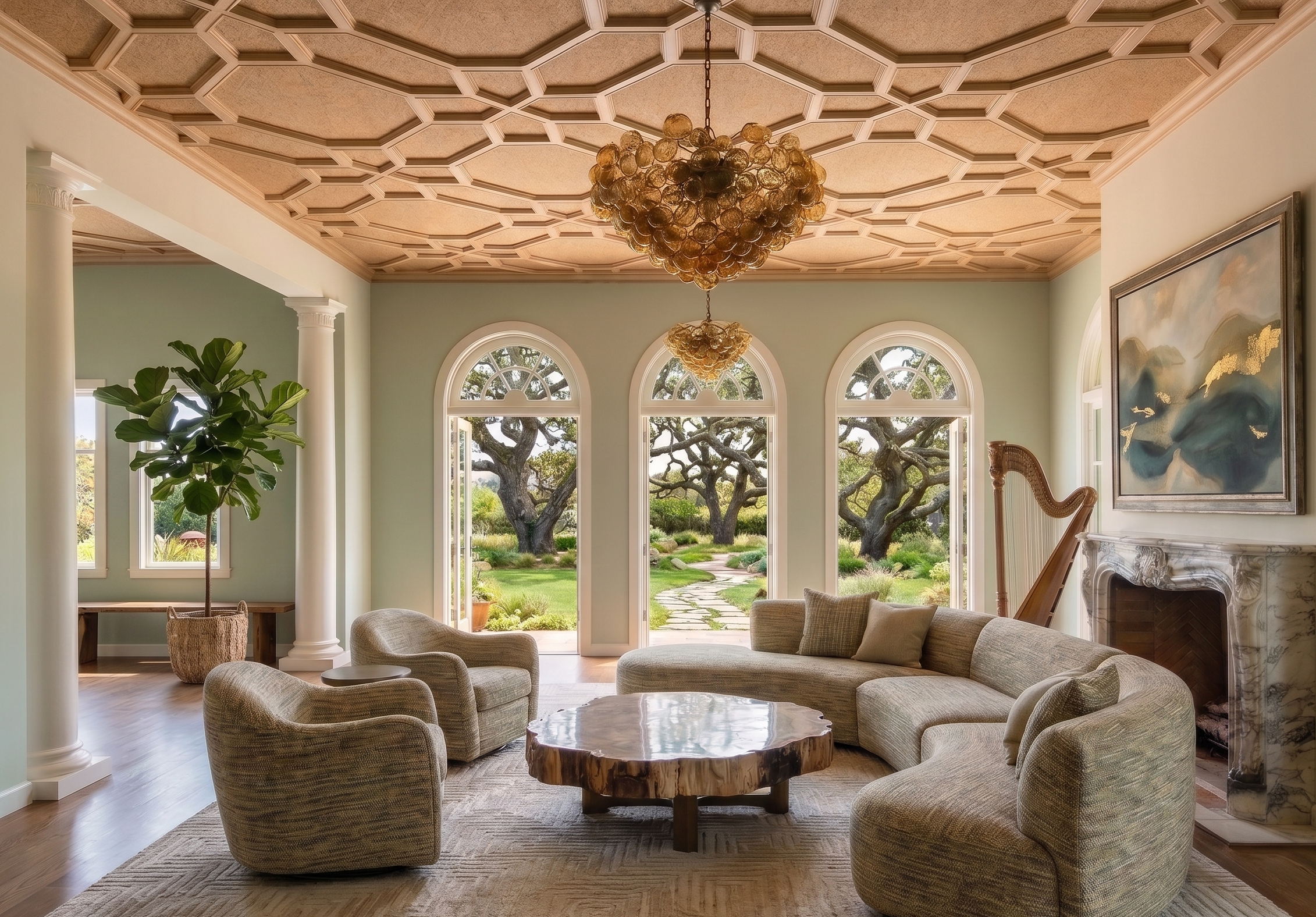
HANCOCK PARK & WINDSOR SQUARE INTERIOR DESIGN: REFINED LUXURY FOR PRESTIGIOUS HISTORIC RESIDENCES
The wide, tree-lined avenues of Hancock Park and the storied blocks of Windsor Square stand as a classic architectural anchor in central Los Angeles. Residing in these historic enclaves fosters a profound sense of stewardship, in which traditional estate styles require a specialized eye for historic interior design that respects heritage while prioritizing wellness. Designing for these grand residences and the vibrant, walkable neighborhood surrounding Larchmont Village demands a thoughtful balance between old-world craftsmanship and modern peace of mind.
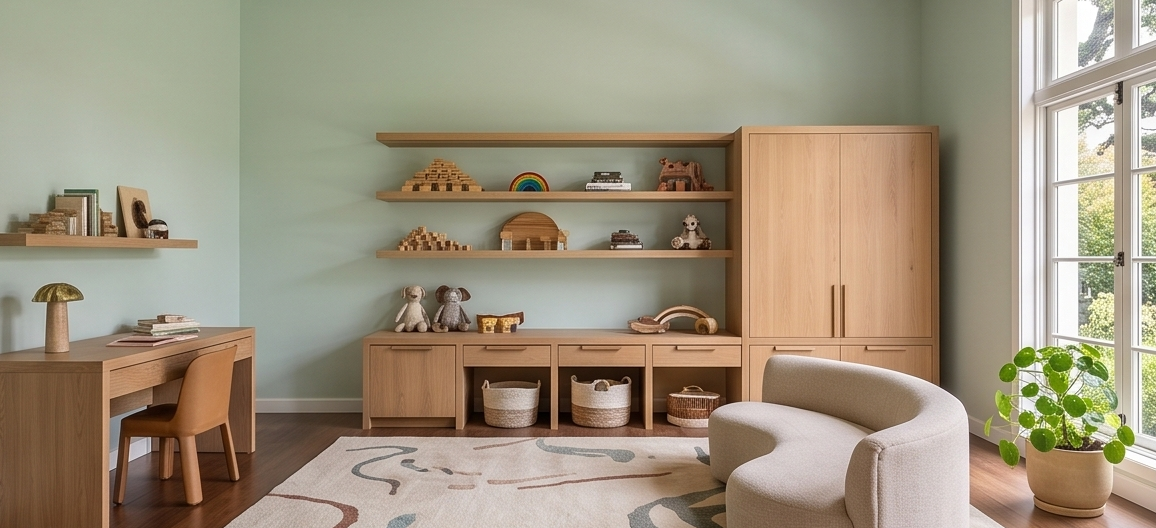
Sarah Barnard works intimately with each client, offering a highly collaborative approach to luxury interior design that transforms historic spaces into deeply personal, wellness-driven sanctuaries. Her practice focuses deeply on the relationship between a home's interior and the long-term health of the people inside it, shaping custom rooms around individual habits, comfort, and safety. Whether updating a landmark estate or personalizing an elegant neighborhood residence near the village, Sarah's collaborative partnership transforms historic spaces into deeply personal, wellness-driven sanctuaries.
Her studio prioritizes sourcing sustainable natural elements that introduce a grounding warmth, physical ease, and lasting structural integrity. The result is an interior intentionally designed to enrich daily rituals, providing a serene, private oasis that supports mental and physical vitality in the heart of the city.
Frequently Asked Questions
What defines the studio’s philosophy on residential interior design in Hancock Park and Windsor Square?
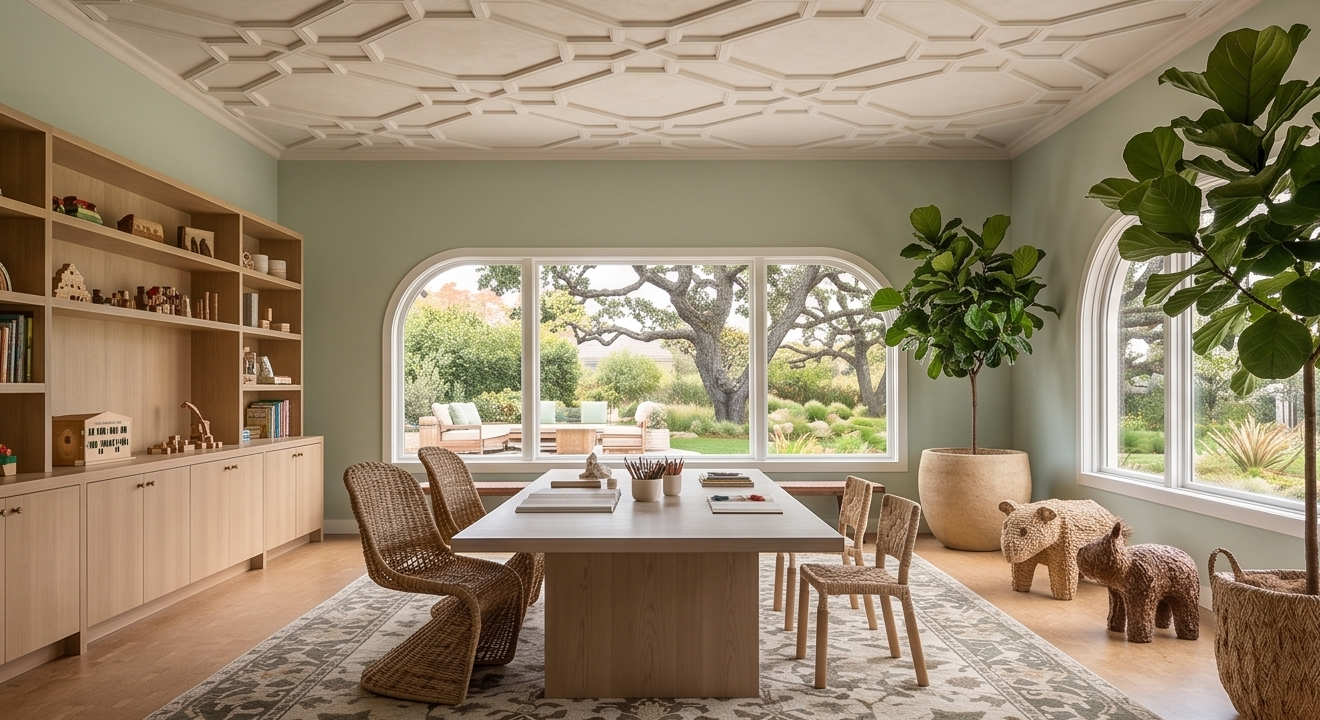
Sarah treats historic properties as significant architectural narratives, focusing on a thoughtful balance between heritage preservation and refined livability. Her work respects the formal proportions, grand entry halls, and high ceilings characteristic of these early 20th-century residences, ranging from early 1910s estates to later traditional builds. She curates layered, soulful environments that feel natural to the home, using composition, light, and texture to celebrate the grandeur of the original craftsmanship.
How does the studio approach material selection and the replication of details for a historic period home?
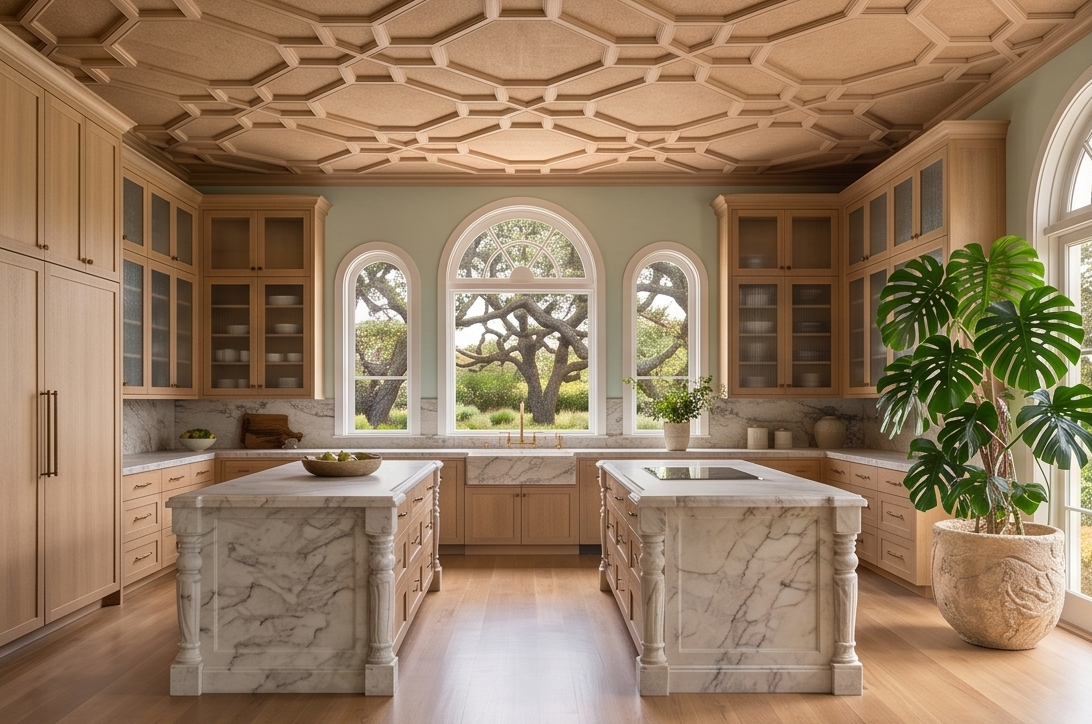
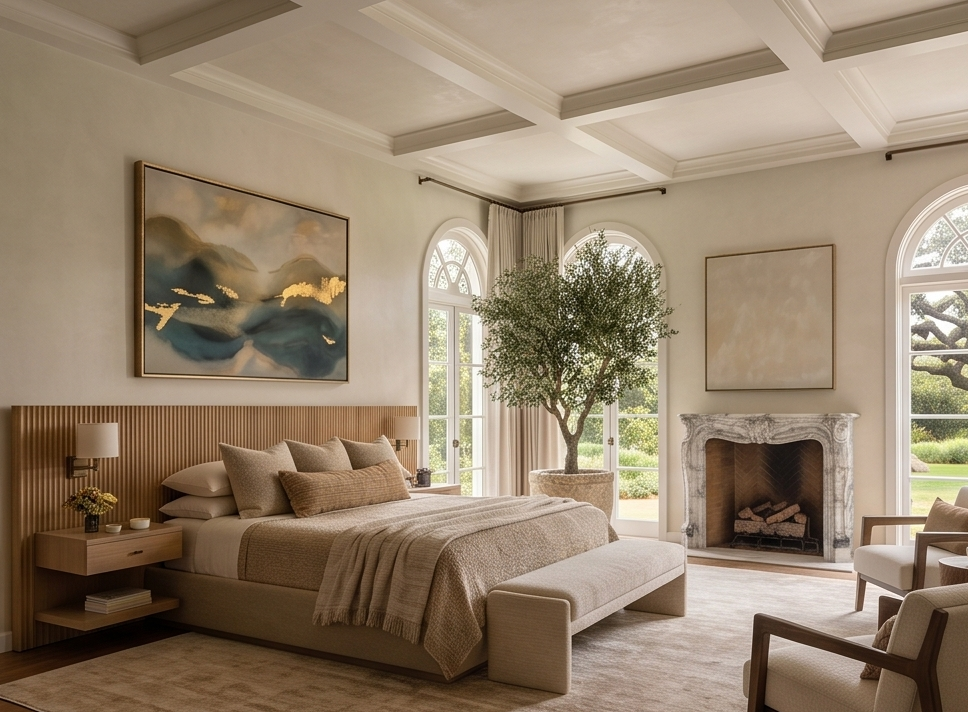
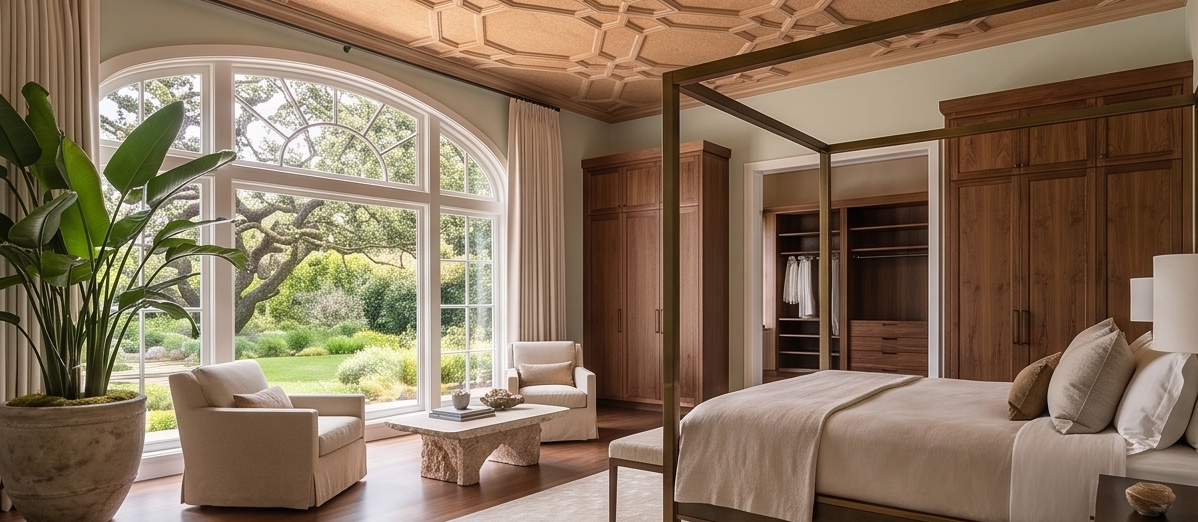
The studio sources an elevated, context-driven palette that honors historic Hancock Park artisanal standards, prioritizing rich natural stones, reclaimed timbers, and custom architectural ironwork. Sarah focuses on historically inspired color stories and the ability to replicate lost historic elements, such as intricate plaster moldings and stone mantelpieces, while designing custom, property-specific solutions, from bespoke wallpaper to unique mosaic tiling. She selects fine finishes and textiles, hosting curated sessions where clients can experience the weight, weave, and visual tone of each primary selection firsthand.
How does the studio navigate interior alterations within an established Historic Preservation Overlay Zone (HPOZ)?
Having formerly served on the Board of Directors for the Santa Monica Conservancy, Sarah brings a deep professional background in architectural history and heritage preservation to her design practice. While local HPOZ guidelines protect the neighborhood’s iconic streetscapes, the interior spaces offer freedom for layout personalization. She curates interior updates that honor the home’s significant architectural details while thoughtfully adapting the internal flow to support natural light and contemporary lifestyle expectations.
In what ways does the studio adapt grand, traditional floor plans for contemporary living?
Traditional Period Revival homes, including Tudor, Spanish, Mediterranean, Italianate, and Colonial Revival estates, often feature highly compartmentalized layouts. Sarah excels at reimagining these historic footprints to invite natural daylight deeper into the home’s core, creating fluid connections between formal reception rooms and private spaces. She works to create an interior flow that feels balanced, inviting, and open without compromising the home’s architectural character.
How does the studio integrate modern technology into a Hancock Park interior design?
Modern luxury living requires integrating sophisticated home technology to keep the visible environment fully aligned with the home’s aesthetic era. Sarah plans layouts to accommodate advanced systems, including automated control of window treatments and doors, integrated multi-room audio, and discreet security systems. This careful planning allows clients to enjoy modern conveniences while keeping the focus on the rooms' historic beauty.
How does Sarah’s background as a California Naturalist shape the estate gardens and indoor-outdoor transitions?
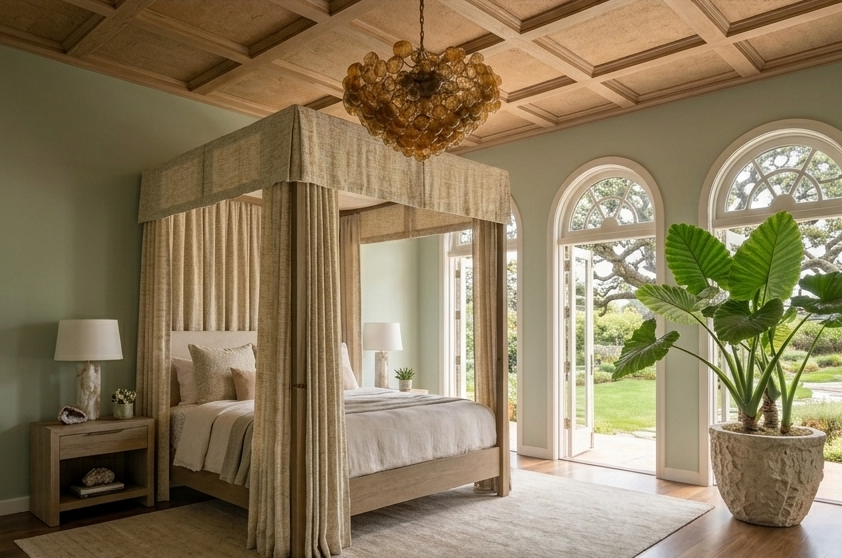
Hancock Park and Windsor Square are celebrated for their majestic, uniform street trees, including historic deodar cedars, camphor trees, and native sycamore groves. As a Certified California Naturalist, Sarah uses her understanding of local ecology to harmonize the interior living spaces with the estate's mature landscaping. She collaborates with landscape designers to echo the surrounding botanical character inside the home, subtly interpreting native flora through unique interior details and views framed to celebrate the garden canopy.
At what stage should Sarah be engaged for a Hancock Park historic estate renovation?
Sarah should be retained during the earliest exploratory or pre-acquisition phases, before plans or schedules are drafted. Serving as the primary creative guide, she can evaluate the home's interior character, identify which original features should be preserved or replicated, and introduce architects, historical consultants, and specialty tradespeople who specialize in period restoration.