
INTERIOR DESIGN FOR dyslexiC PEOPLE
Sarah Barnard’s approach to designing for dyslexic people is rooted in empathy and focuses on how the built environment can support cognitive ease and emotional well-being. By utilizing trauma-informed practices and neuroinclusive design, the studio aims to create spaces that minimize frustration and maximize personal strengths.
Visual Clarity and Cognitive Ease
Intuitive Wayfinding: Clear, logical layouts that rely on spatial cues. This includes using distinct colors, varied textures, or unique architectural features to help define different areas of the home.
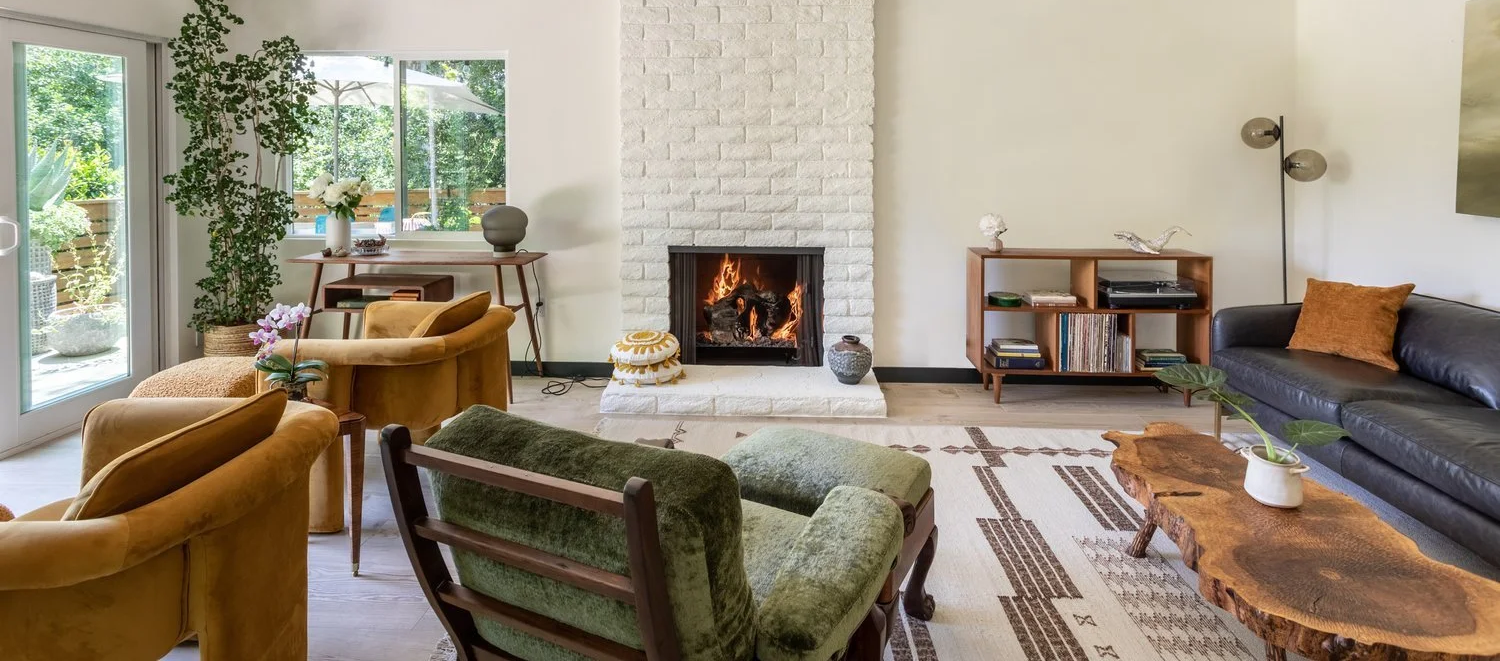
Low-Contrast Palettes: Soothing, matte color stories may help to reduce visual vibration and glare.
Visual Organization Systems: Custom cabinetry and storage solutions that prioritize visibility, such as open shelving or glass-front doors, help locate items without the need for reading labels.
Sensory Management
Layered and Dimmable Lighting: A range of lighting options, from soft ambient light to focused task lighting, enables users to control their environment based on the time of day and the task at hand.
Acoustic Softening: Utilizing high-performance textiles and sound-absorbing materials to help create a quiet auditory environment.
Biophilic Stress Reduction: Integrating natural elements such as indoor plants, organic materials like wood and stone, and views of nature can help create a grounding, restorative atmosphere.
Functional Support and Autonomy
Ergonomic Study and Work Zones: Dedicated learning and professional spaces equipped with adjustable-height desks and integrated organization tools. These zones are designed to support focus and reduce the physical strain of prolonged concentration.
Smart Home Empowerment: Discreetly integrated voice-activated technology for lighting, climate, and security controls to help reduce the reliance on text interfaces or complex control panels.
Tactile Grounding: Incorporating high-quality, natural textiles with varied textures can help create a grounding physical experience and can serve as subtle tactile markers for different functional zones.
Advocacy and Collaboration
Intermediary Services: The studio acts as a liaison between contractors and craftspeople, communicating the design's specific sensory and functional requirements throughout the construction process.
Collaborative Site Visits: Meetings and site visits around the client’s routine to promote a low-stress, supportive environment during the decision-making process.
Supportive Home Organization: Personalized organization services help the home function as a silent partner in daily life. Experienced in the specialized needs of kitchens, closets, home office spaces, and children’s bedrooms or playrooms, we work collaboratively to implement intuitive, sustainable systems.