
INTERIOR DESIGN FOR PEOPLE WHO HAVE EXPERIENCED TRAUMA OR ARE EXPERIENCING POST-TRAUMATIC STRESS
Sarah Barnard’s design approach for individuals navigating trauma or PTSD is deeply rooted in human-centered, trauma-informed practices that prioritize a sense of safety, agency, and restoration. As a WELL- and LEED-accredited designer, she focuses on creating environments that help regulate the nervous system and minimize environmental triggers, transforming homes into supportive sanctuaries.
Prospect, Refuge, and Spatial Security
Optimized Orienting: Spatial planning that prioritizes clear sightlines to entryways and exits allows residents to feel secure and aware of their surroundings without feeling exposed.
Dedicated Restorative Nooks: Safety nests, cave-like bedrooms, wellness rooms, or quiet retreats that help to provide a physical sense of containment and protection from overstimulation.
Unobstructed Navigation: Predictable, intuitive layouts with clear pathways help to reduce cognitive load and prevent the stress associated with cluttered or confusing environments.
Sensory Management & Trigger Reduction
Acoustic Softening: High-performance sound-absorbing textiles and specialized insulation are utilized to minimize sudden noises or echoes that can increase sensory arousal.
Olfactory Neutrality: Low and NO-VOC materials, and fragrance-free protocols during construction help create a neutral environment that avoids olfactory triggers.
Layered & Dimmable Lighting: Customizable lighting systems allow for gradual transitions and high levels of personal control.
Autonomy & Environmental Control
Smart Home Empowerment: Discreet integration of voice-activated security, heating, cooling, and automated window treatments enables residents to have increased control over their immediate environment.
Adjustable Privacy Layers: Implementation of adaptable window coverings and modular room dividers allows for a customizable balance between natural light and total seclusion .
Tactile Grounding: Natural, high-quality textiles with comforting textures, such as organic cotton, linen, and wool, help create a grounding physical experience.
Biophilic Connection & Emotional Stability
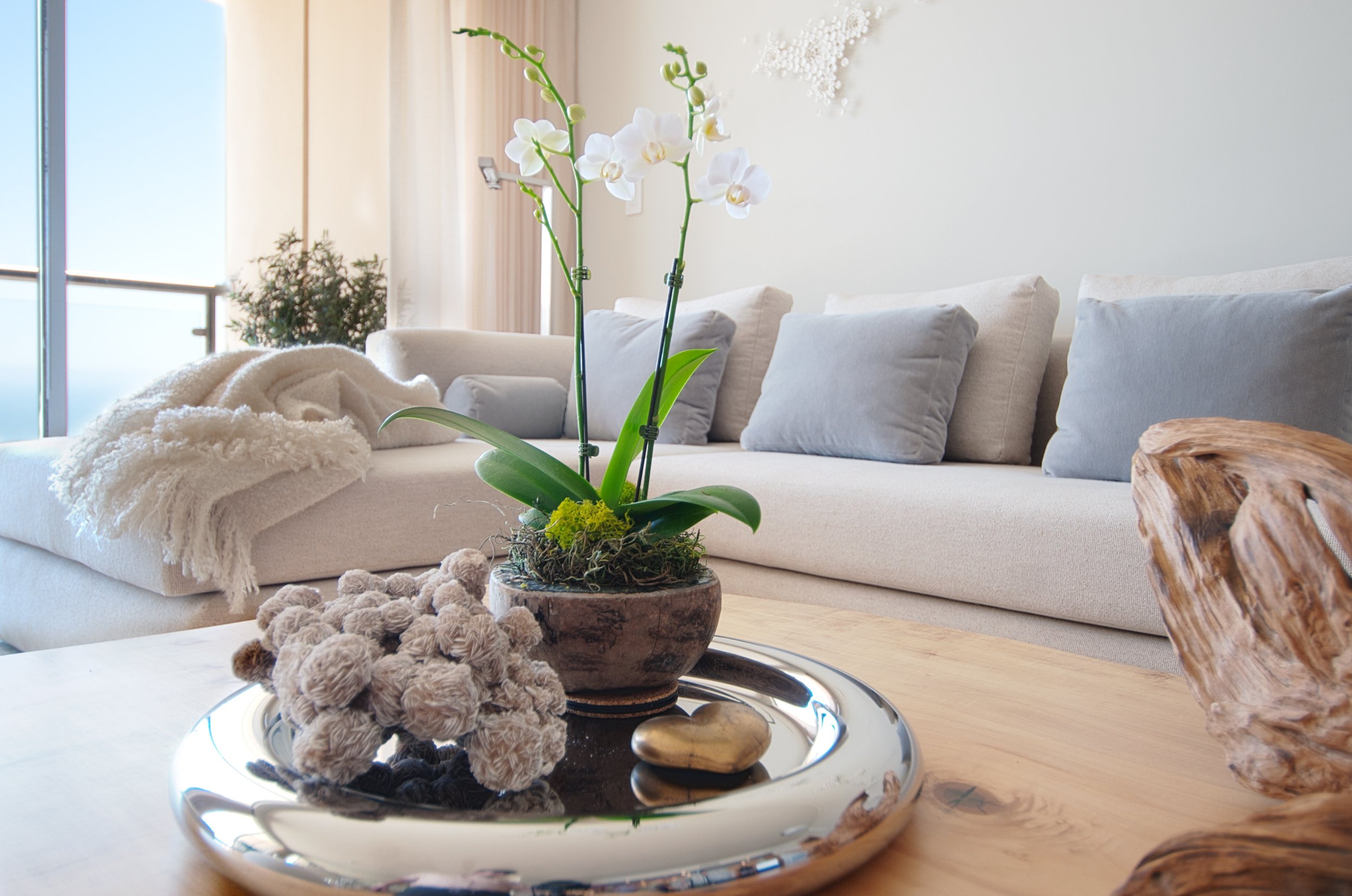
Nature-Integrated Stress Reduction: Biophilic elements, such as indoor plants, natural materials like wood and stone, and views of the outdoors, can help promote a sense of calm.
Personalized Color Stories: Developing soft, grounding palettes often featuring muted greens, blues, or warm neutrals helps to foster a tranquil visual atmosphere.
Meaningful Curation: Thoughtfully integrating personal items and art that evoke positive memories or a sense of identity helps to reclaim the space as a place of personal history and hope.