
INTERIOR DESIGN FOR PEOPLE WITH CHronic fatigue
Sarah Barnard’s approach to designing for people with chronic fatigue centers on creating a home that serves as a supportive partner in energy conservation and restorative rest. As a WELL and LEED-accredited designer, she focuses on minimizing environmental friction to help reduce the physical and cognitive effort required for daily living. By integrating trauma-informed and neuroinclusive principles, the studio transforms homes into sanctuaries that prioritize ease, accessibility, and recovery.
Energy-Optimized Layouts and Circulation
Spatial Planning: Efficient, intuitive design plans that help reduce the number of steps required to move between essential areas, such as the bedroom, bathroom, and kitchen.
Integrated Resting: Discreet, ergonomic seating spots throughout the home to allow for immediate rest during transitions.
Barrier-Free Navigation: Wide pathways and threshold-free transitions to help minimize the physical exertion of moving through the space.
Horizontal Living Integration: Primary living spaces optimized for reclining or horizontal use, including adjustable-height surfaces and integrated charging stations.
Low-Maintenance Systems and Autonomy
Smart Home Empowerment: Voice-activated technology for hands-free control of lighting, climate, security, and window treatments, reducing the need for repetitive physical tasks.
Automated Environmental Control: Programmable systems that manage temperature and light levels automatically, helping the home adapt without manual intervention.
Meal Prep Ergonomics: Specialized kitchen zones that allow seated food preparation, including pull-out work surfaces and knee space under sinks or counters.
Laundry and Utility Efficiency: Strategic placement of laundry facilities and the use of height-optimized appliances to reduce lifting and bending.
Restorative Sleep and Sensory Regulation
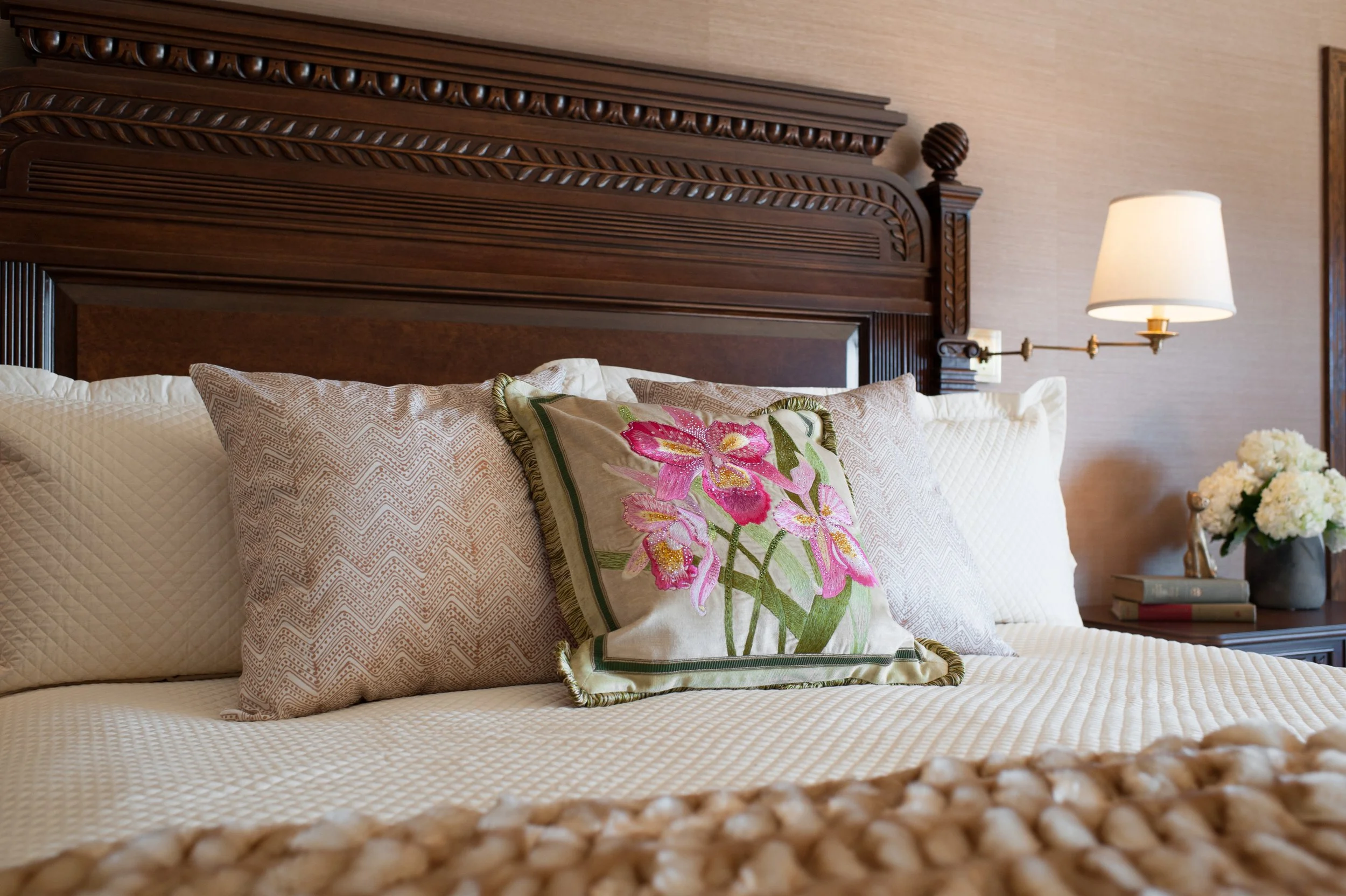
Sleep Support: Breathable, natural bedding and integrated climate control to help maintain an optimal temperature for deep, restorative rest.
Circadian Rhythm Integration: Programmable lighting networks that automatically shift to warm, low-intensity tones in the evening to help support natural sleep-wake cycles.
Acoustic Softening: Sound-absorbing textiles and specialized insulation to help eliminate distracting noise.
Interactive Material Evaluation: The opportunity to live with material samples such as textiles and finishes, to observe personal interactions and determine comfort levels before final selection.
Dark Rooms: Dedicated zones that can be transitioned into total darkness and silence.
Functional Support and Organization
Supportive Home Organization: Intuitive, sustainable organization systems for kitchens, closets, and bathrooms that prioritize reachability and visibility.
Optimized Reach Ranges: Custom cabinetry with pull-down shelving or motorized storage.
Ergonomic Seating and Workstations: Stable, customized, body-contoured support.
Intermediary Services: The studio acts as a liaison with contractors to communicate sensory and health protocols.
Collaborative Design Process: Meetings and site visits are scheduled around the client’s energy levels and routine to help facilitate a low-stress, supportive experience.