
interior design for people with depression
Sarah Barnard provides compassionate, wellness-driven interior design services for people navigating depression. Her approach focuses on transforming the home into a supportive sanctuary that reduces environmental burdens and fosters moments of ease. As a WELL and LEED accredited designer, she creates restorative environments that support emotional and mental resilience.
Sensory Comfort Zones: Dedicated sensory rooms, wellness rooms, sleeping caves, restorative nooks, and other personalized spaces to help provide sensory comfort and a sense of physical security.
Self-Care Spaces: We design areas specifically for therapeutic rituals, such as meditation, reading, and gardening, as well as spa-inspired retreats that simplify self-care routines.
Acoustic Softening: Utilizing sound-absorbing materials helps create a quiet, contemplative environment, protecting against outside noise.
Energy-Optimized Layouts: Furniture plans can be designed to help reduce friction in daily routines, ensuring that paths to essential areas like the kitchen and bathroom are clear and intuitive, supporting movement even when energy is limited.
Low-Maintenance Systems: To help reduce the emotional cost of living during periods of low energy, the studio prioritizes high-functioning, low-maintenance materials and automated systems, such as smart home controls, that help minimize daily to-dos, like opening and closing window treatments and locking doors and gates.
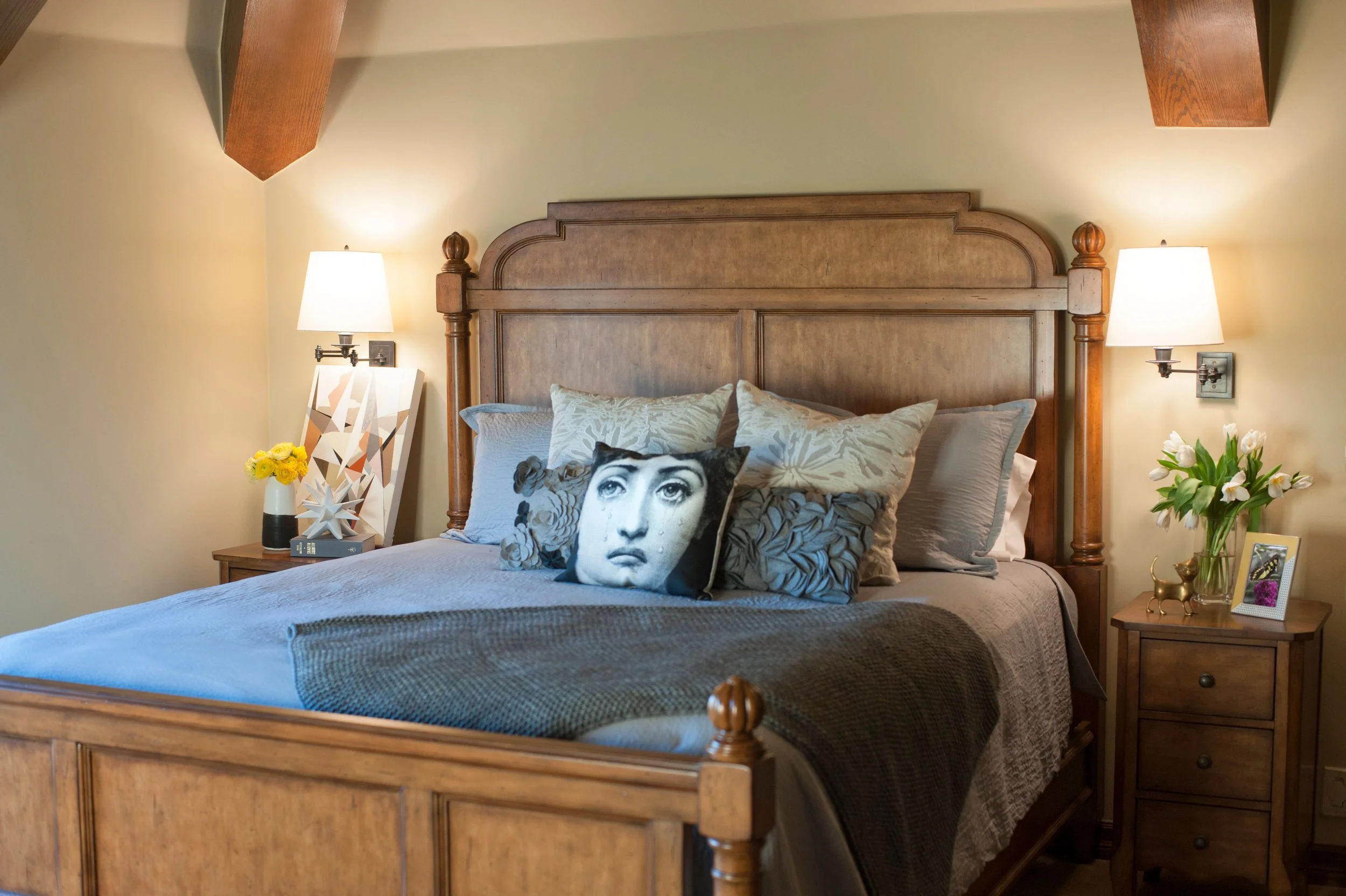
Color for Vitality: Personalized palettes help promote a sense of hope without being overstimulating.
Curated Joy & Personal Agency: The studio helps identify and highlight objects that trigger positive memories or personal pride, creating visual anchors that celebrate the client's identity and personal history.
Circadian Lighting: Advanced lighting systems that mimic natural daylight cycles can help regulate circadian rhythms. This includes maximizing natural light through strategic window treatments and using programmable, warm-spectrum lighting.
Biophilic Healing & Connection: Integrating nature-inspired elements, such as indoor plants, natural materials like wood and stone, and biophilic patterns, helps to provide a gentle, affirming connection to the outdoors.