
NEUROINCLUSIVE INTERIOR DESIGN
Sarah Barnard’s design approach is rooted in human-centered, trauma-informed practices, focusing on creating healing spaces that support her clients' mental, physical, and emotional well-being. As a WELL- and LEED-accredited designer, she prioritizes inclusivity by tailoring environments to specific sensory and physical needs rather than adhering to a one-size-fits-all aesthetic.
What is "Neuroinclusive Design"?
Neuroinclusive design refers to creating spaces that accommodate the diverse ways people experience and interact with their surroundings. Barnard’s goal is to reduce environmental stressors while maximizing a person's strengths.
Sensory Management: Implementing adjustable lighting, soundproofing, and scent-free spaces.
Functional Zoning: Creating defined zones for specific activities (e.g., active play vs. restful retreat) to help with focus and daily transitions.
Flexibility & Autonomy: Using reconfigurable furniture, adjustable lighting controls, and "all-off" switches so users can control their exposure to light and sound.
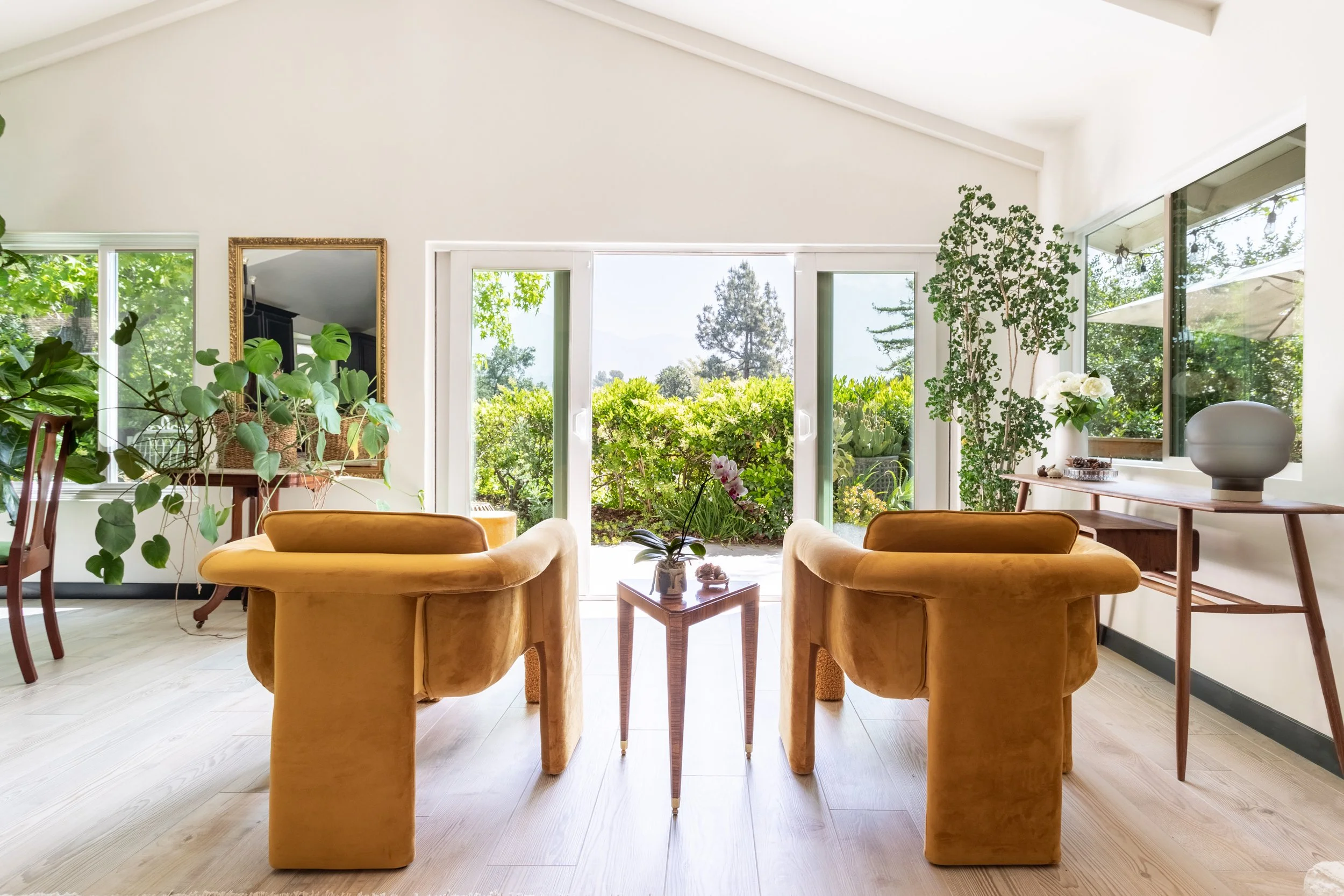
Biophilic Design: Integrating nature-inspired elements and natural materials to lower stress and improve air quality.
Who are these services for?
Autistic adults and children, people with sensory processing challenges, as well as people with ADHD, dyslexia, or epilepsy.
People with physical disabilities such as mobility impairments, hearing or vision impairment, and color vision deficiency.
People with health conditions such as chronic migraines, chronic fatigue, and chronic pain.
People with memory loss, dementia, or Alzheimer's.
People who have experienced trauma.
Families & Multi-generational Households.