


Prioritizing Privacy: A Simple Secret to Living Well

For many, the ultimate luxury is time. While time away from the usual sights and sounds can be restorative, time at home, in a space designed especially for us and our needs, may be the simplest secret to living well.
Crafting a home that mirrors our distinct values is a personal and private experience. This profound understanding and respect for individuality are integral to the studio's interior design process and a cornerstone of preserving client privacy.

Establishing a sense of safety and comfort with a home designer is an essential first step. For many of us, a crucial part of building trust is ensuring discretion. When we feel comfortable sharing our needs openly and honestly, our homes can be custom-designed to create supportive spaces where we can thrive.

Physical Comfort. Consider the possibilities of personalized ergonomic design. When our homes are meticulously tailored to fit our body dimensions and personal needs, the spaces within our homes can truly support us. The potential for personalization is vast, from the height of countertops and light switch placement to bespoke furniture built to support our bodies.

Emotional Comfort. Feeling welcome to be open about the reality of our traumatic experiences, grief, and post-traumatic stress (PTSD) through a warm, understanding, and private design process helps make it possible to design soothing and restorative spaces that support emotional needs.

Accessibility and Inclusivity.Spaces custom-designed to meet our specific physical needs can empower and enrich us in daily life.An experienced design team prioritizes creating a safe space during the process where we can honestly share any physical needs that home spaces can be designed to support, such as hearing impairment, vision impairment, color vision deficiency, mobility impairments, and memory loss.

Healing Spaces. Creating a safe space for open, empathetic communication within the process enables us to collaboratively examine the sensory effects of a space and create inclusive, supportive, and healing home environments designed to help neurodiverse individuals thrive. One of our most fulfilling recent projects is a multi-room living space custom-designed for a family with a neurodivergent child. The space includes an indoor treehouse with a tunnel into an adjacent room and play areas with custom climbing forms. There is a space for reading and focused therapies as well as a sleeping space that incorporates the tactility of soft surfaces connecting intimate and energetic spaces designed to help the child thrive.

Collections and Clutter. When we are hesitant to share our organizational challenges, sometimes things can feel overwhelming, making it challenging to begin a project. Fostering openness and trust clears a path for us to co-create a highly functional space that caters to our unique needs and lifestyle. Sometimes, it begins with a desire for a more orderly system for storing all of life's necessities. Other times, it's collected or inherited items that require sorting and cataloging. No matter the prompt, increasing order can help us reduce decision fatigue and increase a feeling of lightness.

When inviting construction crews, materials suppliers, and other workers into our homes, it is important to have the support of a designer who is sensitive to our personal needs. A privacy-conscious interior designer encourages trust and clear communication among the construction team to help ensure client privacy is respected at every stage of the process.

Sensitive Communication. Open communication helps designers inform other members of supportive teams so they might be sensitive to specific protocols, such as avoiding fragrances, removing shoes, and/or wearing booties. It's common to arrange meetings and site visits around family routines and children's napping schedules, which helps to make the design process as comfortable and enjoyable as possible.

Designer as Intermediary. The preferred level of engagement each of us chooses to experience with the design process and other teams involved in the project is a personal choice. Some folks find it enjoyable to get to know the workers, visit the construction site regularly, and be active participants in all of the project happenings. Other folks may prefer their design team to be the main point of contact with the general contractor, real estate agent, art handler, landscape architect, closet designer, engineer, and other specialty trades. Designers can act as intermediaries to create connections and facilitate conversations on a Client's behalf, meeting and communicating with crew and staff to help maintain the Client's desired level of privacy and anonymity.

Establishing private, personal space within our homes often begins with creating physical boundaries that foster a sense of comfort, peace, and well-being. Consider the simple pleasure of enjoying a bath with an inspiring natural view without concern for interruption. With thoughtful design planning, peaceful feelings can be continued throughout our homes.
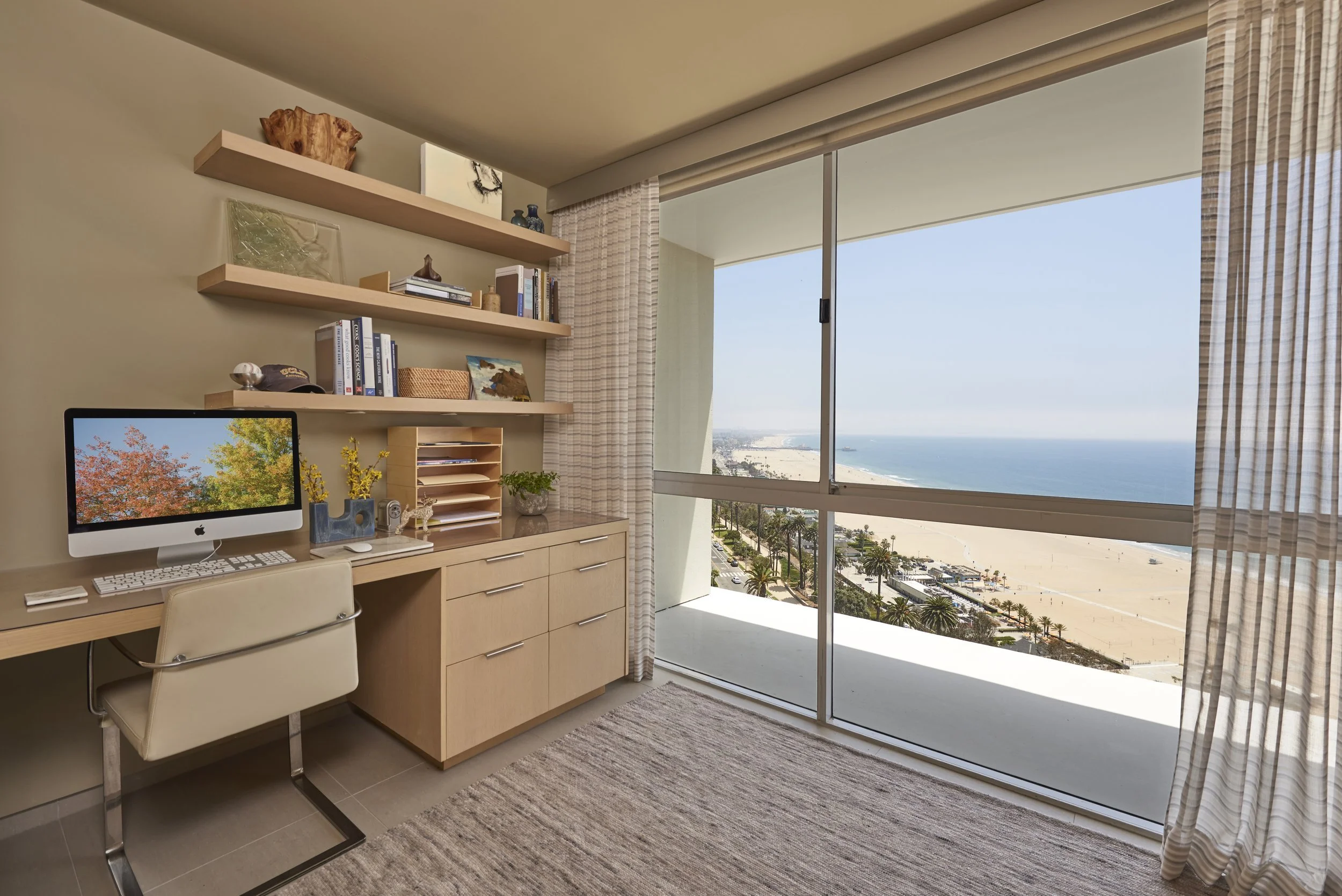
Sound. Quiet space is something to consider when designing a home that offers the utmost privacy. Soundproofing insulation is a great way to create privacy and focus in a library, meditation room, or other personalized retreat. Some environments may benefit from sound masking systems that are fine-tuned to a room environment, filtering out specific frequencies and shielding noise from other home areas.

Automation. Motorized drapes, shades, and smart glass help us instantly and effortlessly shift between wide-open views and total privacy. Smart window coverings can be controlled by wall-mounted keypads, a cellphone app, or a customized prescheduled set of scenes.

Entrances. Design can determine what spaces within our home are accessible to guests and help to protect our personal space. This is easily achieved by creating a distinct entrance room from which the rest of the house cannot easily be seen. For example, a cozy waiting area for very short-term guests creates a polite boundary between visitors and residents.

Private spaces. Smart door locks can both allow and limit specific users access to predetermined areas within certain authorized times. For example, the gardening team has a passcode authorized to unlock exterior gates only, while the cleaning team has a passcode authorized to access interior and exterior spaces during their scheduled work times. Nannies, tutors, dogwalkers, chefs, and other household support staff can have unique passcodes that limit room access to their job functions.

Exterior privacy offers a sense of ease while spending time in outdoor spaces. Garden space well obscured from neighbors can create more comfort when gardening, swimming, sunbathing, exercising, or socializing. Outdoor privacy empowers us to make the most of our outdoor spaces and enhances our overall living experience by providing a peaceful outdoor retreat.

Landscaping. Strategically arranged outdoor elements can help limit our home's visibility, promoting privacy while contributing to a sense of peace and beauty. Lemonade Berry (Rhus integrifolia) is one of Sarah's favorite hedge materials because it can survive with very little water and produces delightful small pink flowers.

Plant selection. Evergreen plants are ideal for privacy gardens as their leaves offer consistent foliage year-round; the California live oak is another one of Sarah's favorite plants as it supports native wildlife and provides year-round shade.

Outdoor Shade Systems. Minimalist, motorized shades may be installed on the exterior of the building any time window treatments are undesirable in the interior. These shades can be controlled by phone app, wall-mounted keypad or prescheduled to open and close during the work times of visiting professionals, like the gardening team or pool service.

Security. Incorporating gates at the property's entry can also contribute to elevated privacy and security. At larger estates and celebrity homes, it is entirely reasonable to design a private guard shack at the entrance for maximum safety and security.

A guest house is an excellent option for those who enjoy entertaining but prefer to keep their primary residence private. Designing a separate dwelling dedicated to guests creates space for deeper connections with friends and family, making it easy to host parties, functions, and longer stays while also maintaining the comfort of personal space.

Separate social space. Events can be set up days in advance, creating an ease that allows focus on the fun, enjoyment, and connection of social events.

Privacy for guests. A pool house, casita, or bungalow are excellent options for visiting friends and family. The guest house can provide private personal space during their stay, while the pool can be a communal area where hosts and guests meet, relax, and socialize outside the primary residence.
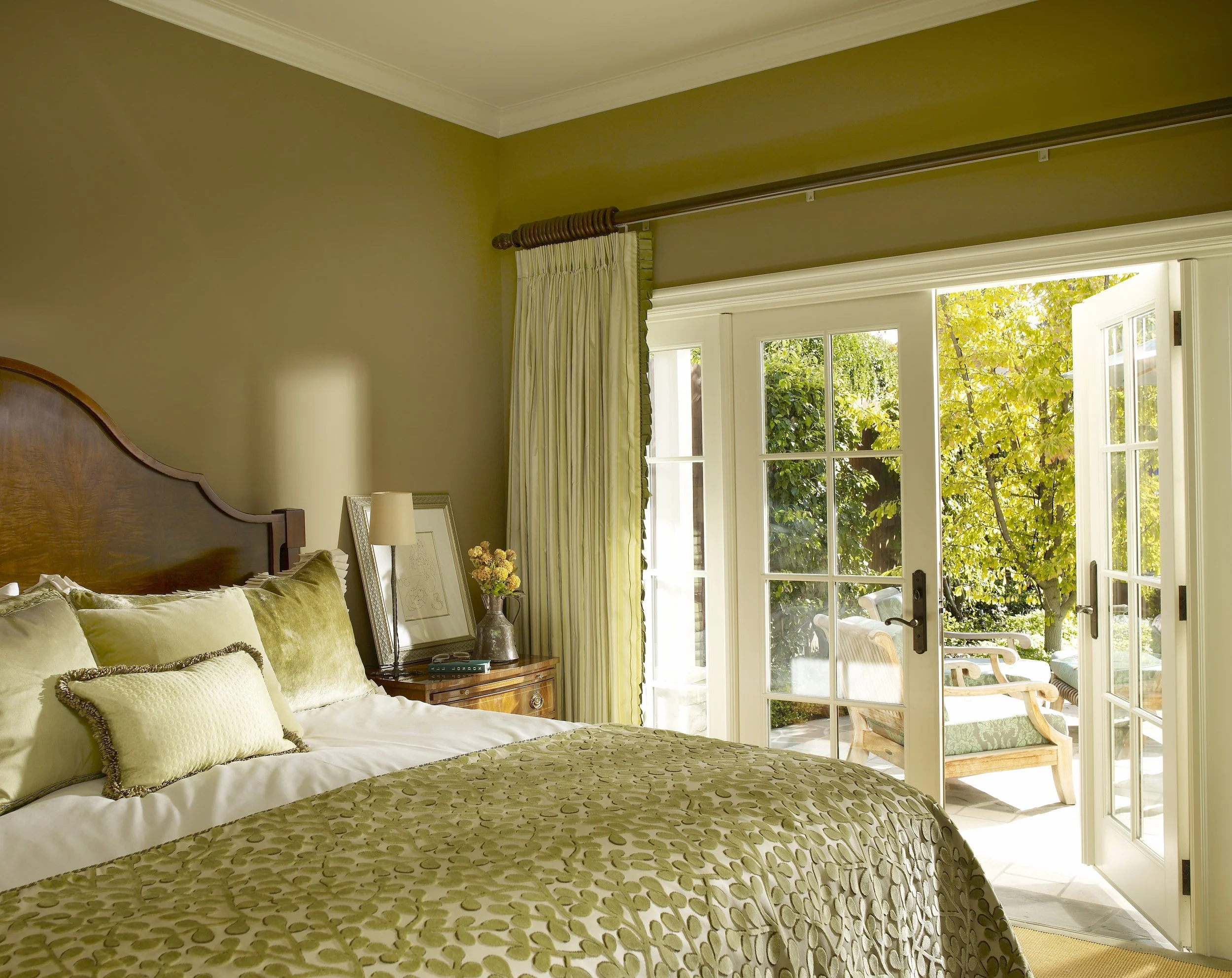
Longer stays. A guest house is an excellent option for long-term guests, as it promotes independence during their stay, helping us maintain personal space and privacy while also enjoying time together.
Privacy is a critical component of well-being in our homes. Having space for ourselves, both physically and emotionally, can have an empowering effect on our lives. Collaborating with a designer who understands and respects the desire for discretion and privacy throughout the design process helps create a home that supports our best day-to-day living.
Sarah Barnard, WELL AP + LEED AP, is a leading designer of personalized, sustainable spaces that support mental, physical, and emotional wellbeing. She creates highly personalized, restorative spaces that are deeply connected to art and the preservation of the environment. An advocate for consciousness, inclusivity, and compassion in the creative process, Sarah has appeared in Architectural Digest, Elle Décor, Vogue, HGTV, and many other publications. In 2017 Sarah was honored as a “Ones to Watch” Scholar by the American Society of Interior Designers (ASID).

Deeply Personal Design Process

Our homes are incredibly personal and intimate; they reflect our personalities, relationships, passions, and goals. Inviting an interior designer into our home spaces and lifestyles can feel like a big step, but having someone to help navigate the many facets of our homes and realize them into a design concept can be a rewarding and fulfilling process. Many of us may have strong preferences or see images, colors, or designs that can cause a feeling of joy. What can be challenging is finding ways to integrate aesthetic leanings into our daily functional needs. Personalized design can create flexibility through customization and specificity, offering space for our design dreams to be applied to a home that can physically and emotionally serve us.
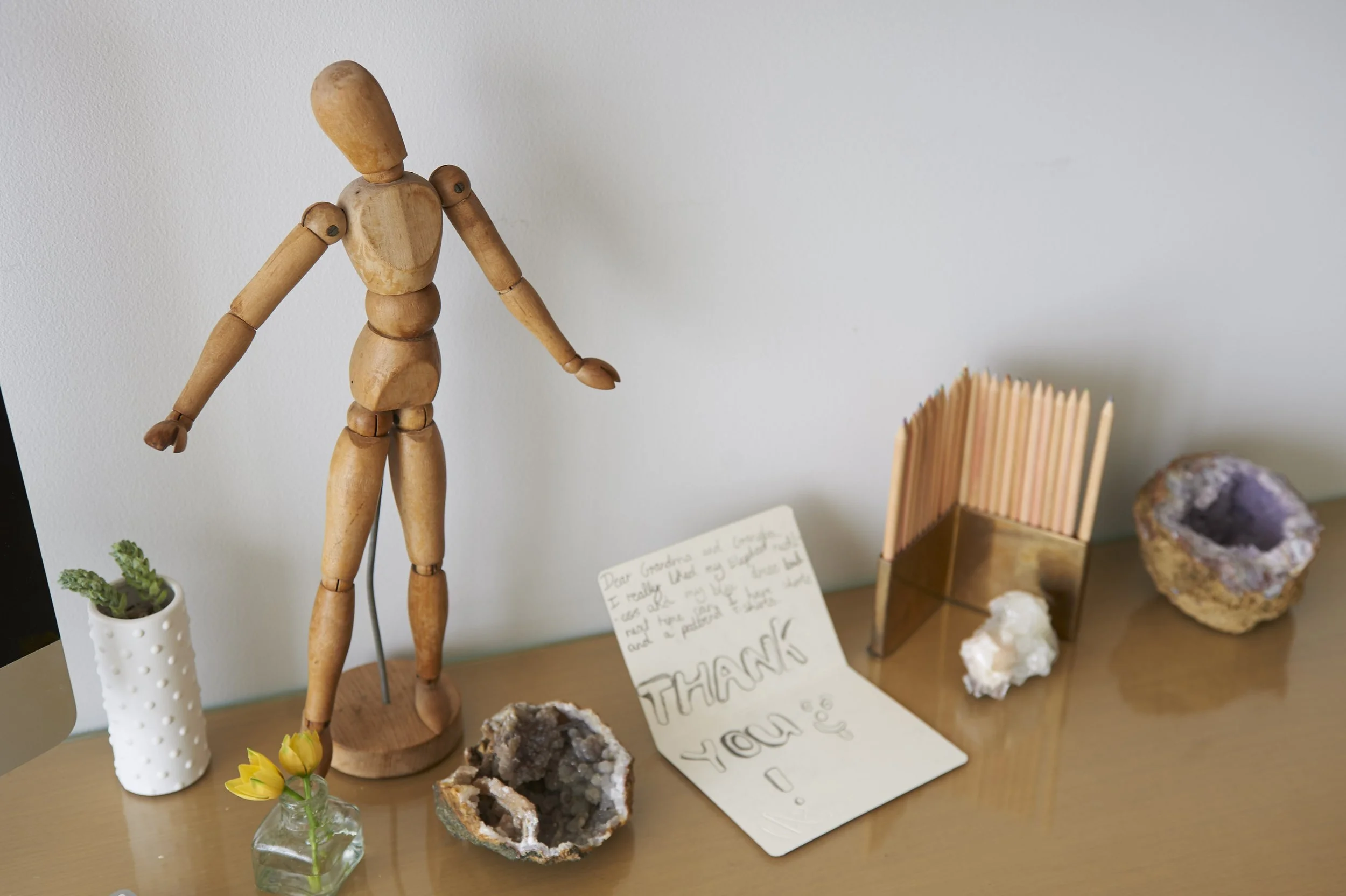
One of the foundations of a functionally supportive space is ergonomics. While ergonomics is often considered for workspaces, it's important throughout all living areas, impacting our comfort, energy levels, and interactions with our home. Some ways we can integrate ergonomic design into our home include custom furniture and counter heights that can encourage better posture and physical ease on joints. Arranging televisions and screens to avoid glare so we can watch entertainment unobscured and comfortably. Sensory elements such as soft close doors and cabinets can reduce abrasive noises throughout the home, contributing to a calm, serene, and mindful environment. And devising layouts that encourage movement or an organic flow of foot traffic can help to reduce mental and physical stress throughout the day.

Design is always a collaborative process, particularly in shared home spaces where multiple desires, needs, and personalities must be considered and supported under the same roof. Our homes can be custom-designed to support the specific needs of our family. For families with young children, designing a space for play and custom storage options for toys can promote tidiness, order, and quiet throughout the home. Carpeting and furnishings made from robust materials that can be spot-cleaned are ideal to resist day-to-day wear and tear. Custom kitchens can be designed for large families to contain additional cold food storage concealed neatly within specialized cabinetry.

Sensory details play an essential role when designing custom spaces for neurodivergent children. In past projects designed for children with hypersensitivity, window treatments were a successful way in which we could help diffuse and regulate both light and environmental noise to encourage a feeling of calm within the home. Past projects designed for hypo-sensitive children were very different spaces; here, we created an engaging and stimulating environment featuring bright colors and soft custom climbing areas designed to encourage play.

Our home can also be customized to support caring for an elderly loved one. Bespoke furniture can be ergonomically designed to lessen stress on the body and support ease of movement in day-to-day living. Smart lighting options that can be remotely controlled and bathroom modifications such as grab bars, lever or touchless motion-activated faucets, and custom counter heights can also help facilitate independence and wellness.

Trauma-informed design can help create healing, restorative spaces that support recovery from trauma and post-traumatic stress. With trauma-informed design, the process is intended to create a safe and inclusive environment where we can feel comfortable honestly expressing our design needs. Individual sensory needs are incorporated with our aesthetic tastes through design elements such as color, texture, and other sensory elements, incorporating biophilic design to create mindful spaces where we can relax and regenerate.

Pets are another member of the family to consider when designing our home, and pet-friendly fabrics can be a great way to incorporate their accessories. Consider a custom pet bed made from a favorite washable fabric or reupholstering furniture that could use a bit of a freshen-up. Sturdy materials that can be spot-cleaned, such as recycled fibers, are also an excellent option for rugs and carpeting in a pet-friendly home.

Hybrid work and working from home have become commonplace, increasing the need for dedicated spaces that create a boundary between work and everyday life. Some considerations for these spaces include noise reduction or soundproofing for virtual meetings and focus, ergonomic furniture, adequate lighting, color choice, and biophilic design, all of which can contribute to creating a mindful workspace.

When we consider our home spaces as reflections of ourselves, interior design can integrate aspects of our personalities, personal histories, ethics, and values. These considerations may include sustainable or vegan design or a home that reflects our desires for socialization or privacy. They may also include home spaces that reflect cultural histories or find ways to integrate important memories or personal milestones.

A holistic approach to vegan design moves beyond simply excluding materials made from animal products, creating a home that reflects a mindful connection and awareness of our place within the planet's broader ecosystem. Eco-friendly, ethically sourced materials such as bamboo silk or textiles and wallpapers made from cruelty-free plant-derived materials are free from animal products, can have low or no VOCs, and are environmentally conscious in their manufacturing. Re-wilding our yards with drought-tolerant indigenous plants is a great way to nurture and support our home's natural ecosystem by creating an environment that attracts and sustains local wildlife and pollinators. Biophilic design is a great way to enjoy the serenity of this natural environment within our homes. Incorporating materials and patterns that reference natural imagery can encourage mindful connectivity between ourselves and our surrounding natural environment. Also, incorporating technology that works with our local ecosystems, such as rainwater storage, greywater systems, and solar panels, is a small contribution that has the potential to make a positive environmental impact collectively while creating self-reliance at home.

Our home can also be designed to incorporate objects and collections that are important to us or reflect our cultural identity. Including these objects in a beautiful, functional, healthy home creates a self-portrait that reflects our uniqueness. Being surrounded by objects that contain cultural significance, happy memories and bring us joy has the potential to make a restorative, joyful space where we can authentically be ourselves.

Unique, one-of-a-kind home attributes can also be a valuable way to turn our home spaces into havens of joy and comfort. For those who find serenity in botanical spaces, a custom glass greenhouse that doubles as a wellness space can become a favorite retreat that adds a sense of wonder to the home. Having an indulgent space for privacy, like a personal dressing room, screening room, or in-home spa, can feel like a personal oasis.

A dedicated wellness space, such as a yoga or meditation room, encourages a daily practice of mindfulness and self-care that can benefit mental and emotional health. Sensory details such as color, texture, lighting, and noise can influence a room's emotional effect and comfort. Color has the ability to energize or soothe us; a cool neutral palette, such as soft earth tones, can contribute to a feeling of calm. Adjustable lighting, lamps, and automated shades can regulate light levels within a space. Soft-closing doors and drawers, high-pile carpeting, and rugs can be utilized to minimize environmental noise and help create a calm and quiet space. Custom storage solutions can also be used to declutter a space and create calm.
Having areas slightly separated from the home can also create room for a design departure, adding to the feeling of variety. Many may be interested in creating opportunities for connection in their home, with spaces for education or gathering. Rooms for meditation or sound baths with friends and neighbors or music and creative spaces designed to share with close friends and loved ones can help create feelings of connection for those who enjoy their homes as social spaces for gathering.

Slow design is a deeply personal design process that allows us to slow down, truly consider, and discover how our home can support us in living our best and most joyous lives. A holistic approach to interior design, slow design takes time to create a layered and highly personalized home design that considers how our home can support our day-to-day needs, creating a space where we can thrive.

Creating a home that profoundly reflects ourselves can be an enriching and fulfilling experience. Custom-made objects and designs for our home can be sourced from quality, eco-conscious materials intended for lifetime use. These highly personalized one-of-a-kind objects exude luxury through their superior quality; slow design fosters connectivity with the materials and craftsmanship of these heirloom objects and our home. Slow design is often better for the environment as materials can be ethically sourced, and objects that are made with intentionality can incorporate waste reduction into the process. Building relationships with local skilled artisans and craftspersons also creates positive connections and support within our local community.

Slow design also utilizes 3D rendering to help visualize how the home design will look and feel. While renderings take time to develop, they help alleviate stress or indecision when considering multiple options or directions for the design.

A holistic approach to designing personalized spaces can help create home interiors that feel like an extension of self, a space that promotes personal growth and fulfillment. Exploring opportunities to make home changes or incorporate customization can expand our ideas around restorative spaces to create a home environment that enriches our daily lives and brings us joy. Embracing personalized home space can offer room for exploration and peace, where we can celebrate ourselves, our loved ones, and our environments.
Sarah Barnard, WELL AP + LEED AP, is a leading designer of personalized, sustainable spaces that support mental, physical, and emotional wellbeing. She creates highly personalized, restorative spaces that are deeply connected to art and the preservation of the environment. An advocate for consciousness, inclusivity, and compassion in the creative process, Sarah has appeared in Architectural Digest, Elle Décor, Vogue, HGTV, and many other publications. In 2017 Sarah was honored as a “Ones to Watch” Scholar by the American Society of Interior Designers (ASID).

Creating a Safe Space for Neurodivergent Children to Thrive

A home is a place of rest and comfort, providing a sense of belonging. It is full of elements that we interact with daily- texture, lighting, furniture. A beautiful aspect of being human is that we all have unique experiences with these tactile elements. Even better, we can design our home these elements to facilitate more comfort and joy. Lately, our studio has been thinking specifically about how home design can improve the experience of Neurodivergent children within their own homes.

Our health and wellness-focused interior design studio works with families to create soothing spaces that support everyone in the home. We've found that boosting the wellbeing of a child will, in turn, increase the wellbeing of the parents and care providers. When we hold space for our loved ones, we can begin to find ways to coexist with peace and ease. It's critical to understand that no singular solution works for everyone, so facing challenges with empathy is key to understanding the unique needs of the child and family. We approach building healing spaces through human-centered home design modalities, prioritizing human interaction with the built environment. For children who may struggle to communicate their needs verbally, it is essential to create a healthy and comfortable environment to support their mental, physical, emotional, and sensory wellbeing.
Some ideas on creating a safe space for a neurodivergent child to thrive:

Offer Choices. Through adjustable and adaptable features, you can empower your child by offering choices to meet their needs.
● Adjustable, thoughtful lighting: Dimmer switches can offer autonomy and create a customizable experience to meet a child's shifting needs.
● Reconfigurable furniture: an interior designer can help create a layout suitable for furniture that a child can freely rearrange themselves. Modular seating, for example, is easy to customize and move within a space to suit the ever-shifting needs of everyone in the household.
● Privacy vs. open space: Consider a bed with curtains or a canopy to offer a safe, private space for a child to find comfort and solitude.

Make it intuitive. Designing an intuitive space can help your child interact with their environment, providing a greater sense of comfort and independence. A great example of this at work is at the Bancroft Raymond & Joanne Welsh Campus in New Jersey. KSS Architects created visual psychological cues throughout the campus, such as a sensory trail and specific textures and colors related to designated spaces.[1]

● Utilize visual cues. The rug pictured above brings in references to the natural world while creating a known pathway and added safety in shared spaces.
● Create spaces designed to help with transitions utilizing psychological cues. For example, if your child is hesitant to go outdoors, consider a sunroom with expansive views to the outdoors so they may watch from a safe space until they are ready to go outside.

Consider materials.
● A home designer can help you source high-quality materials that can withstand heavy handling and potential emotional episodes.
● A highly sensitive child might also be sensitive to odors from adhesives, stains, paints. Wellness-focused home designers can help source non-toxic low/no VOC materials.
● Thoughtfully selected textures and colors can create a soothing, tactile experience. Individuals respond to textures and colors differently, so it is best to utilize samples to assess the physical response between the residents and any proposed materials.

Keep the senses in mind.
● Appeal to unique sensory needs. Because neurodivergent children may have different sensitivities that fall under hypersensitive or hyposensitive, the interior design team should work collaboratively with parents and caregivers to create an individualized strategy.
● Weighted blankets can aid in creating a therapeutic experience for a child. Our studio has worked with families to design custom weighted blankets in natural and organic materials.
● A well-designed bedroom or playroom can incorporate sound-reducing walls. If you are not ready for remodeling, consider acoustic panels, white noise machines, or heavy, interlined draperies to customize the sound experience.

● Many people have specific sensitivities to color temperature. Our studio recommends the residents experience and respond to the proposed color temperature of the light before installation. Consider an "all off" switch for the power in each room, which turns off all power to provide ease for a child sensitive to hums and electromagnetic waves.
● Incorporate artwork: Art can help influence our emotional experience, as viewing art can have mood-boosting effects. Curate a positive experience for a child by selecting artwork that considers their interests.

Incorporate Biophilic Design.
Biophilic design aims to make healthy and comfortable interiors by meaningfully incorporating natural elements into our home design and work environments. We've found that the healing power of the outdoors is one of the best ways to facilitate a healthy environment. Healthcare studies have reported that exposure to nature can reduce stress, lower blood pressure, provide pain relief, and contribute to healing and recovery from illness. [2]
● Utilize nature within the child's space. You can do this using indoor plants, decorating with found objects from nature, or sourcing furniture made from natural, sustainable materials.
● Evoke a sense of nature through items like art, wallpaper, or other nature-inspired decor items.
● Consider designing a room with a view of the outdoors so your child can observe and respond to natural processes like the shift of daylight or changing seasons.

We know that home design can help support a healthy, happy environment for growing children and that personalized supportive environments can be especially helpful for the wellbeing of neurodivergent children. The CDC has estimated that one in every 42 boys and one in every 189 American girls are on the Autistic spectrum. Mindful and empathetic design practice empowers us to create spaces that provide comfort and inclusivity, encourage independence, and improve mood. Creating spaces that consider different needs reduces environmental stressors and triggers, maximizing space for children's strengths to shine.

Sarah Barnard is a WELL and LEED accredited designer and creator of environments that support mental, physical and emotional wellbeing. She creates highly personalized, restorative spaces that are deeply connected to art and the preservation of the environment. An advocate for consciousness, inclusivity, and compassion in the creative process, Sarah’s work has been recognized by Architectural Digest, Elle Décor, Real Simple, HGTV and many other publications. In 2017 Sarah was recognized as a “Ones to Watch” Scholar by the American Society of Interior Designers (ASID).

[1] Bancroft Raymond & Joanne Welsh Campus in New Jersey is a learning center for individuals with neurological challenges, autism, and intellectual and developmental disabilities. The facility was designed by KSS Architects and completed in 2017. [2] Robert Ulrich (1884) facilitated a study of patients recovering from gallbladder surgery and assigned them randomly to hospital rooms. All rooms had windows, though some had a brick wall view, where others overlooked a tree grove. The patients assigned to the rooms with the brick wall view had slower recovery times and greater dissatisfaction with their care than their tree overlooking counterparts

Can the Design of Your Home Aid Recovery From Past Trauma? Research Says 'Yes'
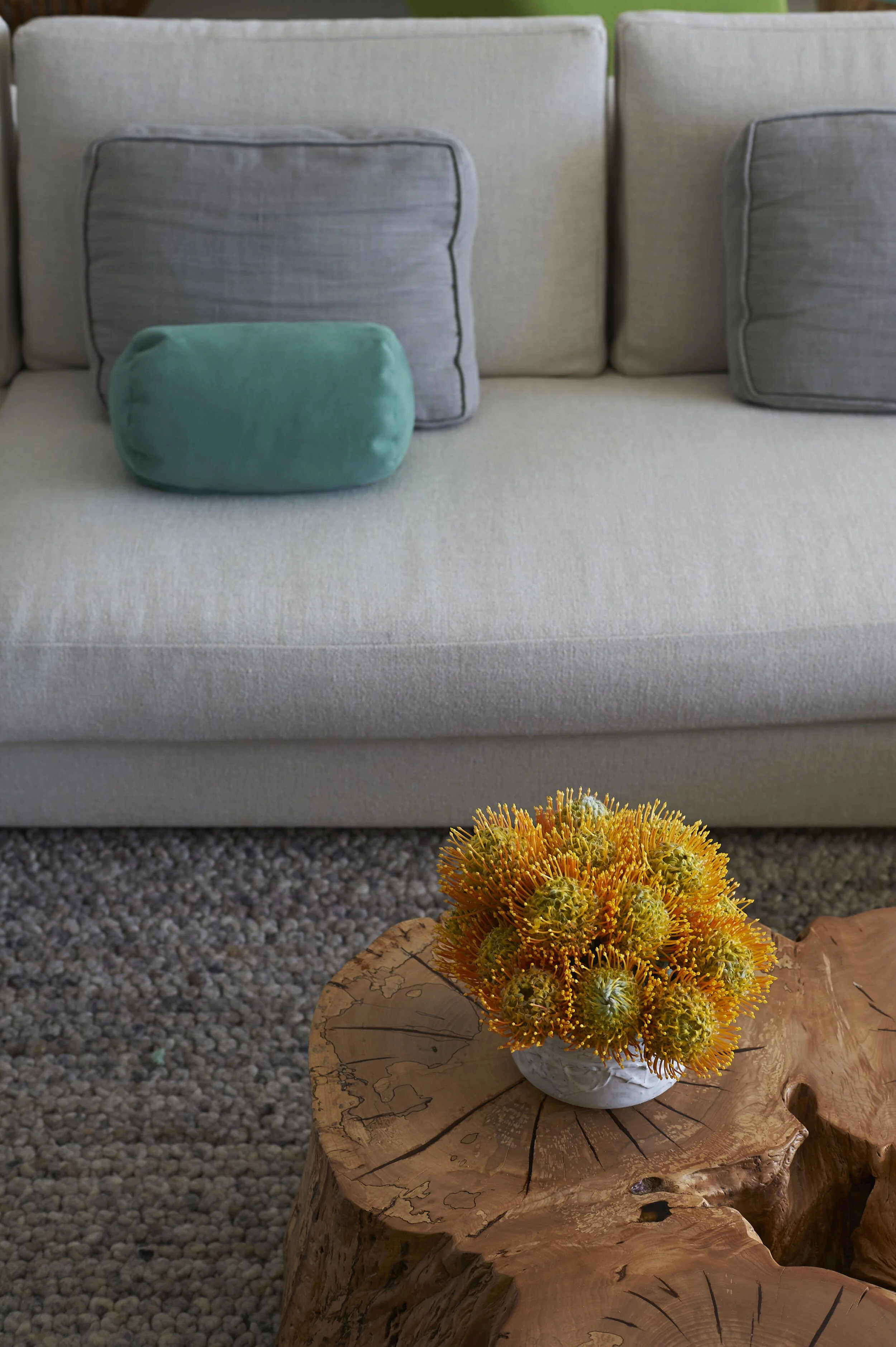
As interior designers, we operate from an awareness that because we create the built spaces that our clients inhabit, we exercise tremendous influence on their lived experiences and the ability to make a tangible difference in our clients' mental, physical, and emotional health. (1) While it is easy to accept this as a given in more passive terms, there is an increasing necessity around the active, rather than incidental, cultivation of safe and healing built spaces. At Sarah Barnard Design Studio, we aim to bring an inclusive and trauma-informed approach to home design.
Between 1995 and 1997, Kaiser Permanente conducted a study looking at the health effects resulting from the trauma of Adverse Childhood Experiences (ACEs). (2) The parameters around this study were narrow, focusing primarily on abuse, neglect, and domestic strife, without including factors such as trauma due to racism, deportation, illness, or war. The study's participants were also far from a broadly representative group, with nearly 75% of participants identifying as White. Yet, even within these minimal boundaries, the findings were stark—approximately 66% of the study's participants reported ACEs in their personal histories.

If we consider the types of trauma the study excluded and the adverse experiences that occur in adulthood, the implications of this study are significant. It is fair to assume that traumatic experiences are widespread among adults. Particularly in the context of the Covid-19 pandemic, the mental and emotional fallout of which we are only beginning to understand and measure, addressing the effects of trauma has taken on a new urgency.

Much of the discussion around trauma-informed home design has focused, understandably, on public and institutional contexts often directly connected with health and social services (3). As understanding around the way that physical spaces affect our mental, emotional, and physical health have expanded, so too has demand for spaces designed with health and healing in mind. Where once function and safety were the primary concern in, for example, mental health facilities, home designers are now looking at how to make these spaces soothing and restorative.

Knowing what we know about how widespread the experience of trauma is, it is reasonable to expand our thinking beyond institutional spaces and apply the principles of trauma informed practice to home design, as well as to the way we interact with clients. Our goal is to create spaces that manage the effects of trauma by reducing sudden sensory arousal, while also being actively healing and restorative.
This process begins with creating a safe and inclusive environment for our clients from a project's inception to completion. While it may be safe to assume that most adults carry some form of trauma with them, we don't know what a client's background is unless they feel safe to tell us. We aim to approach our clients with a sense of inclusiveness and sensitivity, allowing ample space to voice their needs. A certain amount of vulnerability and humility lies on us as designers as we hold ourselves accountable for maintaining this safe space for our clients. This accountability allows us to create homes that are not only aesthetically pleasing but also personalized and inclusive to each individual and their needs. As designers, we must keep an open flow of communication between ourselves and our clients, ensuring that communication remains understood on both ends.

Creating an inclusive space starts with mindfulness and care around the way we communicate(4). There is no default listener. Our intention is to allow people from all walks of life feel heard and understood. We are committed to educating ourselves on inclusive language, as certain words may carry racist or ableist subtext. Finding alternatives to non-inclusive language is one component of this, and it helps to avoid language that presumes the ethnicity, gender identity, or experiences of the listener. To maintain our goal of holistic inclusion throughout our studio, we apply these communication values to our client interactions, internal conversations, and interaction with vendors. By holding ourselves accountable even out of sight of clients, we ensure that inclusivity remains a core principle of our studio.

PAINTING BY MICHELLE JANE LEE
When we begin each project, our goal in taking a trauma-informed approach to home design and decorating includes finding ways to reduce sensory overstimulation. Sensory triggers can be hugely disturbing for neurodivergent people (particularly those on the autism spectrum), as well as people with chronic migraines, Post Traumatic Stress Disorder, Alzheimer's, and other chemical or sensory sensitivities (5). Spaces designed with inclusion in mind for neurodivergence and disability will create an environment that feels safe for all users along various spectrums of need. However, even neurotypical people can experience stress from sensory overstimulation, impacting their health and emotional resilience (6). We address this need in home design by creating varied paths to shelter from intrusive sounds, odors, and light. In addition, we empower our clients to limit and customize their exposure to sensory stimuli (7). One way to achieve this is to create smaller sensory retreats within the home, balancing the calming quality of openness with the comforting sense of being enveloped. We use color psychology, textures, and other sensory elements to comfort our clients. Some of this may overlap with general design knowledge of what is considered calming, and some may be specific to each client's taste and sense of comfort.

PAINTING BY KEVIN MOORE
Our goal as a studio is to create spaces where clients can relax and restore their senses. We achieve this in our projects by intersecting the client's sensory needs with their aesthetic tastes. There is much importance in including art in the spaces we design. At Sarah Barnard Design Studio, art is considered an integral part of home design. Great care is taken not only in the selection of art but also in how and where it is displayed. That said, while there are general notions of what makes a piece of art soothing for a viewer, from the color to subject matter. Ultimately, the most crucial factor is what the client wants to see every day. Clients will benefit most from seeing art that evokes a sense of calm or happiness; however, what that can look like varies widely from person to person. As designers, we offer our guidance and expertise in selecting art for the home.

We can achieve restoration through home design by providing access to nature and integrating natural themes into the spaces themselves. The biophilic design movement has focuses on making nature an integral theme in the home. Biophilic design has tremendous benefits for our emotional, mental, and physical health (8). Views of nature, particularly ones that provide a sense of continuity with the indoors and outdoors, can be one way to achieve this. Prioritizing the use of natural and organic materials can also promote restoration and wellness for our clients. A connection to nature can be undermined by toxic materials that are produced in ecologically harmful ways. On a more symbolic level, we can incorporate nature into an indoor space through organic imagery that evokes the natural world through shape, texture, and color.

Recently, our homes have become even more of a center point in our lives. For many of us, our home has become a workplace, school, and place for recreation all at once, increasing the need for therapeutic and restorative spaces within the home. Unfortunately, mental and emotional restoration has become harder to achieve now that our homes serve more functions than ever. As designers, we must be creative in our approach. We can create boundaries in the home without putting up walls, for example, using a screen to designate an area as a workspace, where the day's stressors can remain out of sight when it's time to relax. We can place extra care and attention into places in the home that offer privacy, letting them act as retreats from the rest of the living space. Thinking beyond a room's most basic function in this way can open up opportunities to create calming, restorative environments in less traditional spaces.

As designers, we have a tremendous opportunity to alleviate trauma by creating healing spaces for our clients while implementing a warm, understanding, and inclusive design process. We may never know or see our clients' struggles, but we can approach each project with empathy, compassion, and practical design knowledge to address their needs. As gratifying as having our clients appreciate our work, it is even more gratifying to know that we can make a tangible difference in their health and happiness.

CERAMIC SLUG BY JOSEPH AND MARJORIE LAKE
Sarah Barnard is a WELL and LEED accredited designer and creator of environments that support mental, physical and emotional wellbeing. She creates highly personalized, restorative spaces that are deeply connected to art and the preservation of the environment. An advocate for consciousness, inclusivity, and compassion in the creative process, Sarah’s work has been recognized by Architectural Digest, Elle Décor, Real Simple, HGTV and many other publications. In 2017 Sarah was recognized as a “Ones to Watch” Scholar by the American Society of Interior Designers (ASID).

Works Cited
(1) https://dcf.vermont.gov/sites/dcf/files/OEO/training/2019/Trauma-Informed.pdf
(2) https://www.cdc.gov/violenceprevention/aces/about.html
(3) https://www.nytimes.com/2021/01/05/business/mental-health-facilities-design.html
(4) https://www.linguisticsociety.org/resource/guidelines-inclusive-language
(5) https://www.hksinc.com/how-we-think/research/sensory-well-being-for-adolescents-with-developmental-disabilities-creating-and-testing-a-sensory-well-being-hub/
(6) http://universaldesign.ie/What-is-Universal-Design/The-7-Principles/
(7) https://www.asid.org/lib24watch/files/pdf/8477
(8) https://www.fastcompany.com/90333072/what-is-biophilic-design-and-can-it-really-make-you-happier-and-healthier