

The Future of Flourishing: A First Look at the Unified WELL Standard
We believe the environments we inhabit should do more than house our daily activities; they should actively support our well-being. This philosophy is why we closely follow the evolution of the WELL Building Standard, the global benchmark for health-centric design.
Recently, the International WELL Building Institute (IWBI) shared a significant milestone: the next version of the WELL Standard is now open for public comment through May 1. This "One WELL" vision is a thoughtful reimagining of how we create, measure, and sustain spaces that put people first.
A Unified Vision for Health
The most significant shift in this update is the move toward a unified, harmonized standard. Previously, different types of projects, from commercial offices to residential spaces, navigated separate frameworks. The new preview consolidates these into a single cohesive system.
This "One WELL" approach ensures that whether we design a private sanctuary or a community hub, the core principles of human health remain consistent and accessible. It’s a more intuitive way to look at the building blocks of wellness, making it easier for designers and inhabitants to understand how a space supports them.

What is Changing?
While the rigorous, evidence-based strategies that define WELL remain the foundation, the way we interact with them is becoming more streamlined. Key updates in this preview:
Integrated Ratings and Certification: In a shift that honors every effort made toward health, the new structure ensures that "every step forward counts." Points earned toward specific health, safety, or equity ratings now count toward full WELL Certification.
Thematic Groupings: Strategies are now organized into intuitive themes. This allows design teams to pinpoint goals, such as mental health support or restorative lighting, with greater precision.
Clearer, Global Language: The requirements have been rewritten to be clearer and more scannable. This shift away from dense technical jargon makes the standard more adaptable across global markets and easier for homeowners and business owners to implement with confidence.
Rewarding Progress: Preconditions, the mandatory baseline requirements, will now qualify for points across the board. This recognizes the value of these fundamental health features and rewards projects for their commitment to baseline excellence.

Designing for the Whole Person
At its heart, the evolution of the WELL Standard is about making "people-first places" the norm rather than the exception. By refining the concepts we've championed, like air, light, mind, and community, this update makes it simpler to weave wellness into the fabric of a building.
For example, the updated standard continues to prioritize:
Restorative Spaces: Creating opportunities for quiet reflection and connection to nature to mitigate daily stress.
Environmental Quality: Ensuring the invisible elements, the air we breathe and the water we drink, are held to the highest purity standards.
Inclusive Design: Expanding the community concept to ensure spaces are equitable, accessible, and welcoming to all, regardless of physical abilities or backgrounds.

Why Your Voice Matters
The IWBI is seeking feedback from the community of designers, architects, and occupants who live and work in these spaces. The public comment period is an opportunity to ensure the standard remains practical and impactful for real-world application.
By participating in this process, we contribute to a future where our buildings are tools for longevity and joy. As this new version moves from preview to final release, it promises to make the journey toward a healthier home or workplace more efficient and rewarding.
Sarah Barnard, WELL AP + LEED AP, is a leading interior designer of personalized, sustainable spaces that support mental, physical, and emotional wellbeing. She creates highly personalized, restorative spaces that are deeply connected to art and the preservation of the environment. An advocate for consciousness, inclusivity, and compassion in the creative process, Sarah has appeared in Architectural Digest, Elle Décor, Vogue, HGTV, and many other publications. Sarah was honored as a “Ones to Watch” Scholar by the American Society of Interior Designers (ASID).
References & Further Reading
For those interested in the rigorous science and evolving frameworks behind the One WELL vision, the following resources provide the foundational data and official guidelines used to develop these health-centric strategies:
Primary Sources
International WELL Building Institute (2026). The WELL Building Standard: Concept Directory. An overview of the eleven core categories of human health in the built environment.
International WELL Building Institute (2026). One WELL: A Unified Vision for the Future of Health. Official announcement regarding the harmonization of WELL programs and the public comment period.
IWBI Public Comment Portal (2026). Standard Preview and Feedback Forum. The active platform for reviewing side-by-side comparisons of v2 and the upcoming enhancements (Open through May 1, 2026).
Foundational Research
Allen, J. G., & Macomber, J. D. (2020). Healthy Buildings: How Indoor Spaces Drive Performance and Productivity. Harvard University Press. A key text often cited by IWBI regarding the economic and cognitive benefits of healthy offices.
World Health Organization (WHO). Guidelines for Indoor Air Quality. The scientific basis for many of the Air and Materials requirements found within the WELL Standard.
Global Wellness Institute. Wellness Architecture & Design Initiative. Research exploring the intersection of the built environment and holistic human health.

The Power of Wellness Design

INTERIOR DESIGN: SARAH BARNARD, ARTWORK: RENAE BARNARD + RUBEN VINCENT, PHOTO: STEVEN DEWALL
Wellness is not a buzzy topic, but is sure seems like it this year. Forbes declared this year to be the year of the wellness revolution, Vogue called it the new luxury status symbol, and Fast Company highlighted the industry’s $4.2 trillion valuation.
Earlier this summer, Sarah Barnard Design attended a panel discussion on Design x Wellness at the Helms Bakery District. The event was held in conjunction with the LA Design Festival and was moderated by California Interiors Editor-in-Chief Kelly Phillips Badal.
Three panelists, all from various design backgrounds, contributed to the lively back-and-forth, which centered around “achieving a healthy and organized life.” There were a number of takeaways to be gleaned from the discussion, including how organizational systems can combat stress and how proper lighting can improve sleep quality.


The panelists had only 45 minutes to discuss the topic, but a lot more could be said about the wellness movement as it relates to interior design. A holistic approach to wellness home design goes much deeper than organizing and lighting. There are a multitude of things to consider — the paint on the walls, the upholstery of a chair, the artwork on display. “It’s the interconnectivity between all the different elements that makes the space healthy and well,” offers Principal Designer, Sarah Barnard.

INTERIOR DESIGN: SARAH BARNARD, ARTWORK: KARRIE ROSS, BRIAN JOHNSON, RENAE BARNARD, PHOTO: CHAS METIVIER
Skilled interior designers leverage their knowledge of sustainable, non-toxic materials and finishes to craft healthy, personalized spaces for their clients. “For chemically sensitive clients and clients who value organic interiors, most often furnishings and artworks are handmade for them,” says Barnard.


A recent project for a highly-educated, well-traveled client featured the use of bespoke antique reproductions. “It gives us control over the materials, natural finishes, the scale, and it allows us to support the local economy,” says Barnard. Every detail was carefully considered, from the organic linen draperies to the custom designed floor sofa and the handmade, FSC-certified walnut dining table. “These are things a client would never find on their own because they are not sold in stores, and they just can’t be had otherwise.”
INTERIOR DESIGN: SARAH BARNARD, ARTWORK: MILLY RISTVEDT, RENAE BARNARD, ABBY SIN, PHOTOS: STEVEN DEWALL
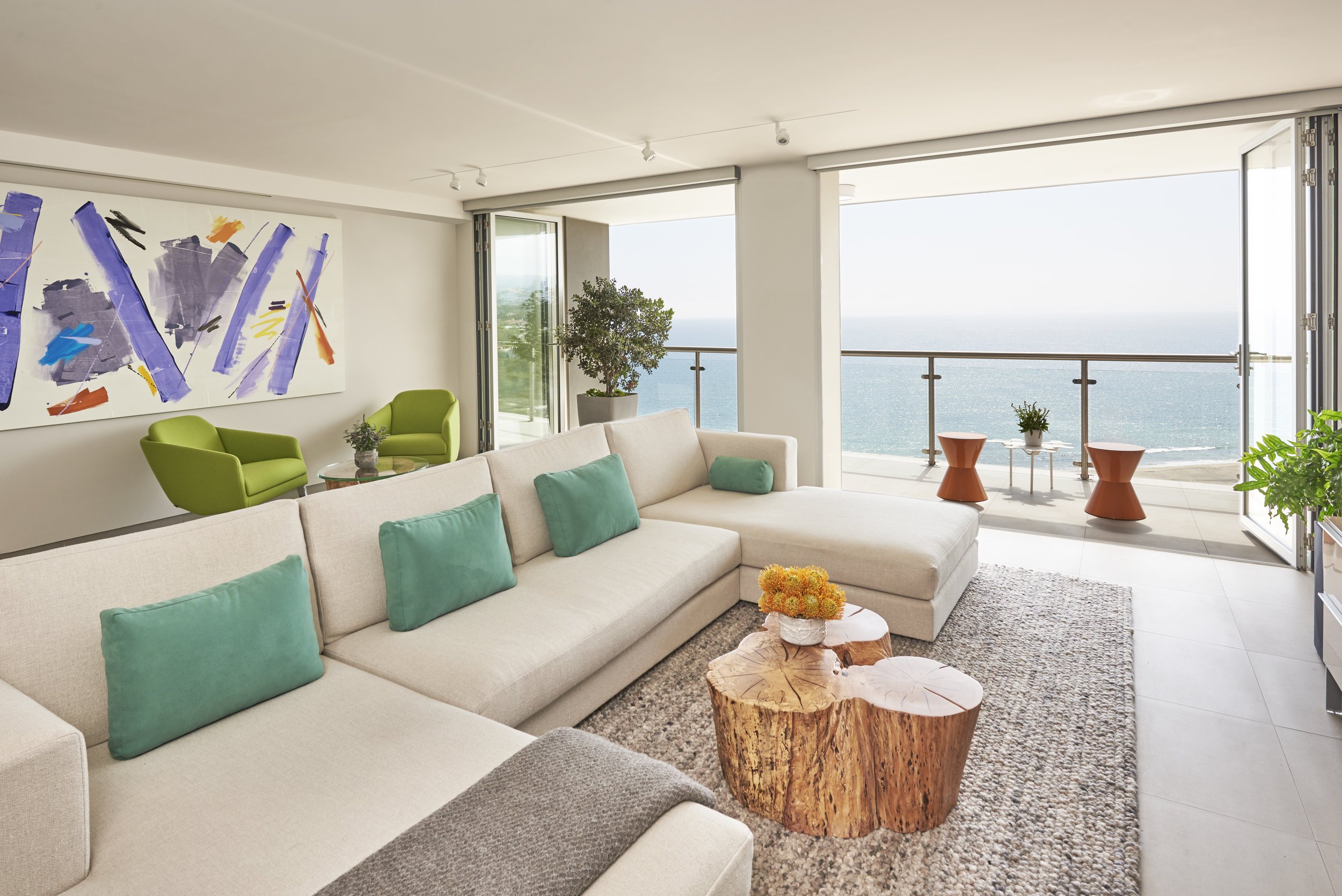
For the owners of an oceanfront penthouse, Barnard customized not only the furnishings, but all of the materials and finishes. “In this home, everything is healthy, natural and unadulterated,” notes Barnard. “We used natural waxes instead of stains and sealers, natural latex foams, organic cotton batting, and organic wool batting that was spun from sheep that are only shorn in summer.”




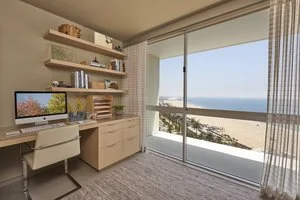


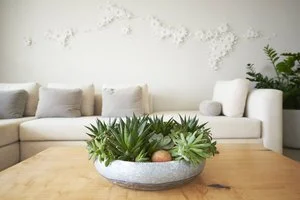
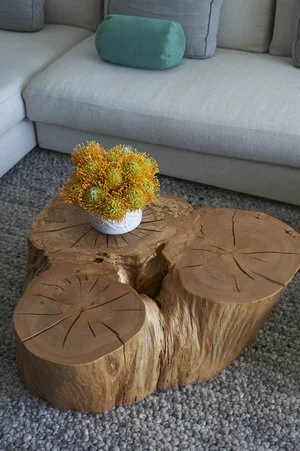
The clients selected the colors of the natural fibers artist Renae Barnard used to create a hand-woven sculpture for their home office. Crafted from wire, sash cord, cotton clothesline, wool, yarn, fleece and linen, it’s a truly one-of-a-kind piece that doesn’t compromise the chemical-free integrity of the home. “It’s very much of them, for them,” says Barnard.
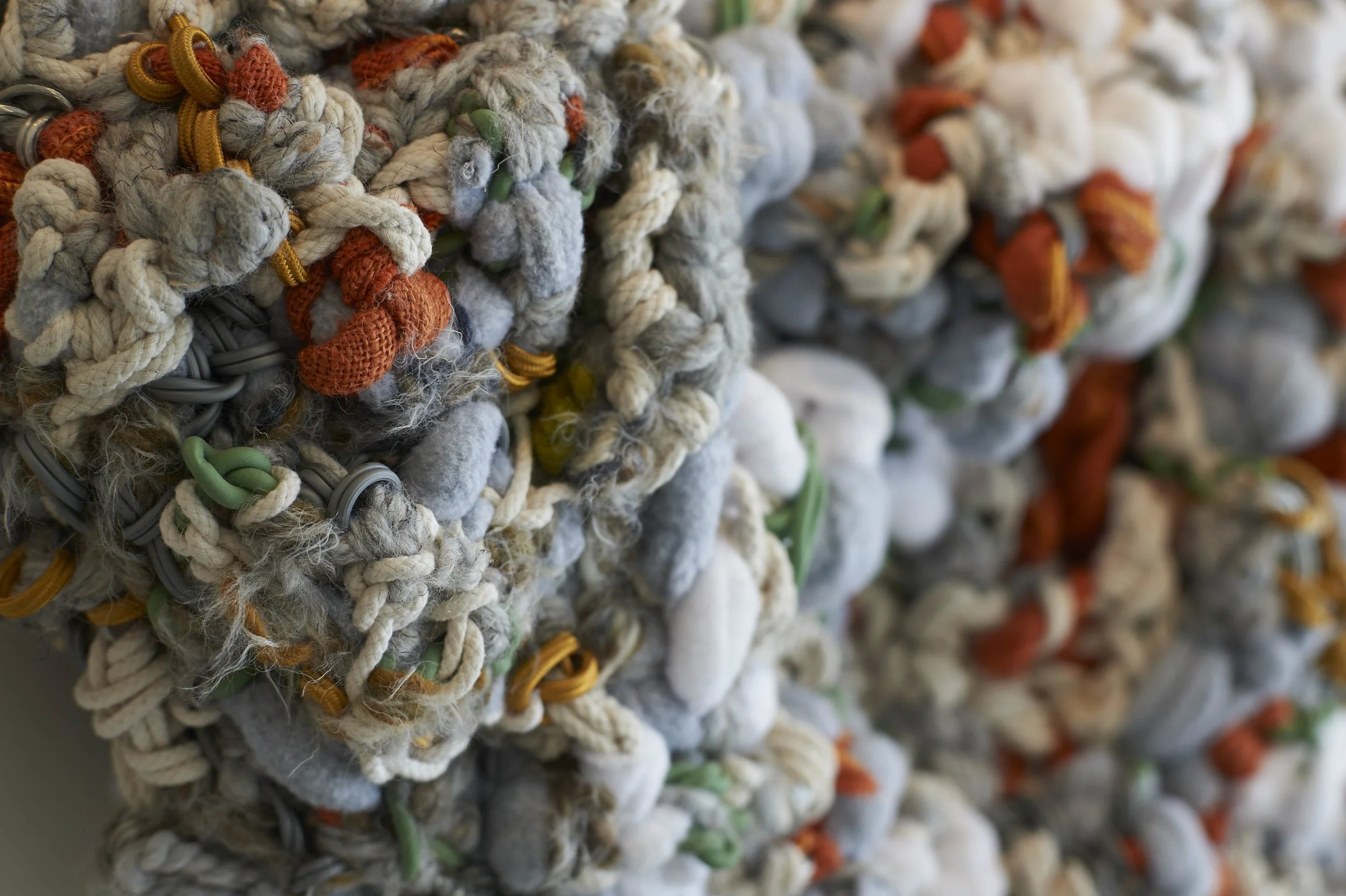
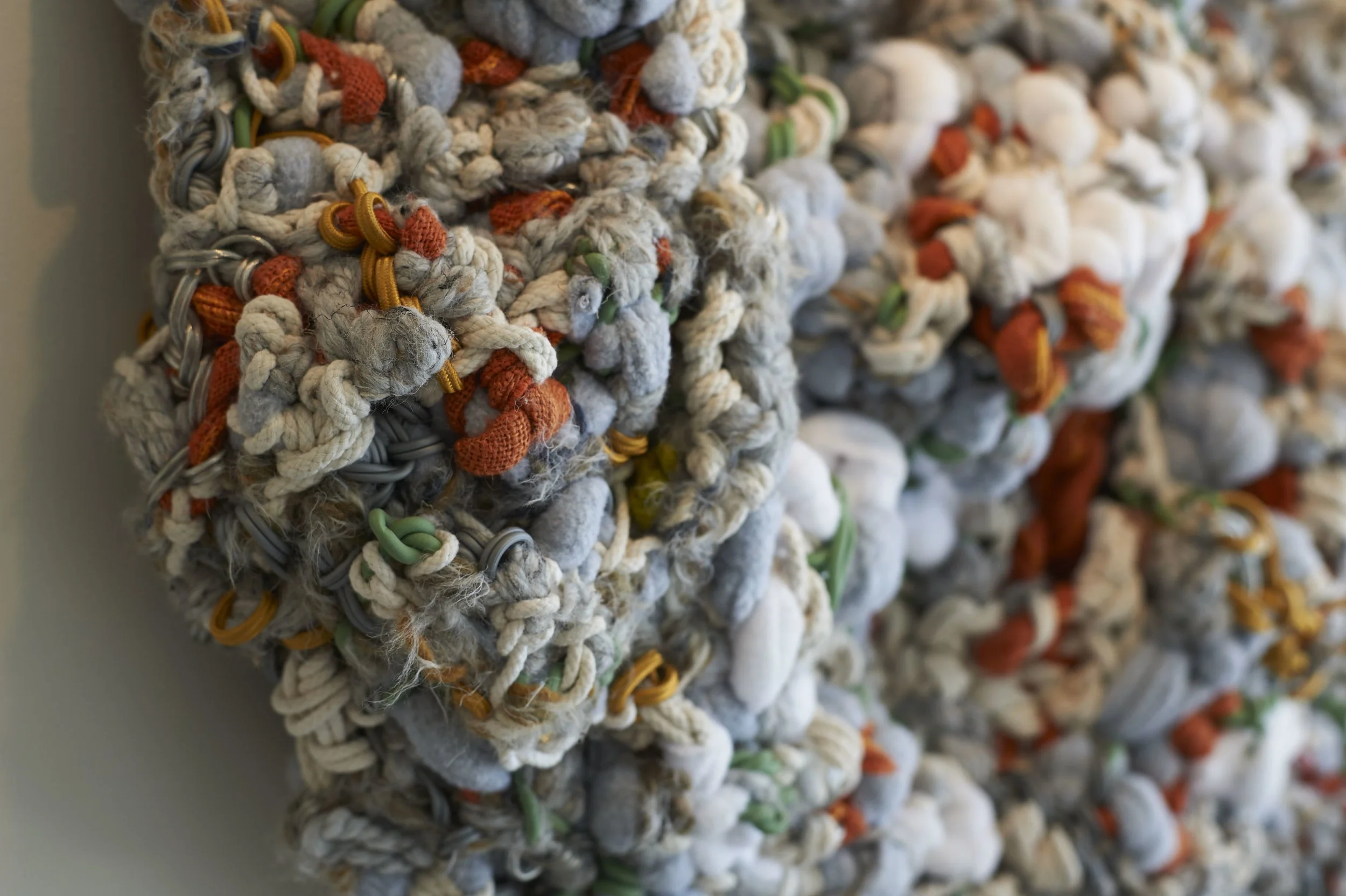
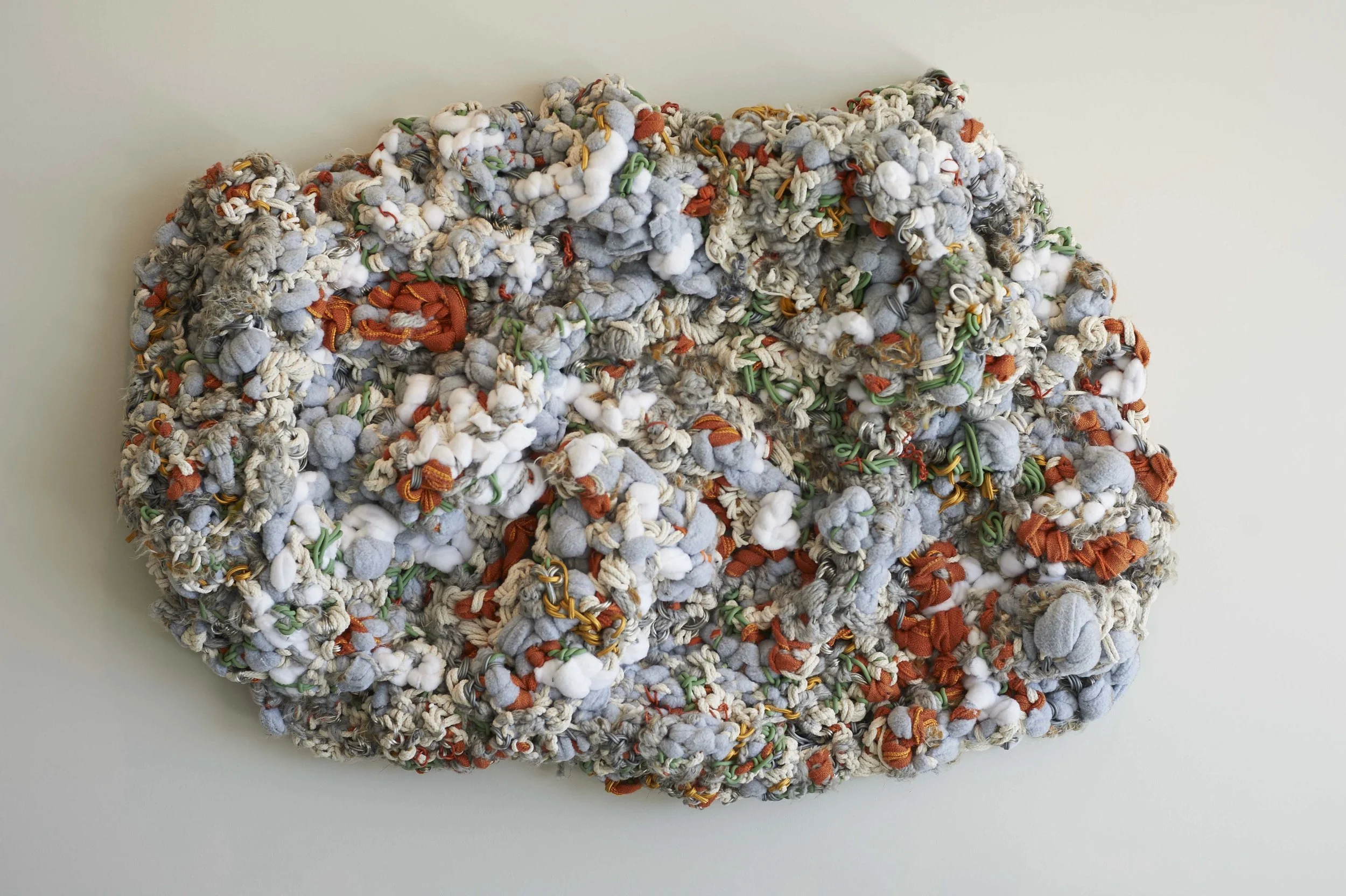
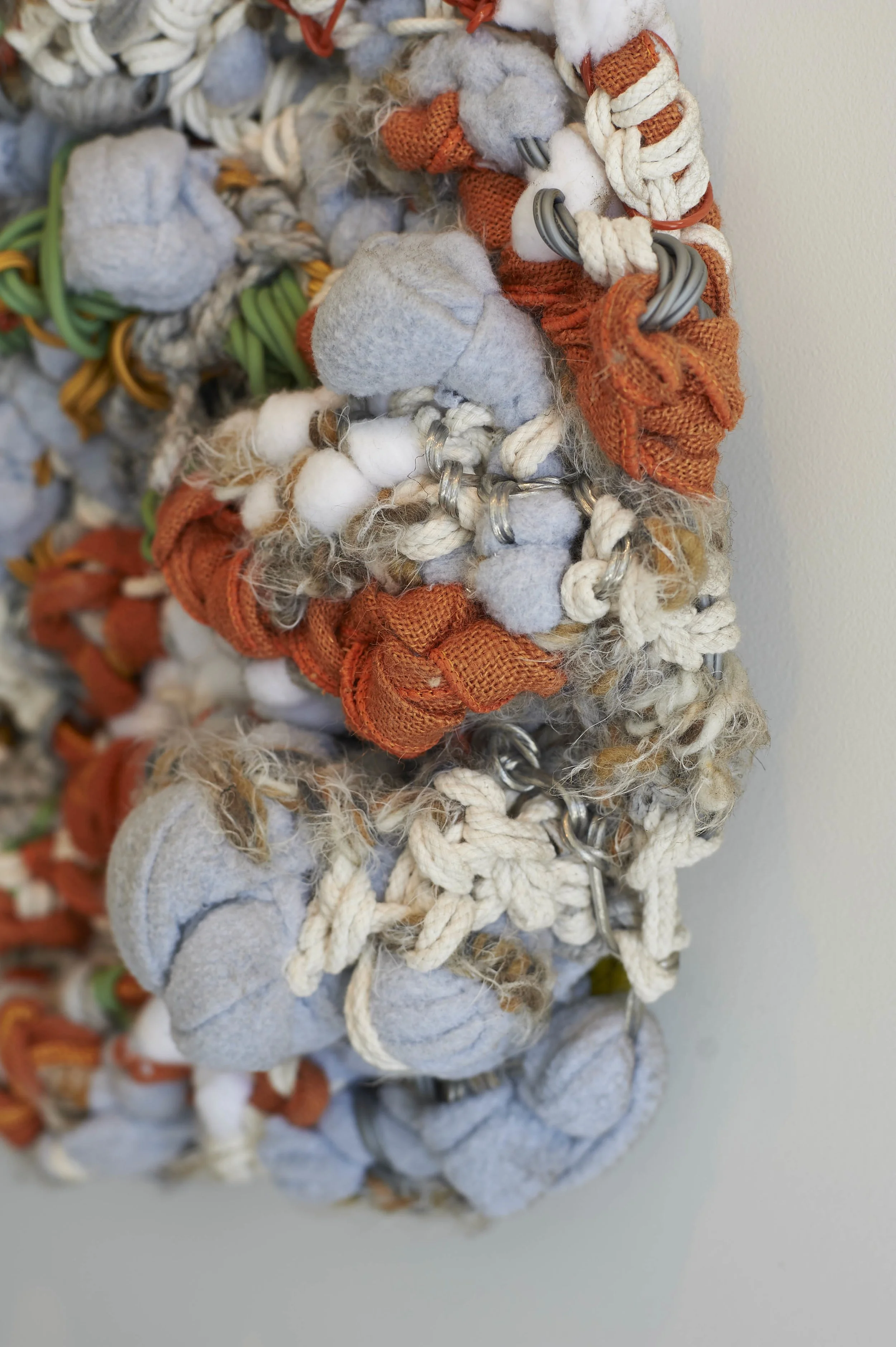
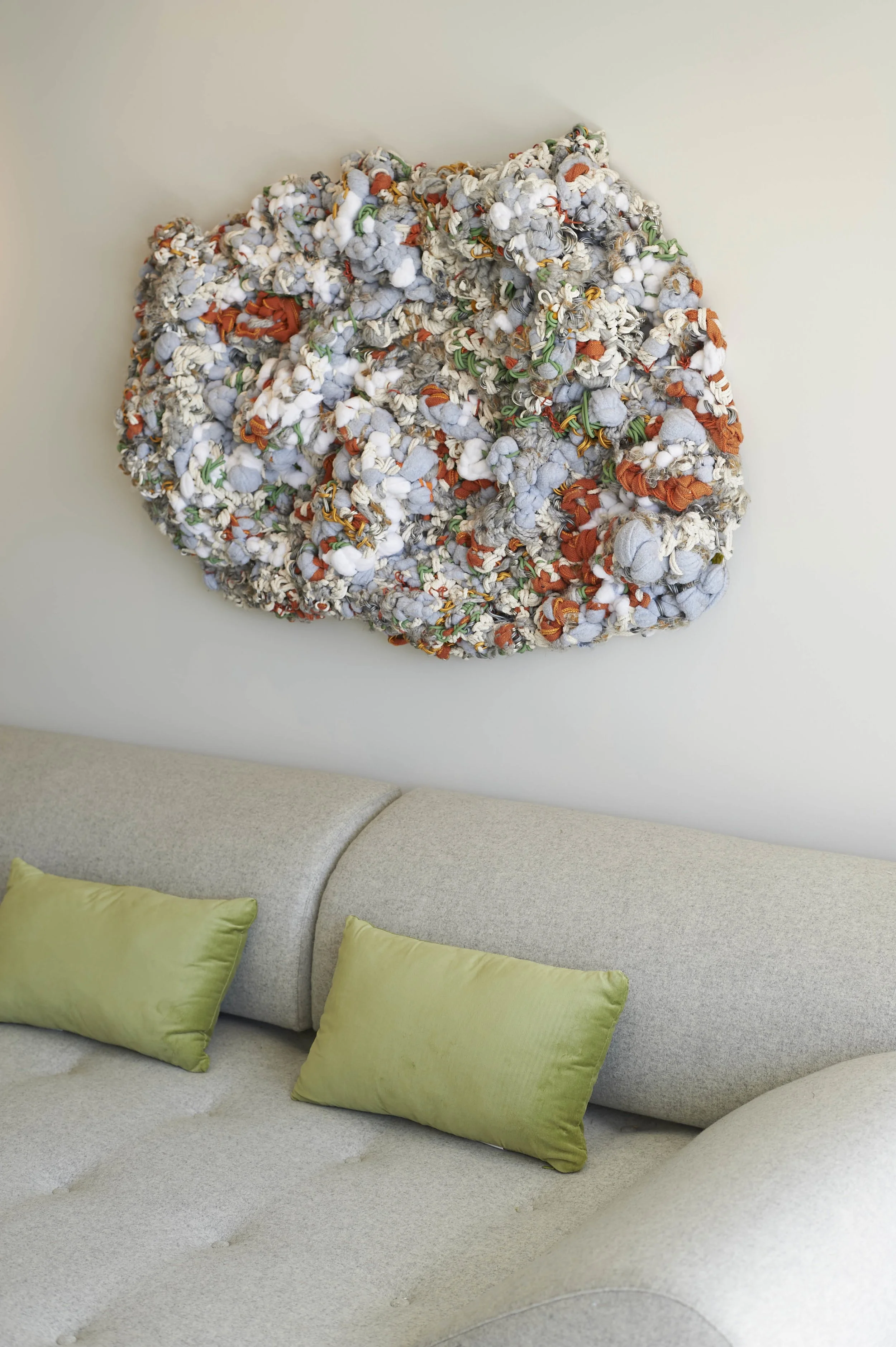
Art, in particular, contributes to our overall sense of well-being. “It stimulates your mind in the same way as the natural world,” adds Barnard. One study from the University of London found that viewing art produces the same effect in the brain as falling in love, causing a rush of dopamine, a.k.a. the “feel-good hormone.” Another from Drexel University revealed that making and viewing art can lower cortisol levels, the hormone linked to the body's stress response. “When we can provide views of nature, that’s the first choice. But in any instance where we have a blank wall and not a window, then the next best thing to have is art. It makes us happier,” explains Barnard.


Wellness is often touted as a trend by lifestyle magazines and social media influencers, but for Barnard, it’s the ethos of her interior design practice. “Our clients know better and they choose healthy,” she says. Organic textiles, sustainable materials, non-toxic finishes, inspiring artwork, bespoke furniture made by local craftspeople — all of these elements support our mental and physical well-being. And designers with robust knowledge of healthy home design have the power to change lives for the better.
Sarah Barnard, WELL AP + LEED AP designs healthy, happy, personalized spaces that are deeply connected to nature and art. The ideas most essential to her practice and design process are wellness, historic preservation, and the infinite ways in which design can enhance life.
Barnard has been featured in publications internationally and was named a “Ones to Watch Scholar” by the American Society of Interior Designers. In 2018 Locale Magazine named Barnard “Los Angeles’ Favorite Interior Designer”. Barnard holds a Master of Fine Arts degree from Claremont Graduate University as well as undergraduate degrees in Art and Interior Architectural Design.
For more information about Sarah Barnard visit www.sarahbarnard.com