
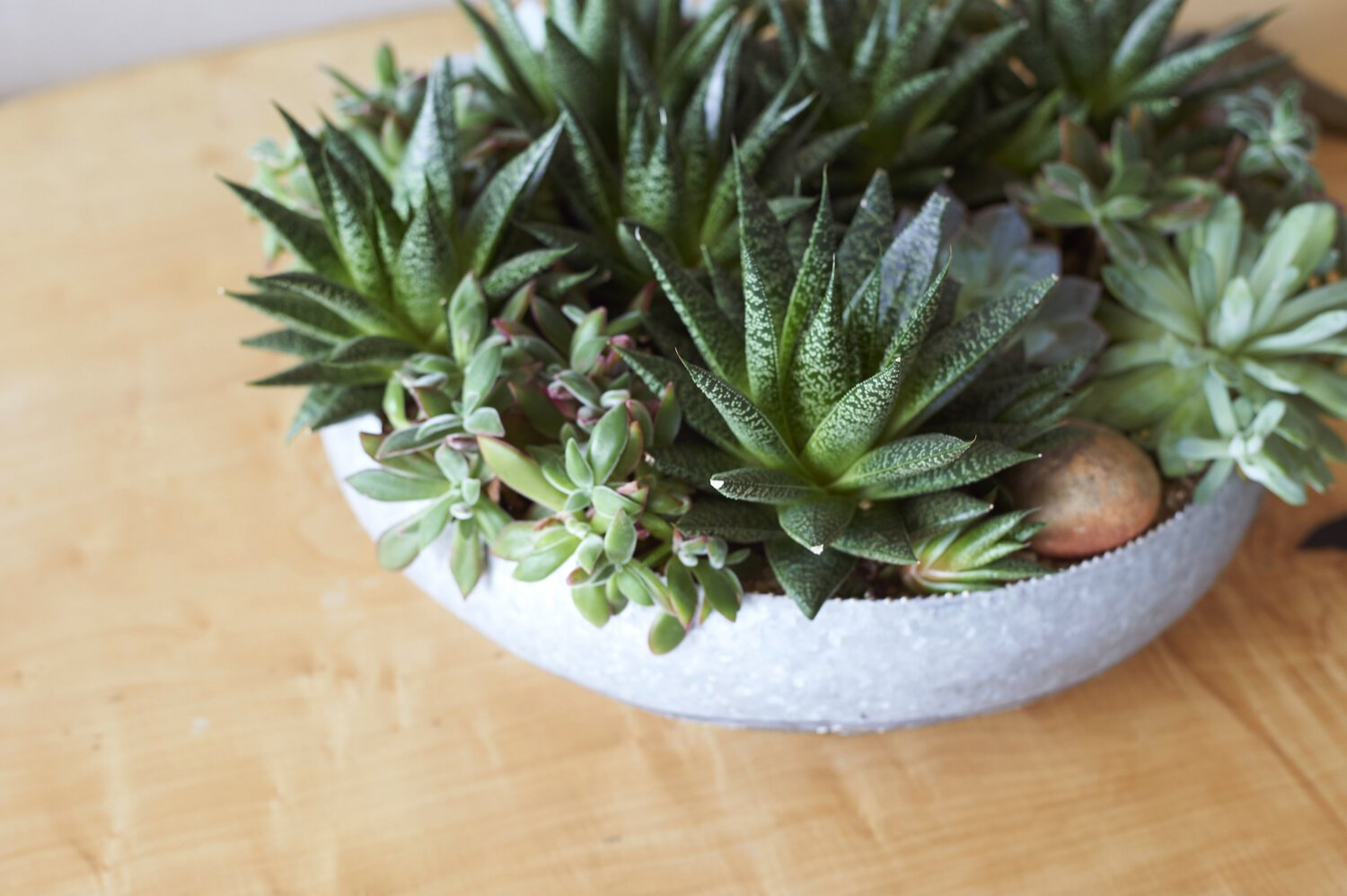

Deeply Personal Design Process

Our homes are incredibly personal and intimate; they reflect our personalities, relationships, passions, and goals. Inviting an interior designer into our home spaces and lifestyles can feel like a big step, but having someone to help navigate the many facets of our homes and realize them into a design concept can be a rewarding and fulfilling process. Many of us may have strong preferences or see images, colors, or designs that can cause a feeling of joy. What can be challenging is finding ways to integrate aesthetic leanings into our daily functional needs. Personalized design can create flexibility through customization and specificity, offering space for our design dreams to be applied to a home that can physically and emotionally serve us.
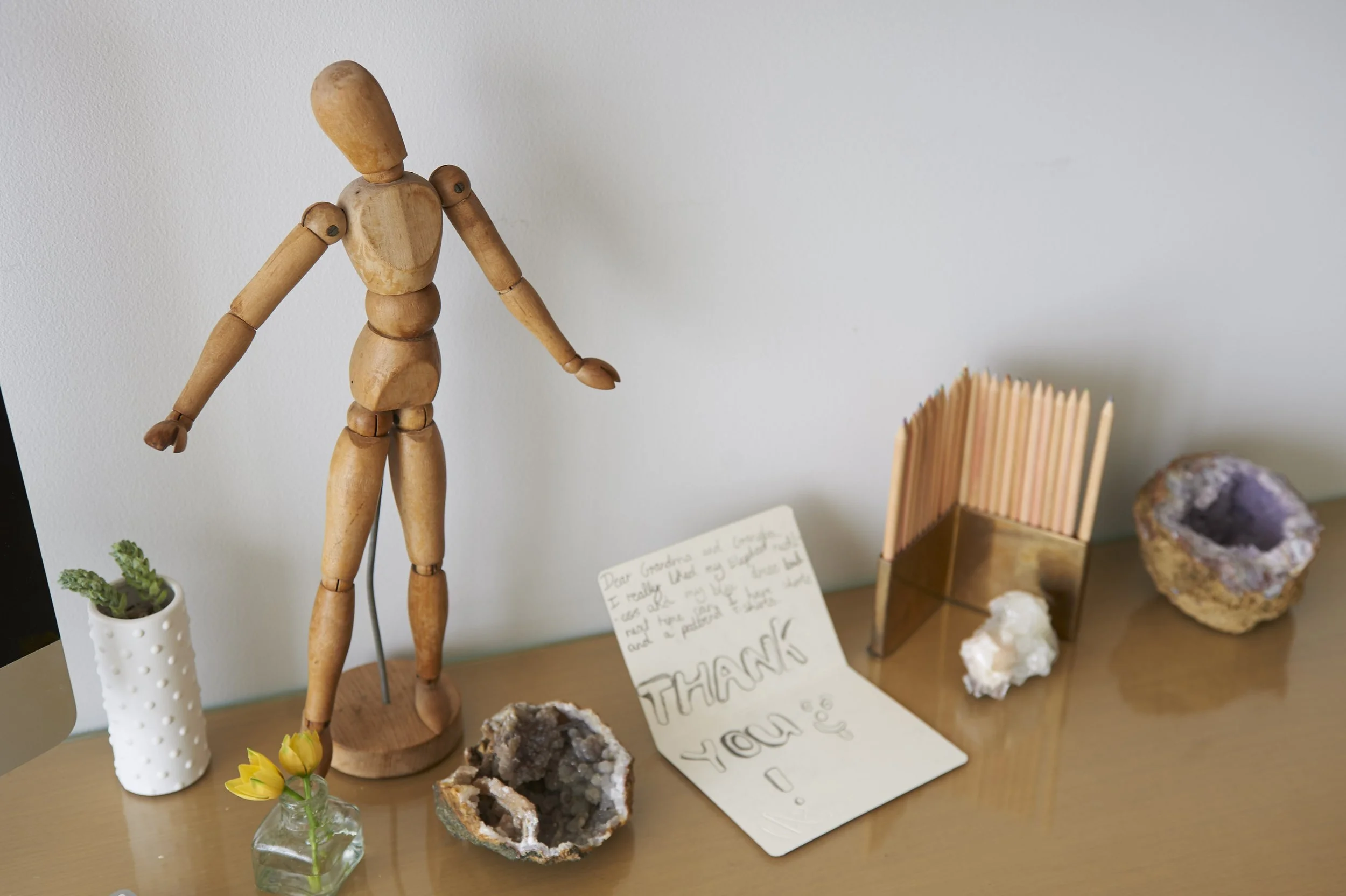
One of the foundations of a functionally supportive space is ergonomics. While ergonomics is often considered for workspaces, it's important throughout all living areas, impacting our comfort, energy levels, and interactions with our home. Some ways we can integrate ergonomic design into our home include custom furniture and counter heights that can encourage better posture and physical ease on joints. Arranging televisions and screens to avoid glare so we can watch entertainment unobscured and comfortably. Sensory elements such as soft close doors and cabinets can reduce abrasive noises throughout the home, contributing to a calm, serene, and mindful environment. And devising layouts that encourage movement or an organic flow of foot traffic can help to reduce mental and physical stress throughout the day.
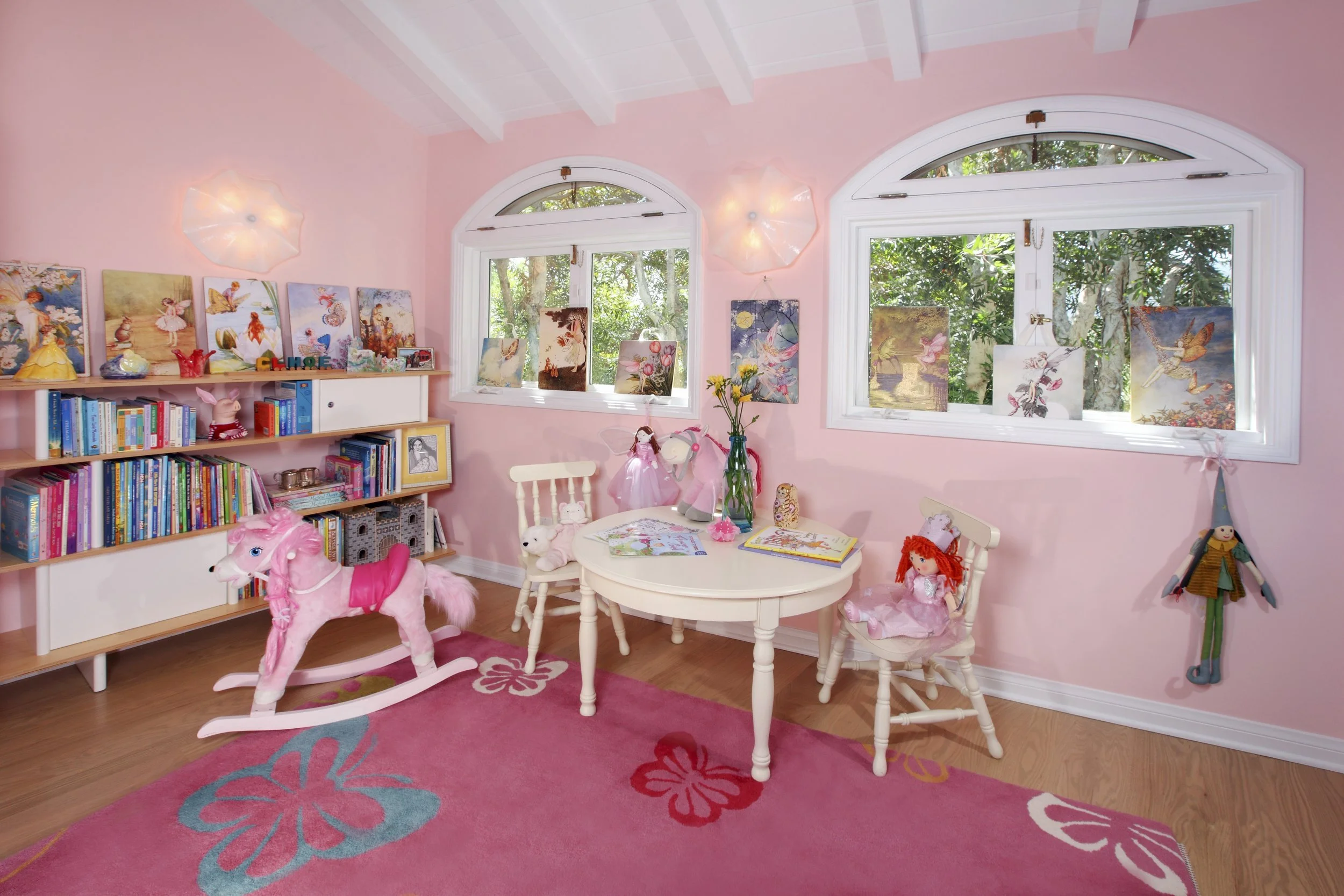
Design is always a collaborative process, particularly in shared home spaces where multiple desires, needs, and personalities must be considered and supported under the same roof. Our homes can be custom-designed to support the specific needs of our family. For families with young children, designing a space for play and custom storage options for toys can promote tidiness, order, and quiet throughout the home. Carpeting and furnishings made from robust materials that can be spot-cleaned are ideal to resist day-to-day wear and tear. Custom kitchens can be designed for large families to contain additional cold food storage concealed neatly within specialized cabinetry.

Sensory details play an essential role when designing custom spaces for neurodivergent children. In past projects designed for children with hypersensitivity, window treatments were a successful way in which we could help diffuse and regulate both light and environmental noise to encourage a feeling of calm within the home. Past projects designed for hypo-sensitive children were very different spaces; here, we created an engaging and stimulating environment featuring bright colors and soft custom climbing areas designed to encourage play.
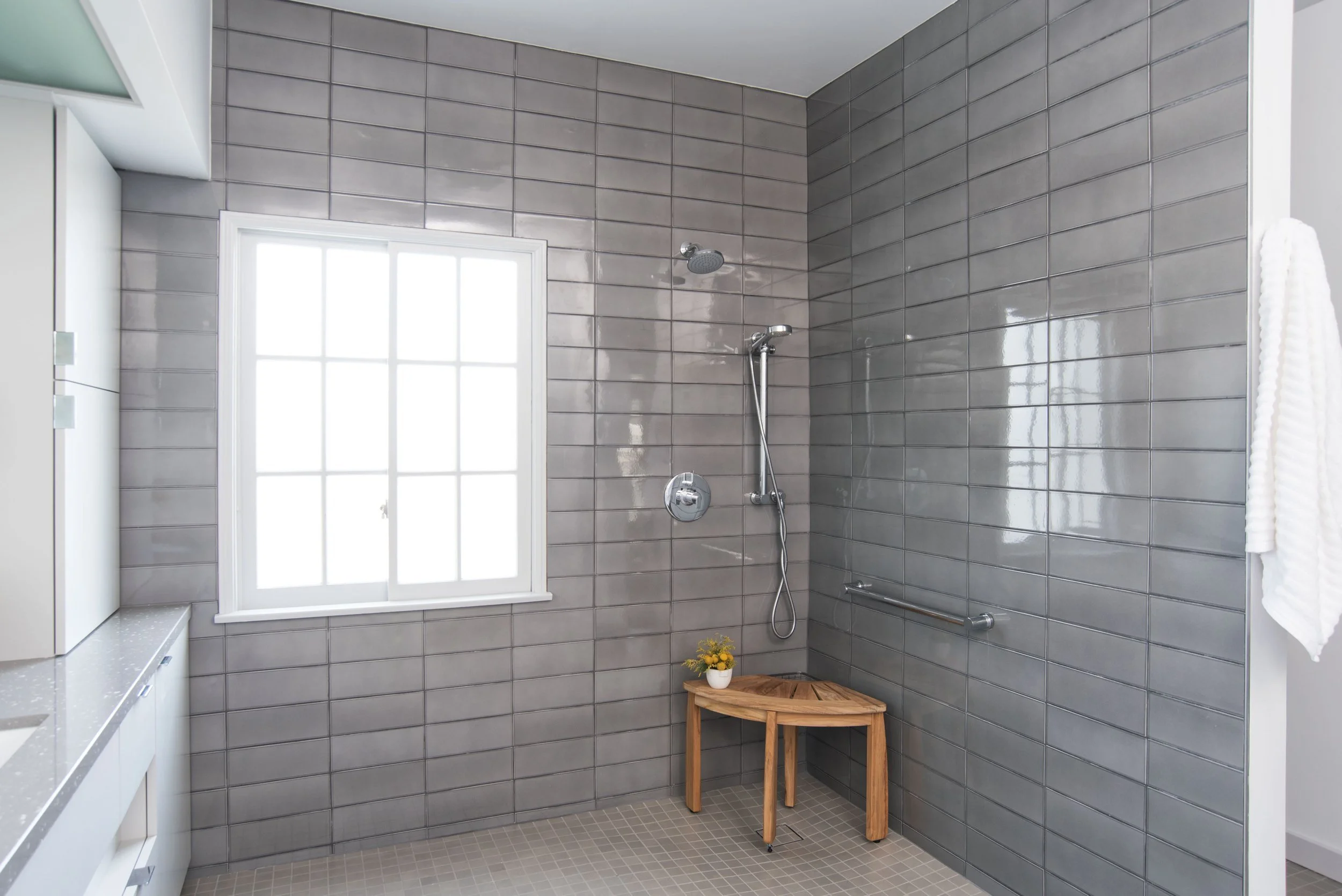
Our home can also be customized to support caring for an elderly loved one. Bespoke furniture can be ergonomically designed to lessen stress on the body and support ease of movement in day-to-day living. Smart lighting options that can be remotely controlled and bathroom modifications such as grab bars, lever or touchless motion-activated faucets, and custom counter heights can also help facilitate independence and wellness.

Trauma-informed design can help create healing, restorative spaces that support recovery from trauma and post-traumatic stress. With trauma-informed design, the process is intended to create a safe and inclusive environment where we can feel comfortable honestly expressing our design needs. Individual sensory needs are incorporated with our aesthetic tastes through design elements such as color, texture, and other sensory elements, incorporating biophilic design to create mindful spaces where we can relax and regenerate.

Pets are another member of the family to consider when designing our home, and pet-friendly fabrics can be a great way to incorporate their accessories. Consider a custom pet bed made from a favorite washable fabric or reupholstering furniture that could use a bit of a freshen-up. Sturdy materials that can be spot-cleaned, such as recycled fibers, are also an excellent option for rugs and carpeting in a pet-friendly home.

Hybrid work and working from home have become commonplace, increasing the need for dedicated spaces that create a boundary between work and everyday life. Some considerations for these spaces include noise reduction or soundproofing for virtual meetings and focus, ergonomic furniture, adequate lighting, color choice, and biophilic design, all of which can contribute to creating a mindful workspace.
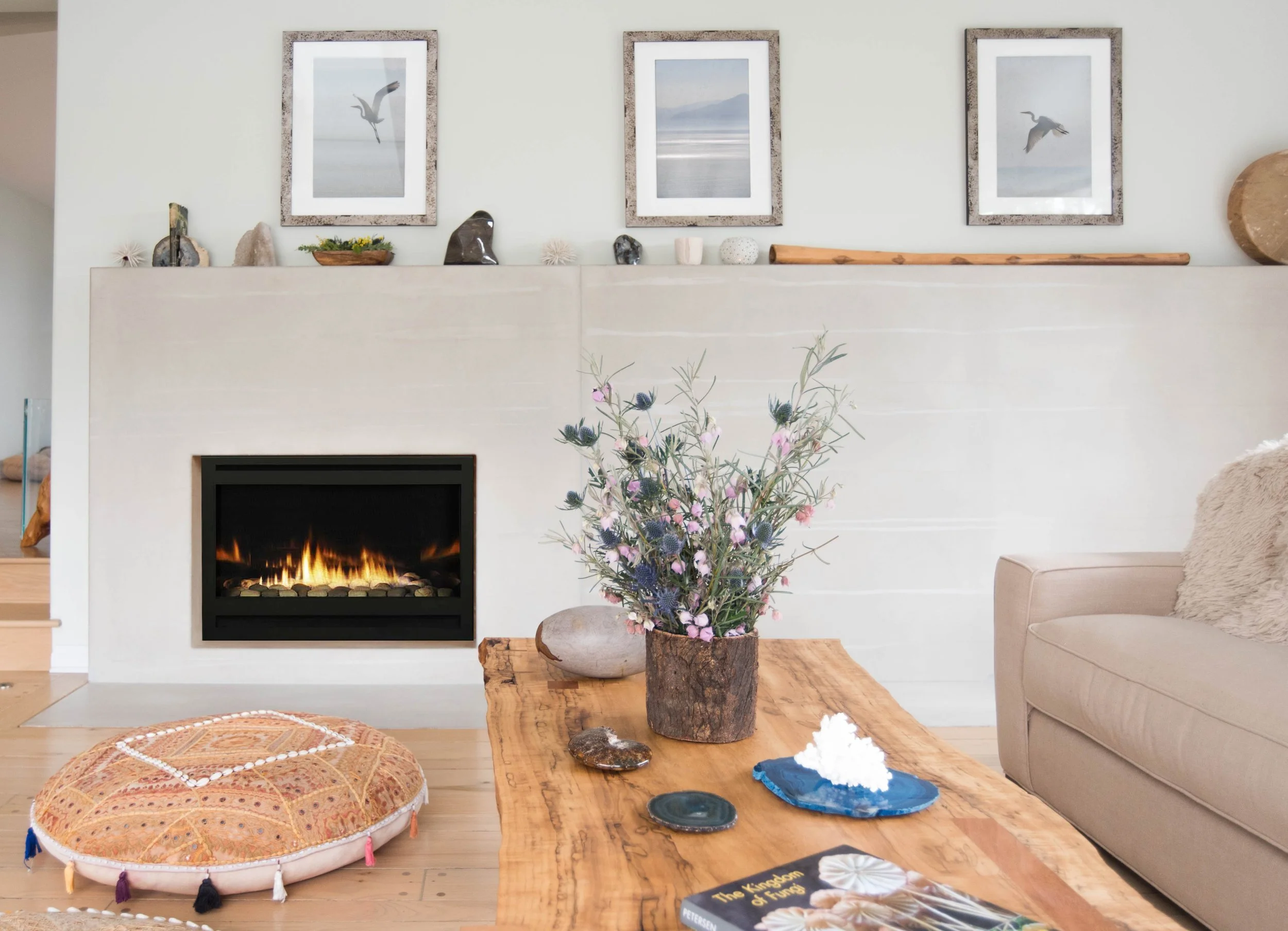
When we consider our home spaces as reflections of ourselves, interior design can integrate aspects of our personalities, personal histories, ethics, and values. These considerations may include sustainable or vegan design or a home that reflects our desires for socialization or privacy. They may also include home spaces that reflect cultural histories or find ways to integrate important memories or personal milestones.

A holistic approach to vegan design moves beyond simply excluding materials made from animal products, creating a home that reflects a mindful connection and awareness of our place within the planet's broader ecosystem. Eco-friendly, ethically sourced materials such as bamboo silk or textiles and wallpapers made from cruelty-free plant-derived materials are free from animal products, can have low or no VOCs, and are environmentally conscious in their manufacturing. Re-wilding our yards with drought-tolerant indigenous plants is a great way to nurture and support our home's natural ecosystem by creating an environment that attracts and sustains local wildlife and pollinators. Biophilic design is a great way to enjoy the serenity of this natural environment within our homes. Incorporating materials and patterns that reference natural imagery can encourage mindful connectivity between ourselves and our surrounding natural environment. Also, incorporating technology that works with our local ecosystems, such as rainwater storage, greywater systems, and solar panels, is a small contribution that has the potential to make a positive environmental impact collectively while creating self-reliance at home.

Our home can also be designed to incorporate objects and collections that are important to us or reflect our cultural identity. Including these objects in a beautiful, functional, healthy home creates a self-portrait that reflects our uniqueness. Being surrounded by objects that contain cultural significance, happy memories and bring us joy has the potential to make a restorative, joyful space where we can authentically be ourselves.

Unique, one-of-a-kind home attributes can also be a valuable way to turn our home spaces into havens of joy and comfort. For those who find serenity in botanical spaces, a custom glass greenhouse that doubles as a wellness space can become a favorite retreat that adds a sense of wonder to the home. Having an indulgent space for privacy, like a personal dressing room, screening room, or in-home spa, can feel like a personal oasis.

A dedicated wellness space, such as a yoga or meditation room, encourages a daily practice of mindfulness and self-care that can benefit mental and emotional health. Sensory details such as color, texture, lighting, and noise can influence a room's emotional effect and comfort. Color has the ability to energize or soothe us; a cool neutral palette, such as soft earth tones, can contribute to a feeling of calm. Adjustable lighting, lamps, and automated shades can regulate light levels within a space. Soft-closing doors and drawers, high-pile carpeting, and rugs can be utilized to minimize environmental noise and help create a calm and quiet space. Custom storage solutions can also be used to declutter a space and create calm.
Having areas slightly separated from the home can also create room for a design departure, adding to the feeling of variety. Many may be interested in creating opportunities for connection in their home, with spaces for education or gathering. Rooms for meditation or sound baths with friends and neighbors or music and creative spaces designed to share with close friends and loved ones can help create feelings of connection for those who enjoy their homes as social spaces for gathering.

Slow design is a deeply personal design process that allows us to slow down, truly consider, and discover how our home can support us in living our best and most joyous lives. A holistic approach to interior design, slow design takes time to create a layered and highly personalized home design that considers how our home can support our day-to-day needs, creating a space where we can thrive.

Creating a home that profoundly reflects ourselves can be an enriching and fulfilling experience. Custom-made objects and designs for our home can be sourced from quality, eco-conscious materials intended for lifetime use. These highly personalized one-of-a-kind objects exude luxury through their superior quality; slow design fosters connectivity with the materials and craftsmanship of these heirloom objects and our home. Slow design is often better for the environment as materials can be ethically sourced, and objects that are made with intentionality can incorporate waste reduction into the process. Building relationships with local skilled artisans and craftspersons also creates positive connections and support within our local community.

Slow design also utilizes 3D rendering to help visualize how the home design will look and feel. While renderings take time to develop, they help alleviate stress or indecision when considering multiple options or directions for the design.

A holistic approach to designing personalized spaces can help create home interiors that feel like an extension of self, a space that promotes personal growth and fulfillment. Exploring opportunities to make home changes or incorporate customization can expand our ideas around restorative spaces to create a home environment that enriches our daily lives and brings us joy. Embracing personalized home space can offer room for exploration and peace, where we can celebrate ourselves, our loved ones, and our environments.
Sarah Barnard, WELL AP + LEED AP, is a leading designer of personalized, sustainable spaces that support mental, physical, and emotional wellbeing. She creates highly personalized, restorative spaces that are deeply connected to art and the preservation of the environment. An advocate for consciousness, inclusivity, and compassion in the creative process, Sarah has appeared in Architectural Digest, Elle Décor, Vogue, HGTV, and many other publications. Sarah was honored as a “Ones to Watch” Scholar by the American Society of Interior Designers (ASID).

Starting Slow: The Benefits of Mindful Design
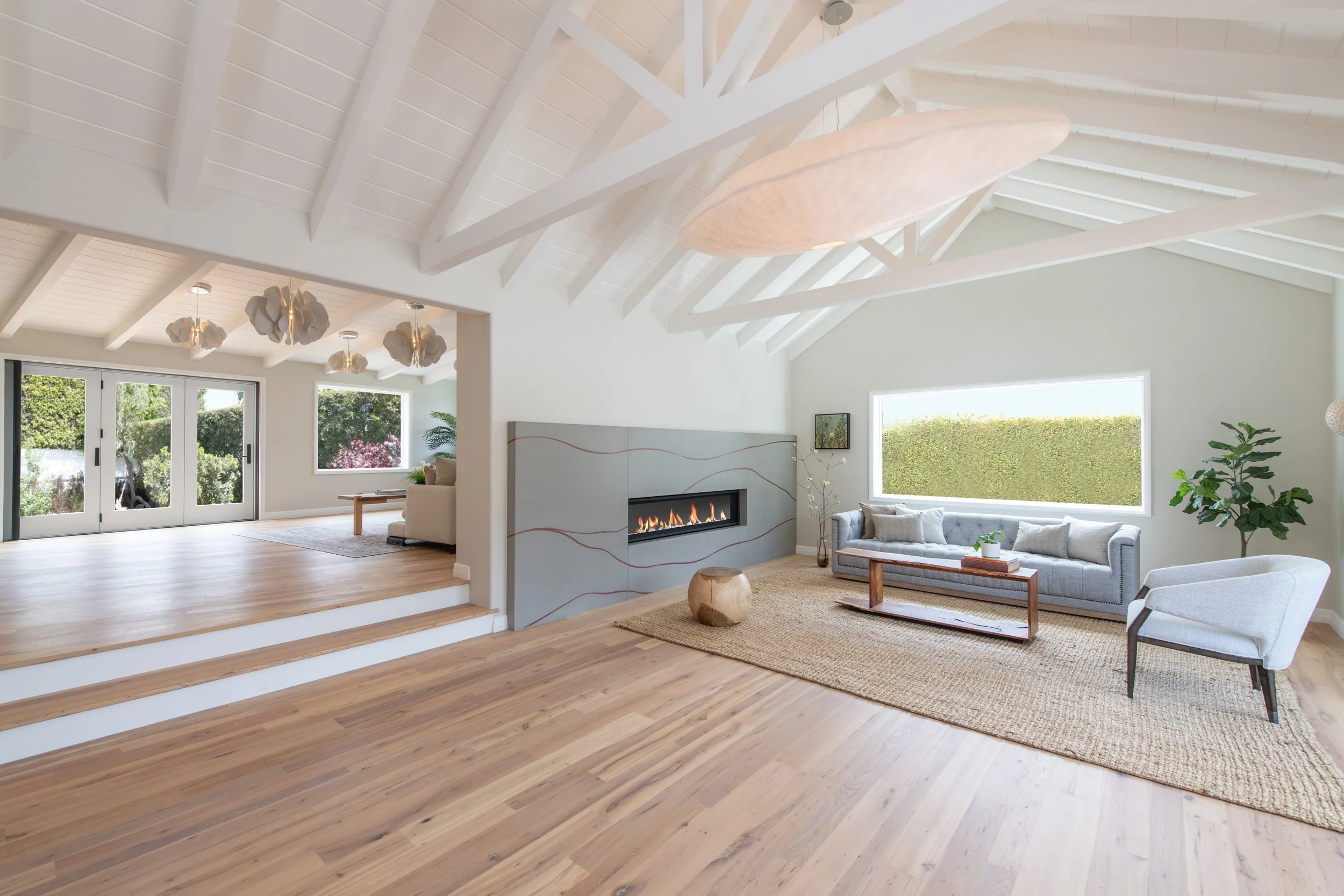
An exceptional bottle of wine, a decadent meal lovingly prepared from local organic goods, a beloved heirloom quilt, or an expertly crafted handbag can bring a sense of wonder, pleasure, and appreciation into our lives. These items feel special because of the joy and beauty they provide and the skill, expertise, and time devoted to creating an exceptional experience or product. Care and quality are often accompanied by time, which can contribute to the rarity, meaning, and preciousness of an item or experience. Artisan products generally include more thoughtful processes, from sourcing high-quality goods and materials to engaging skilled craftspeople. This considerate approach leads to finer results and often to more ethical production practices.
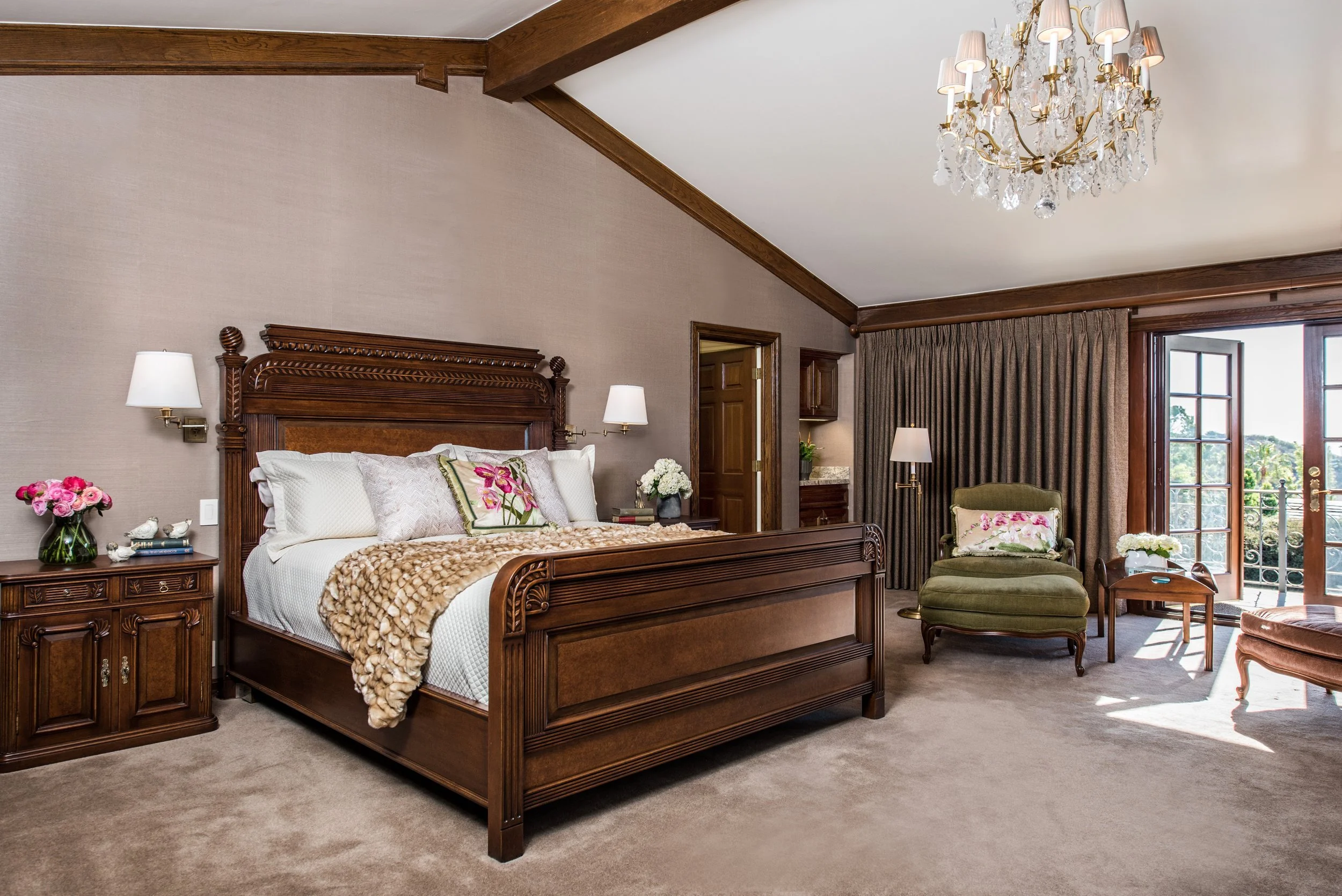
In recent years, many of us have sought responsible options in response to our concerns about environmental, labor, and production impacts, seeking products and services that align with our personal ethos. The increasing demand for more thoughtful production and consumption led to the slow movement's popularity. Best known through the slow fashion movement, the "slow" approach intends to offer an alternative to fast production through a more thoughtful, beneficial, and considered approach, prioritizing ethical creation, consumption, and cradle-to-cradle technologies. The slow approach has also been popularized through the slow food movement, where similarly, all stages of the item's life cycle are considered, from the initial production steps to its use and the impact of any material remnants. This approach is often better for the environment, using processes that consider waste reduction and long-term consequences, and contributes to healthier lifestyles for those involved.
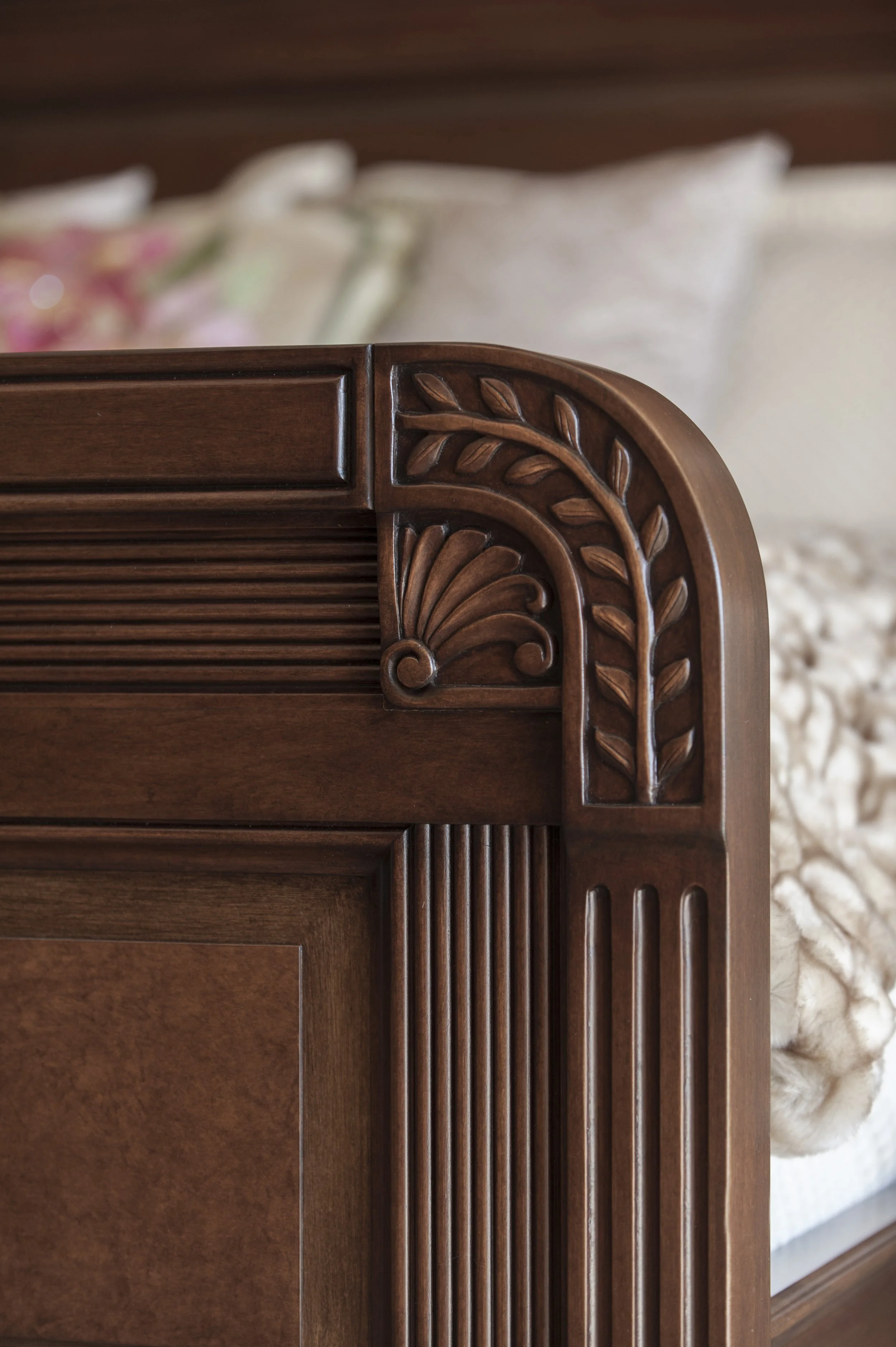
Slow interior design embraces a similar approach, applied to all stages of the design process. Sharing concerns around long-term sustainability and in an effort to make a positive impact both culturally and environmentally, slow interior design takes a more considered practice to the thoughtful planning of the home and the sourcing of materials. The immense benefits from slow design come from its holistic approach, through a slowly layered design process that focuses on long-term happiness over instant, but perhaps temporary gratification.

Recognizing the joy our home objects bring us, slow design offers the opportunity to dress our homes with cherished pieces that recognize and integrate the process of creation into the design. For something like a beloved wooden dining room table that may serve as the hearth of the home, considering the time behind the growth and care for the trees, their thoughtful harvesting, and the craftsmanship behind building the table can impart a sense of gratitude, connectivity, and beauty to the daily dining experience. Slow design encourages production that celebrates and respects the entirety of the creation process by ensuring the material's longevity in the new context, in part by creating pieces intended for a lifetime of love. Planning for long-term use may require thoughtful sourcing of natural materials, enlisting a craftsperson with the skills to craft bespoke furnishings, and the necessary time and consideration to finalize a design that will withstand shifting preferences and needs.

Slow interior design is a trusted recipe for creating an heirloom home, slowly and thoughtfully crafted with mindful intent and enduring materials. The investment in time and well-crafted and considered materials offers the benefits of increased personalization, superior quality, and the luxury of careful decision-making. Collaborating with artisans to develop one-of-a-kind pieces and allowing the home design to germinate organically can create space for the unique building of personal style, crafting a home that feels wholly individual and grows with the residents.

Many artists and craftspeople cherish their work and are knowledgeable about their wares, which can be valuable when items eventually need repairing or updating. Because of the intimacy of working with artisans, many will be willing to adapt furnishings to match changing needs, saving the items from needing replacing while still navigating shifts in preferences. Over time, working with a craftsperson may provide insights into our tastes and style, allowing them to make suggestions or develop ideas tailored to us and our homes.

Our homes can be an excellent reflection of ourselves, and treating them as works of art crafted with intentionality can be deeply personally fulfilling. An unhurried design approach expands opportunities for change and adaptation to daydream about the use of spaces or the look of an item and long-term goals for the home. Taking a thoughtful and deliberate path can build a sense of self, place, and a nurturing home environment, especially for those who may feel less decisive about their home goals. Taking time to craft our interiors also offers opportunities to envision the space and, in some cases, begin to experience them and adjust as needed.

During the design process, artists can create 3D renderings to help realize possible directions for the space and help visualize how they may feel. If mulling over multiple options, seeing the rooms in renderings may help imagine the lived possibilities more vibrantly before committing to construction. While renderings take time to develop, they will ideally lead to contentment around decisions while helping eliminate the "what if feeling" about alternative design paths.

Designing with consideration towards all past, present, and future stages of materials and home can provide a holistic method of interior design, creating spaces that radiate with care and are deliberate reflections of self. Slow design embraces home as who we are, emphasizing spaces exquisitely crafted through a thoughtful and considered process for the betterment of our loved ones, our community, and the environment.
The slow design movement offers a pragmatic, joyful, and ethical approach, reflecting a shifting sentiment toward long-term happiness and collective wellbeing.
Sarah Barnard, WELL AP + LEED AP, is a leading designer of personalized, sustainable spaces that support mental, physical, and emotional wellbeing. An advocate for consciousness, inclusivity, and compassion in the creative process, Sarah’s work has been recognized by Architectural Digest, Elle Décor, Vogue, HGTV, and many other publications. Sarah was recognized as a “Ones to Watch” Scholar by the American Society of Interior Designers (ASID).