

Beyond Order: Restorative Storage in Modern Design

A common philosophy of storage and organization starts with a period of purging, usually involving a rigid keep, donate, or trash approach. However, this process does not always acknowledge the emotional value of our possessions or fully consider how someone wants to live and feel in their home from a psychological standpoint.
“A common approach to organization often prioritizes elimination, yet it frequently fails to acknowledge the profound emotional resonance of the objects we choose to surround ourselves with,” says Sarah Barnard, WELL and LEED accredited interior designer. “Restorative design is not about what we can discard, but about how we can curate an environment that supports our emotional well-being and reflects our true intentions for how we wish to inhabit a space.”
Many homeowners need a more nuanced strategy that allows for emotion, uncertainty, and changing capacities. The traditional sorting pile is a helpful visual tool, but the criteria for what remains should be personal and reflect one's own history. It is essential to recognize how objects hold meaning, serving as cherished mementos, touchstones, or evolving pieces of a larger collection. If the home is a safe space for free expression, much-loved items play a vital role in self-expression and daily joy.

The Psychology of Curation
Organizing still benefits from a structured process, but the mindset should be rooted in the positive. “Sorting should be approached as an act of self-care rather than a chore of elimination,” Barnard notes. “Instead of asking what we can live without, we should ask how we want our home to support our mood and the daily rituals that bring us comfort.”
By using a feelings-first guide, homeowners can look beyond strict utility. While function is a common starting point, the emotional goal of a room is just as significant. An object might be functional and valued for its usability, or valued simply because it is beautiful. In high-end design, beauty is often a primary function, contributing to calm and visual delight. For many, collecting and curating is the source of joy itself. In these cases, the process is about honoring the collection rather than reducing it.
Managing Sentimental Thresholds
Sentimental items often need a different timeline. A memory box preserves items linked to a person, place, or thing without requiring an immediate decision on their permanent place. This gives time to assess the sentimental reasons for keeping or sorting objects. Items that offer tactile comfort, such as favorite textiles or calming-colored objects, should be seen and kept as sensory anchors at home.
For objects that trigger uncertainty, a holding strategy can help. It can be hard to make quick decisions about inherited pieces or items with complex histories. Placing these in a designated area for review gives time and control. The key is to set a plan to revisit the collection. This ensures the holding area is a temporary pause, not a source of hidden stress.

Architectural Systems for Restorative Living
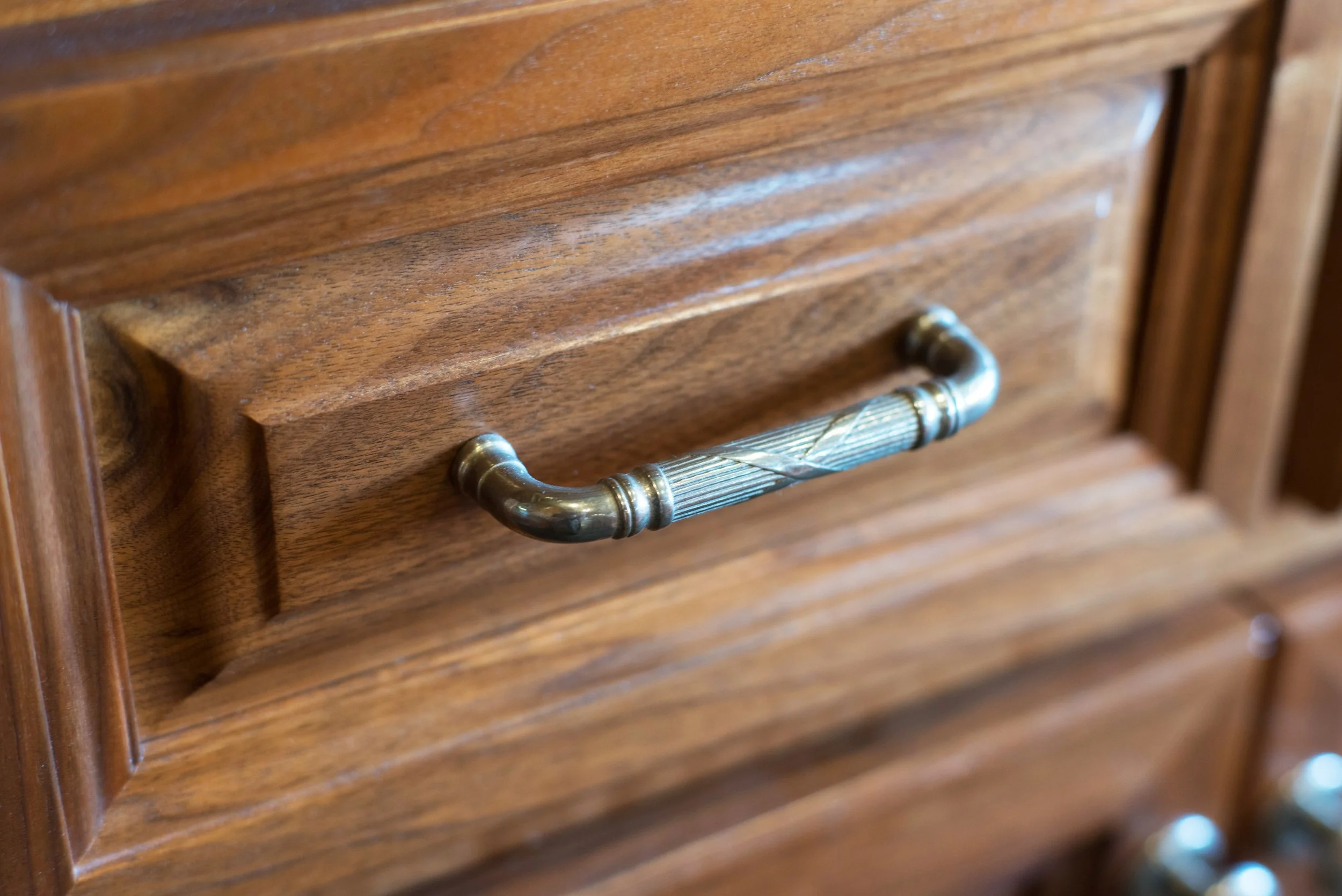
Once curation is complete, focus shifts to systems to encourage a seamless daily experience. A sophisticated home needs a balance of open and closed storage. Open shelving or rails provide access to frequently used items and serve as display platforms. To prevent visual overload, pair these with closed cabinetry or integrated millwork.
In a home office, this might manifest as an elegant display shelf for books and art, paired with concealed filing or cabinetry for administrative essentials. In the kitchen, high-touch tools may remain on a beautiful tray on the counter, while secondary appliances are tucked into specialized drawers. For items that carry deep meaning but lack a functional place in the current layout, digital preservation is a thoughtful alternative. Scanning precious items like children’s art or archival correspondence keeps the memories accessible while reclaiming physical space for new experiences.
Intentional Visibility and Ease
Achieving a balance of visibility without overload is personal. While concealing belongings may lead to their eventual neglect, maintaining total visibility can inadvertently lead to sensory overload. Subtle storage tools can help strike this balance. Shallow trays, baskets, or pull-out shelves in larger cabinets prevent items from becoming buried. Clear or semi-clear bins in closed closets maintain order and allow for quick identification.
Functionality means different things for everyone, and the goal of a sophisticated organizational system is to enhance the user's experience by creating an environment that feels intentional, paced, and restorative. By moving beyond the pressure of order for order’s sake, the modern home transcends simple organization to become a landscape deeply aligned with the lives lived within its walls.
Sarah Barnard is a WELL and LEED accredited interior designer and creator of environments that support mental, physical, and emotional wellbeing. She creates highly personalized, restorative spaces that are deeply connected to art and the preservation of the environment. A certified California Naturalist, Sarah believes in celebrating nature through responsible design that works symbiotically with the local environment.
An advocate for consciousness, inclusivity, and compassion in the creative process, Sarah has appeared in Architectural Digest, Elle Décor, Vogue, HGTV, and many other publications. Sarah was recognized as a "Ones to Watch" Scholar by the American Society of Interior Designers (ASID) and has been awarded "Best of Houzz Design" for seven consecutive years. Sarah's MFA in visual arts from Claremont Graduate University informs her practice and innovative approach toward interior design as creating a living work of art.

Feeling = Being: Why Emotional Design is More Than a Feeling
The Interior State: Designing for the Human Experience
The traditional discourse surrounding the home often prioritizes tangible assets, focusing on square footage, stylistic labels, and market value. However, for those who see their residence as a sanctuary, the true measure of a space lies in its invisible luxury: the profound impact it has on the occupant's internal state. Modern design is evolving beyond the purely aesthetic to embrace a more vital truth: our environments are the primary authors of our daily experience.
This perspective is rooted in the idea that feeling equals being. It suggests that a home is not just a physical structure but a specialized environment for cognitive recovery and emotional sovereignty. When we acknowledge that our surroundings dictate our internal reality, the role of interior design shifts from decoration to essential stewardship over the human condition.

The Biological Reality: Interiority as Objective Data
The concept that feelings are subjective or secondary to physical reality is increasingly challenged by neurobiological research. Studies suggest that the human brain may conceive of feelings as objective reality, processing emotional states with the same physiological weight as color, shape, or size (Cornell University). If an individual feels depleted by a chaotic or poorly lit room, their body is experiencing a literal, physical state of depletion.
This biological connection is explained by the interaction between feelings, thoughts, and behavior, often described as a cascading effect where each element influences the other (Cognitive Behavioral Therapy Los Angeles). For the high-achieving individual, the home must serve as a proactive tool to manage the constant internal labor of emotional regulation. By designing interiors that mitigate stress and reduce cortisol levels, we are not just creating a pleasant atmosphere but actively reducing the biological tax on an individual's health and longevity.
The Psychology of Space: How Interiors Map the Mind
The relationship between a person and their environment is deeply encoded in our neural pathways. Research indicates that specialized cells in the hippocampus are sensitive to the geometry and spatial arrangement of our surroundings (University of Waterloo). This means that the layout of a room is never neutral, as it is constantly being mapped by the brain to determine levels of ease or agitation.
Historically, this understanding was applied to monumental structures to evoke specific communal responses. Sacred buildings and cathedrals were designed to facilitate the lifting of the eyes, a physical action that encourages regions of the brain to become more absorbent of the environment (CNN Style). While these historic examples focused on public awe, the modern bespoke interior applies similar intentionality to private life, creating spaces that evoke states of exploration, contemplation, and profound safety.

The Restorative Toolkit: Engineering Serenity
To facilitate a supportive state of being, designers use a sophisticated toolkit rooted in wellness and biophilia. Biophilic design is not just about adding plants to a room but involves implementing specific patterns shown to reduce stress and enhance cognitive performance (Browning et al.). Patterns such as refuge, which provides a sense of enclosure and security, or mystery, which encourages gentle engagement, are essential for creating a restorative atmosphere.
Furthermore, wellness oriented design incorporates elements like curated natural light, color psychology, and sensory variability to support mental health (Marymount University). Even the geometry of furniture and fixtures plays a role, as research shows the neurological benefits of curving shapes over sharp angles (Sina et al.). These microrestorative interventions, whether an artfully placed aquarium or a quiet garden view, offer essential breaks from directed attention and help prevent the fatigue and burnout common in modern life.
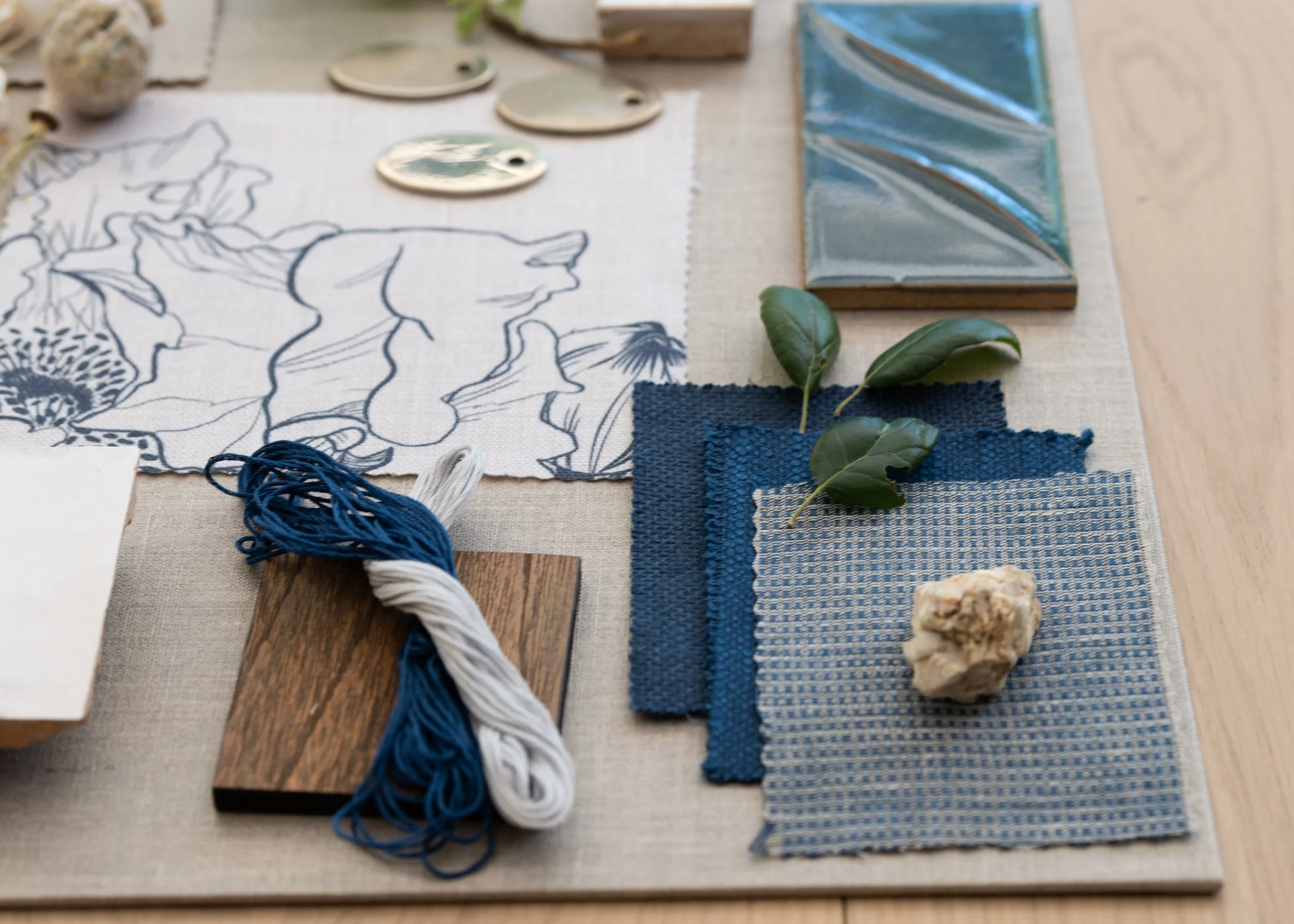
The Sarah Barnard Design Philosophy: Bespoke Emotional Sovereignty
The most critical aspect of designing for the interior state is recognizing individual perception. The interaction between sensory inputs and emotional response is highly personalized, as each person’s mind uses past experiences to inform how they perceive their current environment (Nautilus). Because there is no universal solution for well-being, true luxury must be bespoke.
The Sarah Barnard Design approach focuses on co-creating an environment that honors the client’s specific inner state. By naming the feelings we wish to cultivate, we can arrange our lives and homes to maximize time spent in positive energies. Ultimately, a well-designed interior serves as a sanctuary for the soul, providing the diversion and strength needed to navigate the world with grace. When our environment supports our feelings, it sustains our very being.
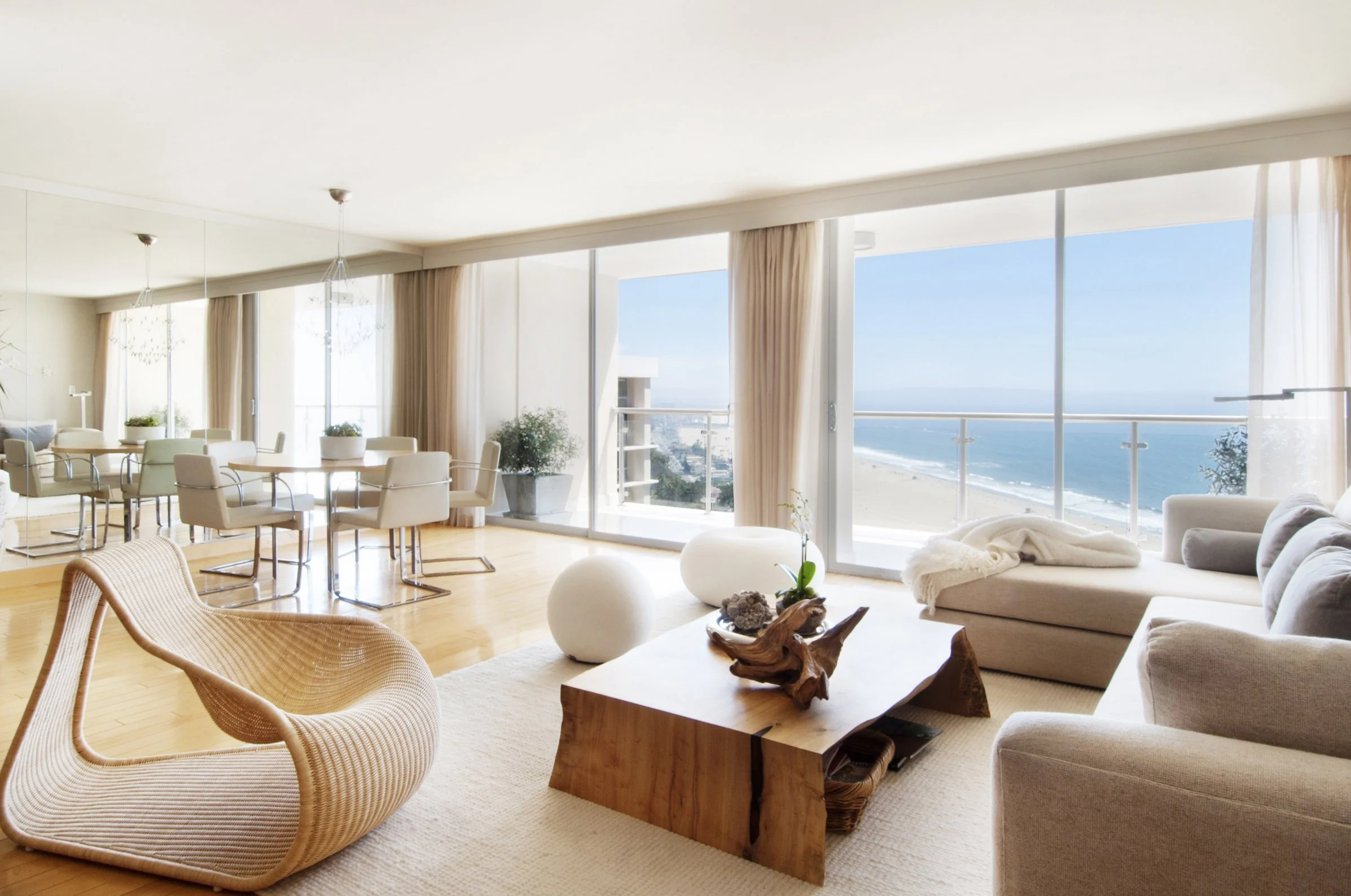
Sarah Barnard is a WELL and LEED accredited interior designer and creator of environments that support mental, physical, and emotional wellbeing. She creates highly personalized, restorative spaces that are deeply connected to art and the preservation of the environment. A certified California Naturalist, Sarah believes in celebrating nature through responsible design that works symbiotically with the local environment.
An advocate for consciousness, inclusivity, and compassion in the creative process, Sarah has appeared in Architectural Digest, Elle Décor, Vogue, HGTV, and many other publications. Sarah was recognized as a "Ones to Watch" Scholar by the American Society of Interior Designers (ASID) and has been awarded "Best of Houzz Design" for seven consecutive years. Sarah's MFA in visual arts from Claremont Graduate University informs her practice and innovative approach toward interior design as creating a living work of art.
Works Cited
Browning, William D., Catherine O. Ryan, and Joseph O. Clancy. 14 Patterns of Biophilic Design: Improving Health and Well-Being in the Built Environment. Terrapin Bright Green, 2014.
CNN Style. "How Architecture Affects Your Brain." CNN, 2024.
Cognitive Behavioral Therapy Los Angeles. "The CBT Model of Emotions." CBT-LA, 2024.
Cornell University. "Objective Feelings: New Research Suggests Our Brain Tells Us Feelings Are Reality." Cornell Human Ecology, 2024.
Marymount University. "Designing for Well-Being: The Role of Interior Architecture in Mental Health." Marymount Blog, 2024.
Nautilus. "How Emotions Connect Your Body and Brain." Nautilus, 2024.
Sina, Amanda, et al. "Impact of Curvature on Aesthetic Choices." National Library of Medicine, 2021.
University of Waterloo. "The Hidden Ways Architecture Affects How You Feel." Department of Psychology, 2024.