

Creative Workspaces: Home Office Interior Design Reimagined
/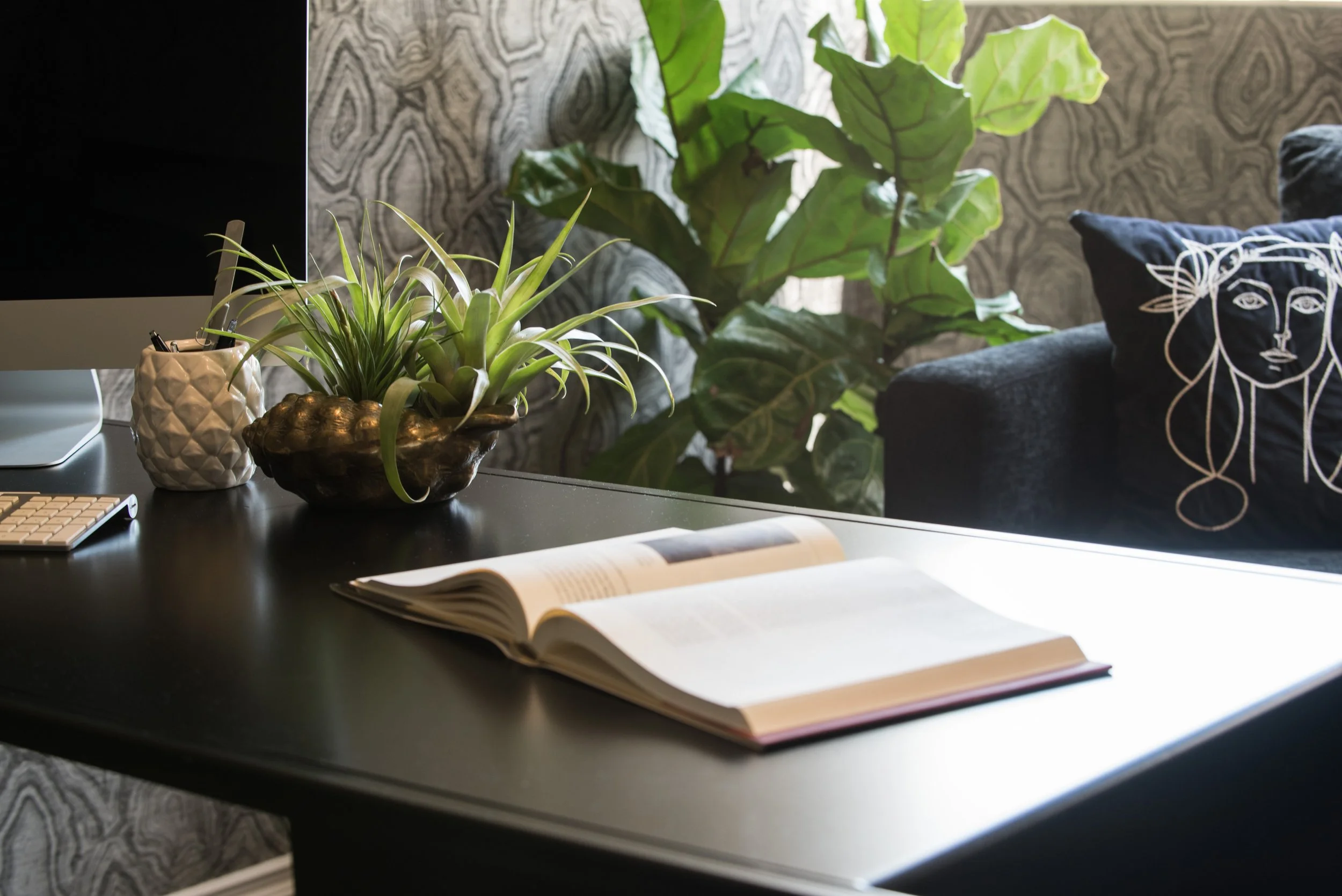
As a WELL and LEED-accredited interior designer specializing in spaces that support emotional and physical wellbeing, I have a particular passion for creative workspaces. Creative work can be inherently joyful and healing, and having a dedicated space, whether an entire room, a desk, or even a chair outdoors that is devoted to accessing a creative flow state, can be an excellent way to find support in the home. Even the intentionality of dedicating an area to creativity gives that work weight and importance, automatically making it a greater priority. The more care put into thinking about a creative space, or any space, the more likely it is to become a functional presence in life, which can be a great way to encourage positive and joyful habits.
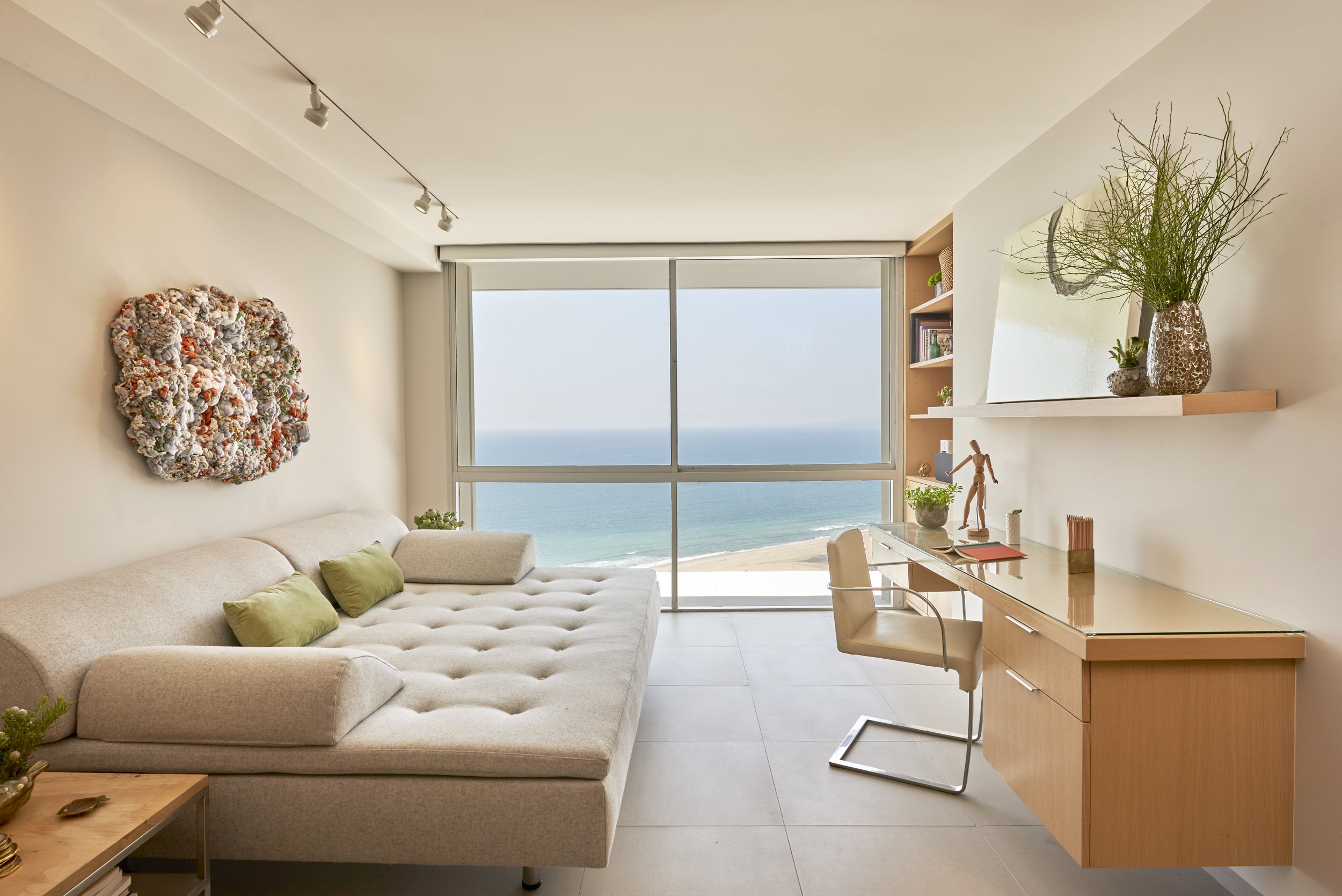
One of the things I talk about with many of my clients is designing a space that is specific to their needs and preferences, and working with them to feel comfortable eschewing any expectations they may feel obligated to meet about what a room should look or be like. Many of us adapt to the environments we are in, rather than adapting our spaces to meet our needs. Increasingly, people are craving spaces and routines that feel aligned with who we are, rather than trying to match expectations that feel out of step with what actually works for us. When I’m working, I try to take to heart the idea of meeting my own environmental and emotional needs. Not only does it support my best creative work, but it also helps reinforce how important it is for the client to have this same experience, and makes me feel more connected to my goals as a designer.
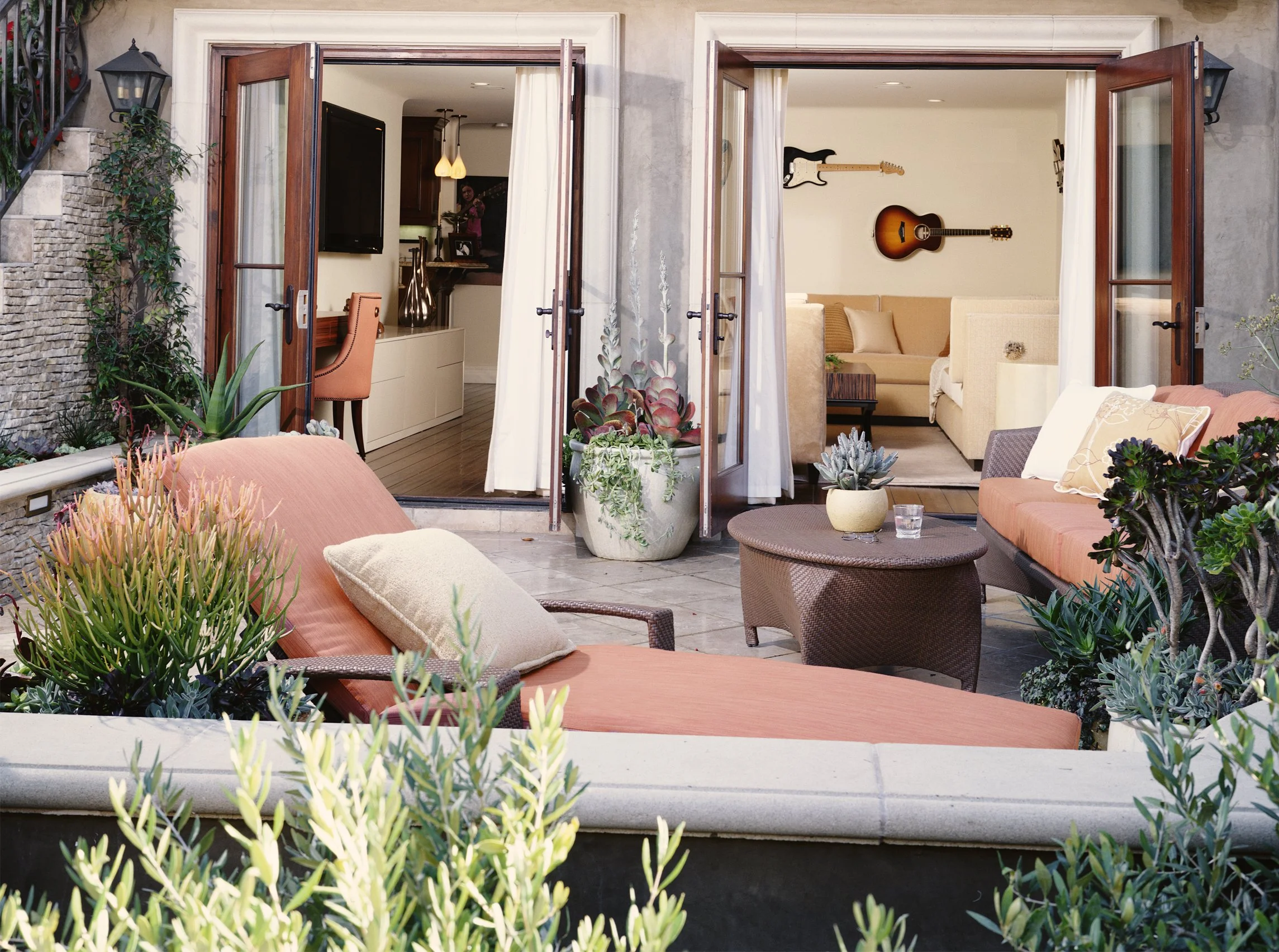
I’ve come to learn that different parts of the creative and work process may be best supported by different surroundings. When I’m waking up my brain and body, I like to start the day in the garden. Nature is a huge part of my creative work, but it’s also where I find the most joy and feel most connected to the world and to myself. I love the quiet acts of caretaking as I tend to my plants, and seeing them progress and change reflects the seasonality and natural rhythms of the earth. Seeing the plant life and the birds, and collecting pine cones and seed pods, all help me ground and relax in a way that lends itself to creative thinking throughout the day. While I don’t necessarily spend the time in my garden looking for inspiration, it always finds me. Many of the colors, textures, and imagery in my client work and in the products of my home goods studio, Kale Tree, are inspired by time spent in my garden.
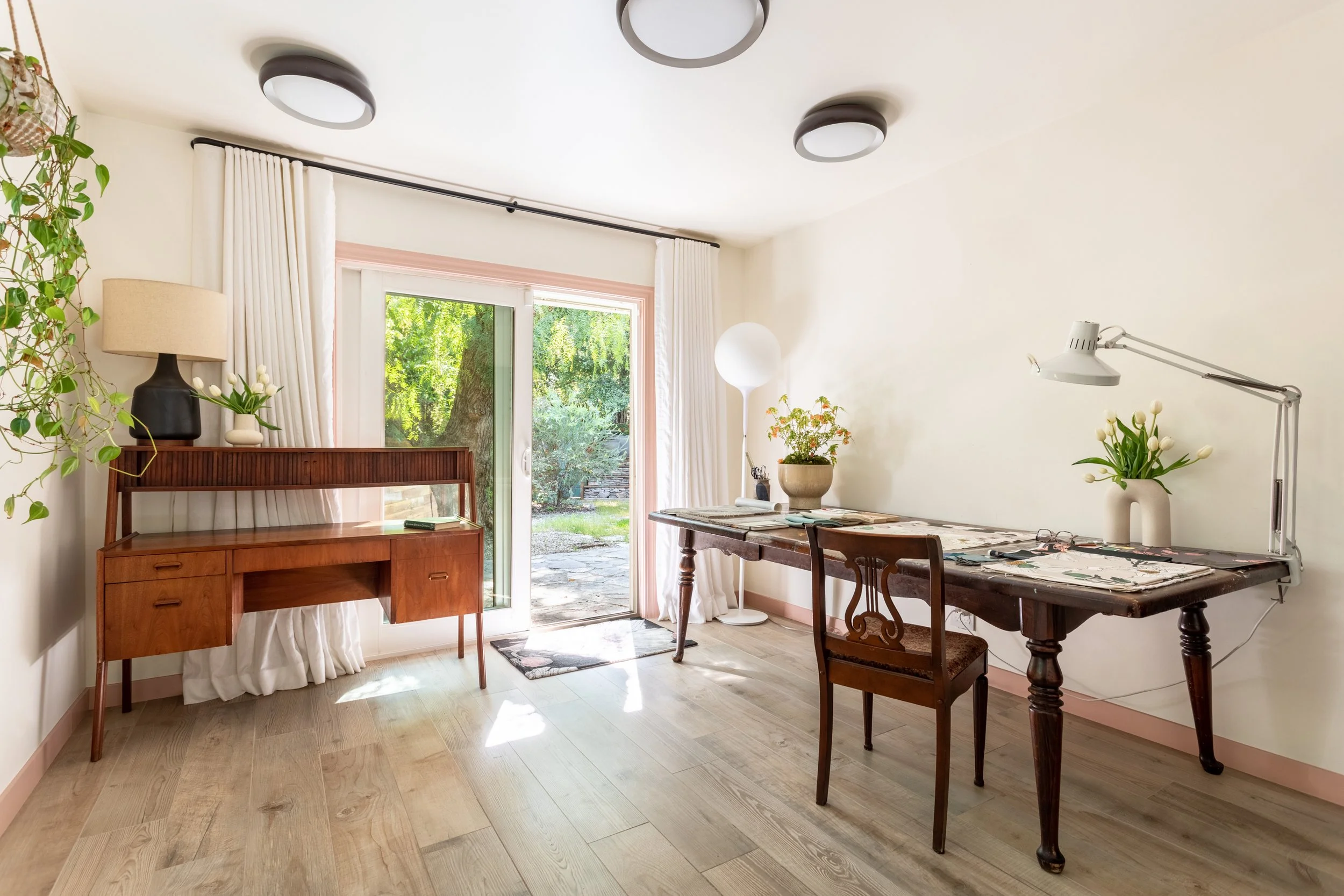
After feeling fully immersed in nature and ready to begin my day in the studio, I’ve found that limited sensory input gives me the most mental space and clarity for creative expansion and problem-solving. Soft, natural lighting, silence, minimal to no scents, and no distracting textures all contribute to a profound external quiet that lets my internal world take focus, and that is really when I can enter a creative flow state where I do my best work. Then, I can tap into the imagery and inspiration that guide my designs and connect with my clients' desires without the distraction of a conflicting external space.
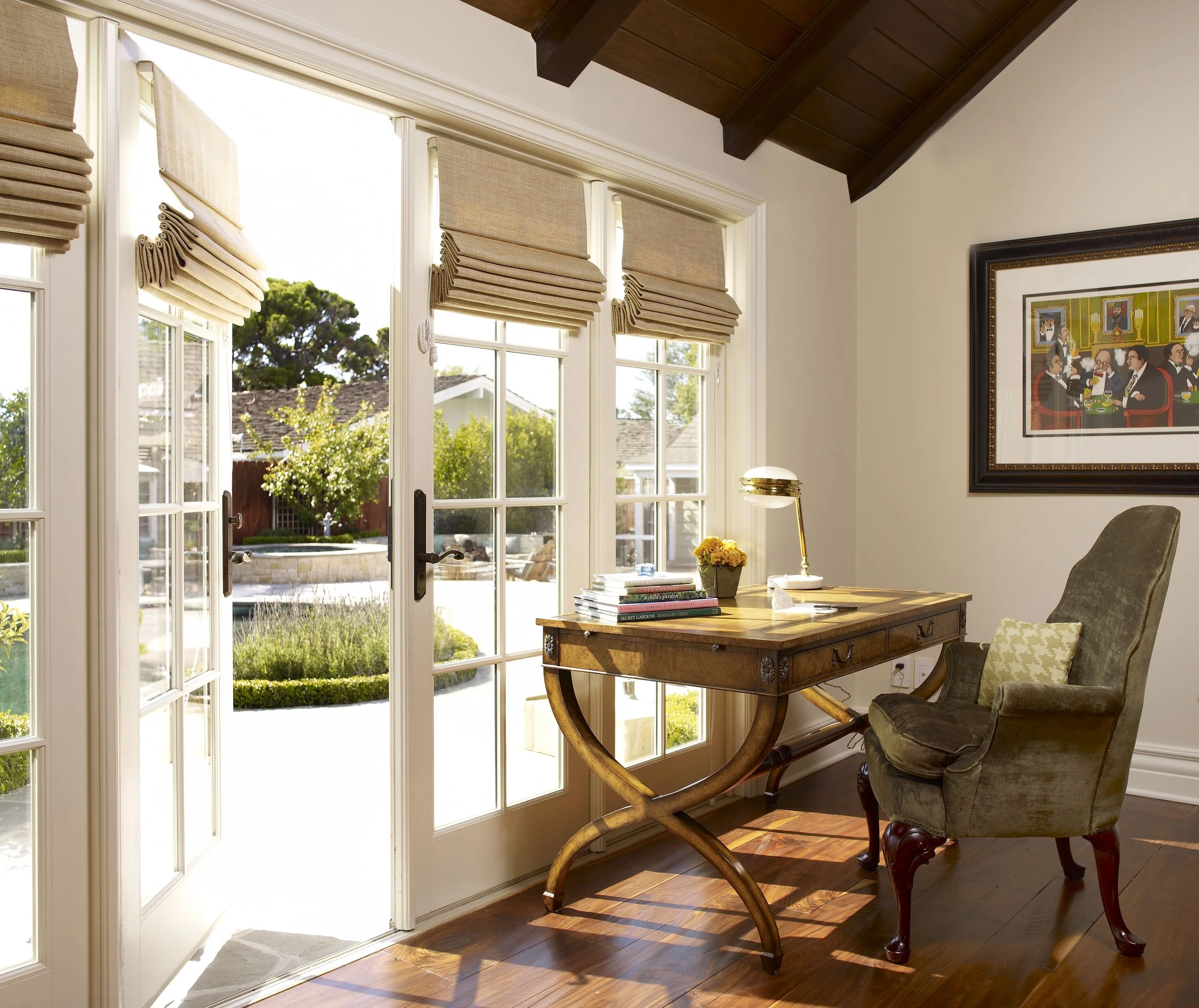
Knowing that I need such minimal sensory input has really emphasized the importance of encouraging clients to honor their personal sensory sensibilities. Every person needs a space as individual as they are, and it’s so important to evaluate what works best for them. If there is a moment when someone really feels they are in a flow state and connecting with a positive feeling, creatively, taking a step back afterward to take stock of their environment can be a good way to reflect on what’s most supportive.
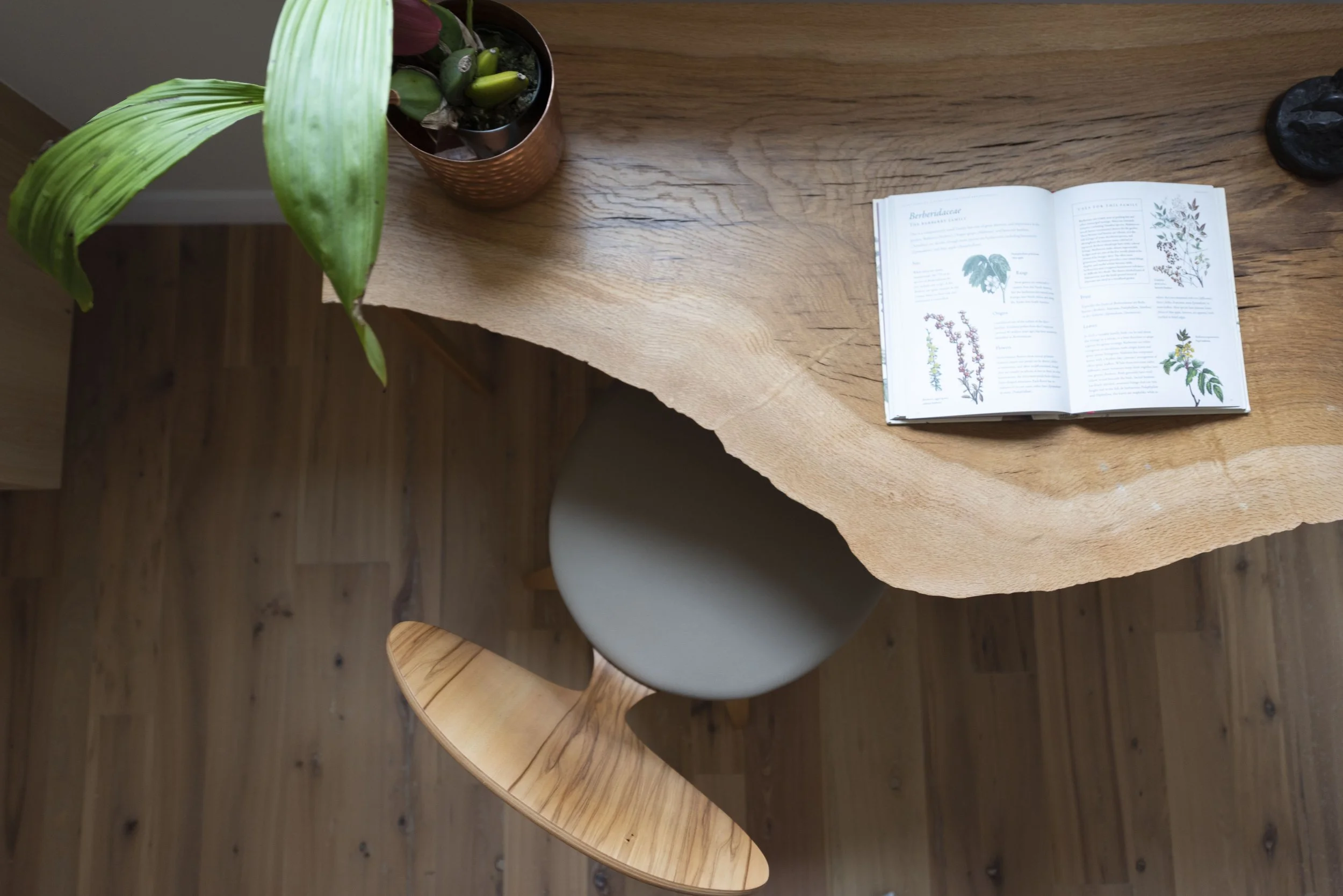
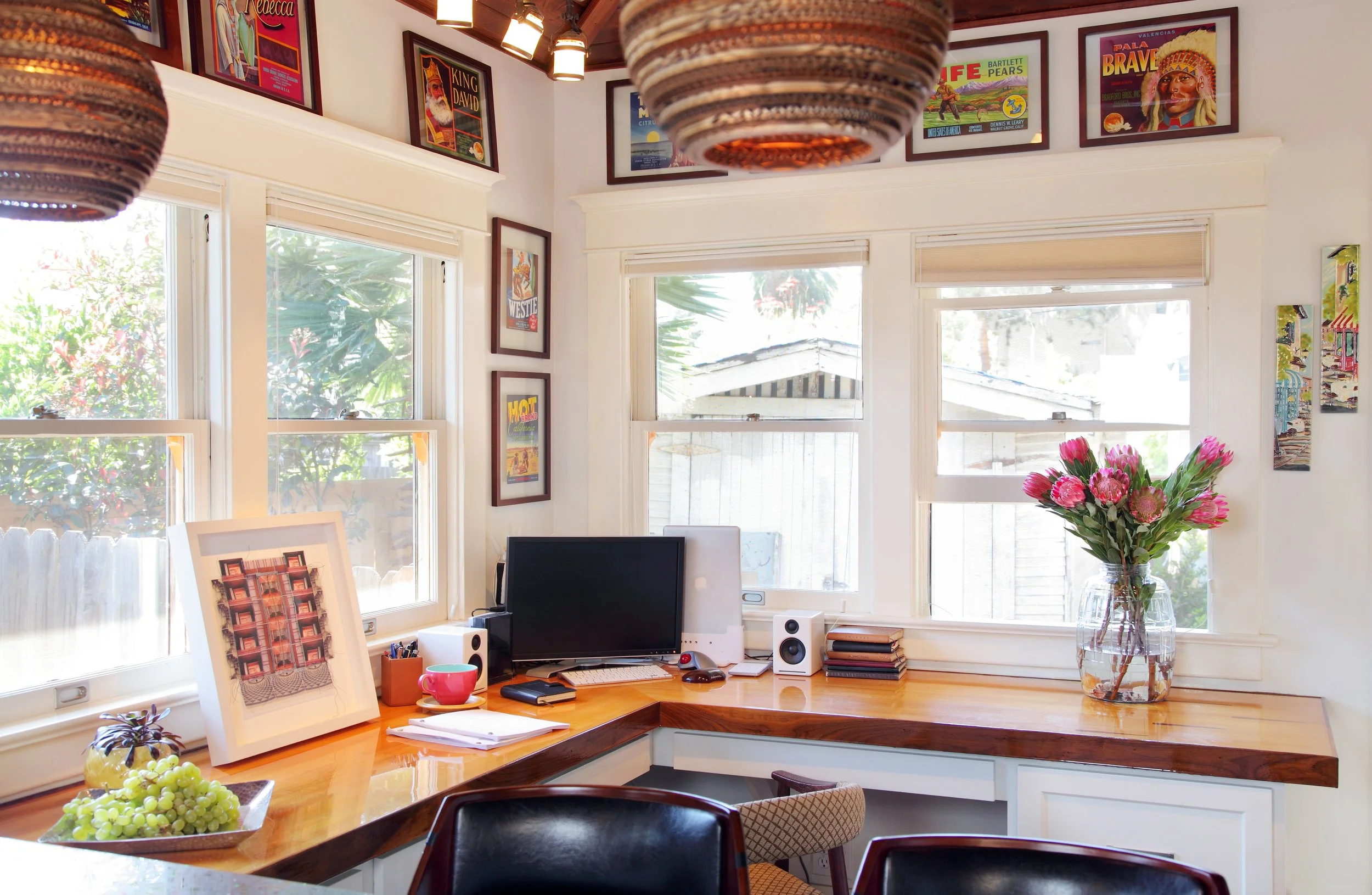
So often, expectations around design can override actual habits and preferences. A common anecdote from clients remodeling their homes is that, although they currently have a designated home office, they usually work at the kitchen table. Knowing this becomes a great opportunity to reconsider the idea of a home workspace and embrace personal sensibilities, rather than expectations about what a home office should be or look like. Is it the warmth and comfort of being around family? The openness of the space, or a more expansive view? Maybe it’s not abandoning a home office altogether, but creating a space that adapts more to a work environment that is actually pleasurable. Taking the time to evaluate what is supportive and what makes it easier for someone to access a flow state can lead to perhaps more unconventional spaces, but also more productive ones. Re-examining how we approach these concepts and environments is one of the most exciting parts of my job and one of the best ways to help my clients physically and emotionally.
Sarah Barnard is a WELL and LEED accredited designer and creator of environments that support mental, physical, and emotional wellbeing. She creates highly personalized, restorative spaces that are deeply connected to art and the preservation of the environment. A certified California Naturalist, Sarah believes in celebrating nature through responsible design that works symbiotically with the local environment.
An advocate for consciousness, inclusivity, and compassion in the creative process, Sarah has appeared in Architectural Digest, Elle Décor, Vogue, HGTV, and many other publications. In 2017, Sarah was recognized as a "Ones to Watch" Scholar by the American Society of Interior Designers (ASID) and has been awarded "Best of Houzz Design" for seven consecutive years. Sarah's MFA in visual arts from Claremont Graduate University informs her practice and innovative approach to interior design as the creation of a living work of art.