

There's No Place Like a Healthy Home for the Holidays

This year is already coming to a close, so that means the holidays are just around the corner! This year has been a challenging one, so let’s spread some holiday cheer by following some simple, yet meaningful home design ideas to brighten up the holidays.



Reconsidered Rituals
Part of having a healthy, happy home is creating family traditions. An easy practice anyone can start implementing is home decorating for the holidays. No matter what your family celebrates, it is fun getting into the winter spirit! Decorating can be anything from fashioning a homemade wreath for your front door to making your own candles for your menorah. Many of us are celebrating the holiday season differently than we have in the past, creating an opportunity to incorporate new traditions. Exchanging ornaments and a handwritten note is a special way to connect with loved ones you may not be able to see in person this year. This simple act may help you feel closer to family far away!

Reuse, Recycle, Rejoice
Fabricating handmade winter decorations is a great activity for your entire family! A fun and simple idea is to string together your own felt garland. Felt balls can be found in nearly any color imaginable to match your family’s needs. So whether you want red, green, and black for Kwanzaa or blue and white for Hanukkah, the options are endless! Felt garland is not only pretty to look at, but is made from wool, an inherently renewable and recyclable material. We like sourcing wool from small sustainable farms where the sheep are treated like family.
Choosing decorations inspired by things you love all year round will help your decor seem more personal to your family. If you're a bird lover, use this as a starting point when decorating. Look to local artists or online shops who make bespoke decorations that fit the holiday theme of your choice.


If your family celebrates Hanukah, you may want to opt for beeswax candles for your menorah since they don't produce any toxic chemicals or soot. Or if you’d rather use a vegan alternative, there are now organic vegetable wax candles made specifically for menorah’s!

The Serotonin Schedule
Decorating for the holidays early may alleviate stress and anxiety. According to Business Insider, psychologists have found that those who decorate early are much happier because it helps you tap into the holiday excitement before everyone else and leaves you feeling less stressed come Christmas time. Additionally, you can use this time of year as an opportunity to slow down, tend to your home mindfully, and take that time to appreciate and enjoy your home design. Take stock of what you have, and cull any items for donations that no longer serve you. Connecting with and expressing gratitude for your home is a great first step of decorating that may be a grounding and mood-boosting experience.
The Indoor Forest
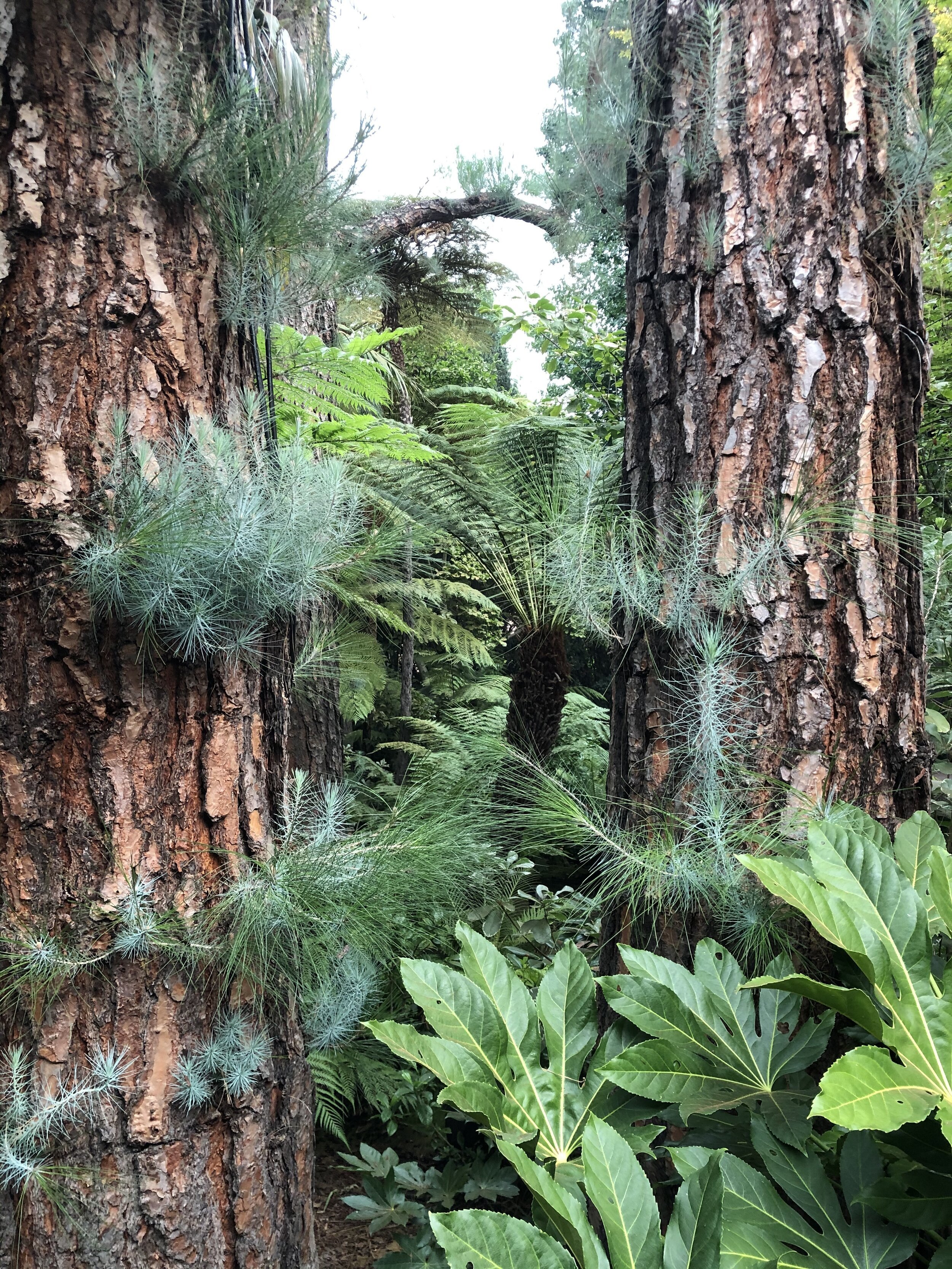
Biophilic design goes hand in hand with holiday home decor. Biophilia is our innate desire to be close to nature–and biophilic design aims to make healthy and comfortable interiors by meaningfully incorporating natural elements into our home design and work environments. A large component of holiday home decor is foliage. Greenery can be anything from a leafy garland on your mantle to mistletoe in your hallway. This holiday season, try decorating your home in more natural elements such as pinecones, nuts, and branches. If you live near a woody area you can forage for these items yourself, or if that isn’t an option for you, look to your local farmer’s market or nursery for help. Your house will feel like an organic winter wonderland full of crisp natural scents and foliage that's unique to your home.
Your incorporation of nature doesn't have to stop once the holidays are over - you can enjoy the benefits of biophilic home design all year round! Kale Tree Shop, founded by Sarah Barnard Design, is a great resource for nature inspired home goods. Each product takes inspiration from the natural world, ranging from abutilon wallpaper to ginkgo leaf wall sconces to upholstered chairs influenced by the silhouette of a great dane. Biophilic home design elements can bring joy and warmth to your home, no matter the season!

The Holiday Hormone Connection
Decorating for the holidays is not only fun, it can contribute to spikes in your dopamine levels, which is a hormone that boosts feelings of pleasure. One factor that leads to these enjoyable feelings are the bright lights and colors. Chromotherapy increases happiness and boosts your energy levels. Another prominent factor at play are all the cozy scents that come from Christmas trees, eucalyptus and pine scented candles, and homemade treats. So this year you may feel extra gratification when putting out holiday décor knowing that there may be real health benefits!

As you begin to prepare for the holidays, remember the importance of creating traditions with your family. Although the holidays may not be quite the same this year, surrounding yourself with winter décor that you thoughtfully sourced, may bring you some needed joy this season. So remember, think handmade, look to nature, and surround yourself with home design elements that make you happy, and you’ll have a beautiful winter wonderland right at home.
The Sarah Barnard Design family wishes you all the warmth and happiness!
Sarah Barnard is a WELL and LEED accredited designer and creator of environments that support mental, physical and emotional wellbeing. She creates highly personalized, restorative spaces that are deeply connected to art and the preservation of the environment. An advocate for consciousness, inclusivity, and compassion in the creative process, Sarah’s work has been recognized by Architectural Digest, Elle Décor, Real Simple, HGTV and many other publications. Sarah was recognized as a “Ones to Watch” Scholar by the American Society of Interior Designers (ASID).

Cosmopolitcal Design: A New Modality Harnesses the Connection between Home and Nature

With global society and climate in flux, mapping out new ways to live and create in the world has become an essential project. Amid the competing approaches to this transformation, the philosophical school of cosmopolitics, as its name suggests, addresses this challenge in a uniquely holistic way and presents an entirely new perspective on the human relationship with the world.
Albena Yaneva, in her introduction to What is Cosmopolitical Design?: Design, Nature, and the Built Environment, explains that “Cosmopolitical thinkers...see nature as no longer being unified enough to provide a stabilizing pattern for the experience of humans; it is not ‘out there,’ a simple backdrop for human activities.” Cosmopolitics distinguishes itself from cosmopolitanism by positing a relationship with nature and its non-human denizens defined by cohabitation rather than dominance. As Yaneva writes, “These thinkers abandon the modernist idea of nature as being external to the human experience—a nature that can be mastered by engineers and scientists from outside.”

How does this cosmopolitical perspective manifest in the world of home design? To Yaneva, “It challenges design...to encourage the enactment of new relationships both within and potentially outside the designed space.” Cosmopolitical home design is deeply tied to its locality and integrated with its environment. Yaneva describes cosmopolitical design as “required more than ever to address the primordial question of what it means to live together. That is, the co-existence of humans and non-humans, of how they share space and find ways to live together in peace.”
Because the cosmopolitical way of thinking is so all-encompassing, the approaches to incorporating cosmopolitics into home design are fittingly varied and can be scaled to projects as vast as urban planning or as circumscribed as landscaping a backyard. Manifestations of cosmopolitical home design can range from home renovation with the local climate in mind (for example, placing windows for optimal warmth or cooling of interior spaces) to pollinator-friendly gardens teeming with plants indigenous to their region.

To interior designer Sarah Barnard, WELL AP + LEED AP, bringing cosmopolitics into her home design practice means cultivating spaces that are specific both to her clients and as well as to the local environment and that encourage an accord with the natural world. Sarah says, “Finding ways to harmonize the design of a space to a specific environment instead of working against it is both challenging and rewarding. When a designed space and its greater environment are fully integrated, the effect is almost easier to feel than observe.”
Sarah explains, “I always look for opportunities to create inviting connections between the indoors and the outdoors. This continuity with the natural world is beneficial for emotional and mental health—it’s not just a source of beauty but nourishment.” For an artist’s bungalow, Sarah created a visual continuity between lush indoor plant life and the garden outside, and then took it a step further. Sarah designed the outdoor garden to support pollinators, birds, and other wildlife. The garden is a Certified Monarch Waystation, providing resources to support migrating Monarch butterflies by providing food, water, cover. Sarah said, “Designing homes for wellbeing doesn’t have to stop at the comfort of the client. Incorporating elements of design that nurture the local ecology deepen our relationship with nature and result in spaces that are unified with their surroundings.”

This particular expression of cosmopolitical home design can be achieved even with limited outdoor space. For an oceanview penthouse, Sarah transformed a balcony into an inviting habitat for local and migrating wildlife by adding potted olive trees and an herb garden. “Considering plants not just for their decorative beauty but also what they can offer to the local environment is a concept that works on virtually any scale,” Sarah says. To decorate the interiors, Sarah selected natural and eco-friendly furnishings and textiles, adding that “Organic materials have a gentler environmental impact, and from a wellness perspective, are kinder to the people who live with them.”

When selecting materials and furnishings for home decorating, Sarah often looks to her clients’ priorities to guide her approach to creating spaces that embody a cosmopolitical perspective. For one high-rise suite, the owner’s love of animals was demonstrated not only through the choice of art and decorative objects, but also wanted this care toward animals extended outside home design and beyond aesthetics. Sarah addressed this by using exclusively vegan materials and furnishings for this project. Sarah explains, “No space exists in a vacuum—every object and material we use has a footprint that goes well beyond the front door, so considering the story of the materials we use and the impact that they have on the world is a way to invite cosmopolitical ideas into home design.”

Sustainable materials can also have unexpected origins. For the kitchen of a historic craftsman bungalow, Sarah installed a countertop made of recycled beer bottles, a non-extractive alternative to a more traditional quarried stone countertop. “Not only is the material beautiful and environmentally conscious, but there’s also a little whimsy in how it reinvents something ordinary and adds character to the space,” Sarah says. The implications behind cosmopolitical home design may be weighty, but there is always room for playfulness.

“When I look at my work from a cosmopolitical perspective,” says Sarah, “I see tremendous opportunity for creativity. We are seeing our way of life change in real-time, and as a home designer, I’m lucky to be able to be a part of facilitating that transformation for my clients.”

Sarah Barnard is a WELL and LEED accredited designer and creator of environments that support mental, physical and emotional wellbeing. She creates highly personalized, restorative spaces that are deeply connected to art and the preservation of the environment. An advocate for consciousness, inclusivity, and compassion in the creative process, Sarah’s work has been recognized by Architectural Digest, Elle Décor, Real Simple, HGTV and many other publications. Sarah was recognized as a “Ones to Watch” Scholar by the American Society of Interior Designers (ASID).

How an expertly designed home can be better than a luxury vacation

Forget about unexpected flight delays, cramped legroom, and coping with jet lag — this summer, consider channeling vacation vibes at home instead. Creative home design can make your bedroom feel like a five-star hotel or transform your backyard into a resort-style retreat; no reservation required.
Sarah Barnard Design, WELL AP + LEED AP, creates restorative, hospitable spaces reminiscent of her clients' favorite destinations. Here we reflect on four of her past travel-inspired projects to show how thoughtful home design can replicate the health benefits of taking a vacation.

Paris: Park View pied-à-terre
Perhaps the best part of staying in a luxury hotel is the luxurious sleep experience. While you might not be able to request turndown service, selecting a plush organic mattress, high-quality linens, hypoallergenic pillows, and sunlight-blocking window treatments can ensure a restful slumber every night of the week.

"An ideal sleeping space is serene, outfitted with natural materials, and maintains a visual connection to the outdoors," explains Sarah. "A completely natural bed can often provide improved air quality and make a marked improvement for chemically sensitive people and/or people who suffer from allergies."


For a Francophile at heart, Sarah designed the bedrooms of a park view pied-à-terre to resemble a boutique hotel in the 16th arrondissement, focusing on high thread-count sheets, soft, romantic lighting, curated artwork, and beautifully-arranged flowers. The antique-inspired furnishings were custom made by local craftspeople using non-toxic, sustainable materials.

Tulum: Serene Scandifornian
Being on vacation often means immersing yourself in nature, which benefits physical health and mental well-being. Establishing a connection to the outdoors, whether it be a verdant view through a kitchen window or an oil painting of a seascape, can boost your mood and brainpower, according to a 2001 study by University of Michigan psychology professor Rachel Kaplan.


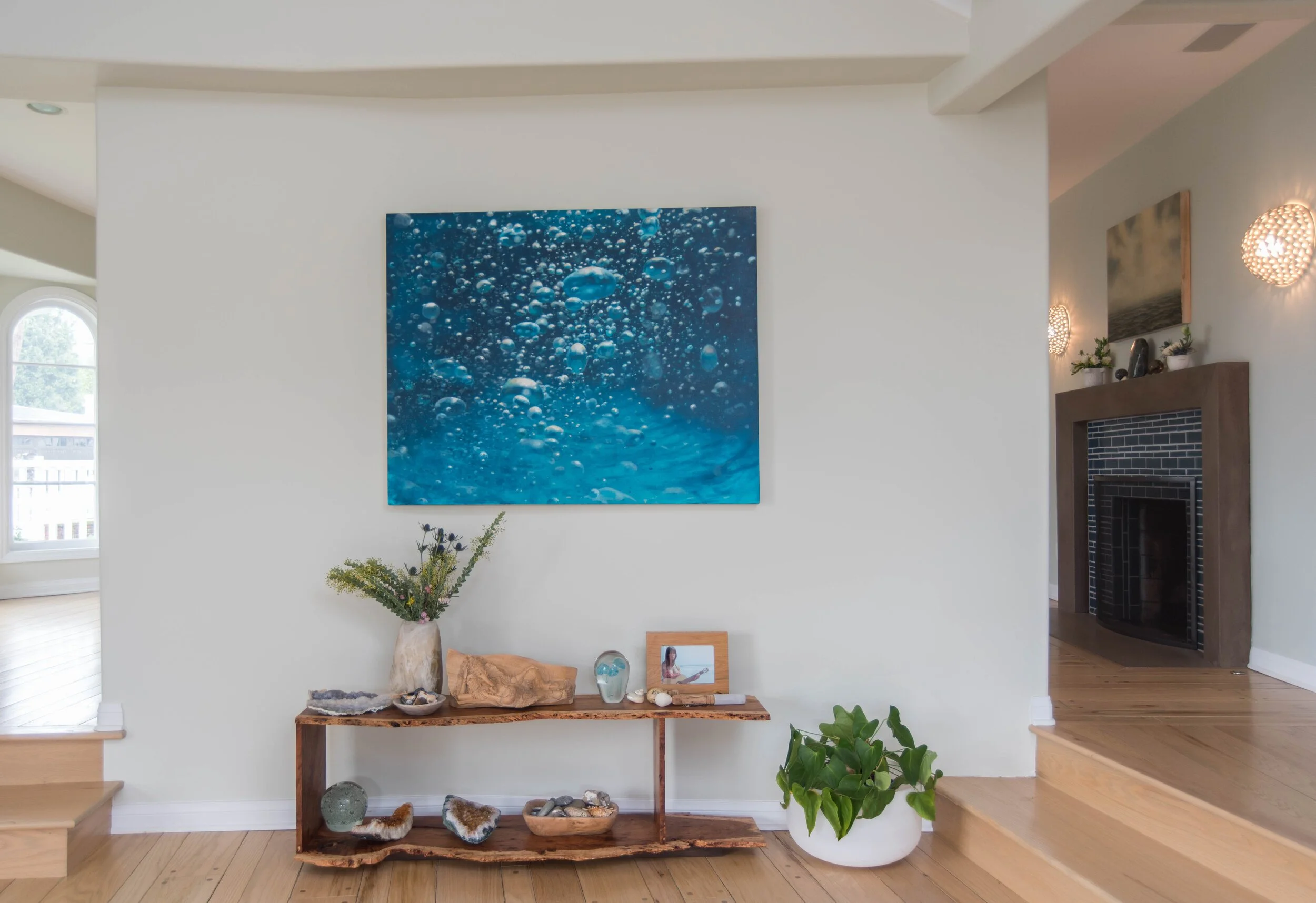


Sarah brought Tulum's beachy-bohemian stylings to a Southern California family home by embracing neutral colors and oceanic motifs, including coral-inspired wall sconces and a custom concrete fireplace with wave-like etchings. The floor pillows provide a laid-back feel, while the live-edge coffee table is reminiscent of a piece of driftwood. Collected shells and a photorealist painting by Eric Zener add to the room's organic feel.

Cape Cod: Cape Cod Guest Retreat
If spending more time outdoors is at the top of your staycation to-do list, consider revamping your alfresco living space and summer garden. Tending to plants can cultivate happiness at the same rate as many common forms of exercise, according to a recent study published in the Landscape and Urban Planning academic journal. Plus, you can use the fruits of your labor to whip up a delicious meal or arrange a colorful centerpiece.

"Many clients are beginning to realize that there is a dramatic benefit to home design that nourishes our desire to be close to nature," explains Sarah.
The home designer helped the owner transform an urban backyard into a coastal New England getaway, complete with a guest cottage and private pool. Using the retreat's natural surroundings as a jumping-off point, Sarah incorporated botanical prints, earthy hues, and rich wood furniture.


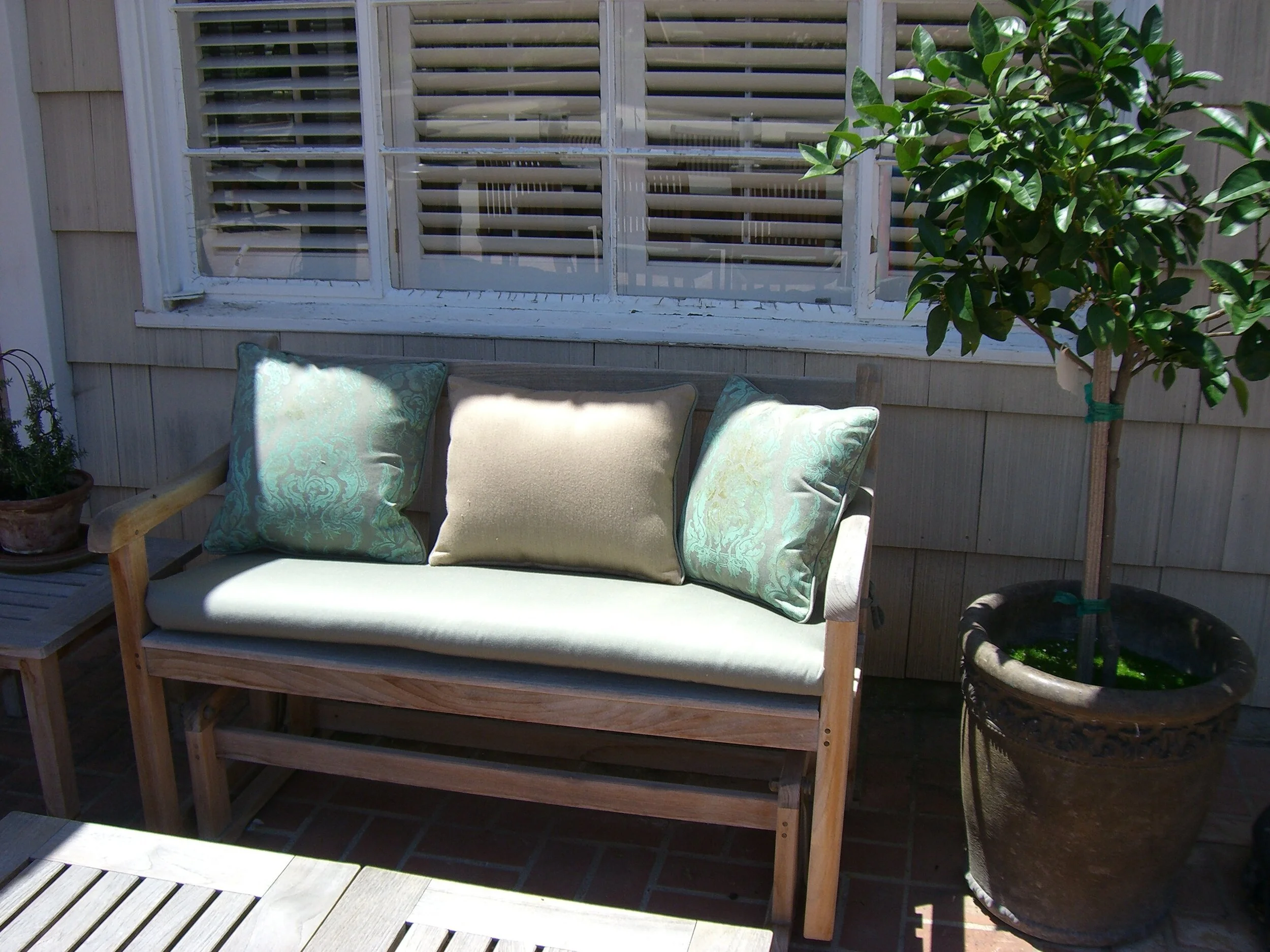
Outside, weathered teak loungers covered with hand-printed outdoor textiles provide a comfortable spot to unwind by the pool. The lush gardens and meandering pathways give the backyard a sense of seclusion, making it feel like you're far away from the city's hustle and bustle.
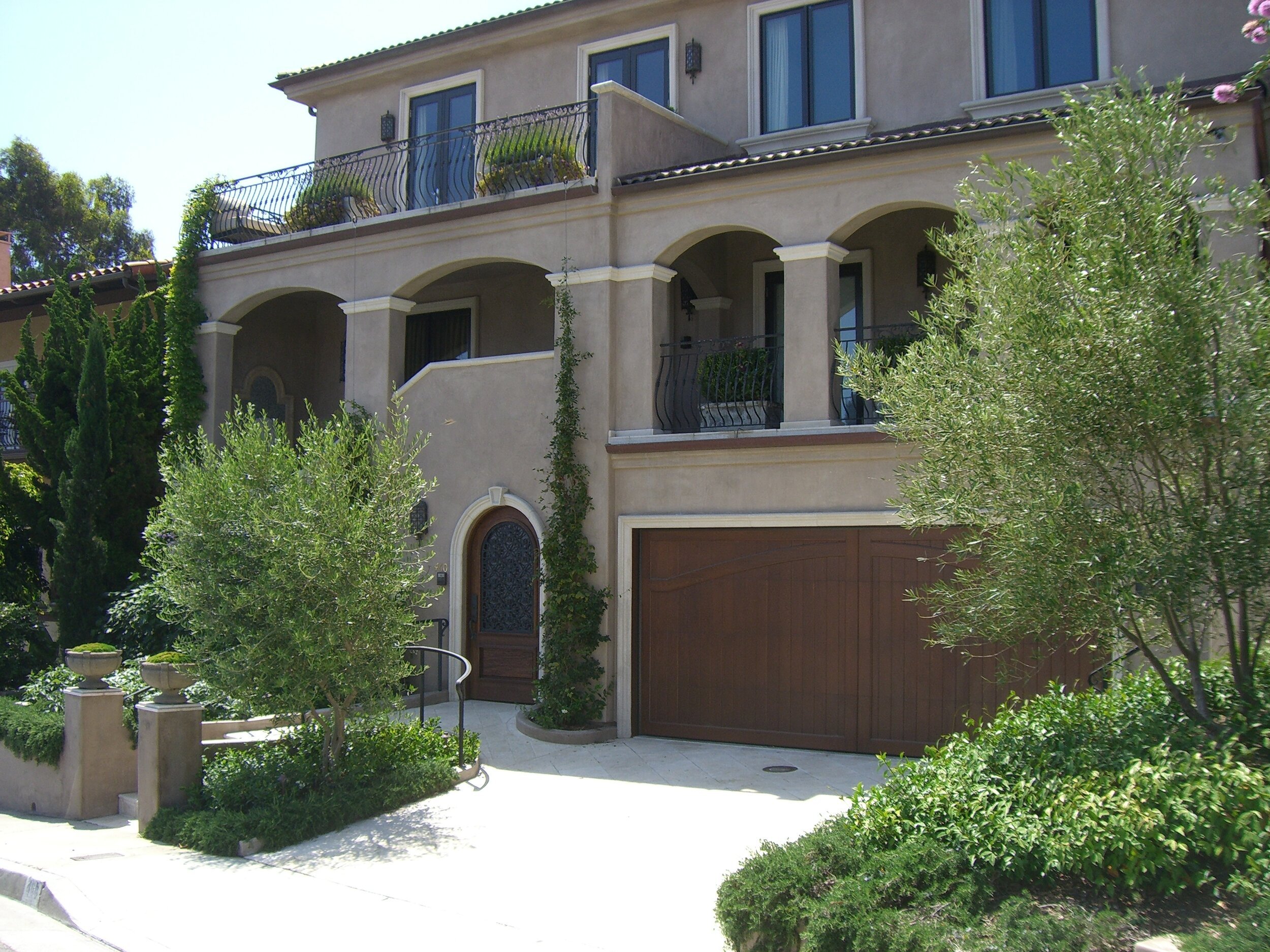
Lake Como: California Mediterranean Estate
Beyond a comfy bed, the cornerstone of a memorable hotel stay is a spa-like bathroom. Practice self-care by investing in wellness features that soothe sore muscles, calm the nervous system and ensure a restful night's sleep. An interior designer can help you create a serene bathroom environment that caters to your specific health needs and makes you feel like you're on a mini-vacation.

For a couple who has spent many summers on Lake Como's shores, Sarah designed a sophisticated ensuite bathroom with a therapeutic soaker tub, steam shower, and heated floor tiles. Marble-framed windows provide proper ventilation and tranquil views of nature, complementing the streamlined vanity concealing a warming drawer for freshly-laundered towels.

The dripping chandeliers are befitting of a luxury villa on the Italian Riviera and provide layered lighting for applying makeup or simply soaking in the tub. "Lighting is a crucial component of good bathroom design and can help improve the human experience," notes Sarah.



While a week-long getaway might provide you with temporary pleasure and relaxation, beautiful and considered home design can make your space feel like a year-round sanctuary. Taking inspiration from your top travel destinations will evoke happy memories and allow you to reap the many health benefits of a vacation without ever leaving home.

Sarah Barnard, WELL AP and LEED AP, designs healthy, happy, personalized spaces that connect deeply to nature and art. Barnard has been featured in publications internationally and was named a "Ones to Watch Scholar" by the American Society of Interior Designers. Empathy and mindfulness are the foundation of her practice creating healing, supportive environments that enhance life.