

Hummingbird Hill: The Art of Inclusive Design
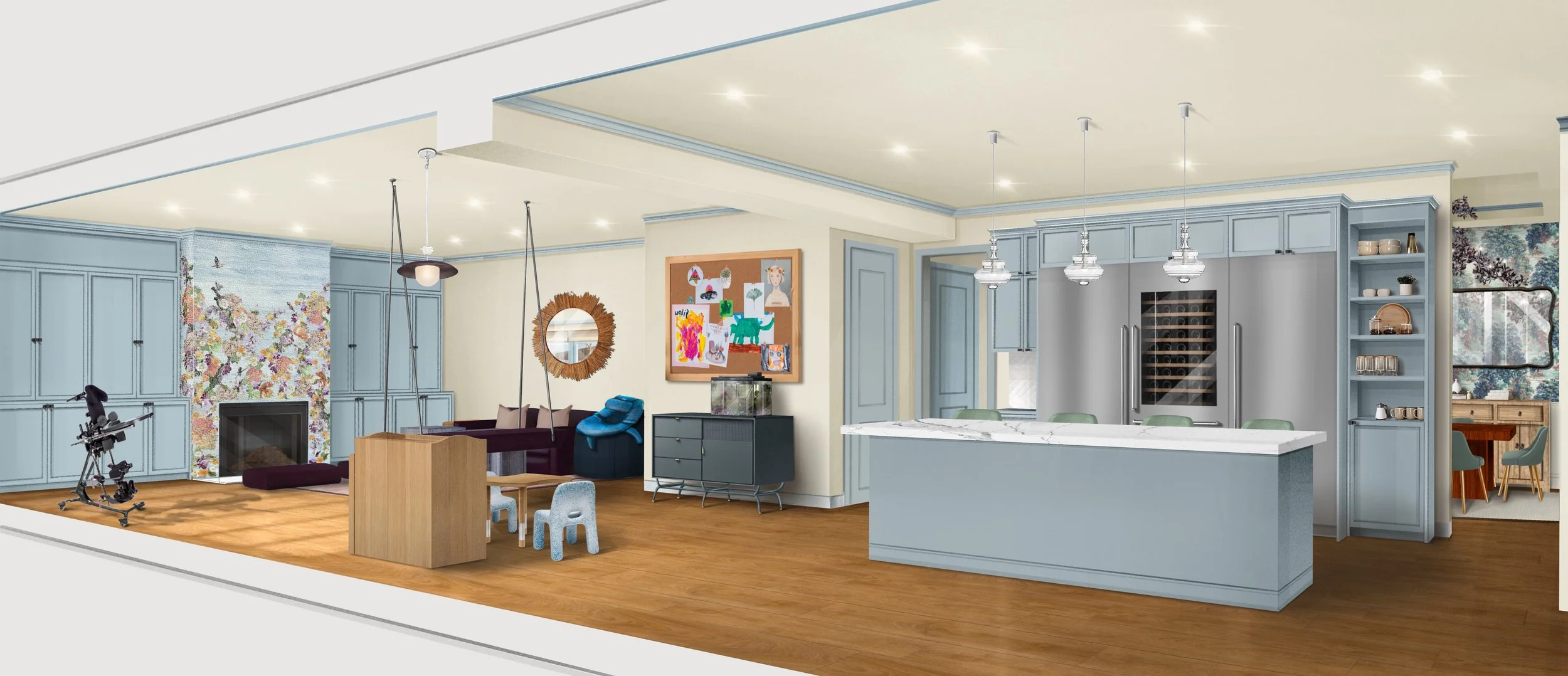
Conceived as a joyful, multi-functional sanctuary, the residential narrative begins in this vibrant family room engineered to balance creative play with therapeutic support. A plum-colored tulip pendant light illuminates a dedicated children's art table paired with eco-friendly chairs crafted from upcycled toys, sitting adjacent to a custom blue storage console and an expansive pinboard gallery. The comprehensive interior design plan natively integrates specialized pediatric mobility equipment, featuring a dedicated zone that seamlessly accommodates the user's stander within the active family environment. Overhead, a structurally reinforced ceiling securely anchors a therapeutic swing upholstered in outdoor-rated velvet. Fluid, safe travel across the room is assisted by an exceptionally flat, washable area rug.
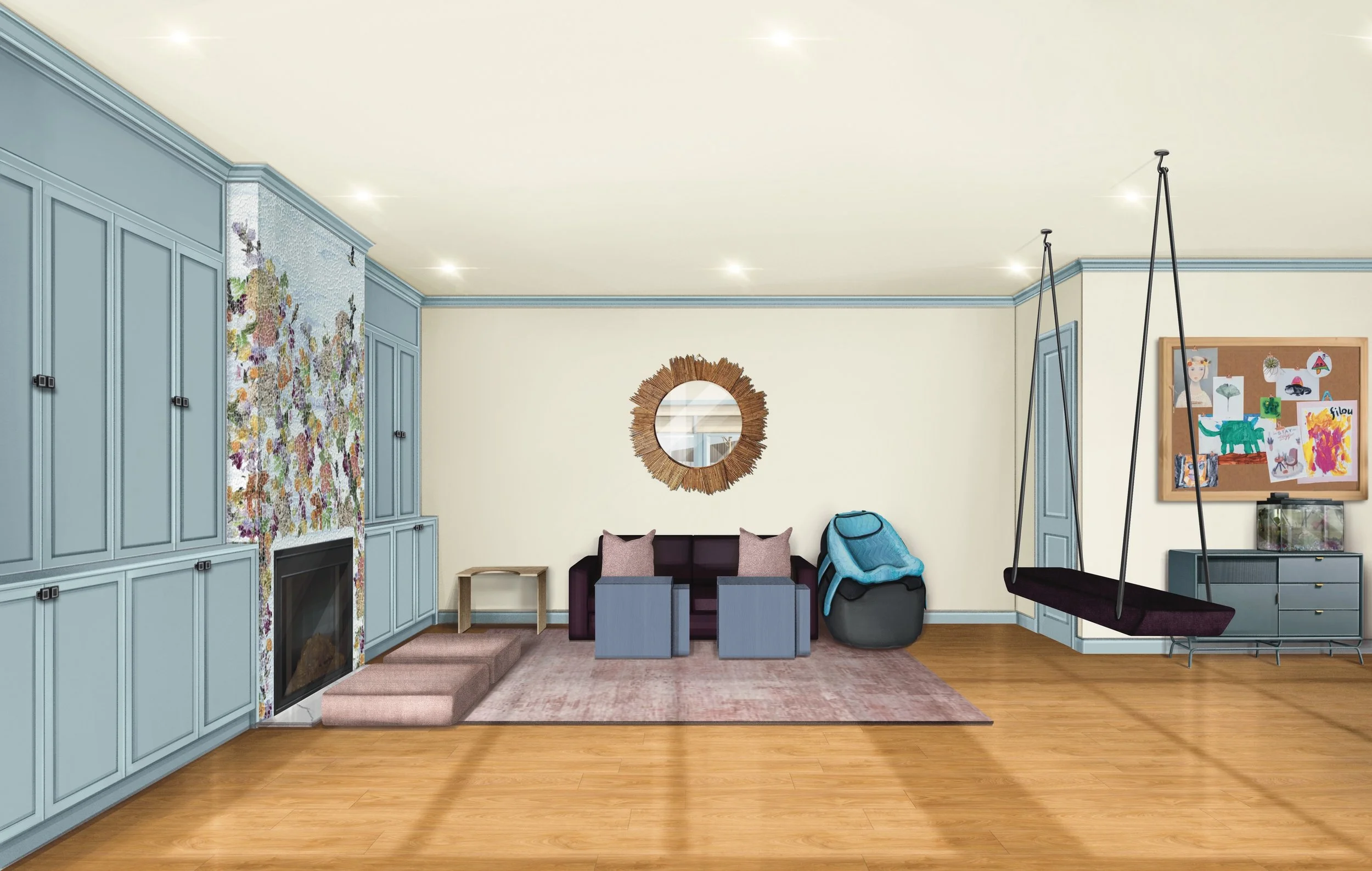
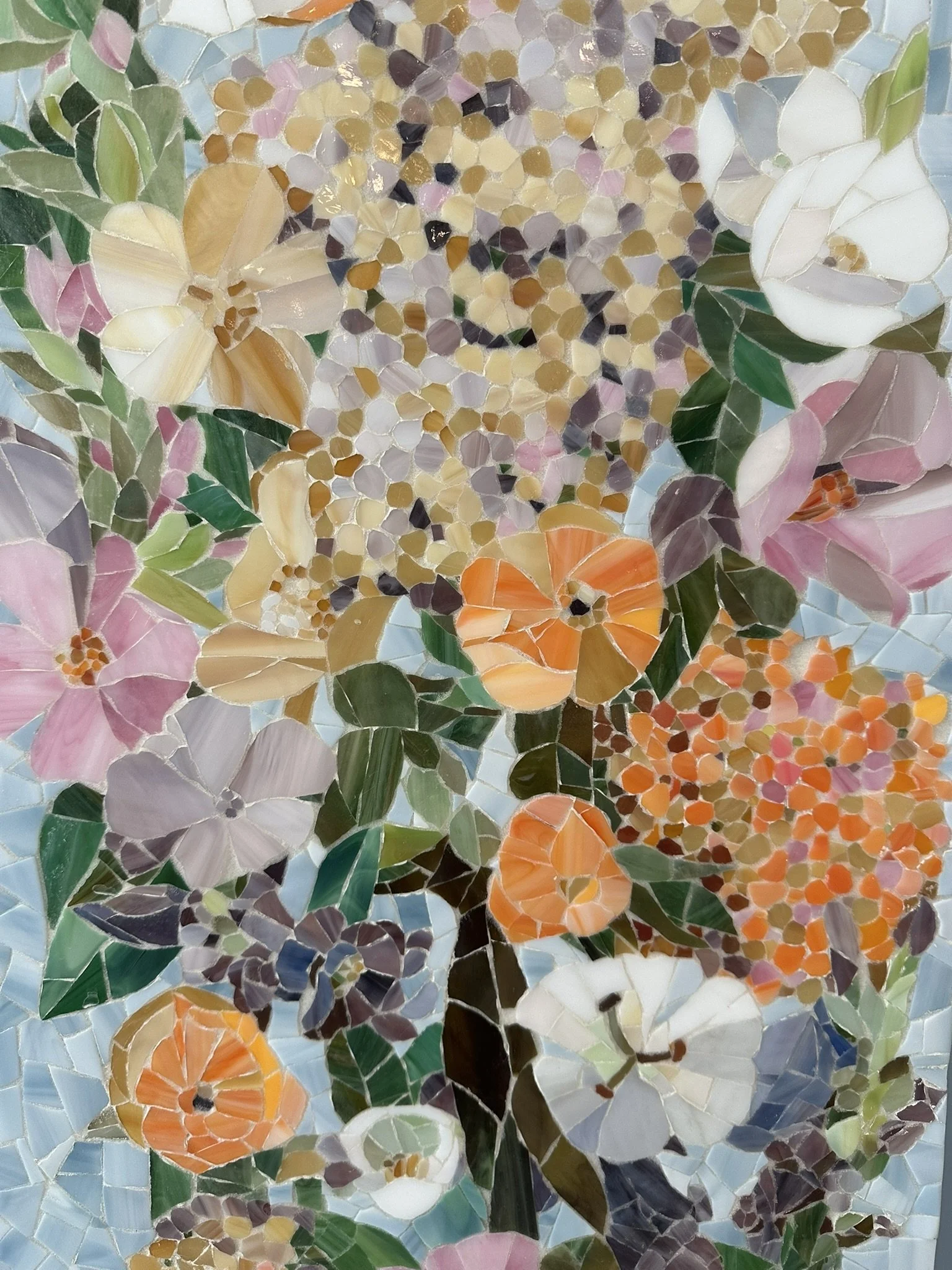
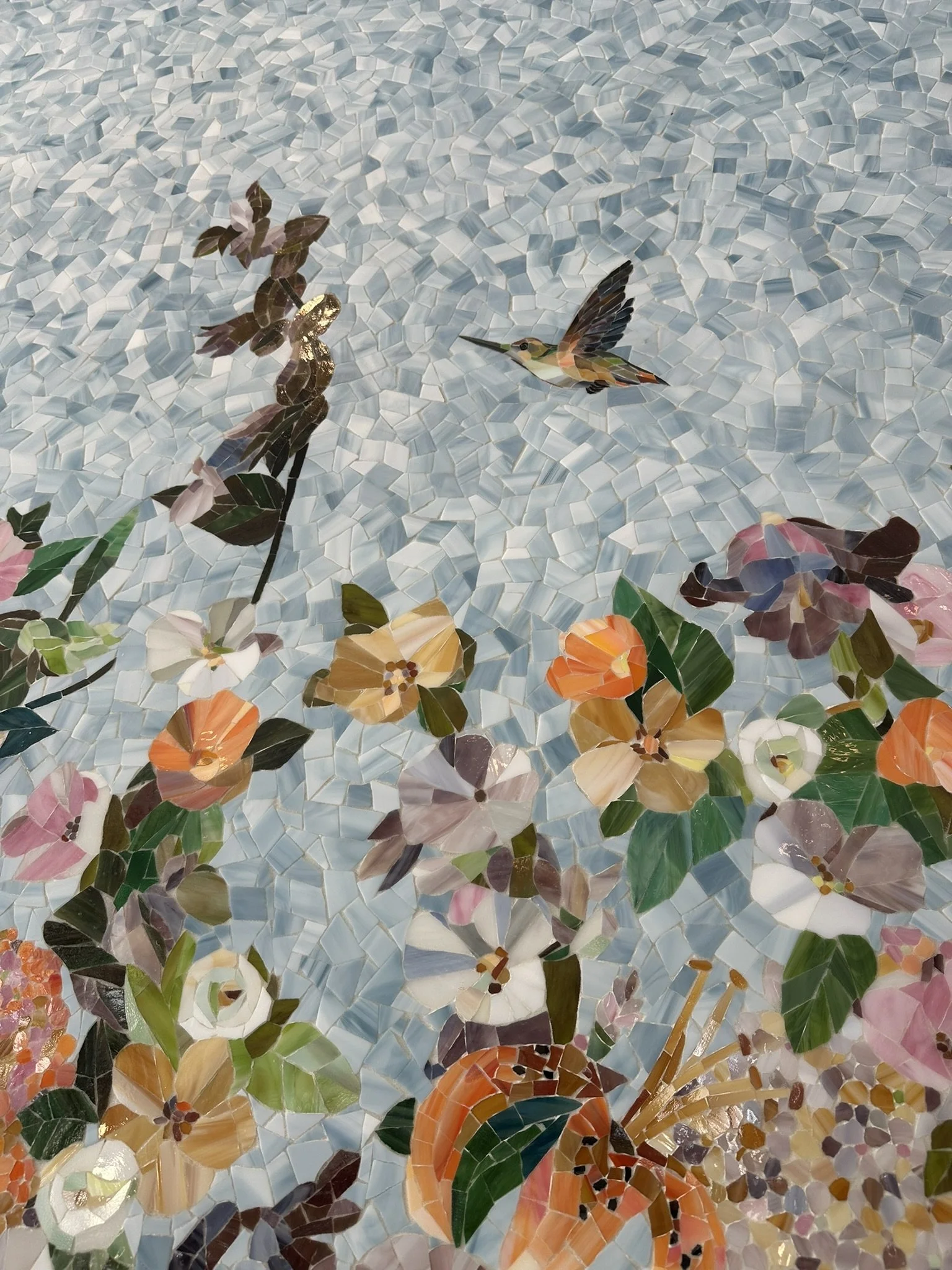
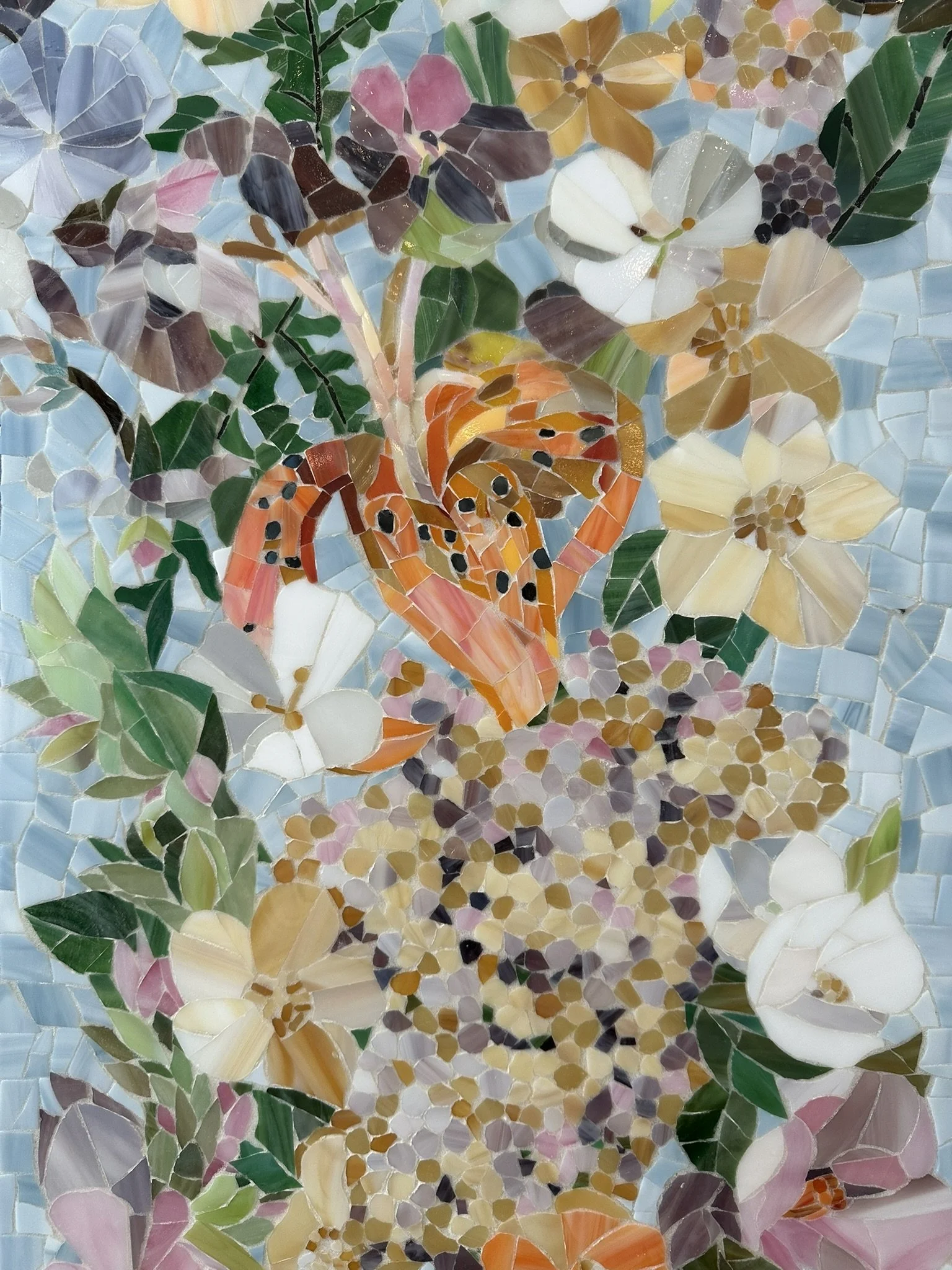
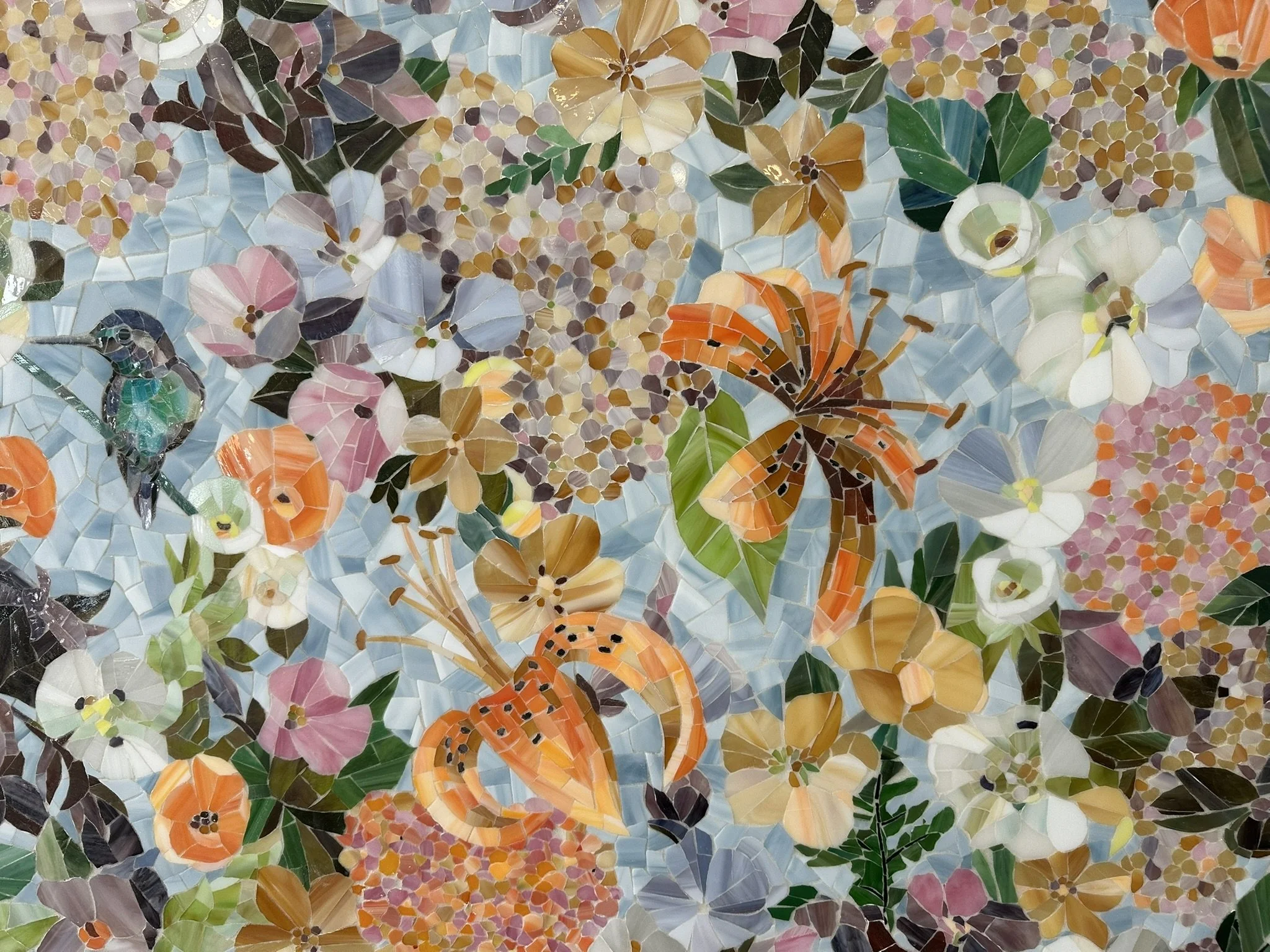
This perspective features the room’s deeper connection to the natural world, anchored by a vintage sunburst mirror hanging above a family sofa reupholstered in a high-performance, easy-to-clean textile. The true focal point is a magnificent, one-of-a-kind fine-art mosaic mural celebrating regional California wildlife, intricately depicting Curly Herissantia, Cambria Bush mallow, Salmon Beauty Yarrow, Palmer's Indian Mallow, Humboldt's Lily, Golden back Fern, and Allen's Hummingbird. A specialized postural support beanbag system rests nearby, providing a comfortable, supportive environment. Mirroring the home's pet-inclusive philosophy, custom dog beds crafted from coordinating textiles ensure companion animals are warmly welcomed in this shared oasis. The layout balances a warm, traditional aesthetic with a footprint built for long-term durability.
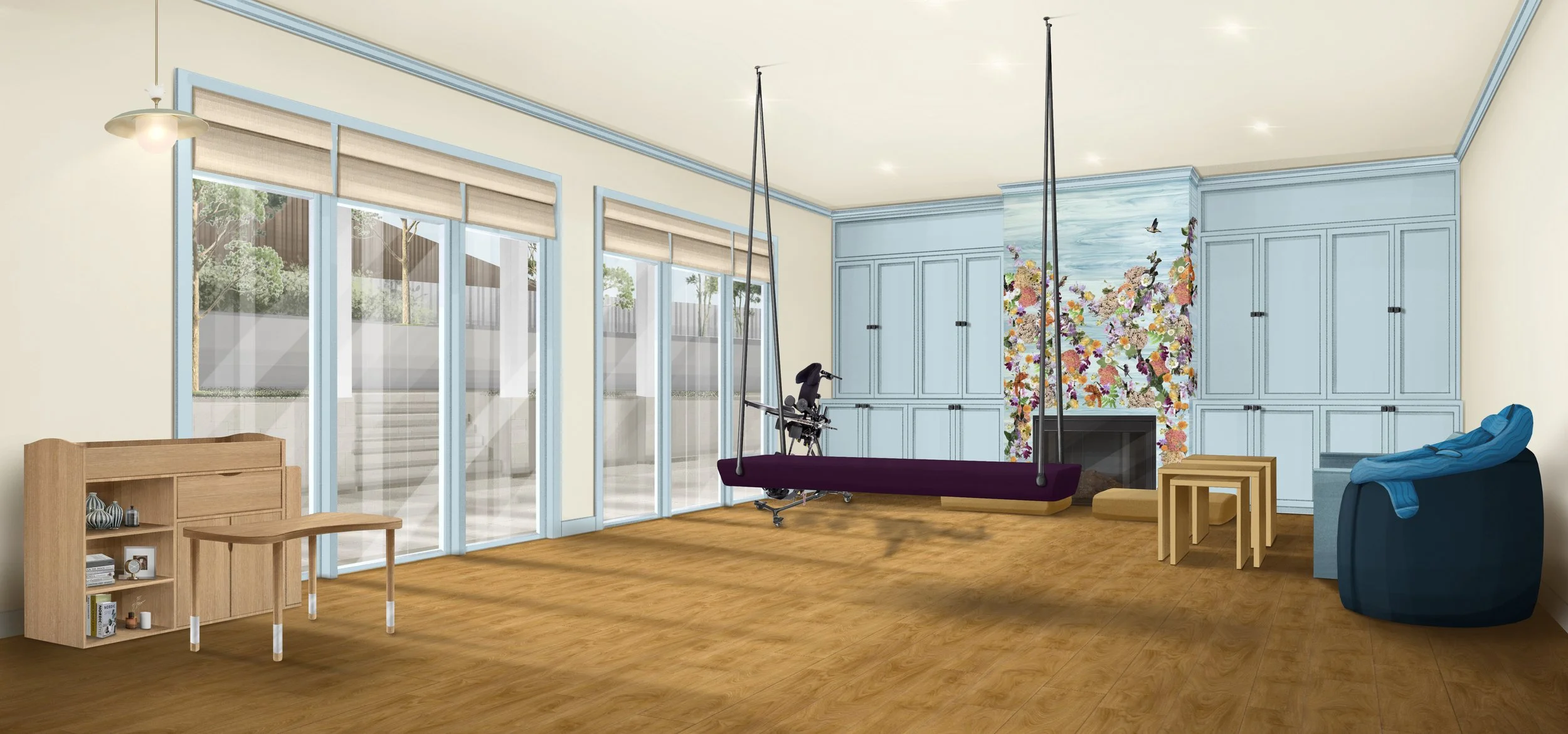
This detailed view highlights the meticulous artistry of the custom mosaic mural, bringing the vibrant ecosystem of California's flora and fauna directly into the home's interior. The design beautifully showcases the delicate textures of native species like Humboldt's Lily and Palmer's Indian Mallow, offering a highly tactile and visual experience for family members. This artwork exemplifies the project's core philosophy of naturalist glamour, connecting therapeutic, accessible spaces to fine art.
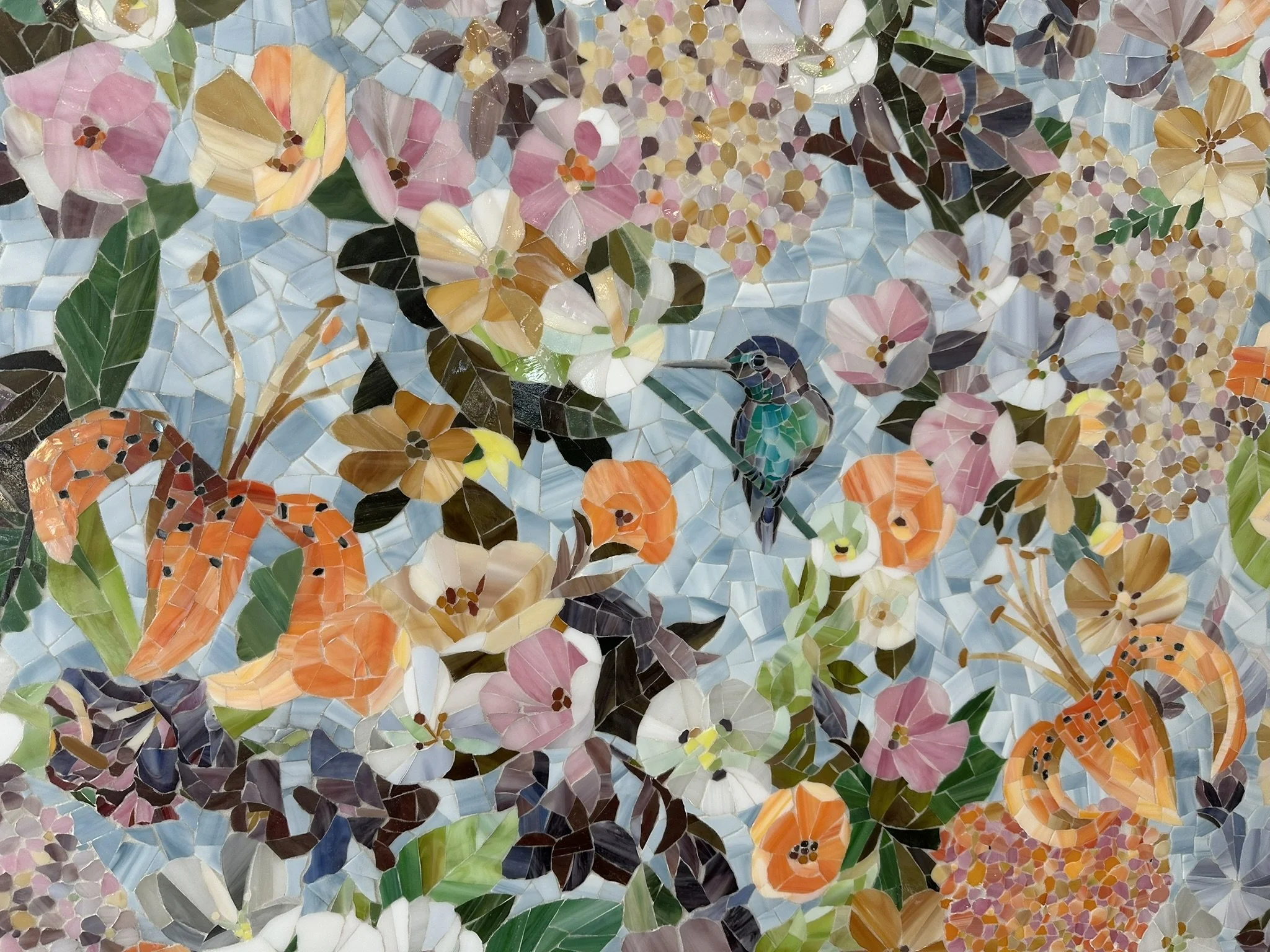
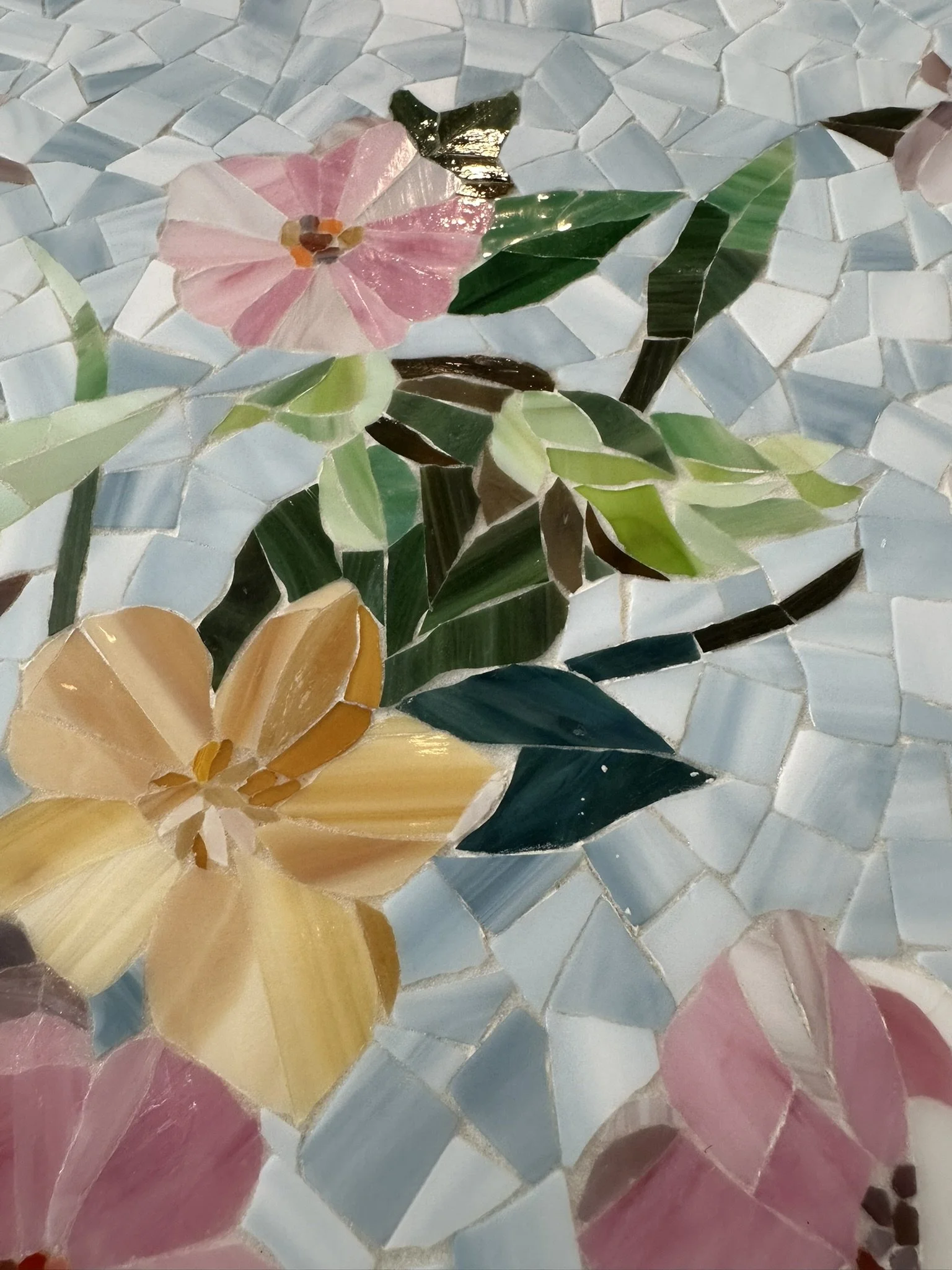
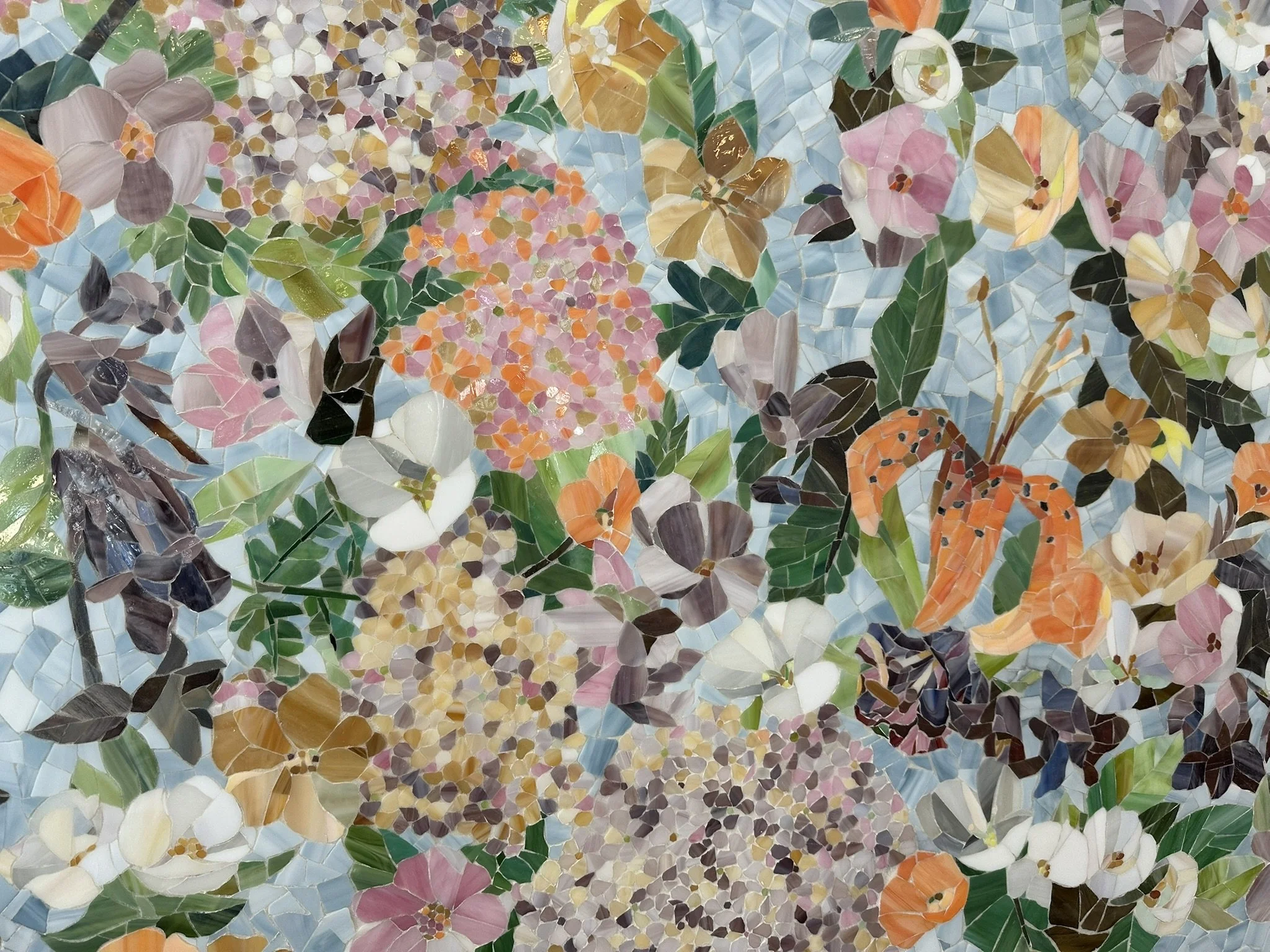
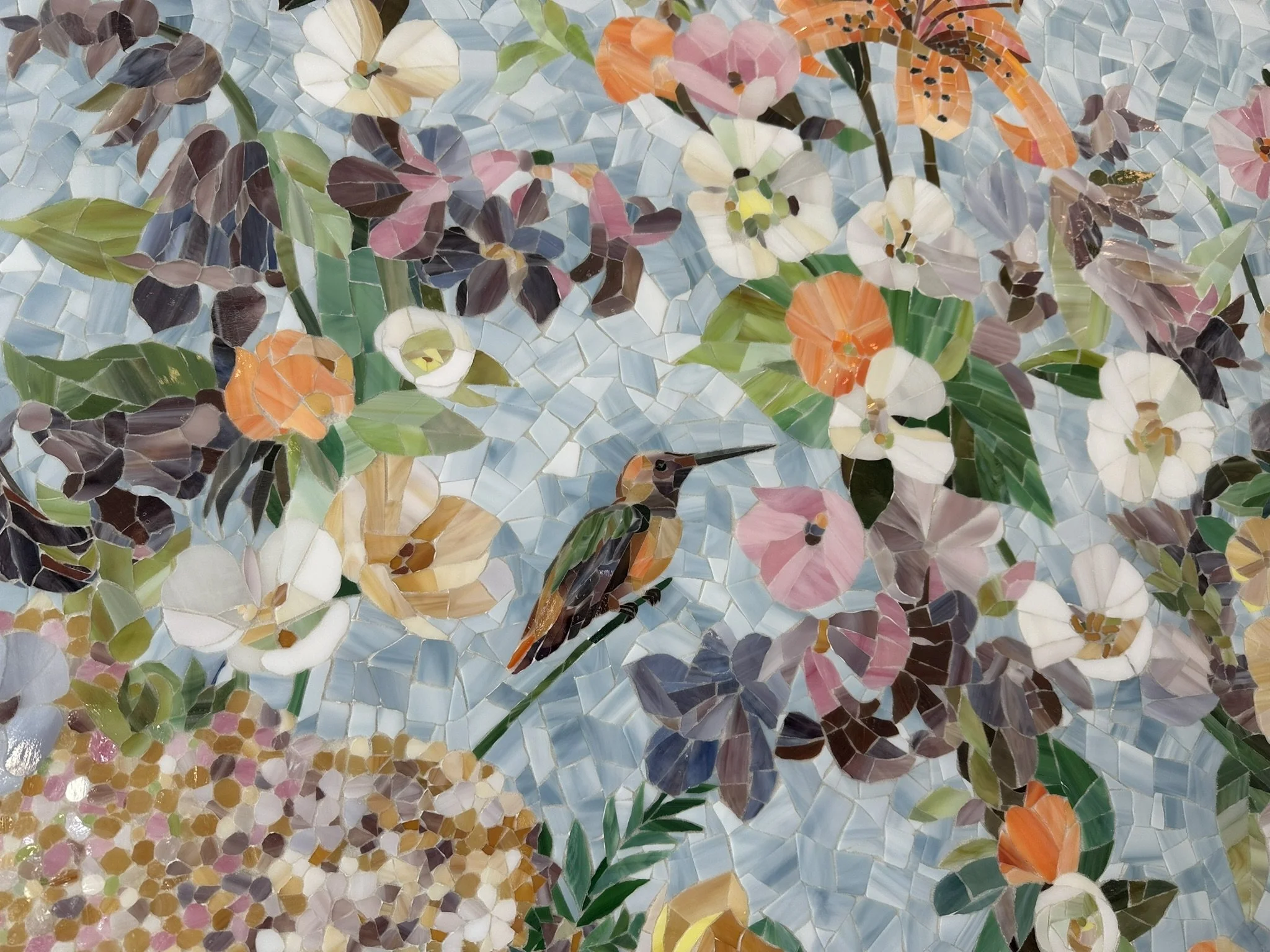
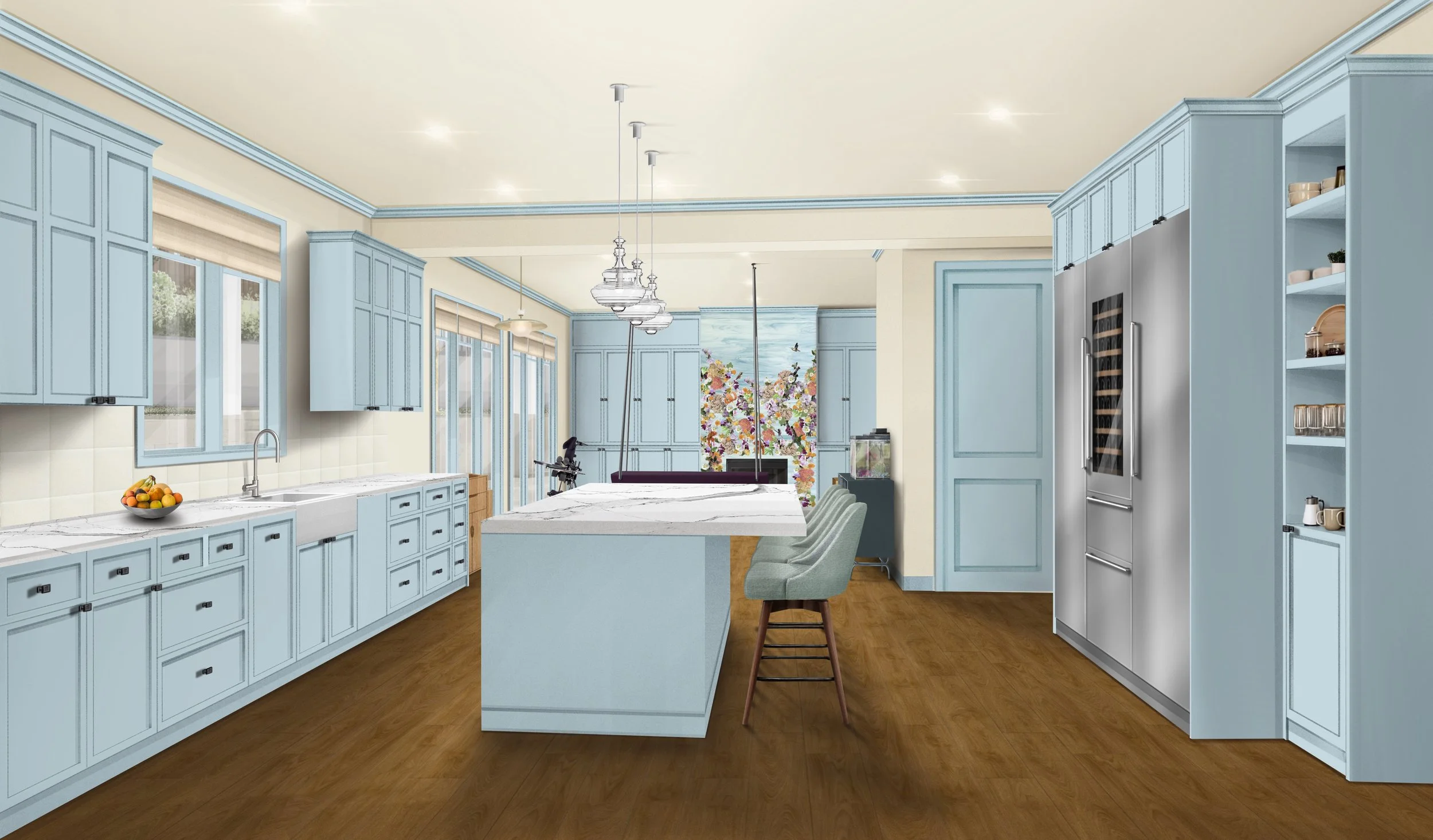
From the kitchen, the interior design maintains visual continuity by carrying the same pale sky blue palette from the family room's built-in cabinetry and trim directly onto the custom kitchen millwork. A backsplash of three-dimensionally carved marble features a subtle floral pattern that acts as a delicate texture from a distance and reveals deep artisan detail up close. Sturdy counter stools are wrapped in a resilient indoor-outdoor textile that remains remarkably soft to the touch. This perspective highlights the project's open-concept layout, featuring flush flooring and expansive pathways that keep the kitchen workstations fluidly connected to the family space, with the wildlife mural visible just beyond the counter.
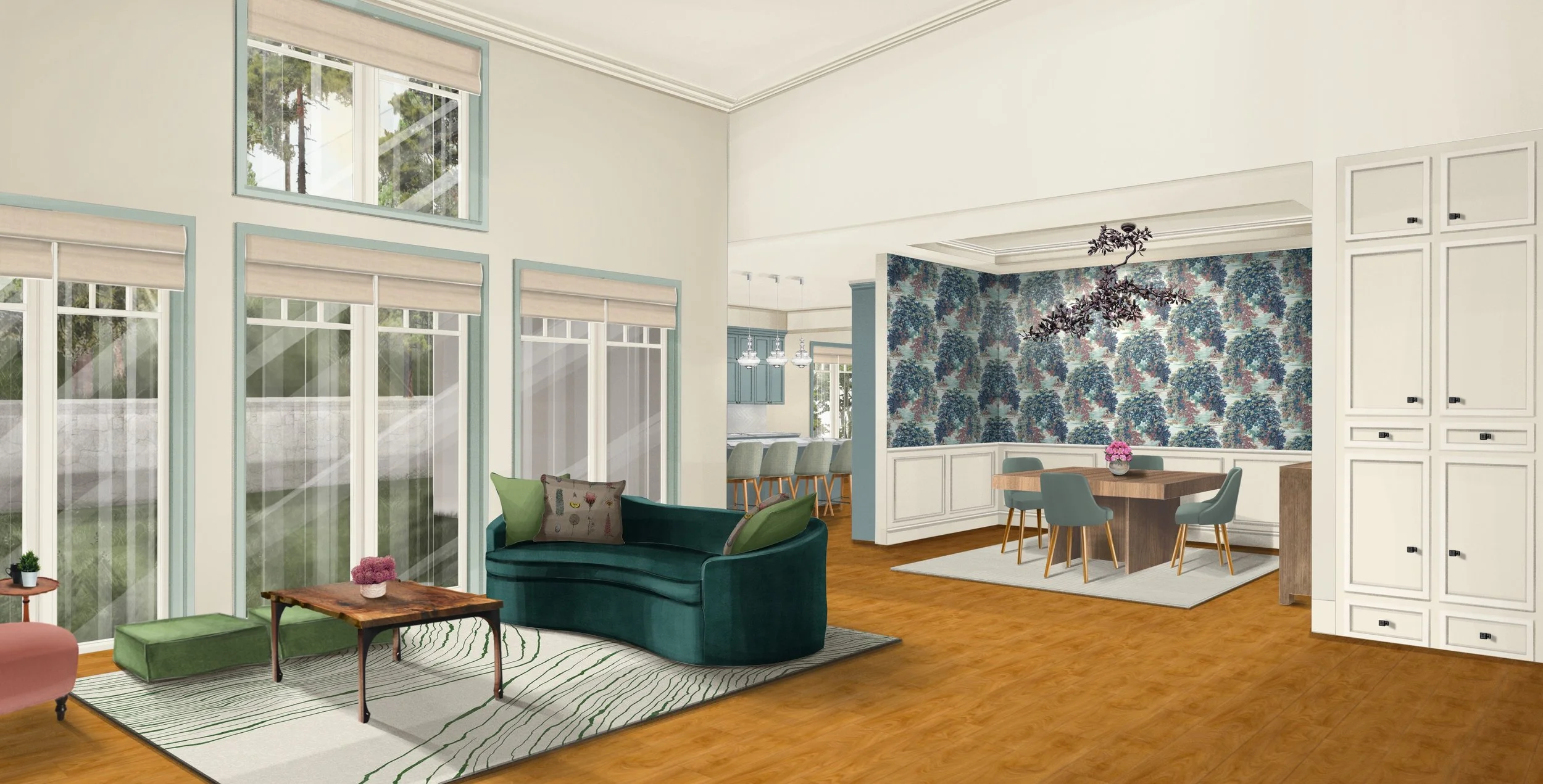
From the living room, the open floor plan provides a visual connection to the home's formal entertaining spaces, offering a clear view into the adjacent dining room, with the sky-blue kitchen visible in the distance. In the foreground, biophilic elegance shines through custom sofa toss pillows delicately embroidered with botanical motifs. Beyond the living area, the dining room features an elegant forest-patterned wallpaper in shades of teal, slate blue, and dusty rose, beautifully paired with a custom-fabricated oak-leaf chandelier. At the center sits a unique walnut dining table engineered with an internal self-storing leaf mechanism, accompanied by the family's original chairs thoughtfully reupholstered in a high-performance, healthcare-grade silicone faux leather. Grounding both spaces, a continuous flat floor surface and low-profile rugs help family members using mobility devices navigate seamlessly between rooms.
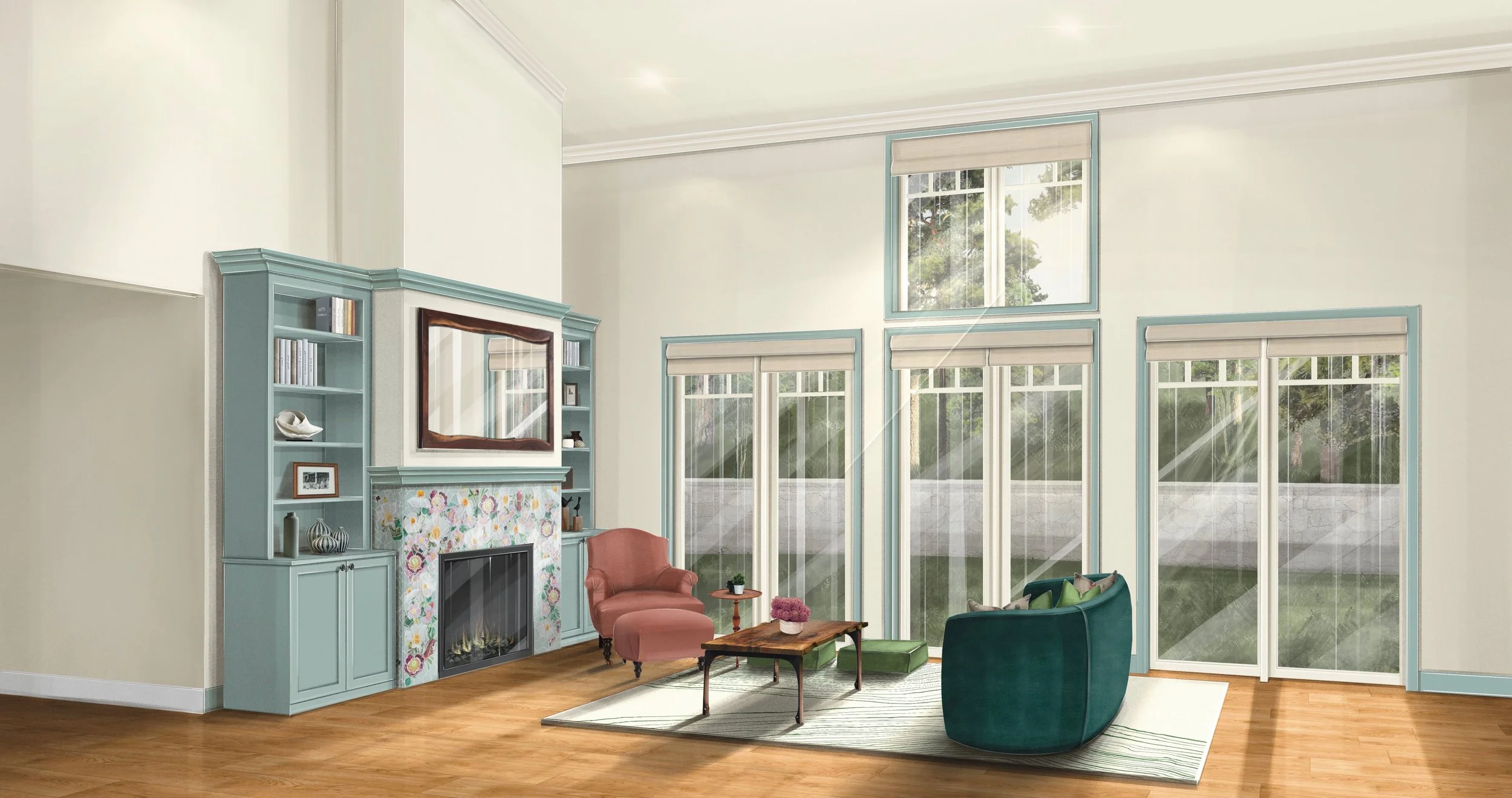
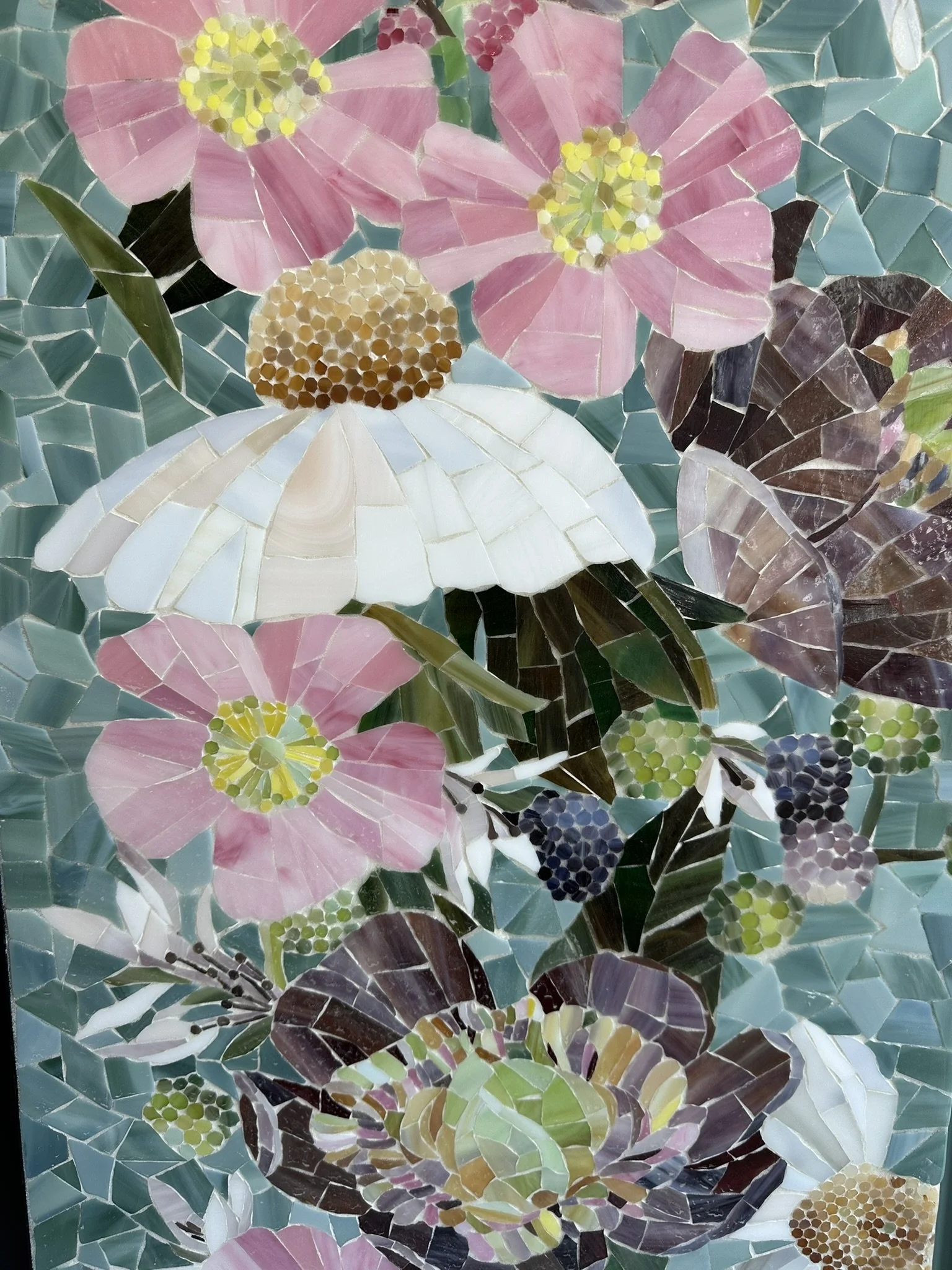
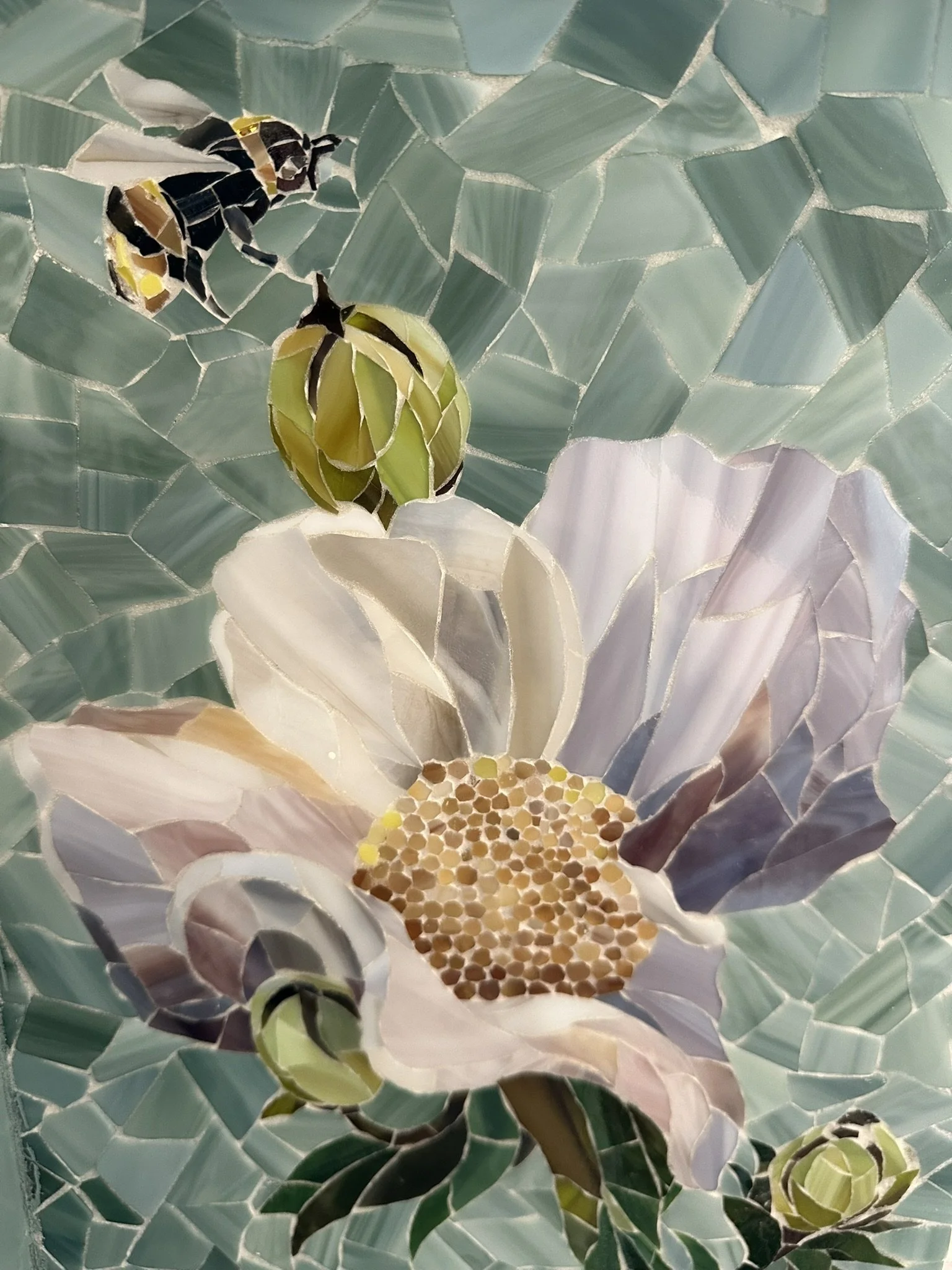
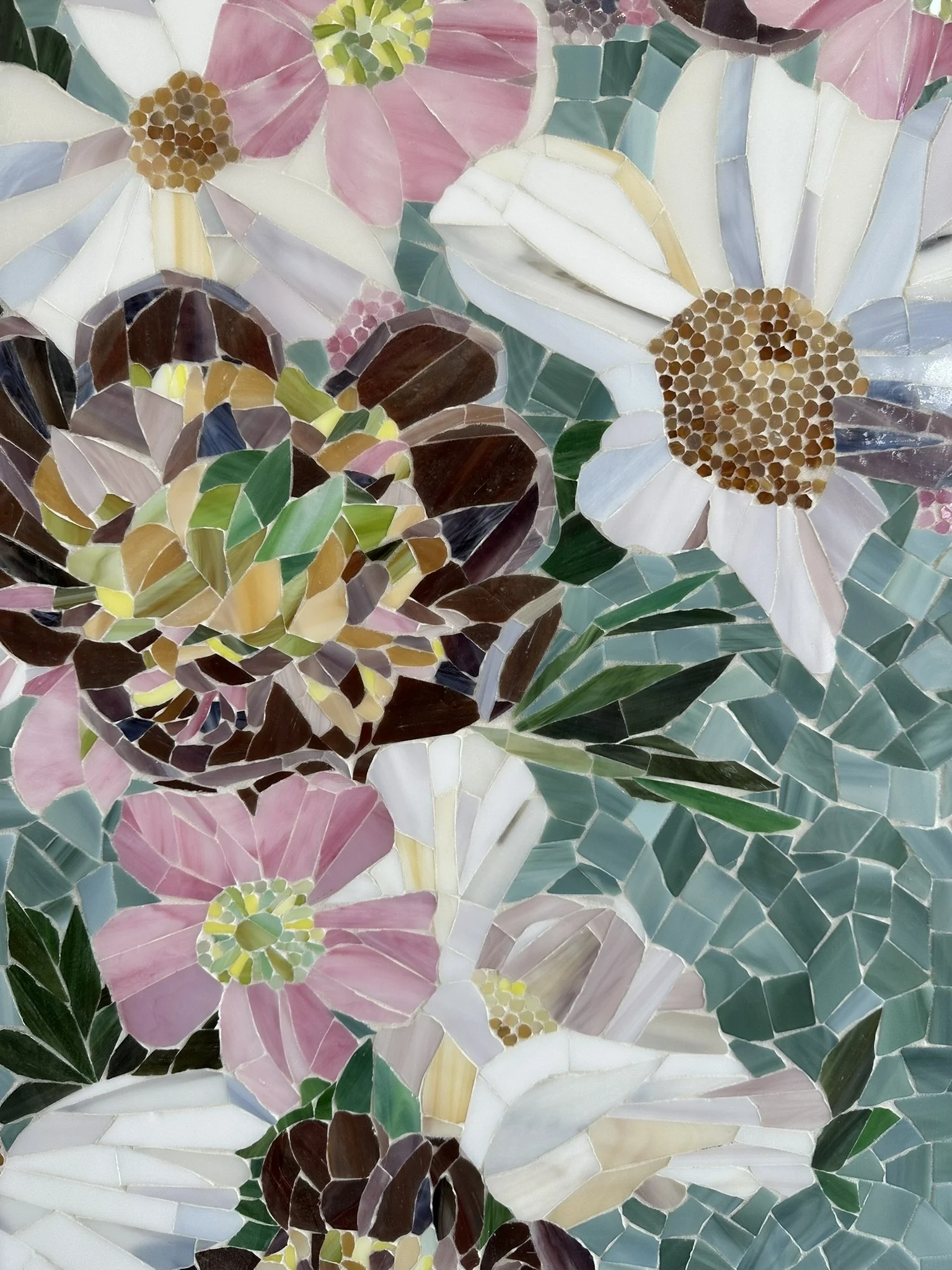
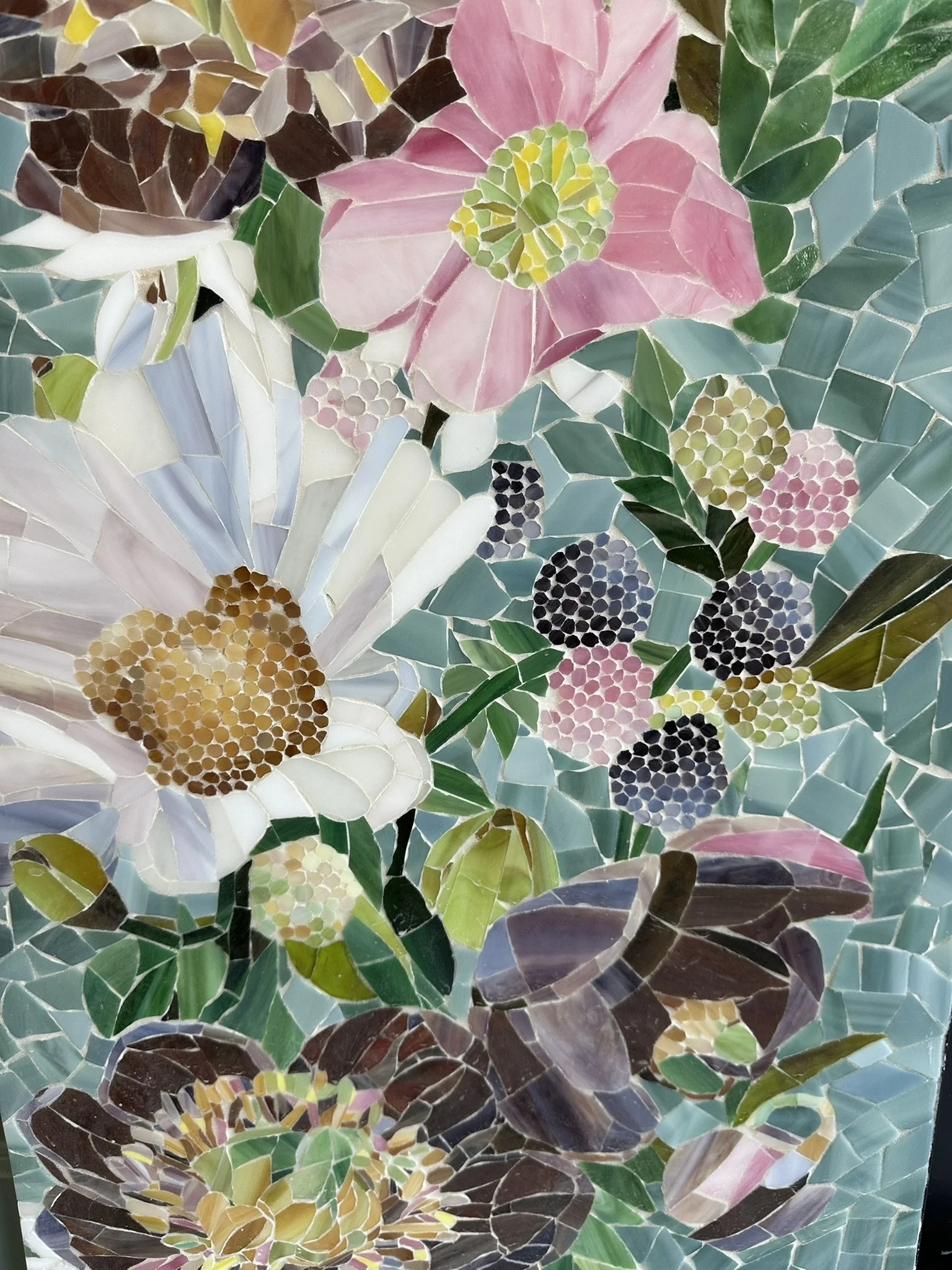
The formal living room centers on a custom mosaic fireplace surround that celebrates regional biodiversity and serves as the primary visual anchor of the space. The intricate artisan tile work brings the local landscape indoors by accurately depicting California native Peonies, Matilija Poppies, California Wild Roses, California Blackberries, and the Bombus californicus bumblebee. This vibrant floral motif bridges architectural details and fine art practice. Flanking the detailed hearth, custom cabinetry and clean architectural moldings provide a structured, traditional frame that balances the organic movement of the custom mosaic. To support inclusive wellness, the seating area maintains a wide turning radius and a low-profile, washable area rug.
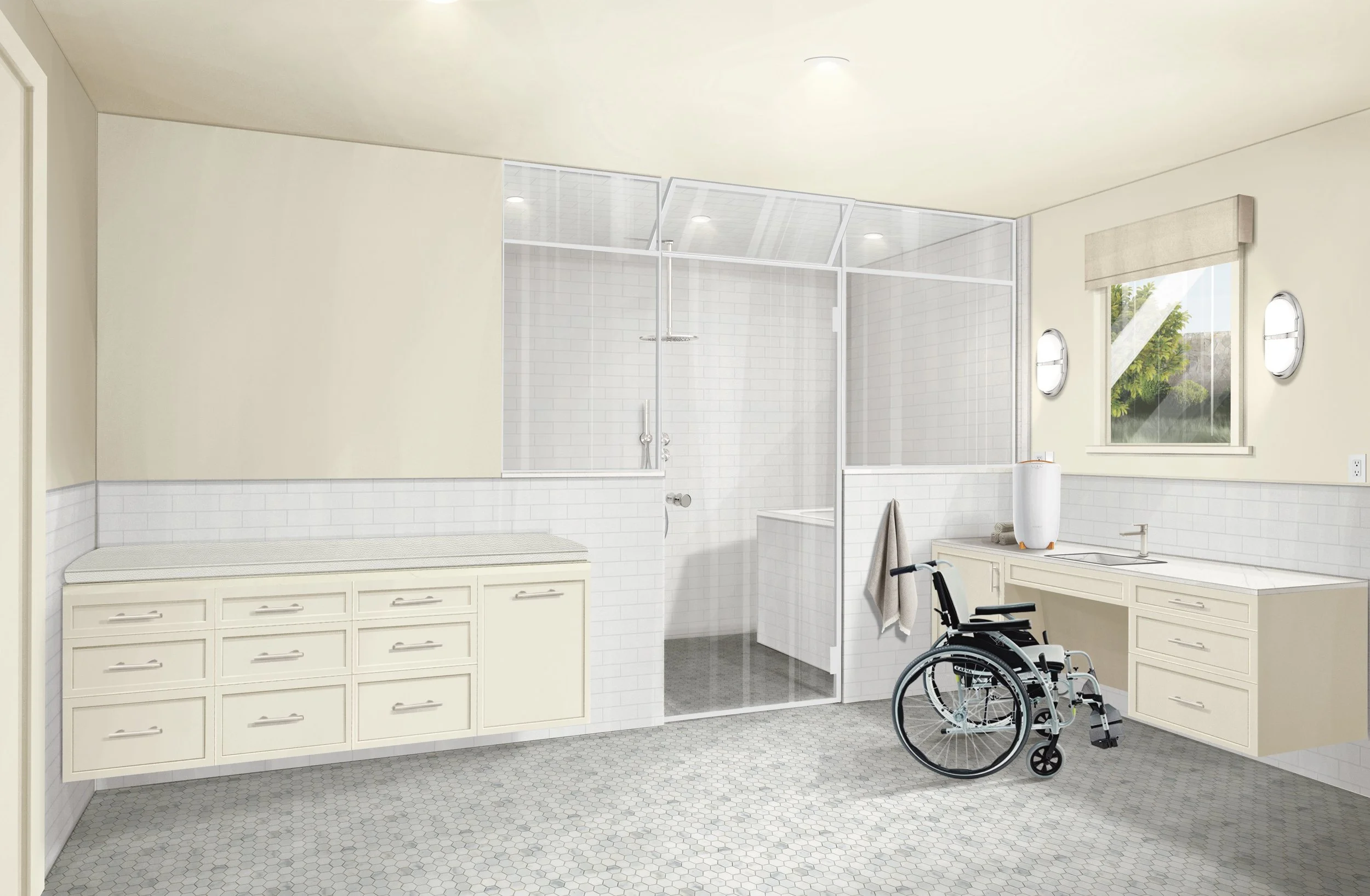
Tailored specifically for a family member with a vision impairment who uses a wheelchair, this inclusive bathroom combines traditional styling and premium materials with universal design principles. The vanity is engineered for a seated user, featuring an angled protective panel at the knee space alongside a 9-inch clear toe space below all surrounding wall-mounted cabinetry. In place of a mirror, a window features a motorized window treatment for easy, hands-free operation. The countertop hosts a freestanding towel warmer, adjacent to specialized cabinetry configured to hold a Diaper Genie and a silicone-leather changing-table cushion designed to accommodate the family member as they grow.
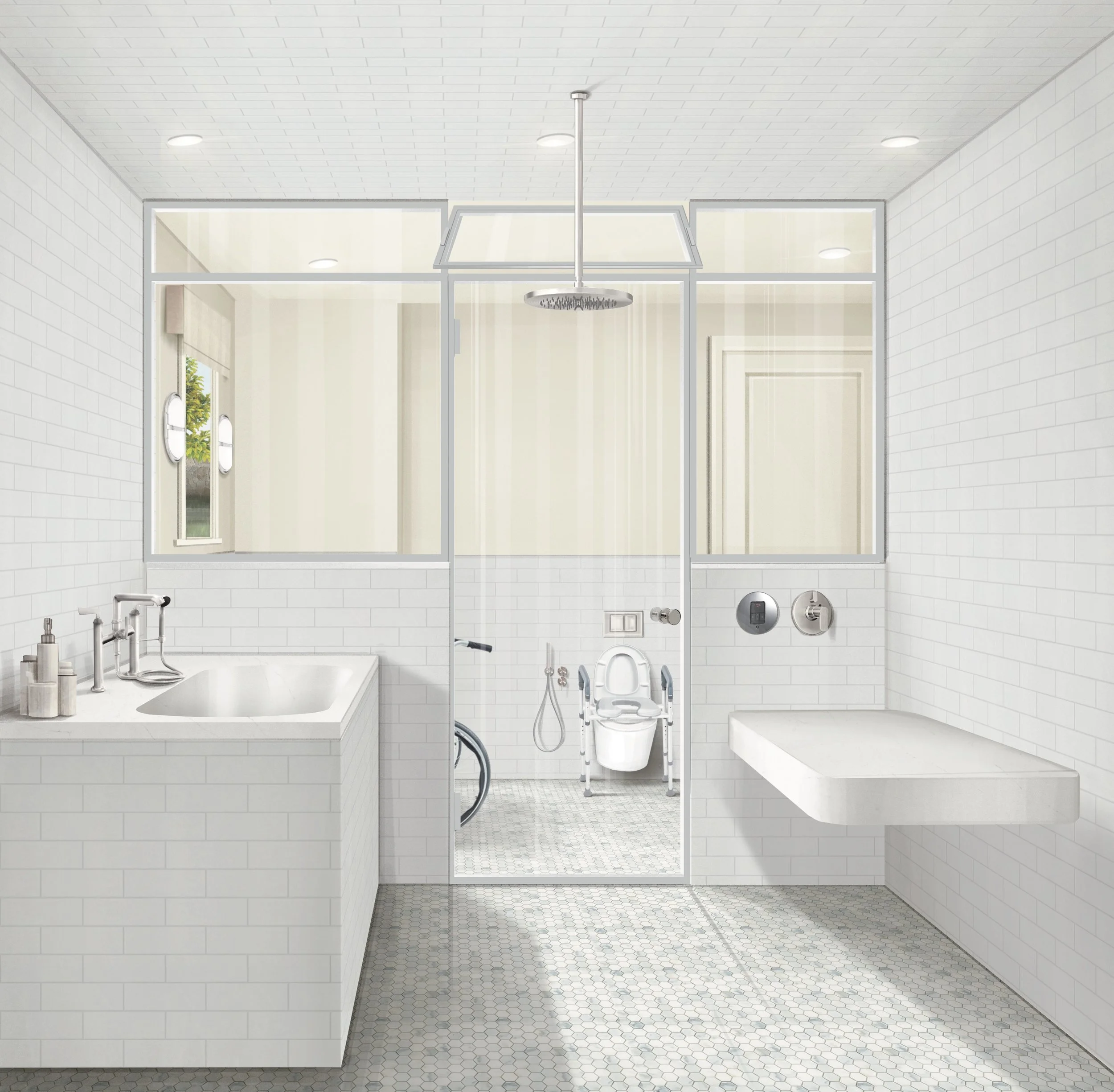
This view from inside the steam enclosure showcases a barrier-free wet room area designed with a curbless transition to comfortably accommodate a user and two caregivers simultaneously. Designed with an ample, open scale, the space highlights a raised bathtub outfitted with a therapeutic jet system, a wall-mounted shower table, an overhead rain shower experience, and a flexible hand shower. The custom glass enclosure features an operable vent in the upper portion to facilitate using the space with or without a steam experience. Functional design is woven discreetly throughout, including a vanity cabinet configured for pass-through access to the bathtub motor and a utility closet providing a dedicated service access point for the steam system.
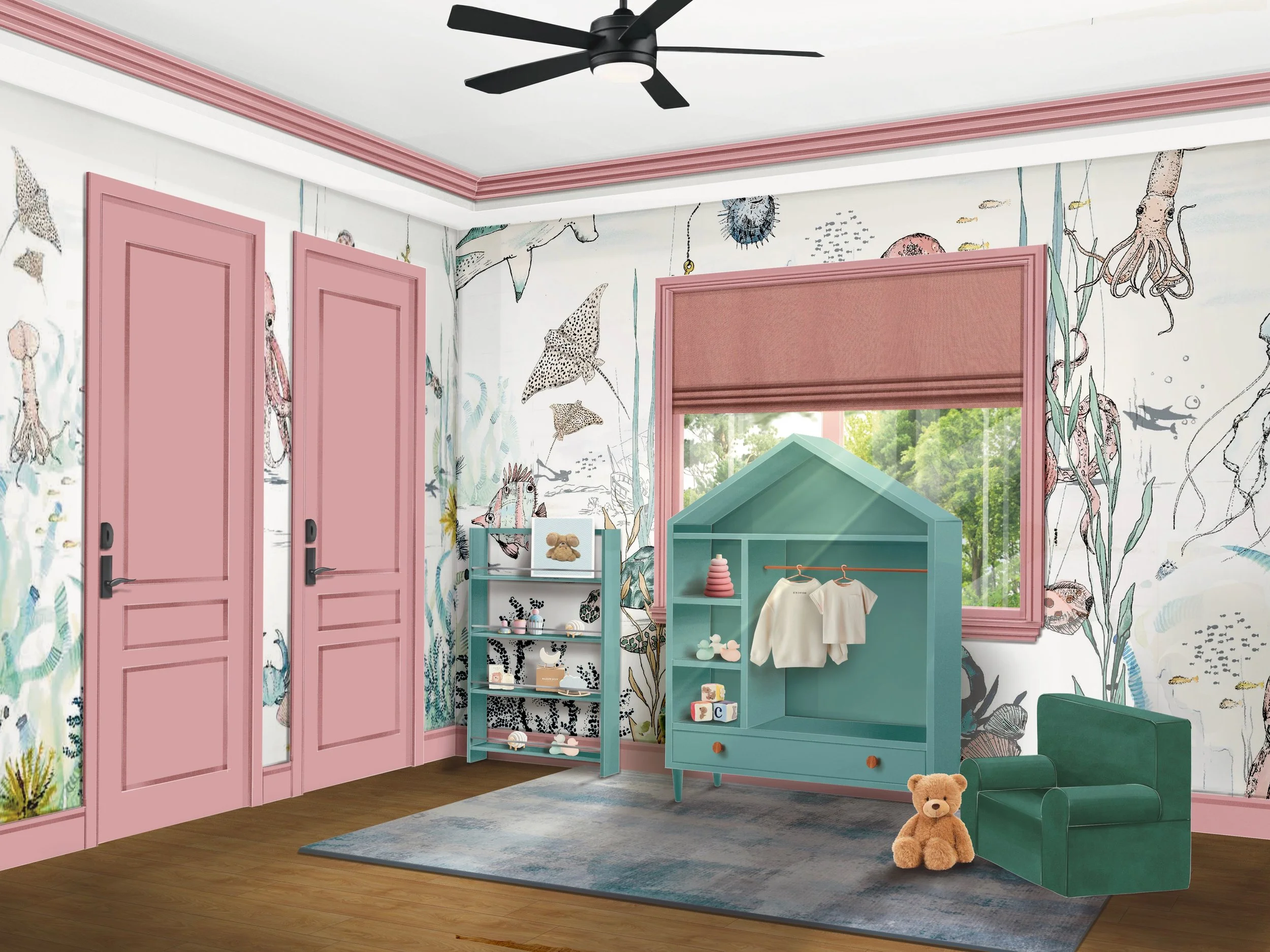
The child's bedroom interior design introduces a whimsical underwater-themed wallpaper rendered in soft pinks and varying shades of teal, creating an imaginative environment. Custom, child-height storage solutions and open shelving are meticulously designed to promote independent movement, keeping toys and belongings easily reachable. A child-sized upholstered armchair in deep teal provides a comfortable, supportive reading spot tailored perfectly to the scale of the room. The custom closets feature a forward-thinking design, making them fully accessible to the child now and easily adaptable to their needs as they grow. Grounded by a flat, washable rug and motorized window treatments for hands-free operation, the layout beautifully ensures a safe, navigable, and healthy space for play and rest.
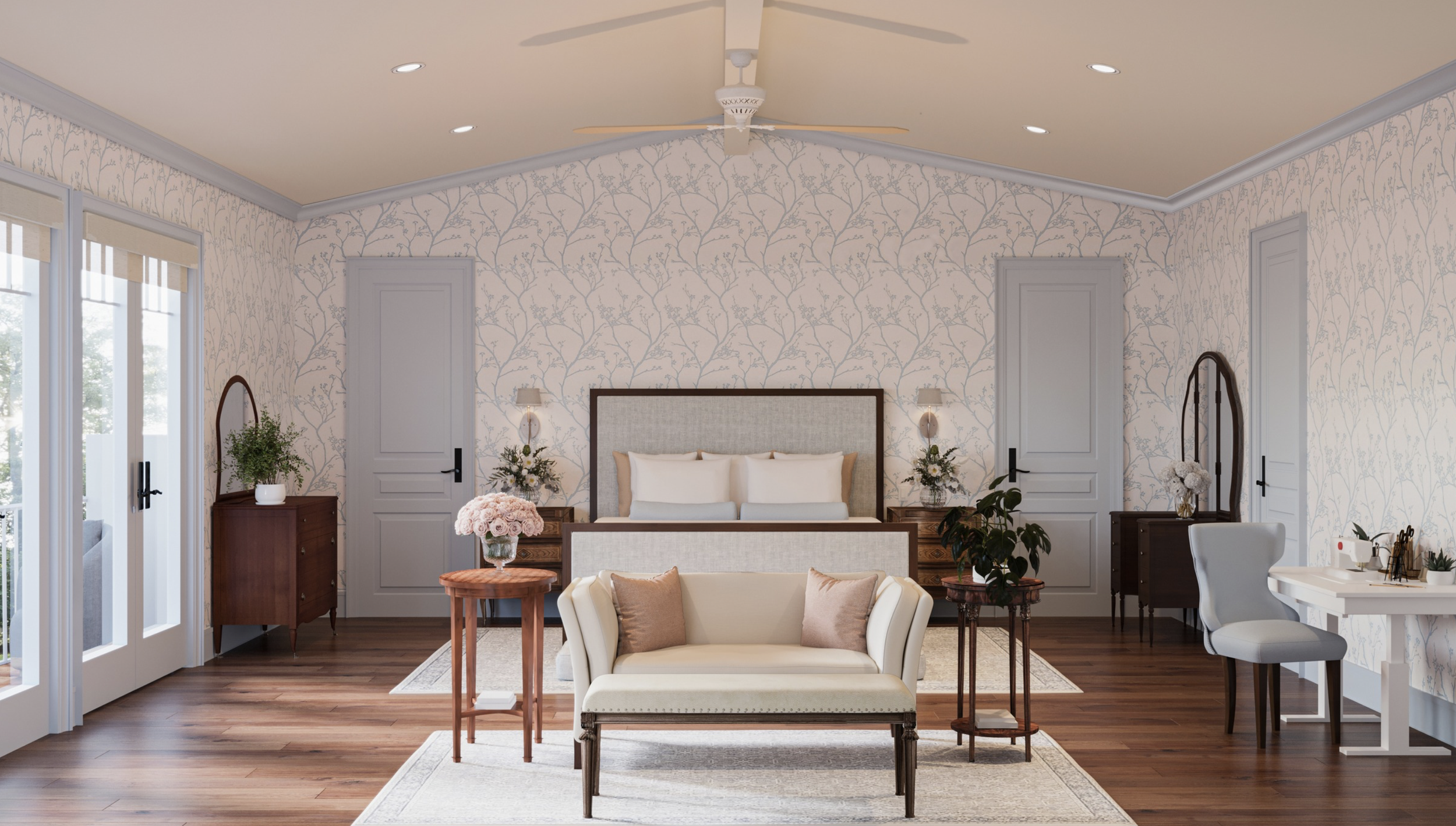
The primary bedroom transitions the residential narrative into a calm, restorative retreat, utilizing a soothing icy-blue palette and delicate floral wallpaper. Keeping holistic family health at the forefront, the custom-made bed is crafted with natural materials and dressed in certified organic linens. This view highlights how the client's treasured original antique dressers are balanced on opposing walls. Universal design principles extend into the room's functional corners, featuring a sewing table tailored to comfortably accommodate different physical needs and postures.
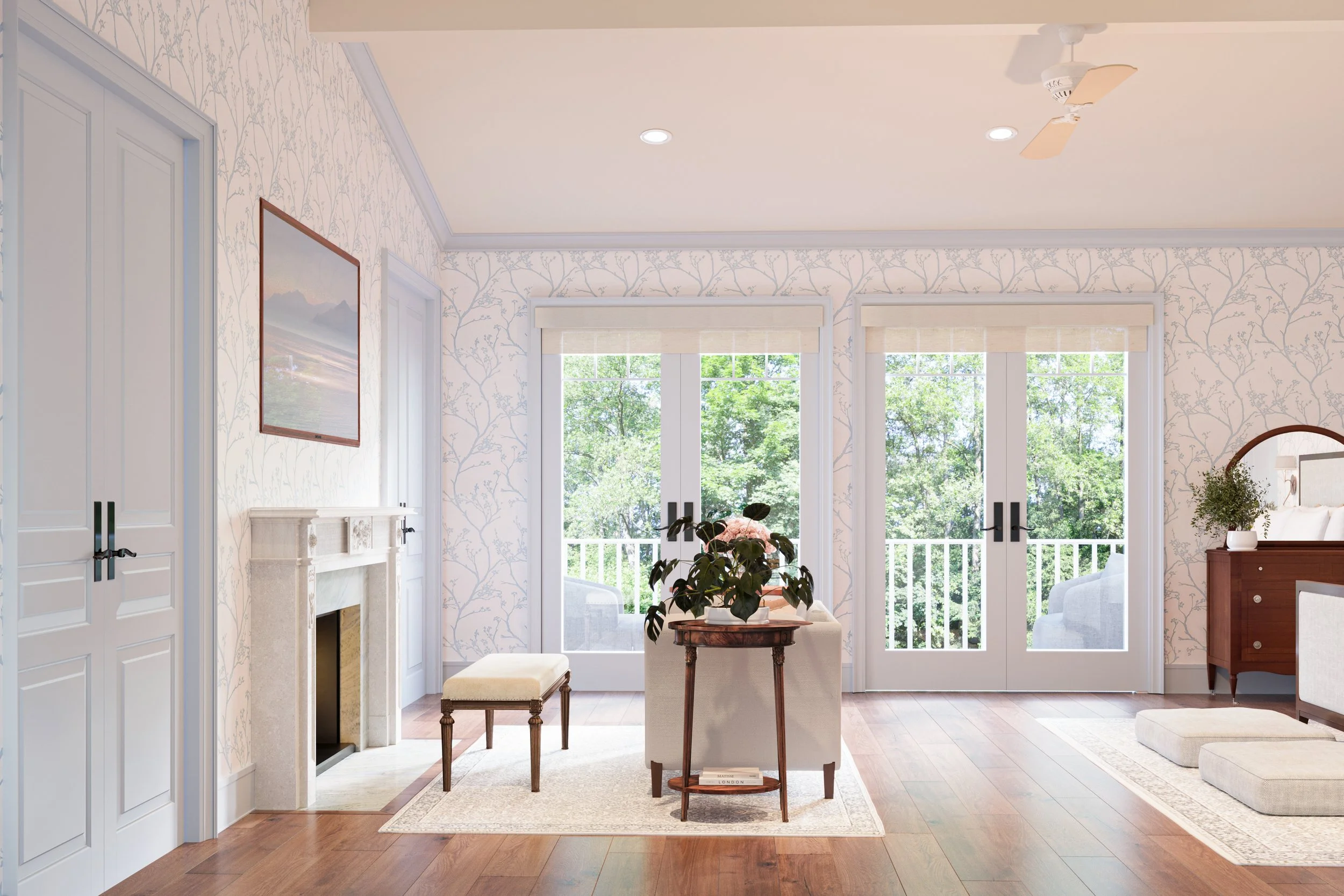
This perspective of the primary bedroom centers on a bright seating area framed by expansive double glass doors, showcasing the project's blend of historic charm and layout accessibility. The arrangement displays a curated reproduction bench and an authentic antique side table that ground the sitting space. Neatly integrated into the floor plan, custom pet beds upholstered in a high-performance, coordinating textile ensure the family's companion animals are warmly accommodated.
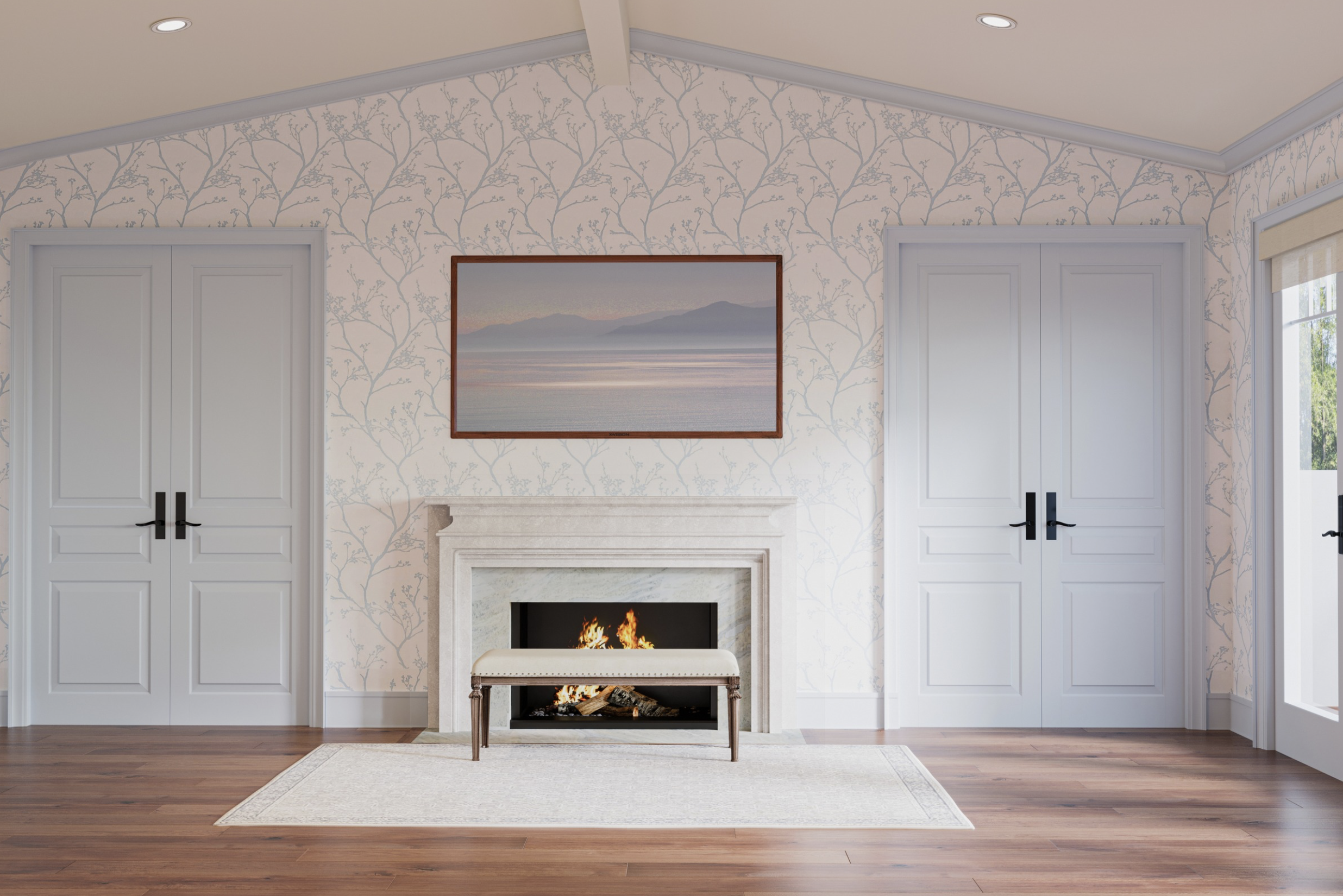
This final view showcases the primary bedroom's architectural symmetry, centering on a custom limestone fireplace with a natural stone slip and a flush hearth seamlessly integrated into the hardwood flooring. Above the mantle, a fine art photograph of the Salton Sea elegantly conceals a hidden television. The room’s delicate floral wallpaper wraps the walls in a soft pattern, framing the double doors and creating a balanced, classic layout. Grounded by a low-profile, flat area rug and a soothing color palette, this space highlights the project's thoughtful neuro-inclusive interior design principles, emphasizing a classic aesthetic and sensory calm.
Sarah Barnard is a WELL and LEED accredited interior designer and creator of environments that support mental, physical, and emotional wellbeing. She creates highly personalized, restorative spaces that are deeply connected to art and the preservation of the environment. A certified California Naturalist, Sarah believes in celebrating nature through responsible design that works symbiotically with the local environment.
An advocate for consciousness, inclusivity, and compassion in the creative process, Sarah has appeared in Architectural Digest, Elle Décor, Vogue, HGTV, and many other publications. Sarah was recognized as a "Ones to Watch" Scholar by the American Society of Interior Designers (ASID) and has been awarded "Best of Houzz Design" for seven consecutive years. Sarah's MFA in visual arts from Claremont Graduate University informs her practice and innovative approach toward interior design as creating a living work of art.

California Interior Design: Hybrid Styles + Global Influences

CALIFORNIA INTERIOR DESIGN BY SARAH BARNARD, PHOTO: BRAD NICOL.
The Golden State has generated many interior design aesthetics over the decades, from Hollywood Regency to California Modernism. The latest style to surge in popularity isn't a singular force, but a convergence of California eclecticism and global influences.
California is the most diverse state in America, home to 11 million immigrants, and 17 million transplants from other parts of the country. Coming from the nation's most populous melting pot, Californians have a deep appreciation for a variety of arts and culture. A study of Google search trends reveals that California is also the most well-traveled state in America, which explains why many Californians draw inspiration from their personal histories when decorating their homes.

BIOPHILIC INTERIOR DESIGN BY SARAH BARNARD, PHOTO: BRAD NICOL.
Home designer Sarah Barnard, WELL AP + LEED AP, is a native Angeleno who founded her design studio 17 years ago in the entertainment capital of the world. The early aughts were the height of celebrity couple nicknaming when monikers like Bennifer, Brangelina, and TomKat grabbed gossip blog headlines. Hollywood culture is woven into the fabric of Los Angeles and has even seeped its way into home design and how we label aesthetics. Using Barnard's past projects as inspiration, we brainstormed eight portmanteaus that celebrate California's blended design styles.

CALIMINIMALISM INTERIOR DESIGN BY SARAH BARNARD, PHOTO BY STEVEN DEWALL.
"Caliminimalism" (California + Minimalism). Neutral color schemes, natural elements, and seamless indoor/outdoor living define the California-cool aesthetic. This pairs perfectly with a minimalist style, which emphasizes clutter-free spaces, neutral or all-white color schemes, and functionality. These approaches complement one another, creating a new aesthetic that's warm and comfortable, yet practical.



CALITERRANEAN INTERIOR DESIGN BY SARAH BARNARD, PHOTO: SCOTT VAN DYKE.
"Caliterranean" (California + Mediterranean). Much of California has a Mediterranean climate, so it makes sense that the state's inhabitants have long borrowed from Mediterranean architecture and landscaping. California's take on Mediterranean style is a blend of Italian, Spanish, Moorish, and Mission influences. Stucco finishes, intricate tilework, dark wood tones, archways, and wrought iron accents characterize the aesthetic.


ETHICALI INTERIOR DESIGN BY SARAH BARNARD, PHOTO: STEVEN DEWALL, ARTWORK: RENAE BARNARD.
"Ethicali" (Ethical + California). California has paved the way for renewable energy and sustainable home design in America. It's no surprise, then, that residents value healthy, sustainable interiors. By adopting the Ethicali aesthetic, you can design beautiful spaces using non-toxic, naturally-derived materials, and finishes. These materials extend from FSC-certified wood furniture, chemical-free textiles, and zero-VOC interior paints, all the way to eco-friendly wood wax finishes, natural latex foam fillers, and organic cotton batting.


SCANDIFORNIAN INTERIOR DESIGN BY SARAH BARNARD, PHOTO: STEVEN DEWALL. ARTWORK: RENAE BARNARD.
"Scandifornian" (Scandinavia + Californian). Although separated by thousands of miles, California and Scandinavia share an appreciation for neutral color schemes, natural fibers, sustainably-sourced wood, and intentional accessories. The term "Scandifornian style" wasn't coined by us; however, it's certainly grown in popularity over the past couple of years. The combined style melds coastal California influences with the simplistic forms and function of Scandinavian interior design.


CALICOTTAGE INTERIOR DESIGN BY SARAH BARNARD, PHOTO BY SCOTT VAN DYKE
"Calicottage" (California +Cottage). California, and Los Angeles in particular, is home to a surprising number of Cape Cod-style cottages. To prevent a California cottage from looking like it's been airlifted from a coastal New England town, it's important to honor its sense of place by bringing in native plants, lightweight textiles, brighter color schemes, and timeless furniture pieces.

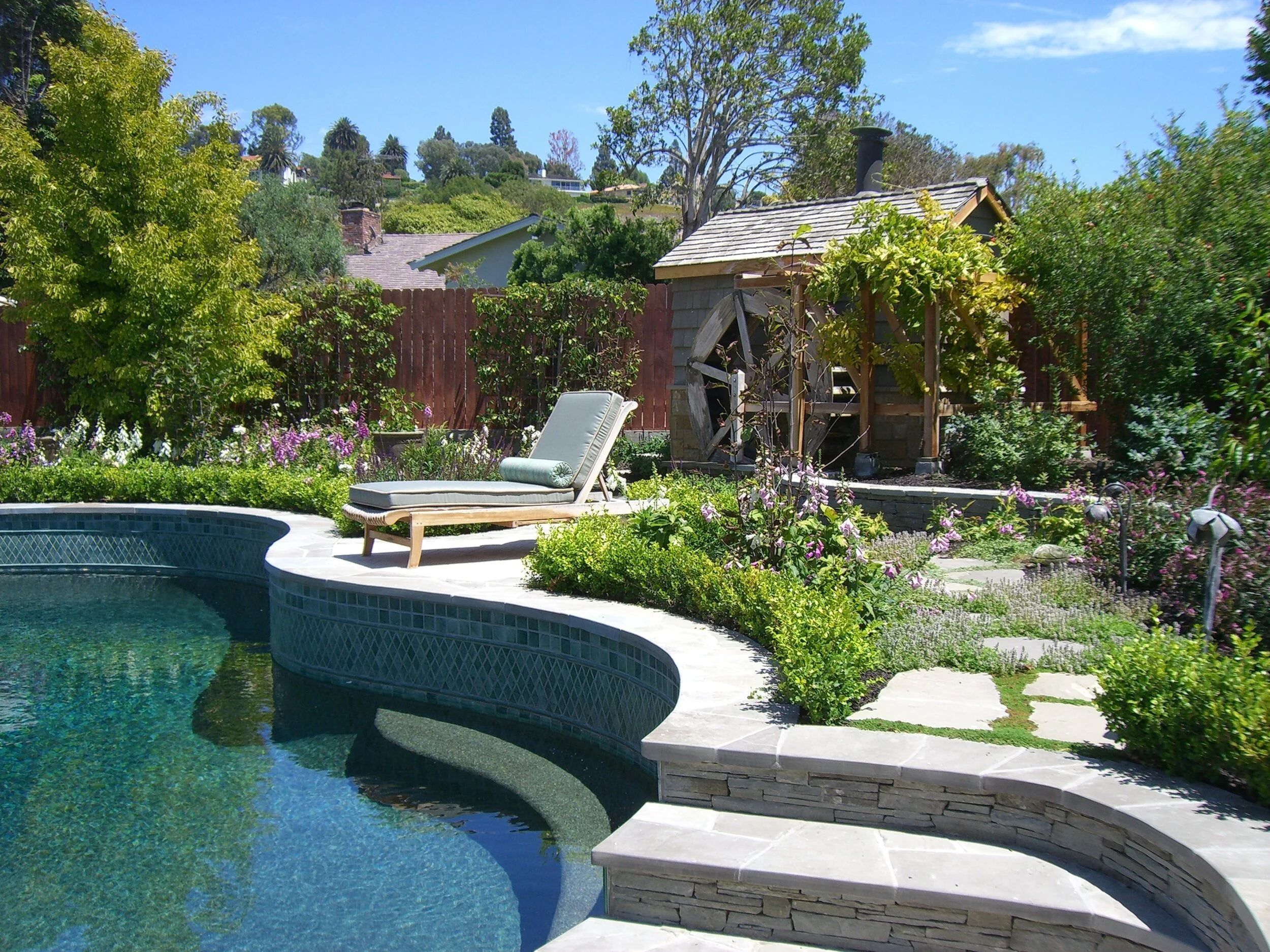


FRANCOFORNIA INTERIOR DESIGN BY SARAH BARNARD, PHOTO BY: CHAS METIVIER, ARTWORK: RENAE BARNARD
"Francofornia"(French loving California). French and California home design sensibilities are surprisingly chic when blended. Classic French interiors can read overtly formal and ornate; offsetting the style with pared-back California comfort can make a Francofornia space feel fresh and au courant. Think custom-designed, French antique-inspired furniture made from sustainable materials and non-toxic French linen window treatments.
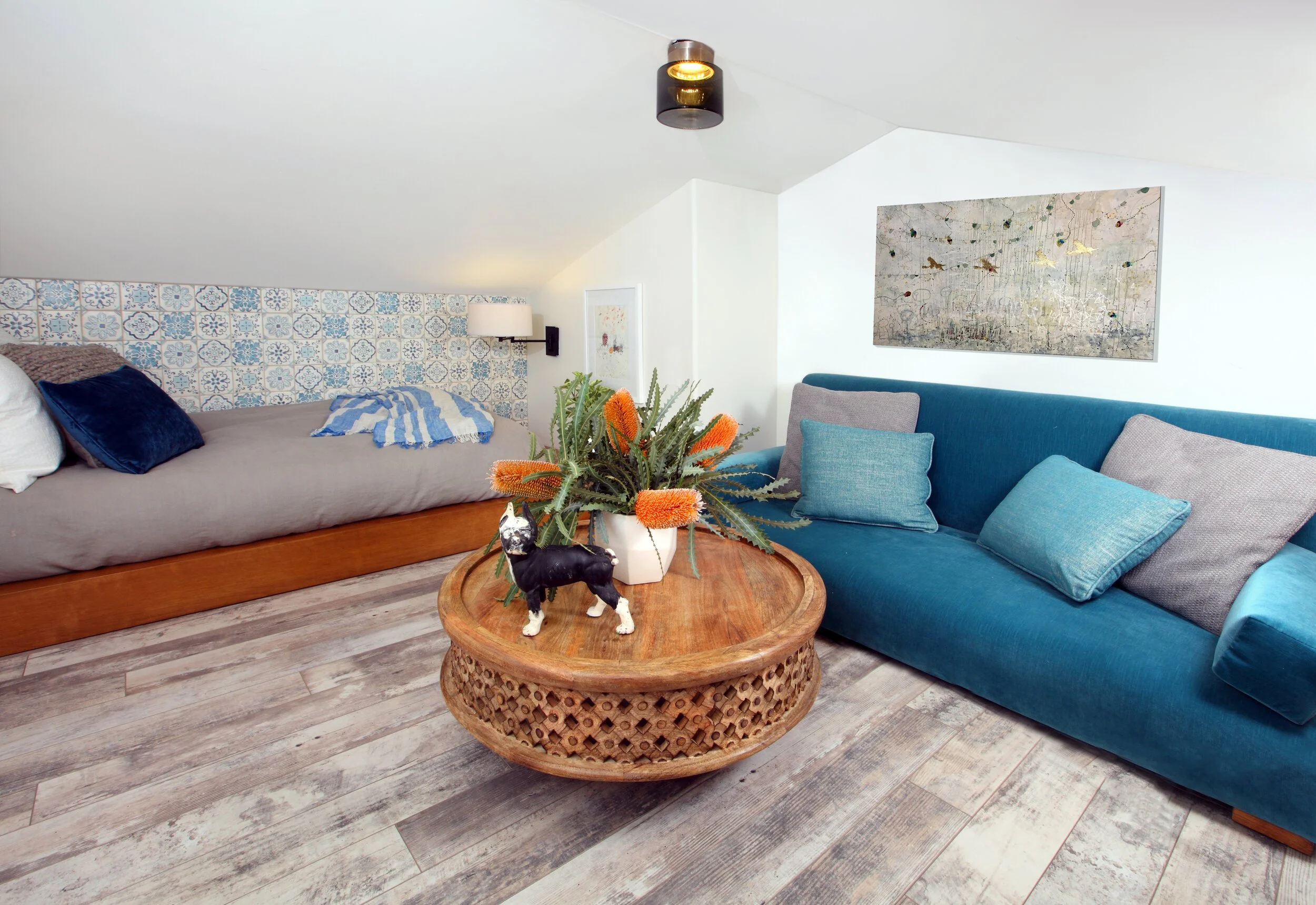


TUDORNIA INTERIOR DESIGN BY SARAH BARNARD, PHOTO BY STEVEN DEWALL, ARTWORK BY KEVIN MOORE.
"Tudornia" (Tudor + California). Tudor-style homes are all about opulence. In the United States, they peaked in popularity during the 1920s and 30s, which is why you'll often spot them in historic L.A. neighborhoods like Beverly Hills, Pacific Palisades, and Hancock Park. Even in present times, their interiors tend to be quite traditional. To achieve the Tudornia aesthetic, mix contemporary art, California-inspired furniture pieces, and colors with time-honored finishes and wall coverings.


"Coho" (California + Boho). The bohemian home design style has deep roots in the counterculture movement of the 1960s — the epicenter of which was in California. That free-spirited nature hasn't faded from the state, and many Californians continue to embrace vibrant colors, striking patterns, abundant plant life, and natural materials. The California approach to bohemian style is a bit more subdued and intentional; the silhouettes are modern, the colors are muted, and the decor is unobtrusive.

COHO INTERIOR DESIGN BY SARAH BARNARD, PHOTO: ACE MISUNIAS, ARTWORK: KEVIN MOORE
California's interior design is multifaceted, just like the state's nearly 40 million inhabitants. Californians draw on their diverse backgrounds and experiences to develop inclusive home design styles that function in their specific climate, geography, and social environment. Coining design phrases gives us the expressive language to convey the melding of ideas and cultures that exists in California.


Sarah Barnard, WELL AP + LEED AP, is a leading designer of personalized, sustainable, restorative spaces that are deeply connected to nature and art. Barnard’s designs celebrate the natural world while contributing to its preservation. Barnard is an advocate for consciousness, inclusivity, and compassion in the creative process. Through her speaking engagements, pro-bono work, and writing, Barnard hopes to draw attention to these critical design objectives.
Barnard holds a Master of Fine Arts degree from Claremont Graduate University as well as undergraduate degrees in Art and Interior Architectural Design. Barnard was recognized as an American Society of Interior Designers (ASID) Ones to Watch Scholar in the program’s inaugural class and in 2018 Locale Magazine named Barnard “Los Angeles’ Favorite Interior Designer.”
Barnard has given lectures at the University of California, Los Angeles (UCLA), California State University, Northridge (CSUN), Fashion Institute of Design and Merchandising (FIDM), and SCALE: The American Society of Interior Designers (ASID) National Student Summit. She has presented at the LA Home and Garden Show, Pacific Design Center, California Preservation Foundation, and Textile Arts LA. Most recently, OM Chats hosted Barnard and fellow design leaders to take part in a multi-speaker conversation around the role of empathy in design.

The Power of Wellness Design

INTERIOR DESIGN: SARAH BARNARD, ARTWORK: RENAE BARNARD + RUBEN VINCENT, PHOTO: STEVEN DEWALL
Wellness is not a buzzy topic, but is sure seems like it this year. Forbes declared this year to be the year of the wellness revolution, Vogue called it the new luxury status symbol, and Fast Company highlighted the industry’s $4.2 trillion valuation.
Earlier this summer, Sarah Barnard Design attended a panel discussion on Design x Wellness at the Helms Bakery District. The event was held in conjunction with the LA Design Festival and was moderated by California Interiors Editor-in-Chief Kelly Phillips Badal.
Three panelists, all from various design backgrounds, contributed to the lively back-and-forth, which centered around “achieving a healthy and organized life.” There were a number of takeaways to be gleaned from the discussion, including how organizational systems can combat stress and how proper lighting can improve sleep quality.


The panelists had only 45 minutes to discuss the topic, but a lot more could be said about the wellness movement as it relates to interior design. A holistic approach to wellness home design goes much deeper than organizing and lighting. There are a multitude of things to consider — the paint on the walls, the upholstery of a chair, the artwork on display. “It’s the interconnectivity between all the different elements that makes the space healthy and well,” offers Principal Designer, Sarah Barnard.

INTERIOR DESIGN: SARAH BARNARD, ARTWORK: KARRIE ROSS, BRIAN JOHNSON, RENAE BARNARD, PHOTO: CHAS METIVIER
Skilled interior designers leverage their knowledge of sustainable, non-toxic materials and finishes to craft healthy, personalized spaces for their clients. “For chemically sensitive clients and clients who value organic interiors, most often furnishings and artworks are handmade for them,” says Barnard.


A recent project for a highly-educated, well-traveled client featured the use of bespoke antique reproductions. “It gives us control over the materials, natural finishes, the scale, and it allows us to support the local economy,” says Barnard. Every detail was carefully considered, from the organic linen draperies to the custom designed floor sofa and the handmade, FSC-certified walnut dining table. “These are things a client would never find on their own because they are not sold in stores, and they just can’t be had otherwise.”
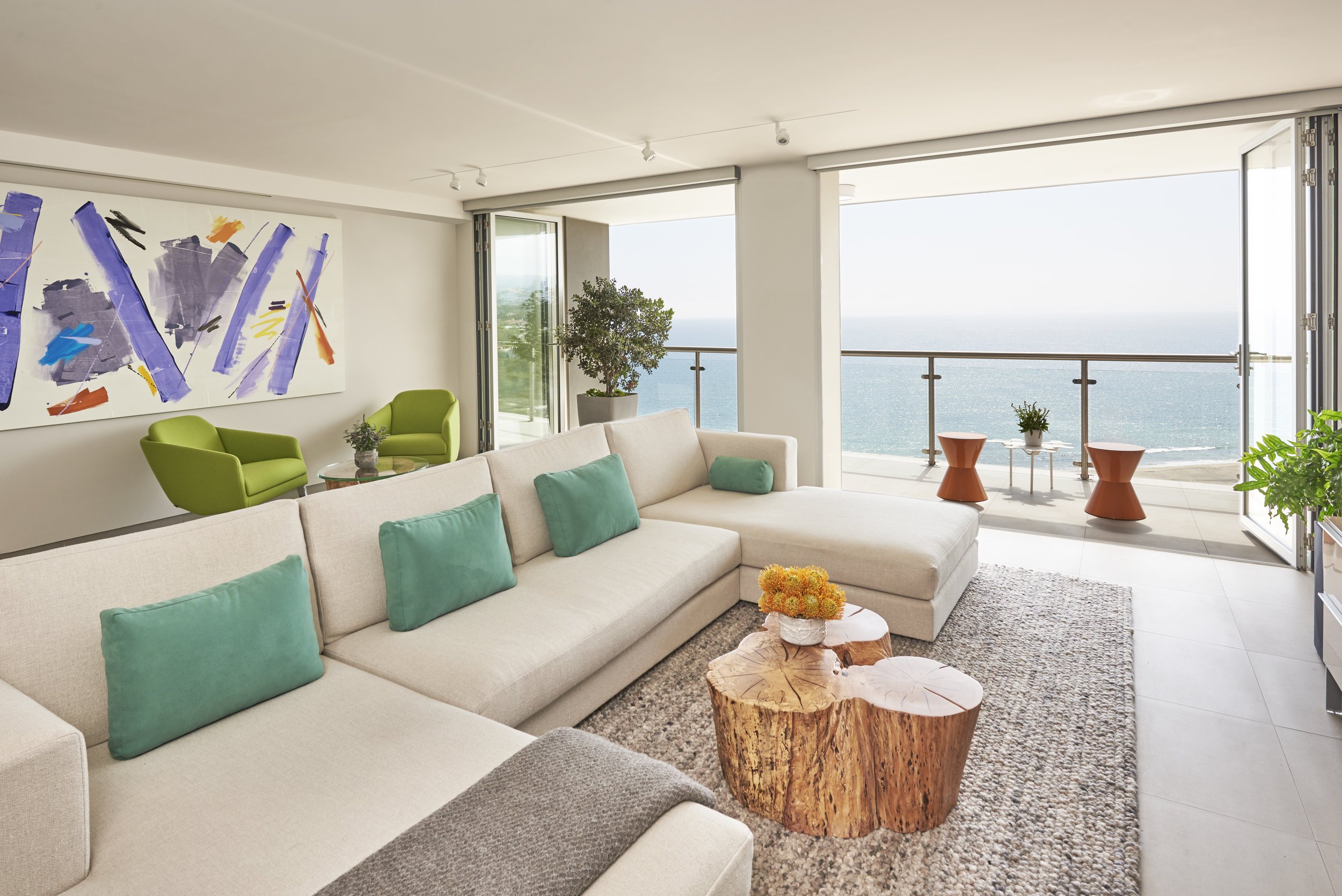
INTERIOR DESIGN: SARAH BARNARD, ARTWORK: MILLY RISTVEDT, RENAE BARNARD, ABBY SIN, PHOTOS: STEVEN DEWALL
For the owners of an oceanfront penthouse, Barnard customized not only the furnishings, but all of the materials and finishes. “In this home, everything is healthy, natural and unadulterated,” notes Barnard. “We used natural waxes instead of stains and sealers, natural latex foams, organic cotton batting, and organic wool batting that was spun from sheep that are only shorn in summer.”






The clients selected the colors of the natural fibers artist Renae Barnard used to create a hand-woven sculpture for their home office. Crafted from wire, sash cord, cotton clothesline, wool, yarn, fleece and linen, it’s a truly one-of-a-kind piece that doesn’t compromise the chemical-free integrity of the home. “It’s very much of them, for them,” says Barnard.
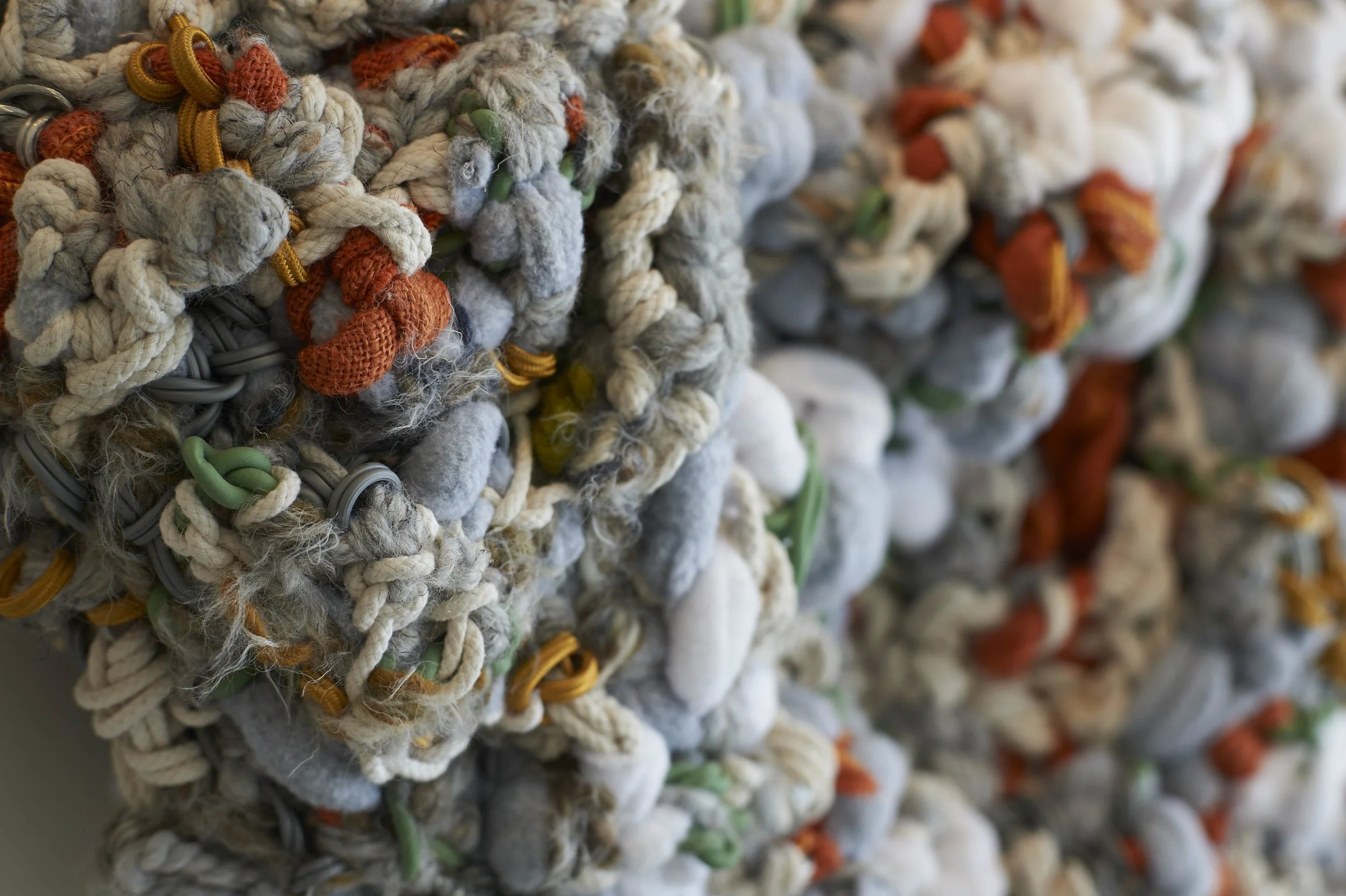
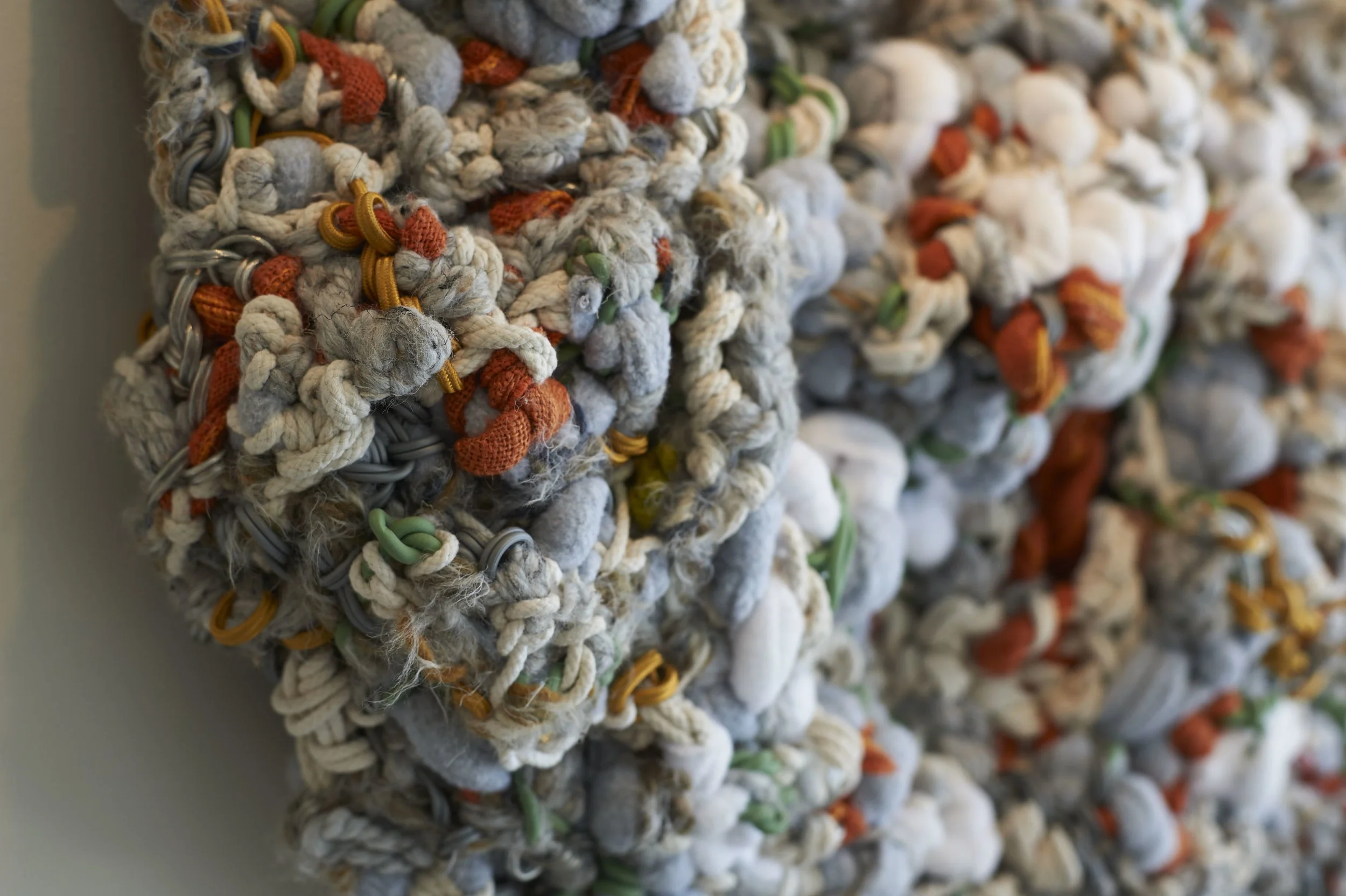
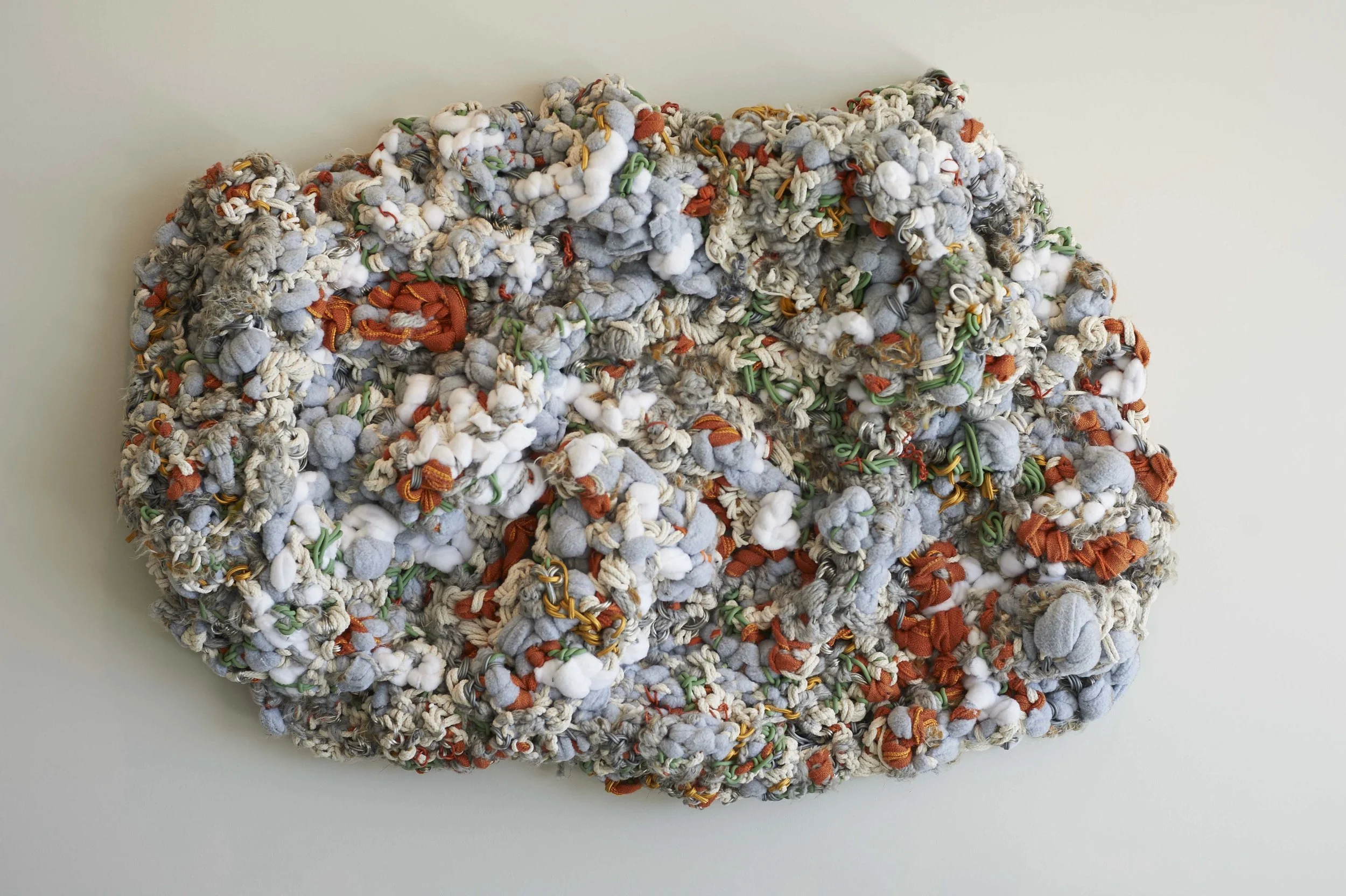
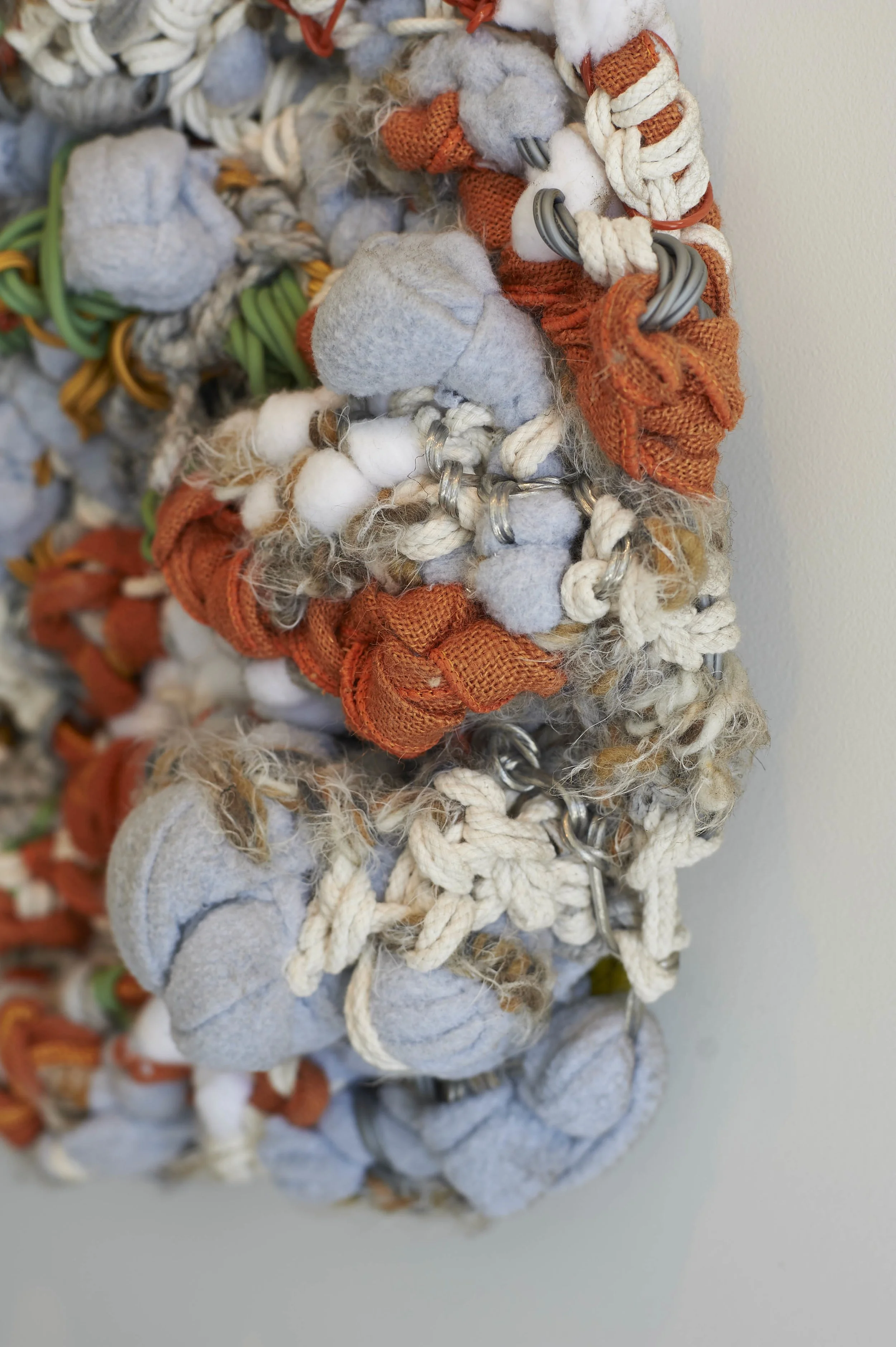
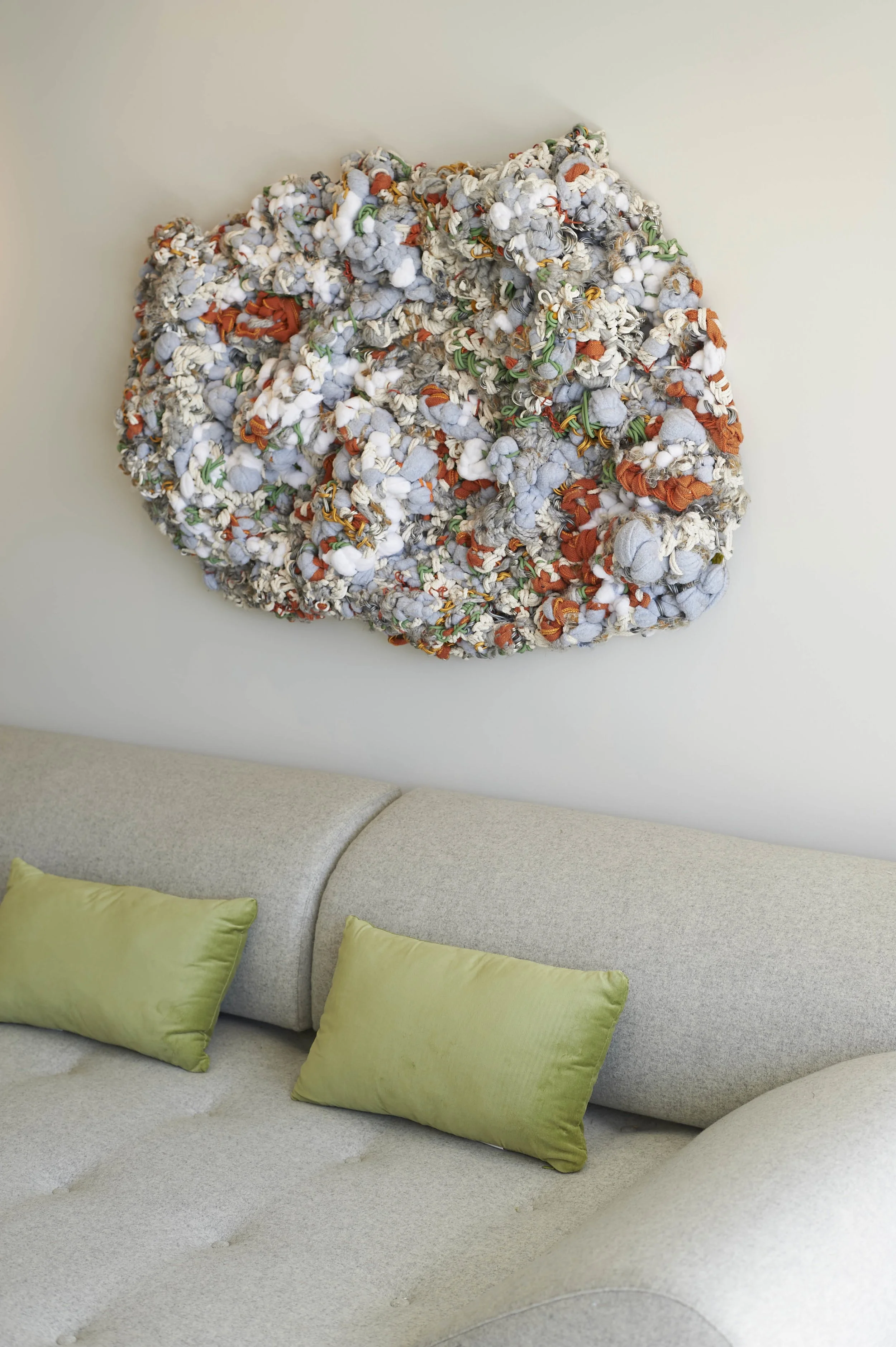
Art, in particular, contributes to our overall sense of well-being. “It stimulates your mind in the same way as the natural world,” adds Barnard. One study from the University of London found that viewing art produces the same effect in the brain as falling in love, causing a rush of dopamine, a.k.a. the “feel-good hormone.” Another from Drexel University revealed that making and viewing art can lower cortisol levels, the hormone linked to the body's stress response. “When we can provide views of nature, that’s the first choice. But in any instance where we have a blank wall and not a window, then the next best thing to have is art. It makes us happier,” explains Barnard.


Wellness is often touted as a trend by lifestyle magazines and social media influencers, but for Barnard, it’s the ethos of her interior design practice. “Our clients know better and they choose healthy,” she says. Organic textiles, sustainable materials, non-toxic finishes, inspiring artwork, bespoke furniture made by local craftspeople — all of these elements support our mental and physical well-being. And designers with robust knowledge of healthy home design have the power to change lives for the better.
Sarah Barnard, WELL AP + LEED AP designs healthy, happy, personalized spaces that are deeply connected to nature and art. The ideas most essential to her practice and design process are wellness, historic preservation, and the infinite ways in which design can enhance life.
Barnard has been featured in publications internationally and was named a “Ones to Watch Scholar” by the American Society of Interior Designers. In 2018 Locale Magazine named Barnard “Los Angeles’ Favorite Interior Designer”. Barnard holds a Master of Fine Arts degree from Claremont Graduate University as well as undergraduate degrees in Art and Interior Architectural Design.
For more information about Sarah Barnard visit www.sarahbarnard.com