


Ergonomic Home Design: the New Standard of Luxury Living

Our home should reflect who we are as a unique individual. Bespoke design creates an interior environment that is made specifically for us, customized to our particular aesthetic tastes as well as our physical and emotional needs. Customizing functional elements of our homes can positively affect our physical bodies and emotional well- being, limiting daily stress and improving our quality of life.
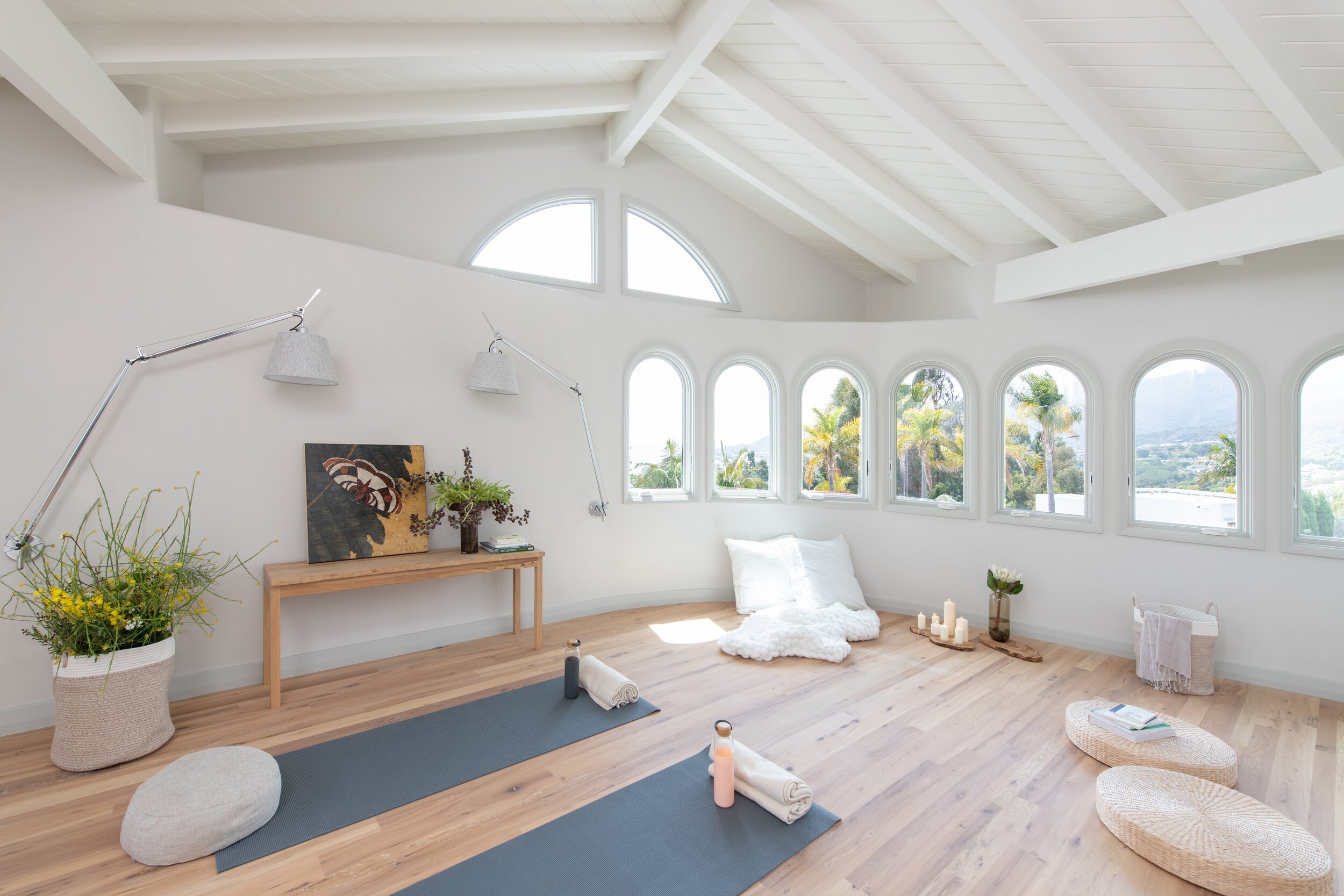
THIS WELLNESS ROOM FEATURES ART BY KAREN SIKIE, CREATING A CALMING, NATURE INSPIRED BACKDROP FOR YOGA OR MEDITATION
Our studio practice embodies these principles by approaching our clients with a sense of inclusiveness and sensitivity that allows ample space to voice their needs. We make an effort to interview all family members to custom craft a home that uniquely fits them and the way they utilize space. These homes often reflect a client's personal philosophy and can contribute to the achievement of their lifestyle goals. This can take the form of creating a soothing bedroom space, yoga or meditation room, or choosing vegan materials. A home that reflects who we truly are contributes to an environment of comfort, support, and peace that promotes joy and wellness in everyday life.

FURNITURE CAN BE CUSTOMIZED TO OUR SPECIFIC BODILY SCALE AND PHYSICAL NEEDS.
Ergonomic design, simply put, is people-focused design. Design that considers how we interact with an object or a space. Commonly associated with the functionality of workspaces and productivity (office chairs, desks, etc.), ergonomics can enrich our home lives through thoughtful, custom design. Our surroundings should be shaped to benefit us, and we shouldn't have to adapt or change ourselves to fit into our surroundings.
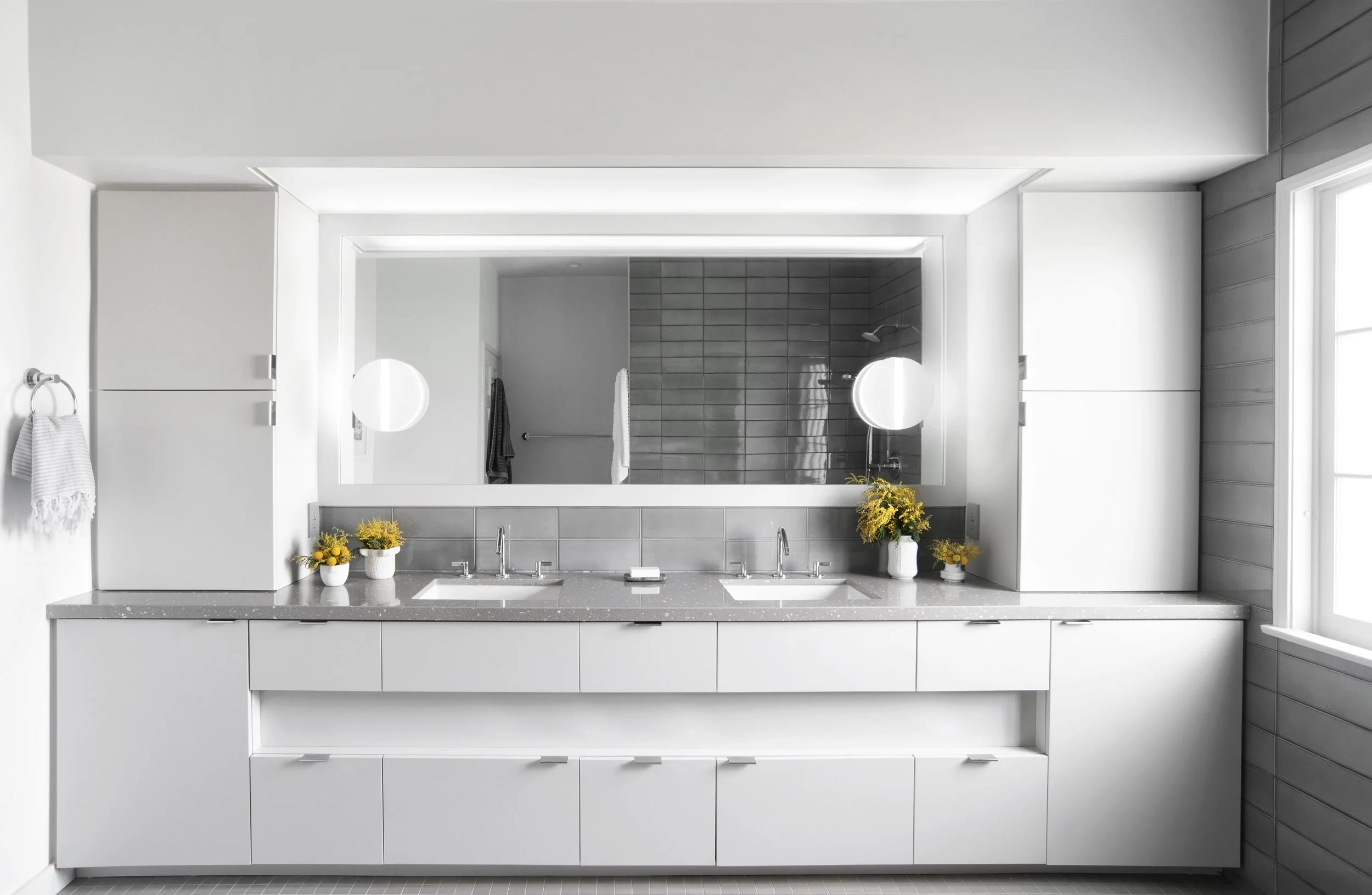
THE SCALE AND PLACEMENT OF CABINETRY, LIGHTING AND COUNTER HEIGHT ALL CONTRIBUTE TO PERSONALIZED COMFORT IN THE HOME.
Thoughts on the scale and proportion of the body and how this relates to our built environment date back to ancient Rome with the architect Vitruvius who argued that "buildings should be based on the symmetry and proportion of the human form. (1)" In 1948, the architect Le Corbusier expanded on Vitruvius's work to create a set of calculations that he referred to as The Modulor. These calculations would create a universal scale for buildings and furniture "aiming to provide the user with an intrinsic sense of well-being and comfort. (2)"
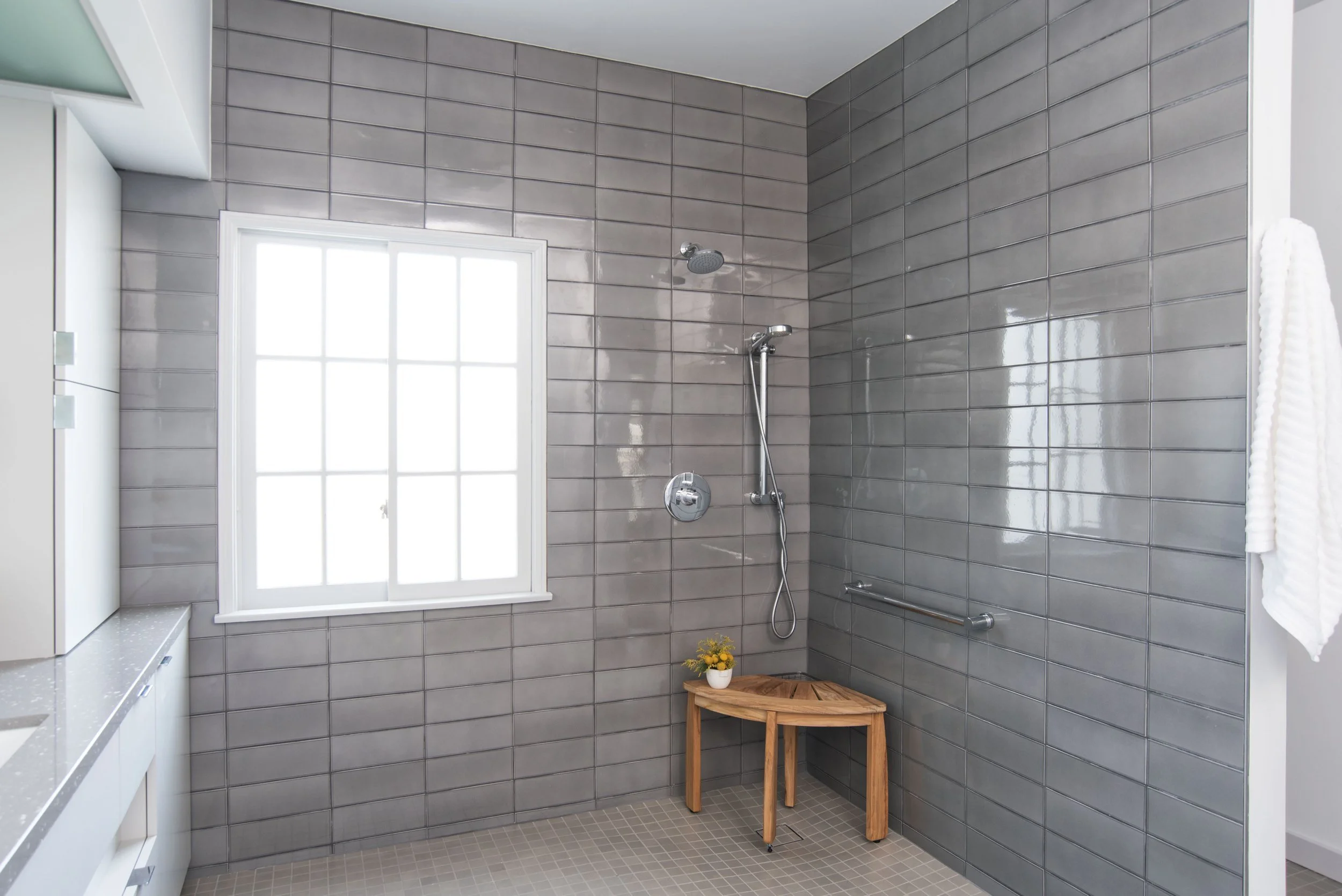
BATHROOM DESIGN CAN BE ADAPTED TO SUIT A DIVERSE RANGE OF PERSONAL AND PHYSICAL NEEDS.
Attitudes towards "universal" sets of bodily measurements, such as The Modulor, began to change in the 1960s as they excluded a diversity of body types, proportions, and abilities. "Is this an architecture shaped by the proportions of man or an attempt to shape its inhabitants? (3)" Today there are many regulations that determine standard measurements throughout the home, such as the Americans with Disabilities Act Standards for Accessible Design and the National Kitchen and Bath Association Planning Guidelines.

MANY KITCHEN FEATURES SUCH AS COUNTERTOP HEIGHT, SOFT CLOSING DRAWERS, FOOD STORAGE AND APPLIANCES CAN BE CUSTOMIZED TO SUIT OUR UNIQUE BODILY PROPORTIONS AND LIFESTYLE GOALS.
While it's more typical to talk about ergonomics in terms of an office chair or ADA compliance, more homeowners are living their best lives by having their homes perfectly fit to their bodies. When we start to think about our homes from an ergonomic viewpoint, we can customize many details to suit our unique physical proportions and emotional needs. Something as simple as customizing the height of kitchen countertops can encourage improved posture and physical ease in using the space. Similarly, we can build furniture and bedding precisely to fit our bodily dimensions, easing strain put on joints when getting in and out. We can customize anything from wall switch locations, automated lighting, window coverings, appliances, mirror height, and environmental sounds through ergonomic design to create the ultimate comfort and well-being at home.

THE SENSORY ELEMENTS OF A ROOM ARE AN IMPORTANT COMPONENT TO TAKE INTO ACCOUNT WITH ANY LIVING SPACE.
Sarah Barnard WELL AP + LEED AP, also takes sensory elements into account when designing a space. Features such as soft close doors and cabinets to reduce noise, storage solutions to create orderly and calm surroundings, and the selection of color and texture can all contribute to the comfort and emotional resonance of a room. Sarah has an in-depth understanding of color theory and color psychology, which explore how color affects our behaviors and emotions to create a color palette that matches your home to your personality — and when a space feels like 'you,' happiness will follow.

LIGHTING, TEXTURE AND COLOR ARE IMPORTANT SENSORY DETAILS TO TAKE INTO CONSIDERATION WHEN DESIGNING A SPACE FOR CHILDREN.
Sensory details such as color and texture play an important role when customizing spaces for children and can be particularly beneficial for neurodivergent children. Sensitivity needs to be taken towards environmental noise as well as lighting. Diffused and adjustable lighting allows levels to be dimmed to suit individual moods and needs. Avoiding wallpapers with busy patterns and choosing light neutral colors combined with soft textures can also encourage a soothing and calming tactile experience in the space.

ERGONOMIC DESIGN THAT THAT CUSTOMIZES THE PHYSICAL AND SENSORY ELEMENTS OF OUR HOME TO MEET OUR EMOTIONAL AND PHYSICAL NEEDS HAS THE ABILITY TO CREATE JOY AND WELLNESS IN EVERYDAY LIFE.
A home should not only reflect the physicality and identity of its owner, it should also be an extension of their personality which enhances day-to-day living. All of these small details, enhanced by ergonomic design, make movement around our home as effortless as possible, encouraging a symbiotic relationship between our home and body which nourishes us, encouraging joy and wellness.
Sarah Barnard, WELL AP + LEED AP, is a leading designer of personalized, sustainable spaces that support mental, physical, and emotional wellbeing. She creates highly personalized, restorative spaces that are deeply connected to art and the preservation of the environment. An advocate for consciousness, inclusivity, and compassion in the creative process, Sarah has appeared in Architectural Digest, Elle Décor, Vogue, HGTV, and many other publications. Sarah was honored as a “Ones to Watch” Scholar by the American Society of Interior Designers (ASID).
Works Cited
Souza, Eduardo. “The Evolution in Understanding of Human Scales in Architecture.” ArchDaily, ArchDaily, 15 Oct. 1 2020, https://www.archdaily.com/949316/the-evolution-in-understanding-of-human-scales-in-architecture.
Souza, Eduardo. “The Evolution in Understanding of Human Scales in Architecture.” ArchDaily, ArchDaily, 15 Oct. 2 2020, https://www.archdaily.com/949316/the-evolution-in-understanding-of-human-scales-in-architecture.
Souza, Eduardo. “The Evolution in Understanding of Human Scales in Architecture.” ArchDaily, ArchDaily, 15 Oct. 3 2020, https://www.archdaily.com/949316/the-evolution-in-understanding-of-human-scales-in-architecture.

How an expertly designed home can be better than a luxury vacation

Forget about unexpected flight delays, cramped legroom, and coping with jet lag — this summer, consider channeling vacation vibes at home instead. Creative home design can make your bedroom feel like a five-star hotel or transform your backyard into a resort-style retreat; no reservation required.
Sarah Barnard Design, WELL AP + LEED AP, creates restorative, hospitable spaces reminiscent of her clients' favorite destinations. Here we reflect on four of her past travel-inspired projects to show how thoughtful home design can replicate the health benefits of taking a vacation.

Paris: Park View pied-à-terre
Perhaps the best part of staying in a luxury hotel is the luxurious sleep experience. While you might not be able to request turndown service, selecting a plush organic mattress, high-quality linens, hypoallergenic pillows, and sunlight-blocking window treatments can ensure a restful slumber every night of the week.

"An ideal sleeping space is serene, outfitted with natural materials, and maintains a visual connection to the outdoors," explains Sarah. "A completely natural bed can often provide improved air quality and make a marked improvement for chemically sensitive people and/or people who suffer from allergies."


For a Francophile at heart, Sarah designed the bedrooms of a park view pied-à-terre to resemble a boutique hotel in the 16th arrondissement, focusing on high thread-count sheets, soft, romantic lighting, curated artwork, and beautifully-arranged flowers. The antique-inspired furnishings were custom made by local craftspeople using non-toxic, sustainable materials.

Tulum: Serene Scandifornian
Being on vacation often means immersing yourself in nature, which benefits physical health and mental well-being. Establishing a connection to the outdoors, whether it be a verdant view through a kitchen window or an oil painting of a seascape, can boost your mood and brainpower, according to a 2001 study by University of Michigan psychology professor Rachel Kaplan.


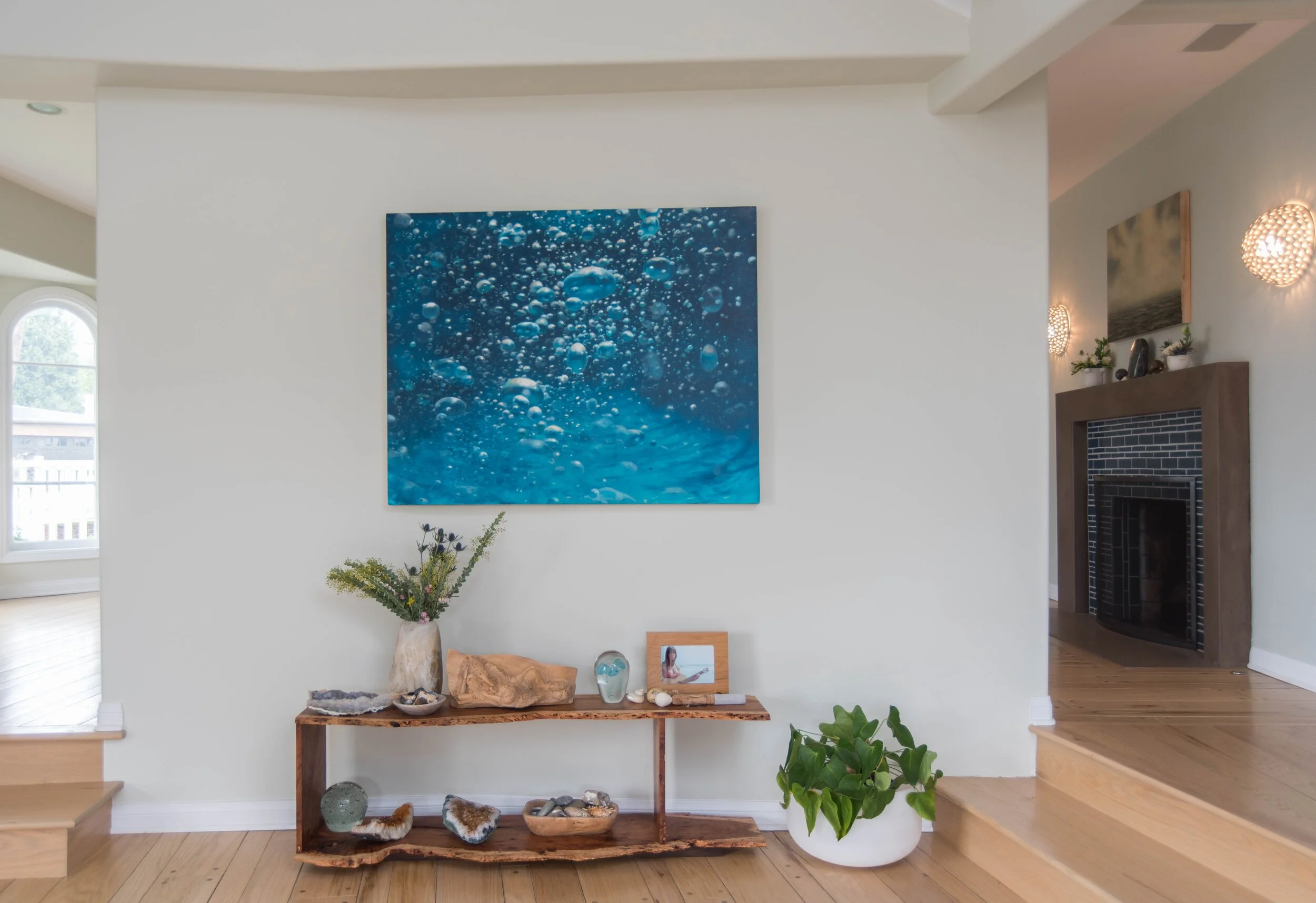


Sarah brought Tulum's beachy-bohemian stylings to a Southern California family home by embracing neutral colors and oceanic motifs, including coral-inspired wall sconces and a custom concrete fireplace with wave-like etchings. The floor pillows provide a laid-back feel, while the live-edge coffee table is reminiscent of a piece of driftwood. Collected shells and a photorealist painting by Eric Zener add to the room's organic feel.

Cape Cod: Cape Cod Guest Retreat
If spending more time outdoors is at the top of your staycation to-do list, consider revamping your alfresco living space and summer garden. Tending to plants can cultivate happiness at the same rate as many common forms of exercise, according to a recent study published in the Landscape and Urban Planning academic journal. Plus, you can use the fruits of your labor to whip up a delicious meal or arrange a colorful centerpiece.

"Many clients are beginning to realize that there is a dramatic benefit to home design that nourishes our desire to be close to nature," explains Sarah.
The home designer helped the owner transform an urban backyard into a coastal New England getaway, complete with a guest cottage and private pool. Using the retreat's natural surroundings as a jumping-off point, Sarah incorporated botanical prints, earthy hues, and rich wood furniture.


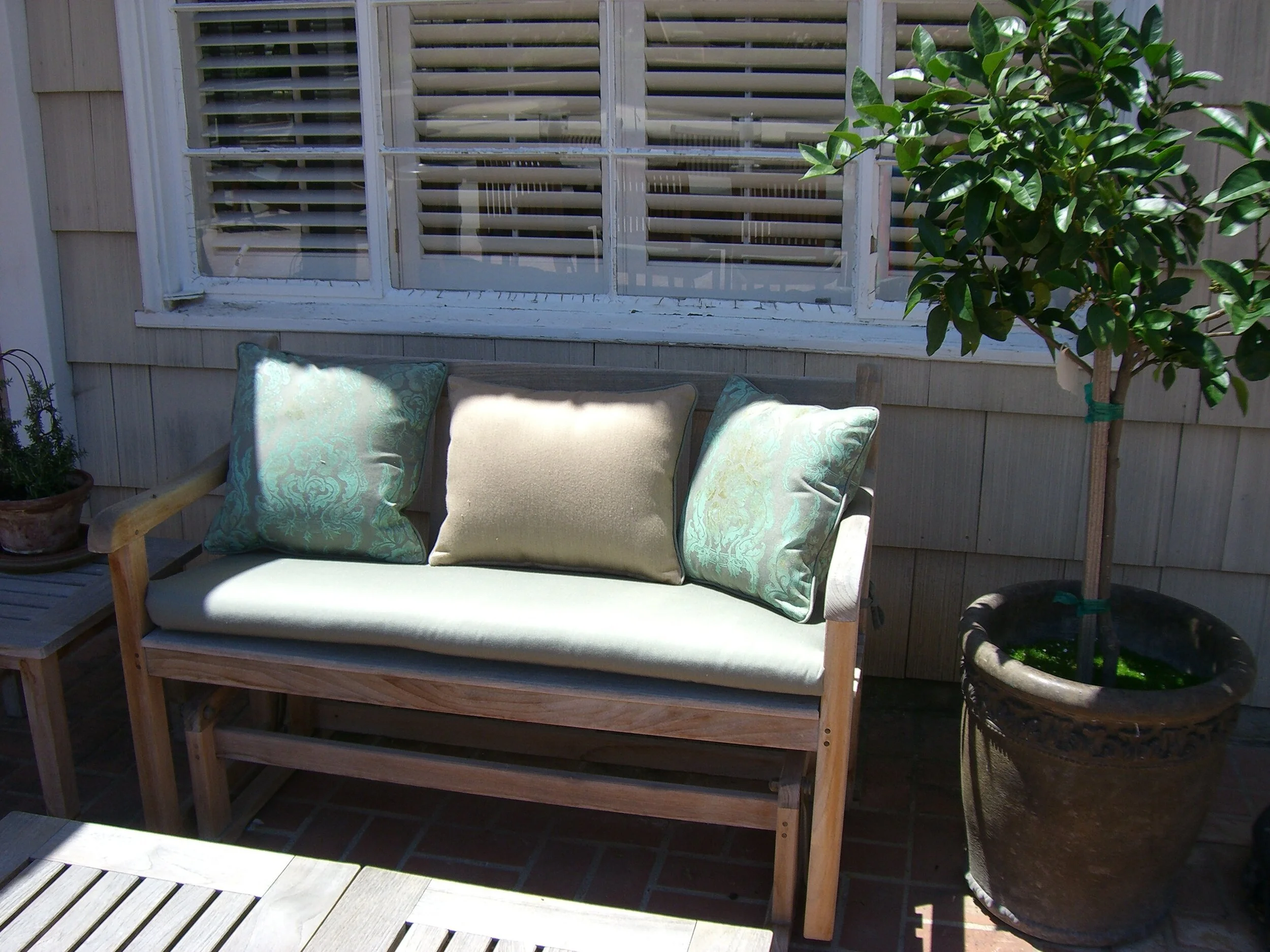
Outside, weathered teak loungers covered with hand-printed outdoor textiles provide a comfortable spot to unwind by the pool. The lush gardens and meandering pathways give the backyard a sense of seclusion, making it feel like you're far away from the city's hustle and bustle.
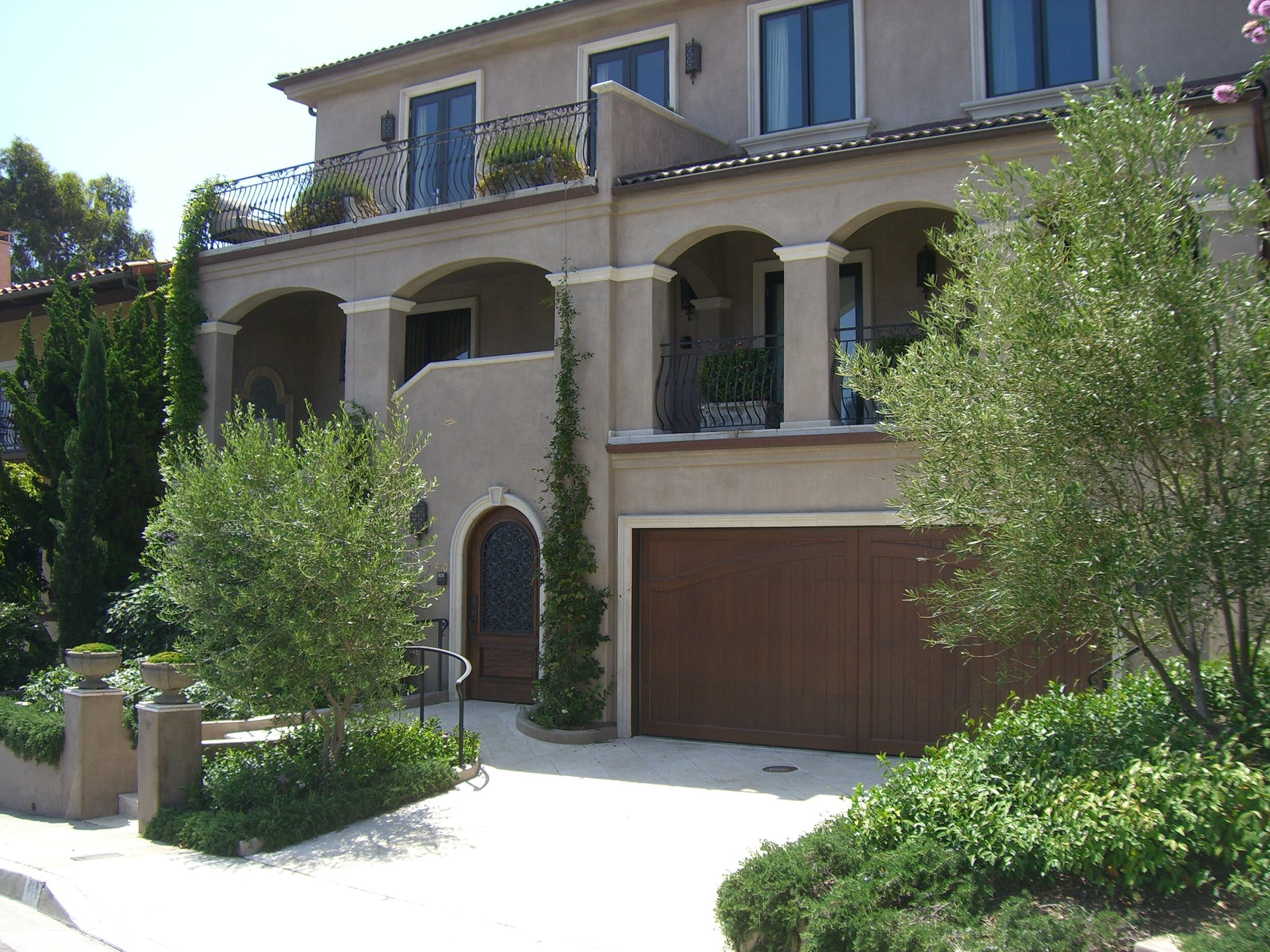
Lake Como: California Mediterranean Estate
Beyond a comfy bed, the cornerstone of a memorable hotel stay is a spa-like bathroom. Practice self-care by investing in wellness features that soothe sore muscles, calm the nervous system and ensure a restful night's sleep. An interior designer can help you create a serene bathroom environment that caters to your specific health needs and makes you feel like you're on a mini-vacation.

For a couple who has spent many summers on Lake Como's shores, Sarah designed a sophisticated ensuite bathroom with a therapeutic soaker tub, steam shower, and heated floor tiles. Marble-framed windows provide proper ventilation and tranquil views of nature, complementing the streamlined vanity concealing a warming drawer for freshly-laundered towels.

The dripping chandeliers are befitting of a luxury villa on the Italian Riviera and provide layered lighting for applying makeup or simply soaking in the tub. "Lighting is a crucial component of good bathroom design and can help improve the human experience," notes Sarah.


While a week-long getaway might provide you with temporary pleasure and relaxation, beautiful and considered home design can make your space feel like a year-round sanctuary. Taking inspiration from your top travel destinations will evoke happy memories and allow you to reap the many health benefits of a vacation without ever leaving home.

Sarah Barnard, WELL AP and LEED AP, designs healthy, happy, personalized spaces that connect deeply to nature and art. Barnard has been featured in publications internationally and was named a "Ones to Watch Scholar" by the American Society of Interior Designers. Empathy and mindfulness are the foundation of her practice creating healing, supportive environments that enhance life.

Park View Pied-à-terre: Primary Bedroom

This primary bedroom is perched high above a lush city park. Inspired by antique furnishings, most of the furniture in this home was custom made of sustainable materials by local craftsmen. Pairing contemporary elements, such as the geometric inlaid headboard with antique furnishings and fixtures creates a design both modern classic. Solid bronze drawer pulls made by French artisans compliment the locally made antique reproductions. The vintage Austrian wall sconces (c.1960) add a subtle warmth to the crisp white space.


The French Country stylings are balanced with both rustic and minimalist tendencies giving this primary bedroom a cozy and contemporary feeling. A portrait painted by artist Brian Johnson sits atop a custom desk made in petite proportions. A Himalayan rock salt lamp adds warming illumination to the compact workspace. Elemental accents and organic materials are the basis for this environmentally conscious primary bedroom renovation.


Sarah Barnard designs healthy, happy, personalized spaces that are deeply connected to nature and art.
To learn more about Sarah Barnard Design, please visit www.SarahBarnard.com.
Photos by Chas Metivier

Traditional Home: Tudor Revival Estate Foyer

The original oak staircase is the primary feature of the foyer in this Tudor revival estate. The original oak staircase was meticulously restored and finished with wool carpets specially woven to wrap up the stairs and around the landing seamlessly. Deep black natural stone tiles were hand brushed to achieve a softened finish for the custom flooring.

Paintings by Brian Johnson sit atop a table carved to fit the curvature of the foyer wall.

Bringing attention to unique details, the Better Times Peonies brighten a display of the homeowner's favorite things.


Sarah Barnard designs healthy, happy, personalized spaces that are deeply connected to nature and art.
To learn more about Sarah Barnard Design, please visit www.SarahBarnard.com.
Photos by Steven Dewall