

A Home without Mirrors: Intentional Interior Design
/
Mirrors are a staple in interior design, serving important functions as focal points, adding symmetry and balance to a room, and elevating the aesthetic with decorative frames. In smaller rooms, they are one of various design elements that can amplify the sense of space, capturing and releasing natural light. Some end users place functional value on mirrors for daily tasks.
As homeowners strive to create living environments that truly reflect their needs, and interior design serves as an inclusive tool to meet those needs, it is becoming more common to design homes that are either mirrorless, or that limit mirrors to specific areas, intentionally.
Beyond being a purposeful design element, mirrors, more specifically reflections, can impact mental health, self-confidence, and self-image. Mirrors play (or could play) a very different role for everyone, depending on the point of view, and how experience and expectations frame how a reflection is seen.
For some, the reflection is a source of affirmation. For others, the experience is the opposite. It’s an important, but subtle divide that can influence well-being.
Sometimes societal attitudes towards appearance and social media set expectations, and mirrors can reinforce ideas, whether they are relevant or not.
With this connection between reflection, perception, and health and well-being, it’s worth exploring why mirrorless design is an option and what practical design approaches can be employed as alternatives.
"Intentionally designing a mirror-free sanctuary can cultivate a space free from self-conscious distraction, fostering a deeper connection with our internal experience rather than our reflected appearance," says says WELL and LEED accredited interior designer Sarah Barnard.
Meanwhile, replacing mirrors with alternative design elements can help better customize a home for people of all abilities.
Why Design a Home Without Mirrors?
"Aesthetically, designing a home without mirrors strives for calm and order at home. The absence of reflective surfaces can also help make a space feel more contained and intimate, fostering a sense of coziness and privacy within the home," says Barnard.
How to Maximize Space Without Mirrors
Mirrors are often used strategically to create a sense of space or to reflect and disperse natural light, especially in smaller spaces. However, making a room feel light can also be achieved through other interior design elements.
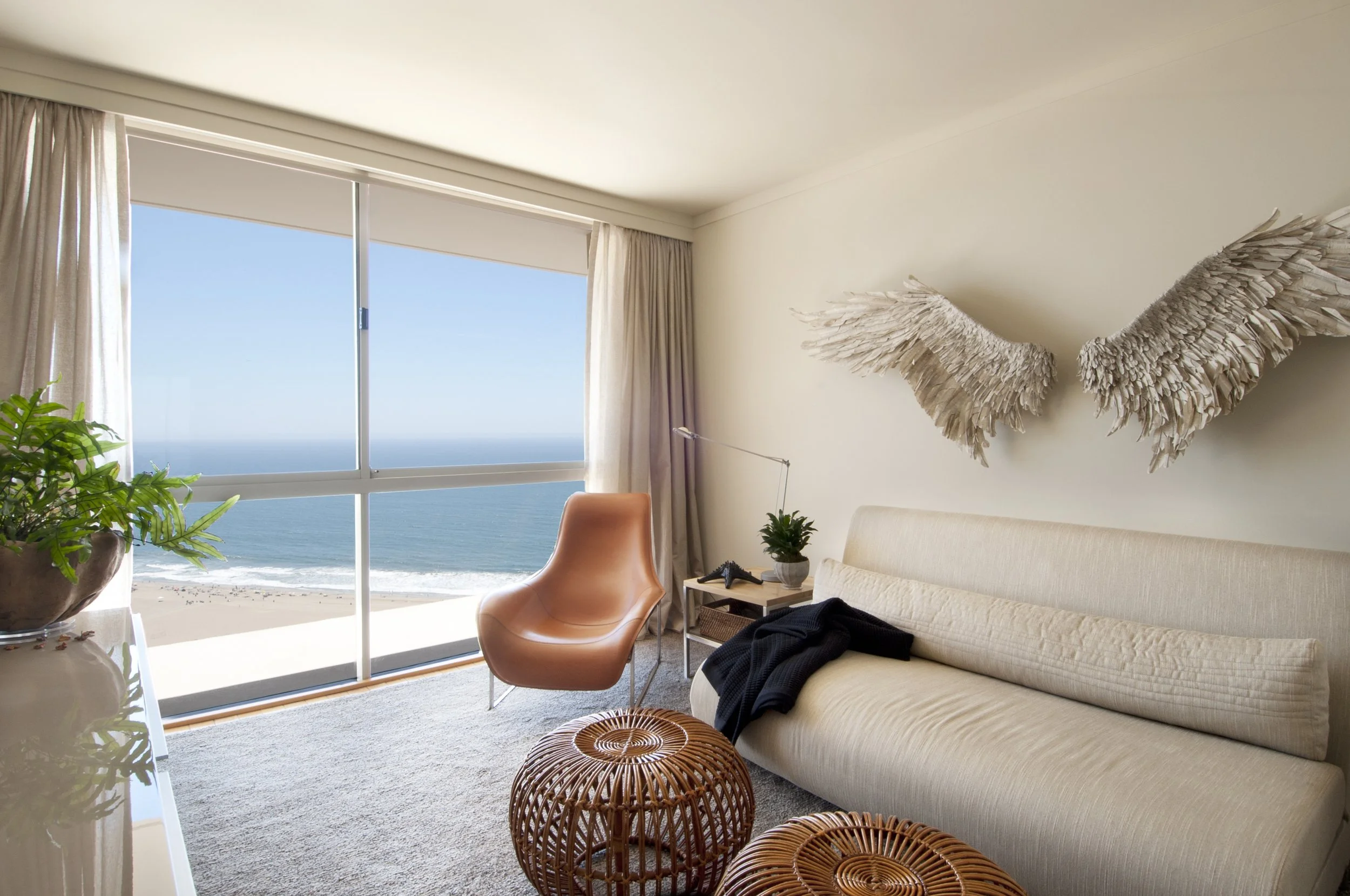
Sheer curtains and carefully considered window treatments can help maximize access to natural light. Light-colored walls and furnishings can also help create a more naturally bright and airy feel. Appropriately sized furniture, placed strategically, can help with scale. Making use of vertical space draws the eye up and out. Layered lighting can reduce shadows, which can make a room look bigger.
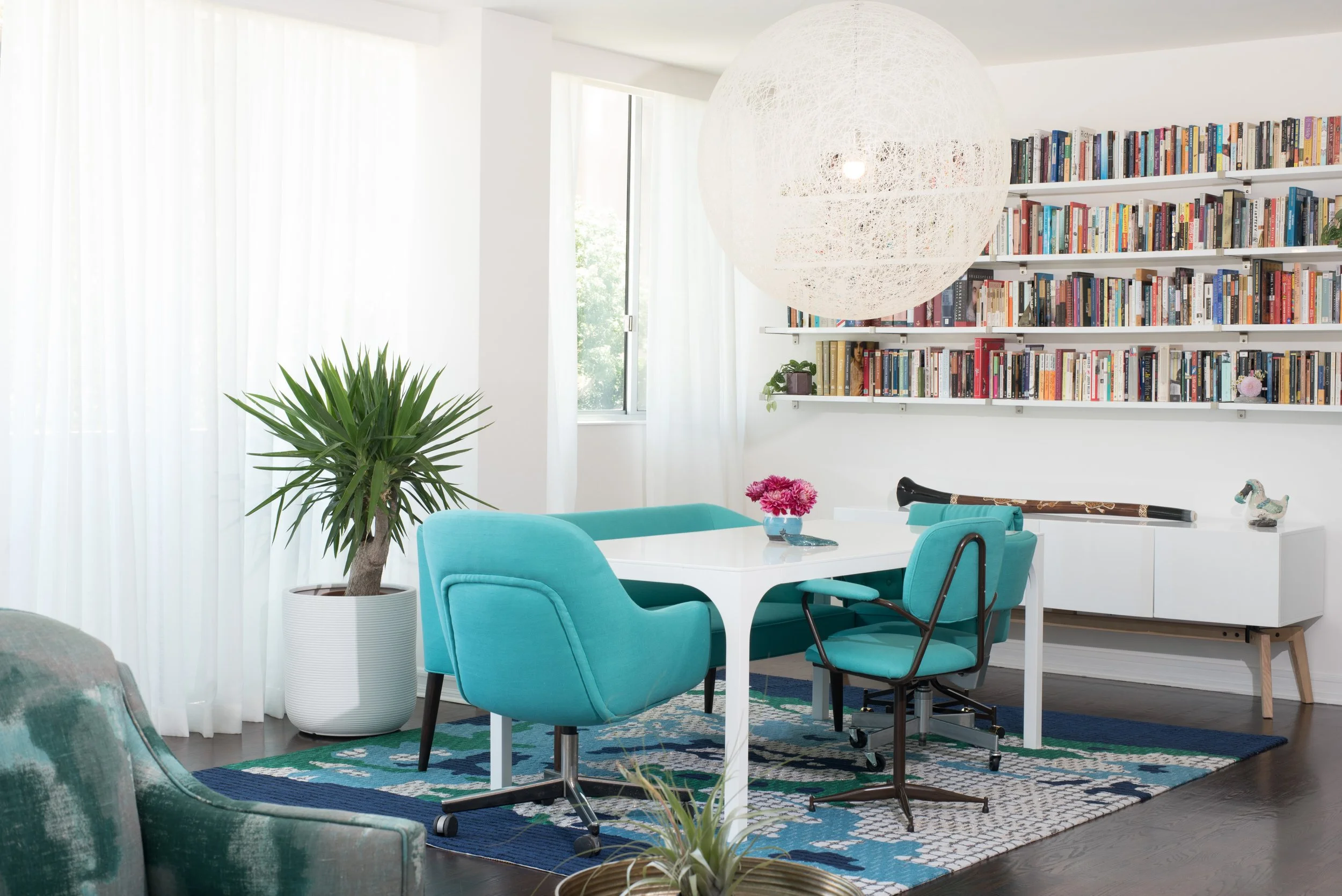
A book collection, displayed in built-in bookcases embraces vertical space. Sheer drapes and large windows make the space feel generous and bright, without any mirrors.
Can You Include Mirrors For Functional Purposes in Mostly Mirrorless Design?
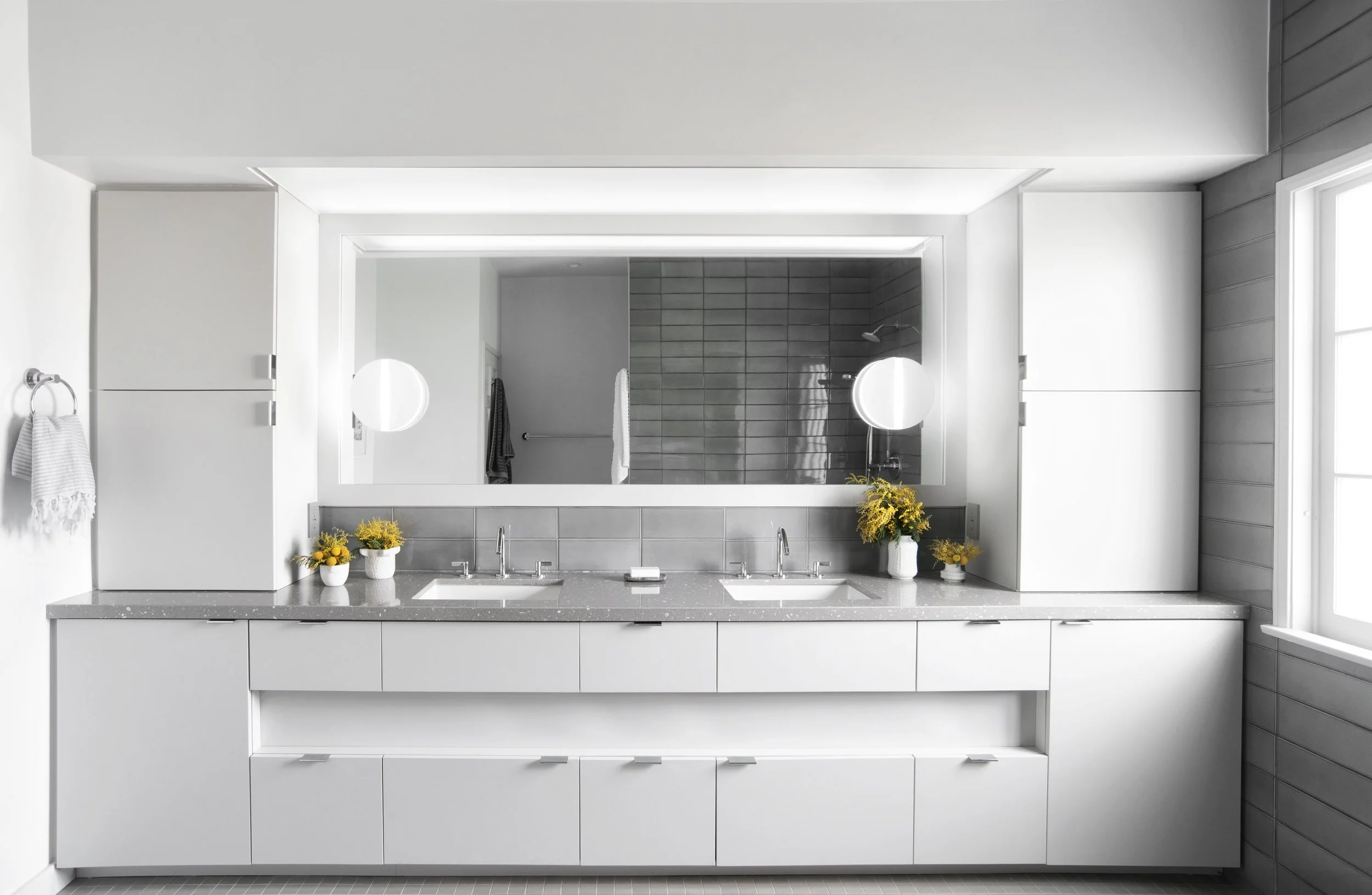
To include mirrors strictly for functional, task-oriented purposes, consider placing them intentionally and discreetly. In bathrooms, pocket and tabletop mirrors are an excellent option to provide mirrors on demand, when needed, and put away when not required. A small, retractable wall-mounted mirror, which can be pulled out is visually unobtrusive while maintaining functionality.
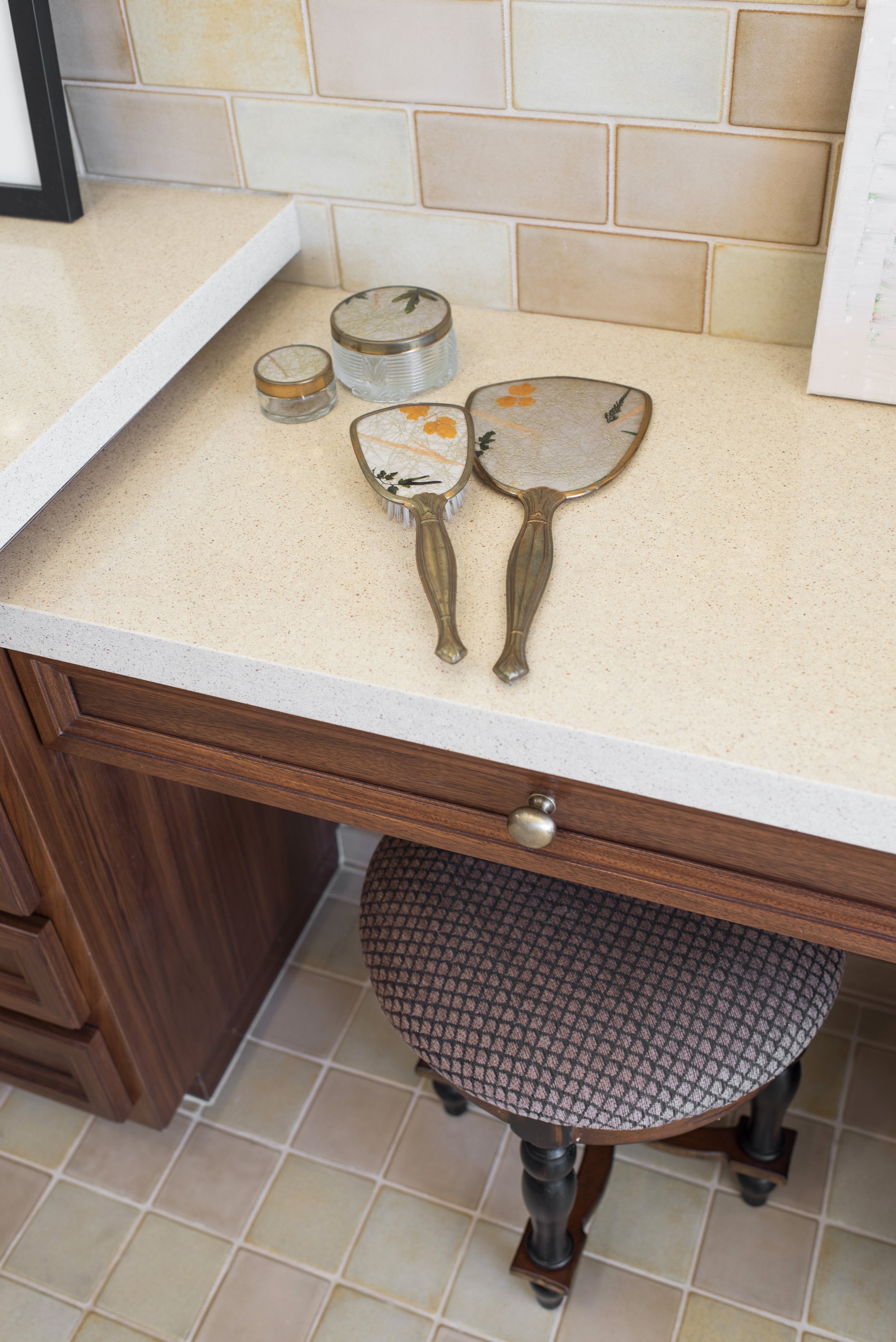
What Can You Use Instead of Mirrors?
Mirrors are often used to anchor a room and to achieve symmetry and balance, but they are not the only solution. Here are tips for alternatives to consider:
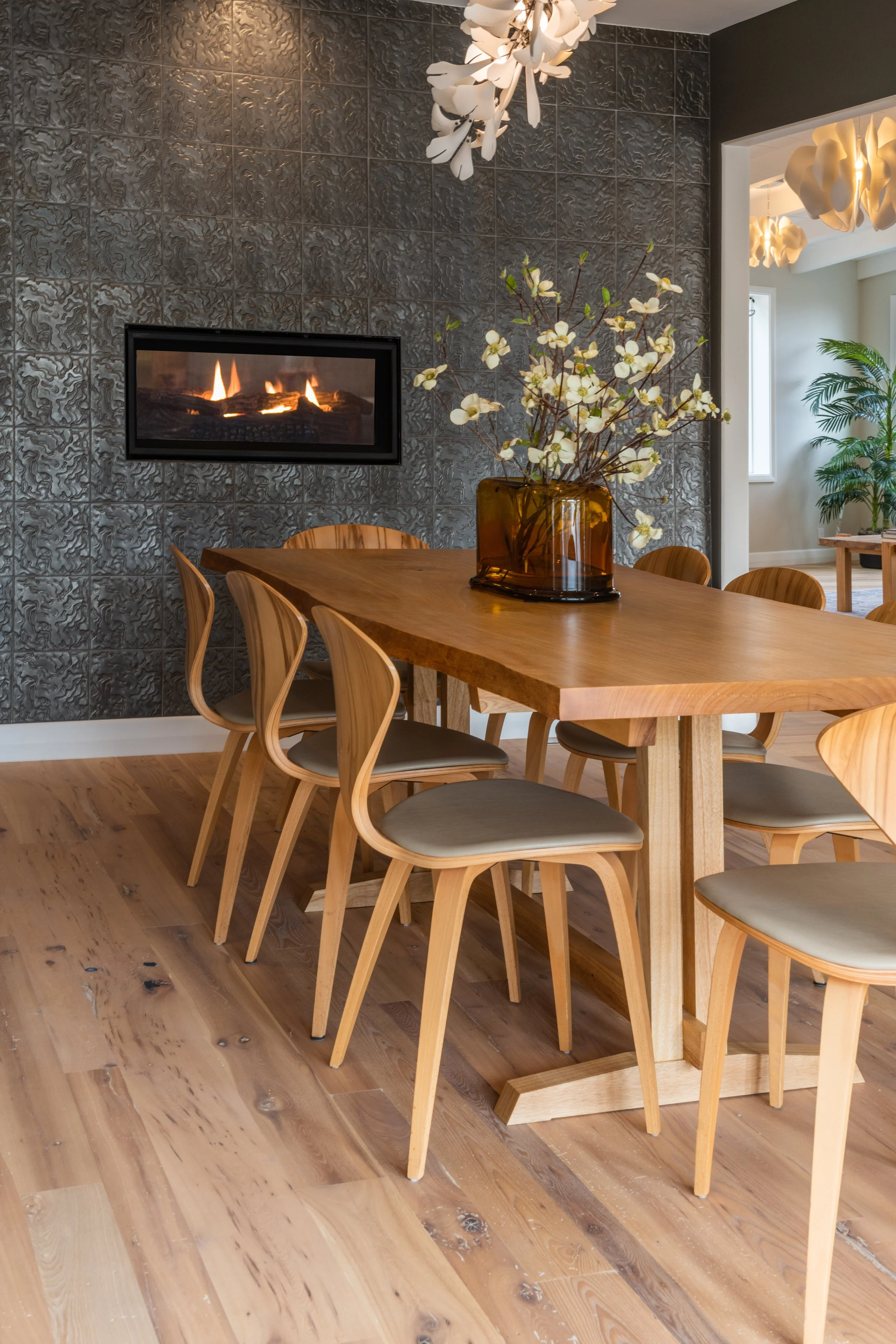
Mirrors often sit atop a fireplace mantel to draw the eye as a focal point. Raising the fireplace to eye level and integrating it into the wall can be a decorative alternative to both mirrors and mantels.
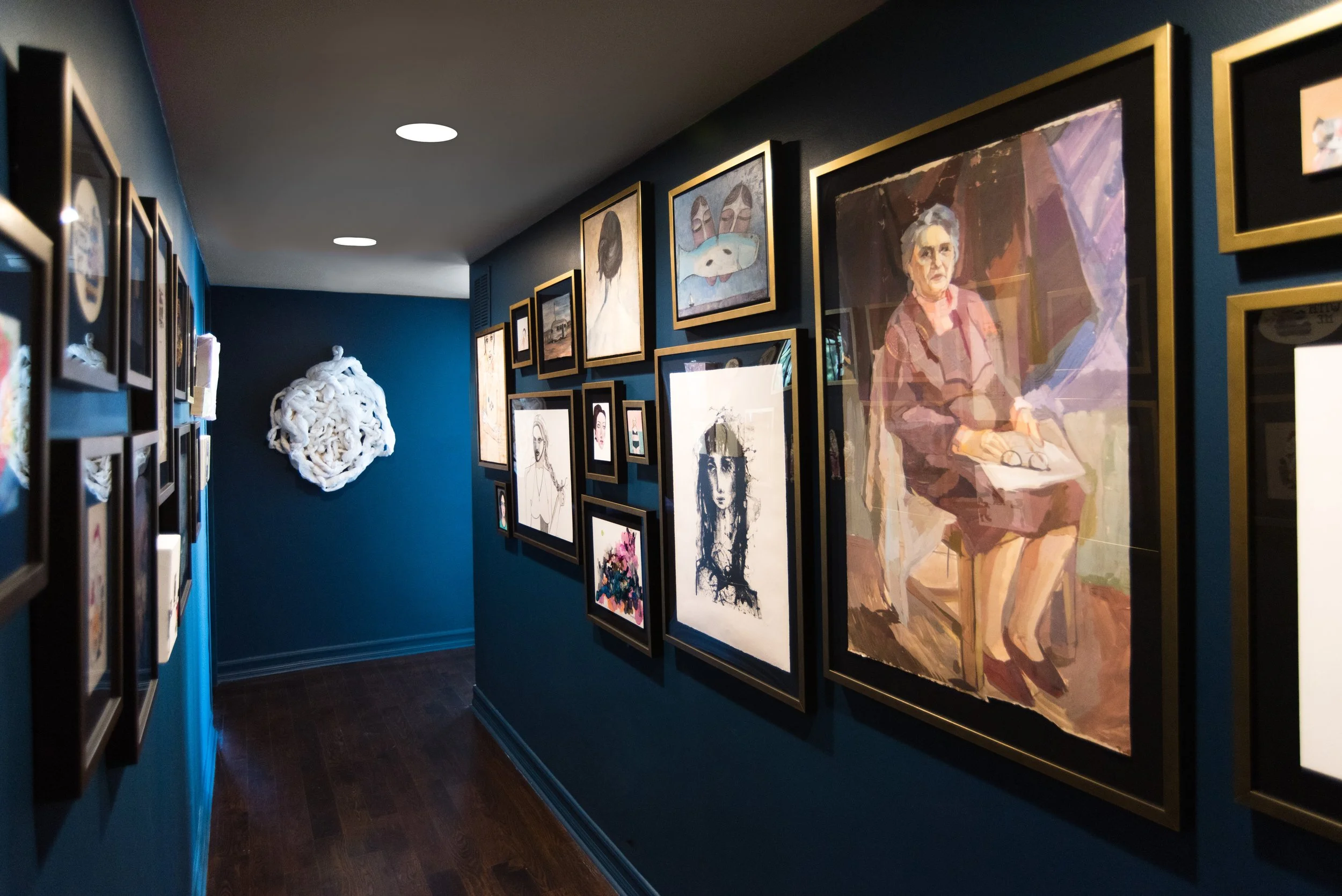
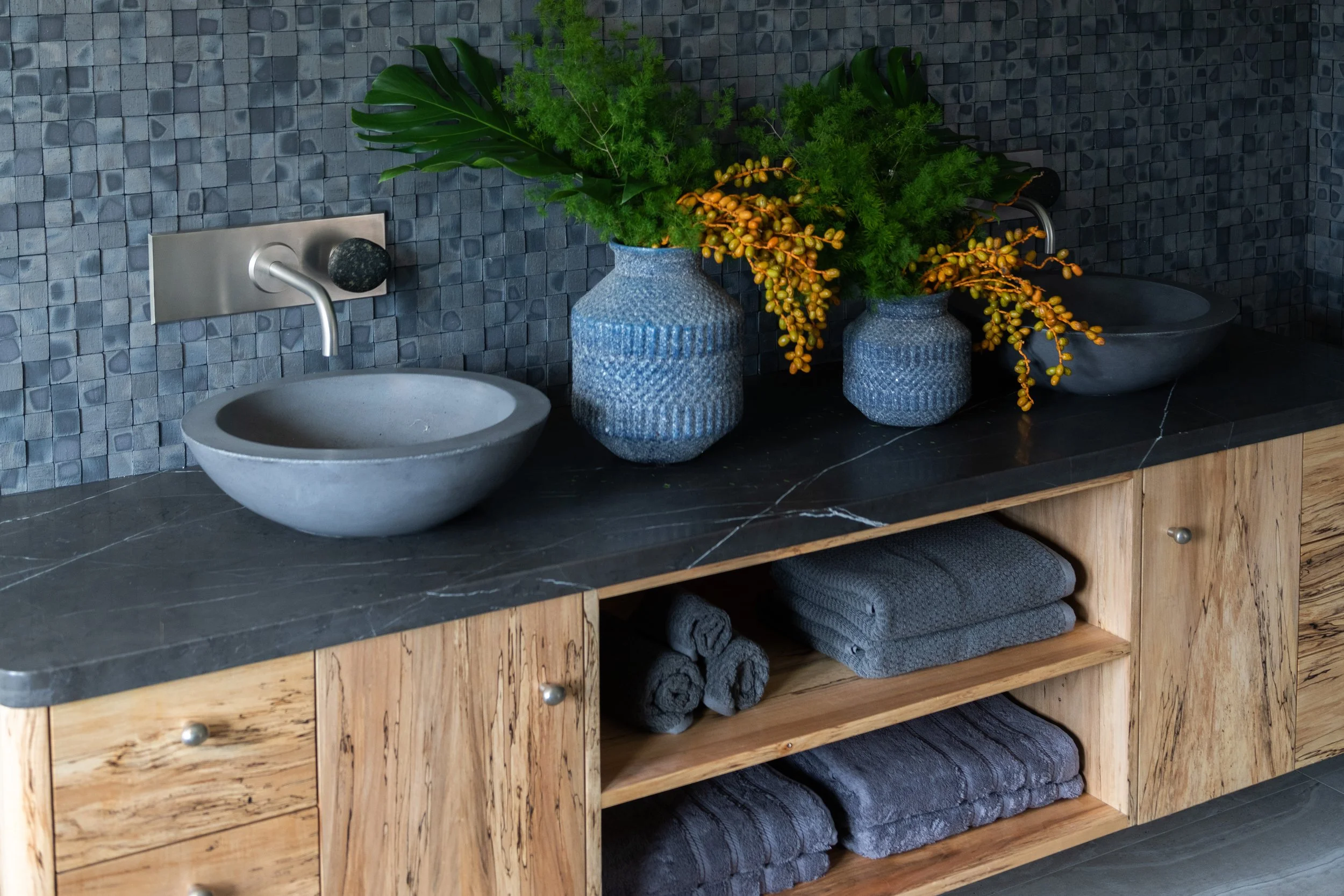
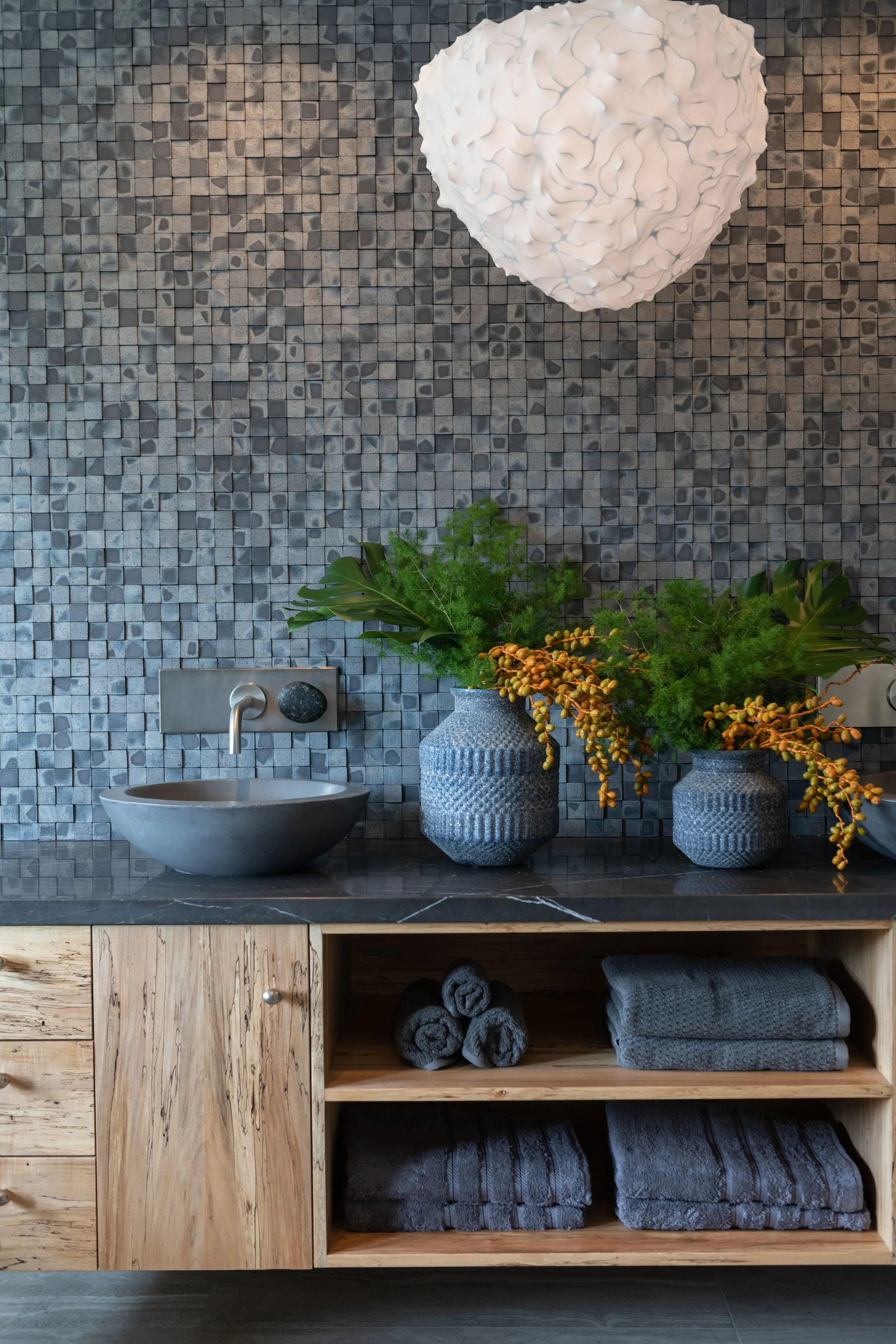
Textured wall art can be an alternative to mirrors, given how it adds visual and tactile interest. It can also be effective in creating balance in a space.
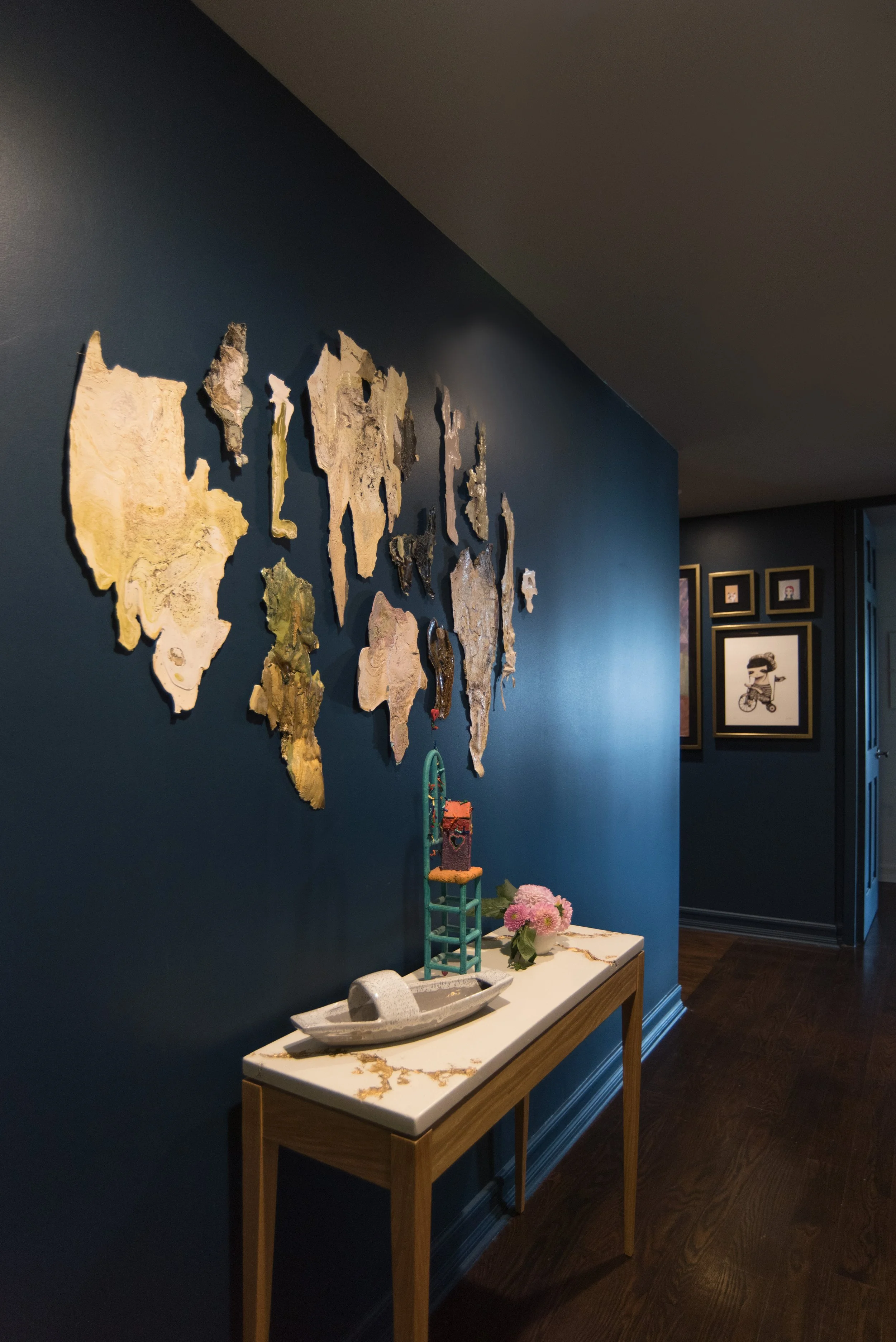
Consider textured art in areas such as over a foyer table, or at the end of a narrow hallway, for an impressive focal point.
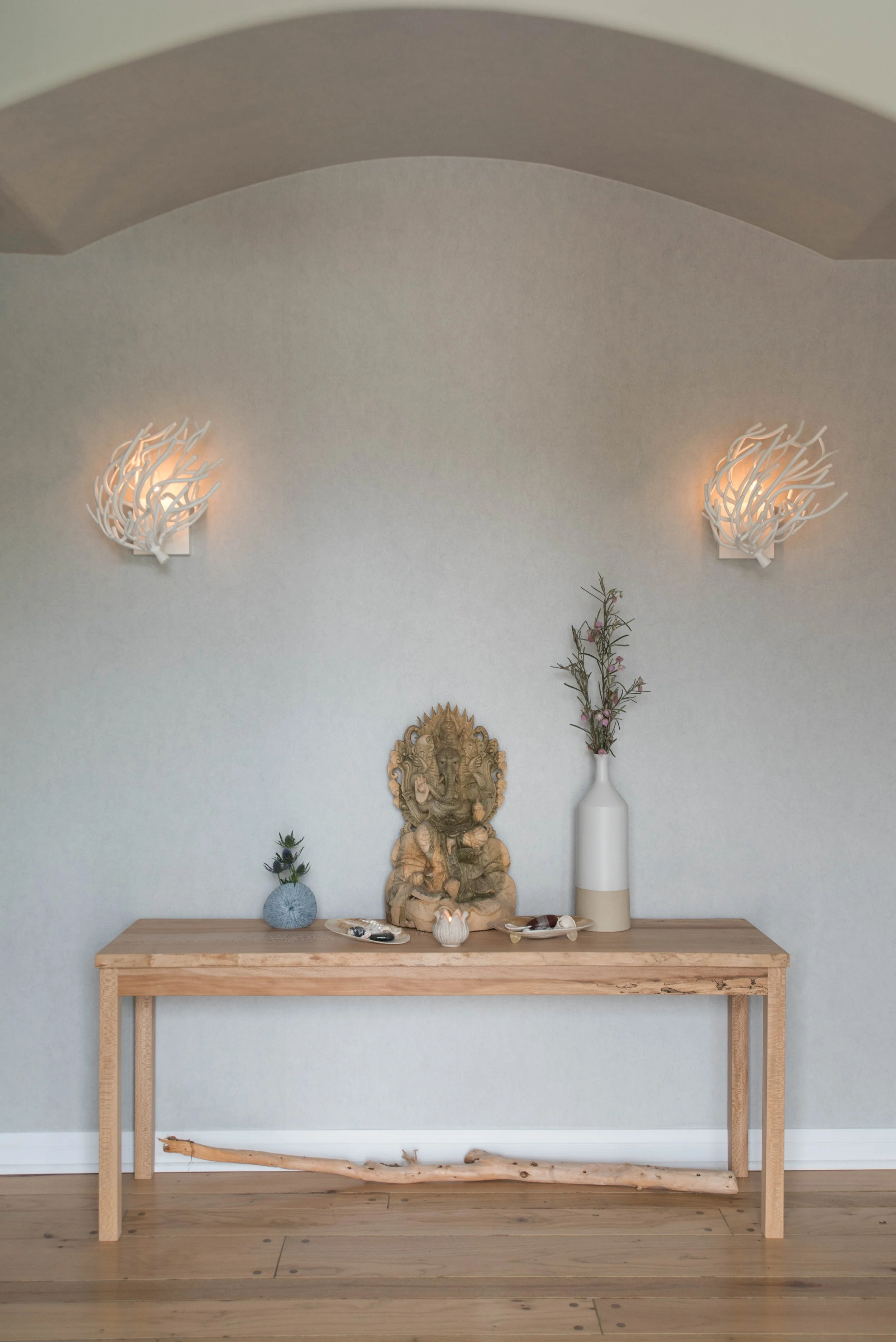
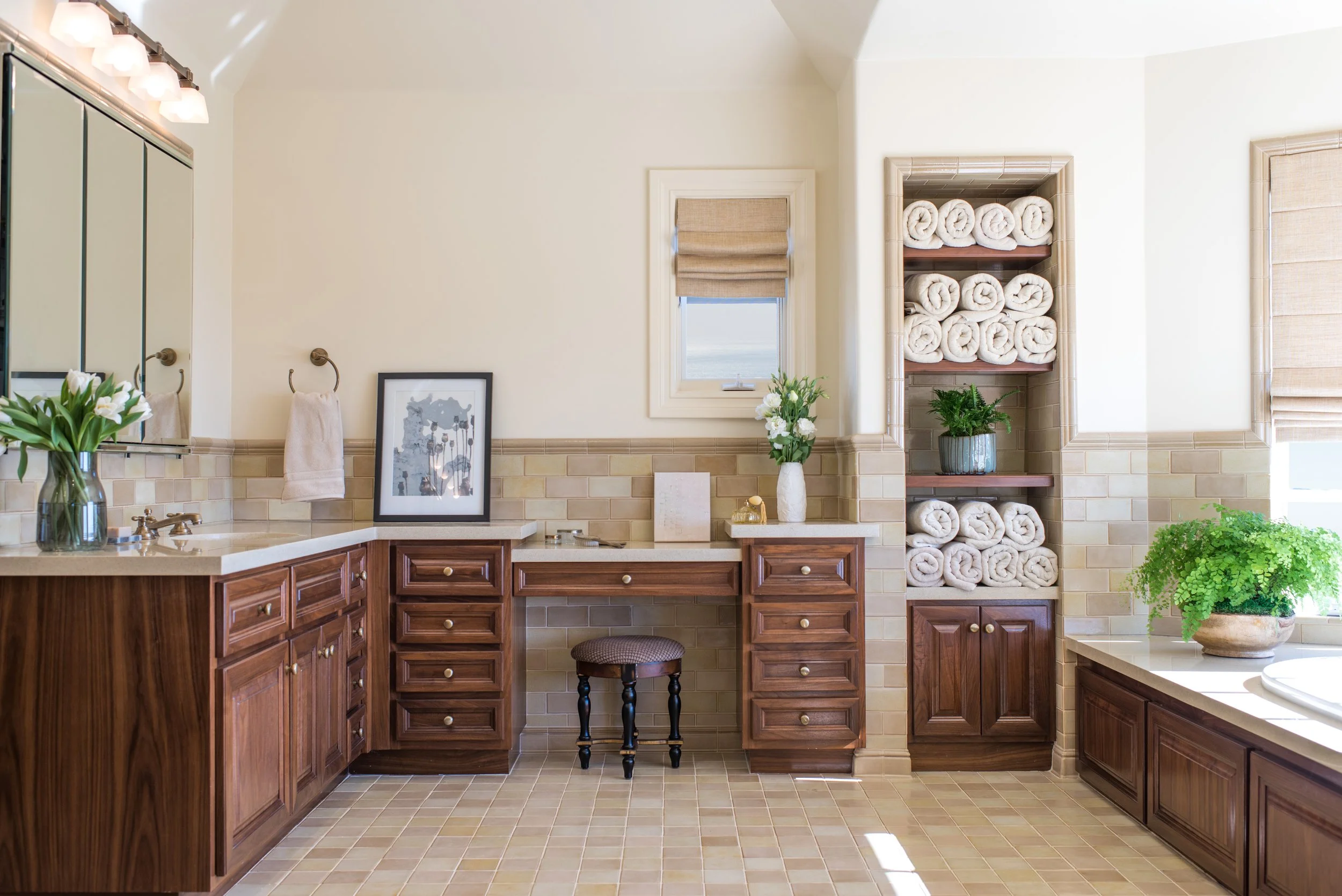
Strategically placing windows in a bathroom without mirrors adds beautiful symmetry while helping to pull in natural light. A tiled wall where a mirror might traditionally hang adds a layer of visual and tactile texture.
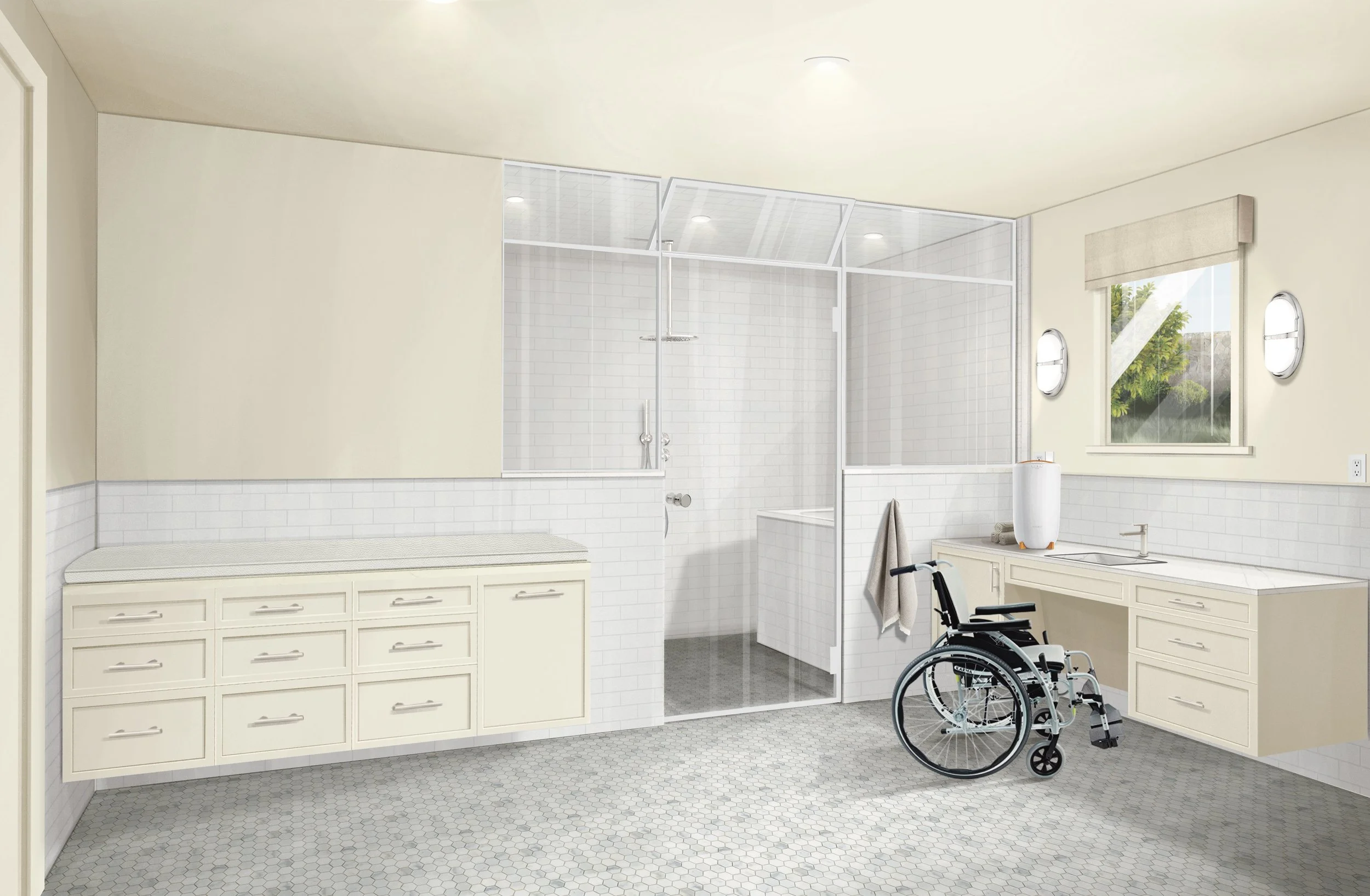
Windows, and window placement, in the place of mirrors in a bathroom takes into account senses beyond sight, delivering warmth from natural light.
For some homeowners, a mirror-free home is practical, while others might find emotional benefit, or be drawn to the aesthetic quality. What is common among these approaches is that end users can benefit from thinking about how they want their homes to feel, and then exploring the various design elements that can help to support those feelings.
Sarah Barnard is a WELL and LEED accredited designer and creator of environments that support mental, physical, and emotional wellbeing. She creates highly personalized, restorative spaces that are deeply connected to art and the preservation of the environment. A certified California Naturalist, Sarah believes in celebrating nature through responsible design that works symbiotically with the local environment.
An advocate for consciousness, inclusivity, and compassion in the creative process, Sarah has appeared in Architectural Digest, Elle Décor, Vogue, HGTV, and many other publications. In 2017 Sarah was recognized as a "Ones to Watch" Scholar by the American Society of Interior Designers (ASID) and has been awarded "Best of Houzz Design" for seven consecutive years. Sarah's MFA in visual arts from Claremont Graduate University informs her practice and innovative approach toward interior design as creating a living work of art.