

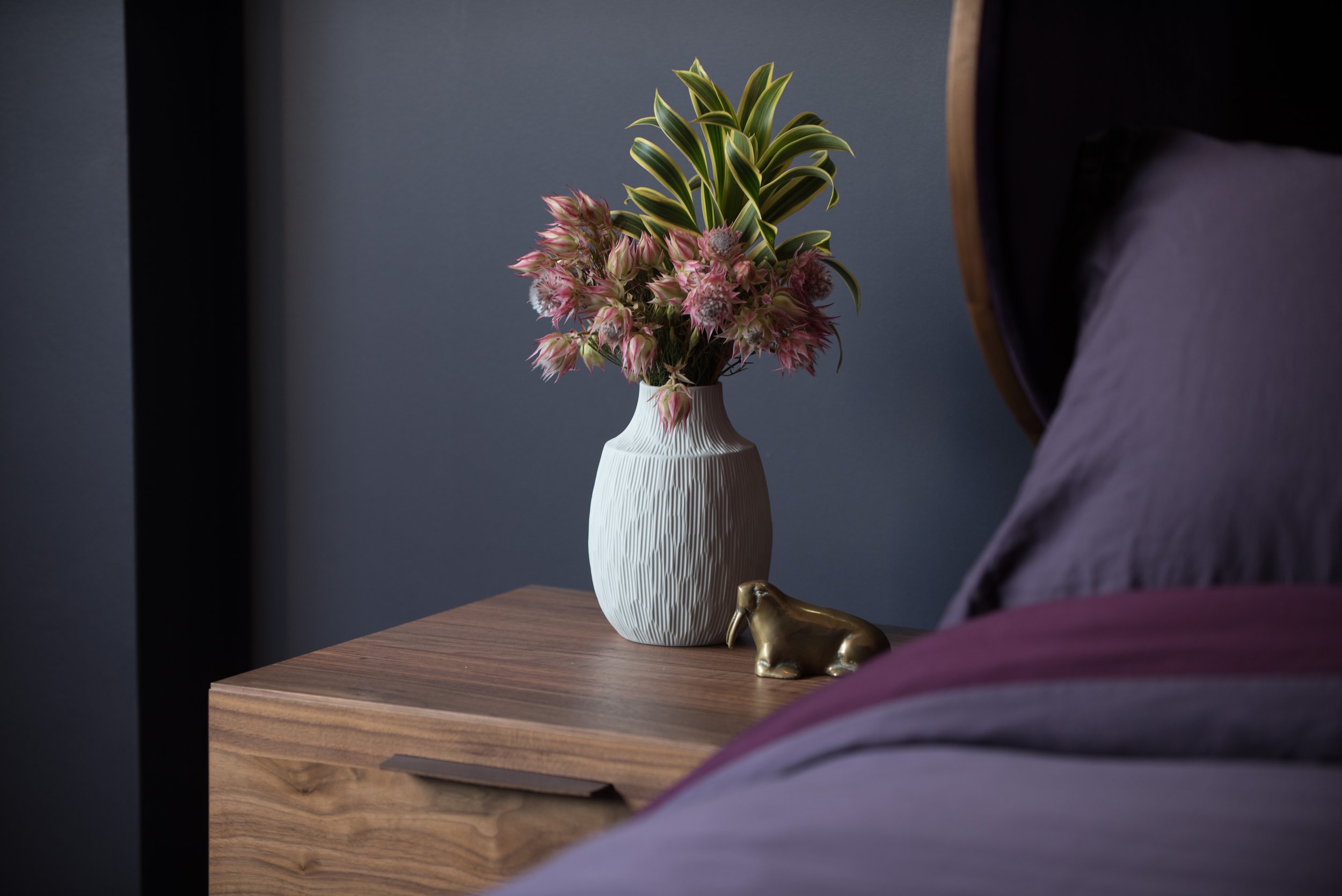
Environments of Equilibrium: the Ten Pillars of Neuroinclusive Design

The standard for what makes a space successful has permanently evolved. While structural sustainability and visual harmony remain benchmarks of high-end design, a more profound criterion has emerged within the wellness movement: how an environment affects the human nervous system.
This interior evolution centers on neurodesign, the practice of building environments tailored directly to the biological realities of the human brain. Every space transmits a constant stream of data to the nervous system, triggering biological responses that govern stress, focus, and circadian health. For interior designer Sarah Barnard, WELL AP, LEED AP, neurodesign serves as the premium foundation for shaping modern environments for human well-being. When an inhabitant experiences an intense sensory profile or acute neurological variation, this baseline is precisely calibrated, translating universal neurodesign principles into hyper-customized, neuroinclusive spaces.

A Practice Rooted in Individual Advocacy
From its inception, Barnard’s practice has been grounded in the belief that interior design should adapt to the biological and emotional realities of its inhabitants. Long before neuroinclusivity entered the mainstream vocabulary, her daily project work focused on creating customized environments for clients with diverse cognitive, physical, and sensory needs.
This immersion in private practice naturally informed her public advocacy and industry education. For over twenty years, Barnard has documented specialized solutions for families and individuals, developing a comprehensive methodology where spaces support and protect their inhabitants. Because our surroundings constantly interact with our biology, a tailored interior serves as a vital tool for emotional and mental equilibrium. Her foundational definitions have helped establish the baseline for the movement; as noted in the New Home Source feature, "What Is Neuroinclusive Design?" a mindful approach to interiors is essential precisely because it "brings more comfort, clarity, and calm to everyday life."
Neuroinclusivity recognizes that design should adapt to the individual. Barnard implements a highly specialized Neuroinclusive Interior Design methodology, tuning universal neurodesign principles to support specific sensory variations, including:
Autistic adults and children
ADHD and ADD individuals
Dyslexic, dyspraxic, and dyscalculia-impacted individuals
Highly Sensitive People (HSPs)
Individuals experiencing sensory processing sensitivities
Individuals navigating PTSD, trauma, anxiety, or depression.
Individuals experiencing chronic migraines or neurological conditions
Individuals navigating age-related cognitive decline, dementia, or Alzheimer's
By treating these varied sensory profiles as core design assets, the studio establishes highly responsive environments where individuals can coexist with peace and ease. A space designed for deep therapeutic regulation or to alleviate daily stress from a fast-paced public life treats the physical structure as an active tool for collective wellness.
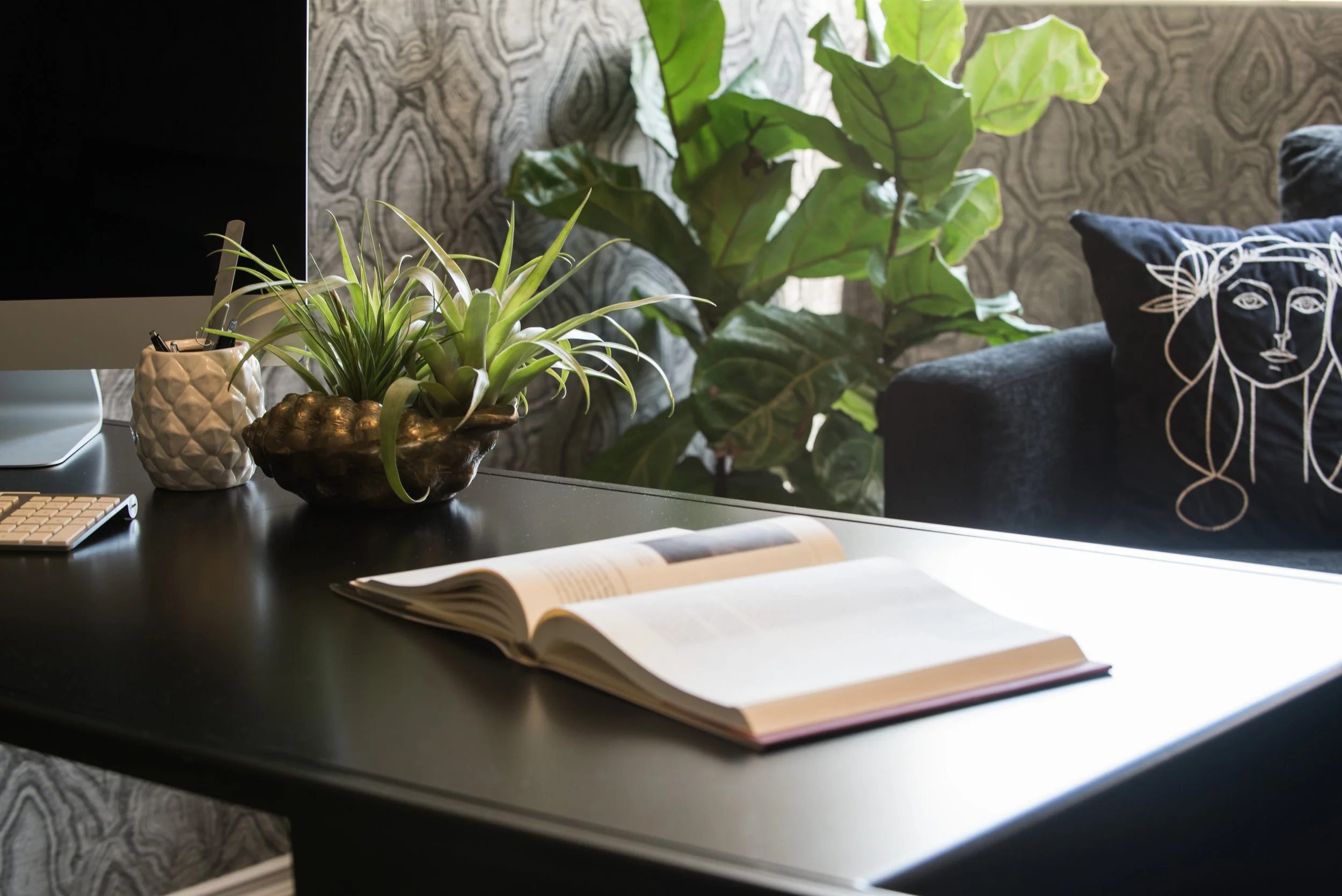
Shaping the Inclusive Design Conversation
The design community has steadily embraced this science-backed approach to well-being, with leading publications analyzing how mindful interior environments impact daily life. An editorial feature in Architectural Digest highlighted the rise of dedicated sensory spaces, using imagery of Barnard’s design work to illustrate how custom environments can incorporate them.
This intersection of empathy and high-end execution is further explored across specialized lifestyle features. A profile in Modern Luxury examined her approach to creating emotionally supportive, mindfully sourced, conscious environments that honor personal heritage and mental wellness. Concurrently, a dedicated feature in Luxe Magazine detailed her commitment to tailoring spaces for cognitive longevity, physical healing, and deep emotional comfort. These features reflect a growing industry consensus, cementing the philosophy that interior design serves as a meaningful, active resource for overall human health.

The Anatomy of a Neuroinclusive Space
To establish these supportive settings, Barnard applies intentional, environmental strategies across ten core pillars of neuroinclusive design:
1. Intuitive Spatial Zoning and Physical Agency
Design layout prioritizes clear navigation and physical autonomy. This approach uses intuitive layouts to create distinct restful spaces and active zones, helping inhabitants transition seamlessly between daily activities. By incorporating alternative pathways through a property, individuals can choose to bypass high-traffic areas during moments of sensory fatigue, while varied seating configurations and low-stimulus refuge rooms give users full choice over how they interact with their surroundings.
2. Acoustic Softening and Sound Management
Sound mitigation is treated as a foundational interior layer. To manage ambient noise and encourage cognitive clarity, a comprehensive acoustic strategy integrates high-density insulation concealed within the walls, specialized acoustic wall plasters, and multi-pane window glass. Within the interior schematics, heavy window draperies, high-performance sound-absorbing fabrics, and custom-upholstered wall paneling soften ambient sound. Operational details, such as soft-dampened closures on doors and cabinetry, support a consistently peaceful environment.
3. Biophilic Harmony and Organic Geometry
Biophilic design, integrating nature-inspired elements into the built environment, is a core tenet of neuroesthetics. This framework incorporates natural textures, wood grains, stone surfaces, and organic geometries that support a subconscious sense of psychological safety. Environmental research indicates that exposure to these natural forms helps balance stress hormones, promotes visual comfort, and supports psychological safety.

4. Precision Lighting and Visual Comfort
Lighting control relies on a highly tailored approach. A neuroinclusive lighting scheme incorporates multi-layered sources, such as localized task lighting and soft uplighting, to maintain balanced illumination throughout a room. It utilizes automated light transitions that mimic natural daylight cycles, motorized filtering with custom treatments, and high-grade fixtures that help provide steady, consistent light to support the nervous system and reduce visual fatigue.
5. Tactile Curation and Sensorial Customization
Sensory interaction extends to every touchpoint in a space, evaluating how materials feel against the skin and body. A balanced environment requires the meticulous curation of all interior surfaces, providing smooth, predictable textures like honed stone and matte metal for sensory-avoiding profiles, while introducing deeply grained hardwoods, high-relief wall coverings, and heavily textured woven fabrics for sensory seekers.
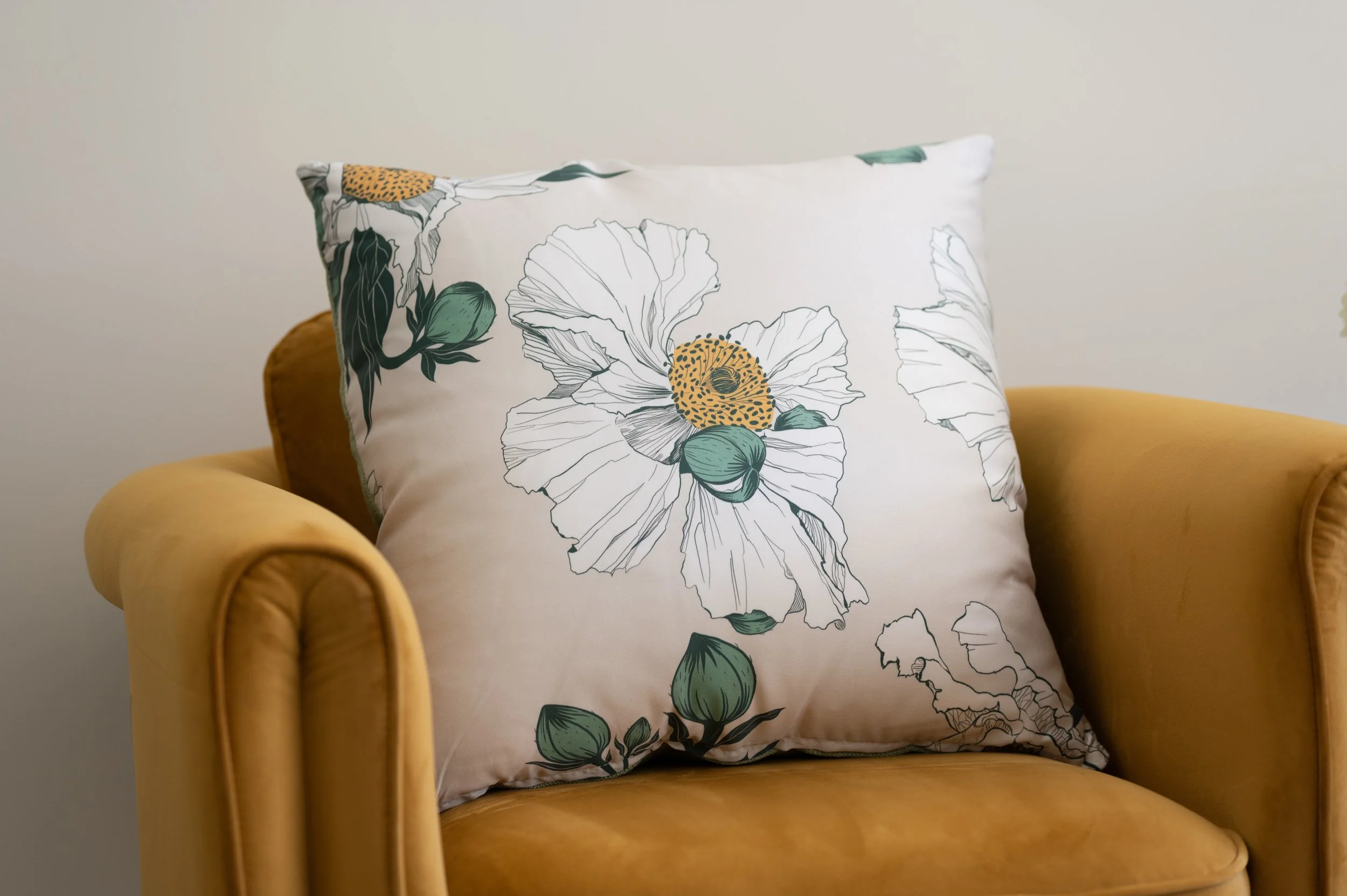
6. Atmospheric Serenity and Material Wellness
Supporting indoor air quality relies on a comprehensive material wellness protocol. This framework dictates the meticulous specification of low-emitting organic materials, artisan botanical finishes, natural flooring options, and advanced, whisper-quiet air purification systems to help isolate and manage ambient aromas.
7. Thermal Equilibrium and Micro-Climate Programming
Because individual sensory profiles influence metabolic equilibrium and temperature regulation, customized layouts support comfort zones tailored to individual needs. Barnard conceptualizes intelligent thermal zones through spatial layouts, radiant heating, and highly responsive, localized controls that allow users to adjust their immediate environment while maintaining the overall balance.
8. Predictable Order and Executive Function Support
To facilitate ease of use and cognitive comfort, interior planning serves as an explicit extension of executive functioning. Custom layouts incorporate bespoke, intuitive storage and organization systems customized to a user’s specific cognitive processing style. By utilizing highly structured layouts, clear sightlines, and curated categorization, spaces help reduce decision fatigue, manage ambient clutter, and foster a sense of mental lightness and control.
9. Integrated Regulation and Proprioceptive Movement
A neuroinclusive environment recognizes the body's need for physical self-regulation. Layouts intentionally establish an organic flow of spatial circulation and incorporate spaces designed for movement and vestibular support. This manifests as flexible furniture arrangements that encourage posture shifts, deep-pressure seating options, and natural physical transitions.
10. Structural Safety and Hypervigilance Mitigation
A supportive space optimizes psychological safety and peace of mind. Stress reduction is achieved through interior predictability, maintaining wide turning radiuses, utilizing smooth radiused architectural volumes, and providing clear views of room entryways. By supporting clear physical sightlines and prioritizing psychological safety in spatial orientation, the space's structure helps ground the nervous system.
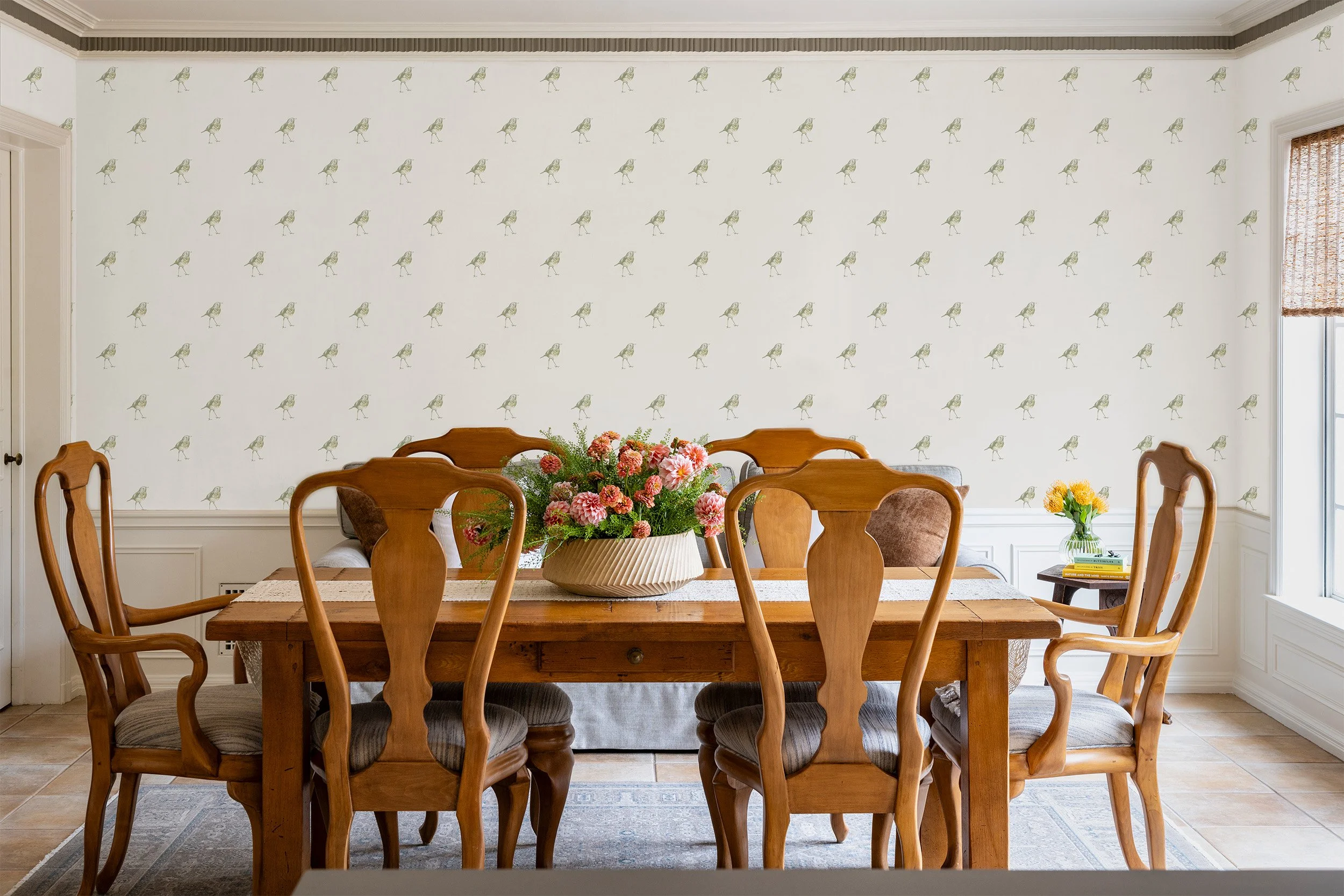
The Future of Restorative Design
By aligning an understanding of neurological data with health and environmental metrics, informed by the standards that underpin leading criteria such as LEED and WELL, Barnard has helped redefine the benchmark for modern interior environments. This methodology marks a permanent shift toward spaces that actively protect and support the human nervous system.
While the private haven of the home remains a foundational focus, the trajectory of neurodesign applies universally across the entire built environment. The same principles that alleviate sensory overload in a private estate are essential in the public and professional spheres, ranging from high-performance workspaces to support cognitive endurance to refined hospitality settings designed for deep physiological recovery. When an environment is shaped directly around neurobiology and sensory perception, it functions as a finely calibrated haven and an active partner in long-term personal well-being.
Selected Bibliography & Further Reading
Bower, Isabella, Richard Tucker, and Peter G. Enticott. "Impact of built environment design on emotion measured via neurophysiological correlates and subjective indicators: A systematic review." Journal of Environmental Psychology, vol. 66, 2019, p. 101344.
Chatterjee, Anjan, Alex Coburn, and Adam Weinberger. "The neuroaesthetics of architectural spaces." Cognitive Processing, vol. 22, no. Suppl 1, 2021, pp. 115-120.
Coburn, Alexander, et al. "Psychological and neural responses to architectural interiors." Cortex, vol. 126, 2020, pp. 217-241.
Lavdas, Alexandros A. "Current Understanding of Health and Urban Environment: Focus on Neuroaesthetics." MDPI Urban Health Insights, vol. 6, no. 2, 2026, p. 51.
Areas Served
California Coastal: Malibu • Malibu Colony • Carbon Beach • Point Dume • Broad Beach • Pacific Palisades • Huntington Palisades • Castellammare • Rustic Canyon • Topanga
Marina & Beach Cities: Venice • Marina del Rey • Playa del Rey • Manhattan Beach • Hermosa Beach • Redondo Beach • Palos Verdes Estates • Rancho Palos Verdes • Rolling Hills • Rolling Hills Estates
Los Angeles Platinum Triangle & Westside: Bel-Air • Beverly Crest • Beverly Hills • Trousdale Estates • Brentwood • Mandeville Canyon • Century City
Central & Historic Enclaves: Hancock Park • Windsor Square • Larchmont • Mid-Wilshire • Los Feliz • Silver Lake
Hidden Valleys & Hills: Calabasas • Hidden Hills • Agoura Hills • Old Agoura • Saddle Creek • Tarzana • Woodland Hills • Lake Sherwood • North Ranch • Hidden Valley