
How Luxury interior Design Protects the Migraine Brain
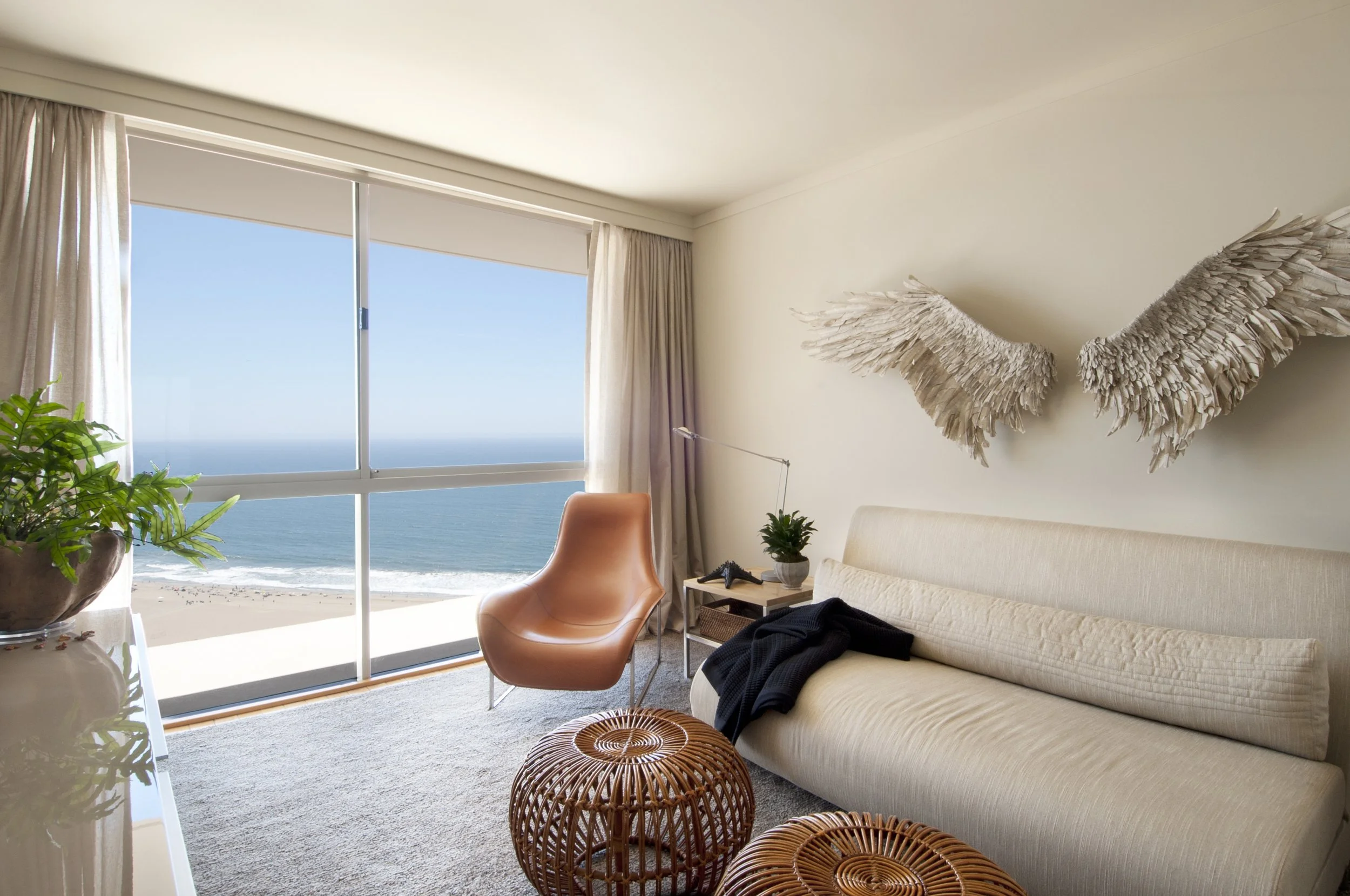
A home is meant to be the ultimate sanctuary, a private ecosystem where every detail is meticulously planned to provide comfort, privacy, and peace of mind. True luxury, after all, is defined by the level of control one has over the immediate environment.
Yet, many of today’s most prominent interior design trends inadvertently create spaces that feel hostile to the complexities of a migraine brain. Cavernous rooms with acoustic reverberation, expansive glass walls, highly reflective stone, and lighting systems with micro-flickers can act as a collective minefield. Crafting an estate for an individual navigating sensory sensitivities requires moving far beyond decoration; it demands a deep alignment between restorative interior design and neurological well-being.

A Lifelong Commitment to Inclusive Design
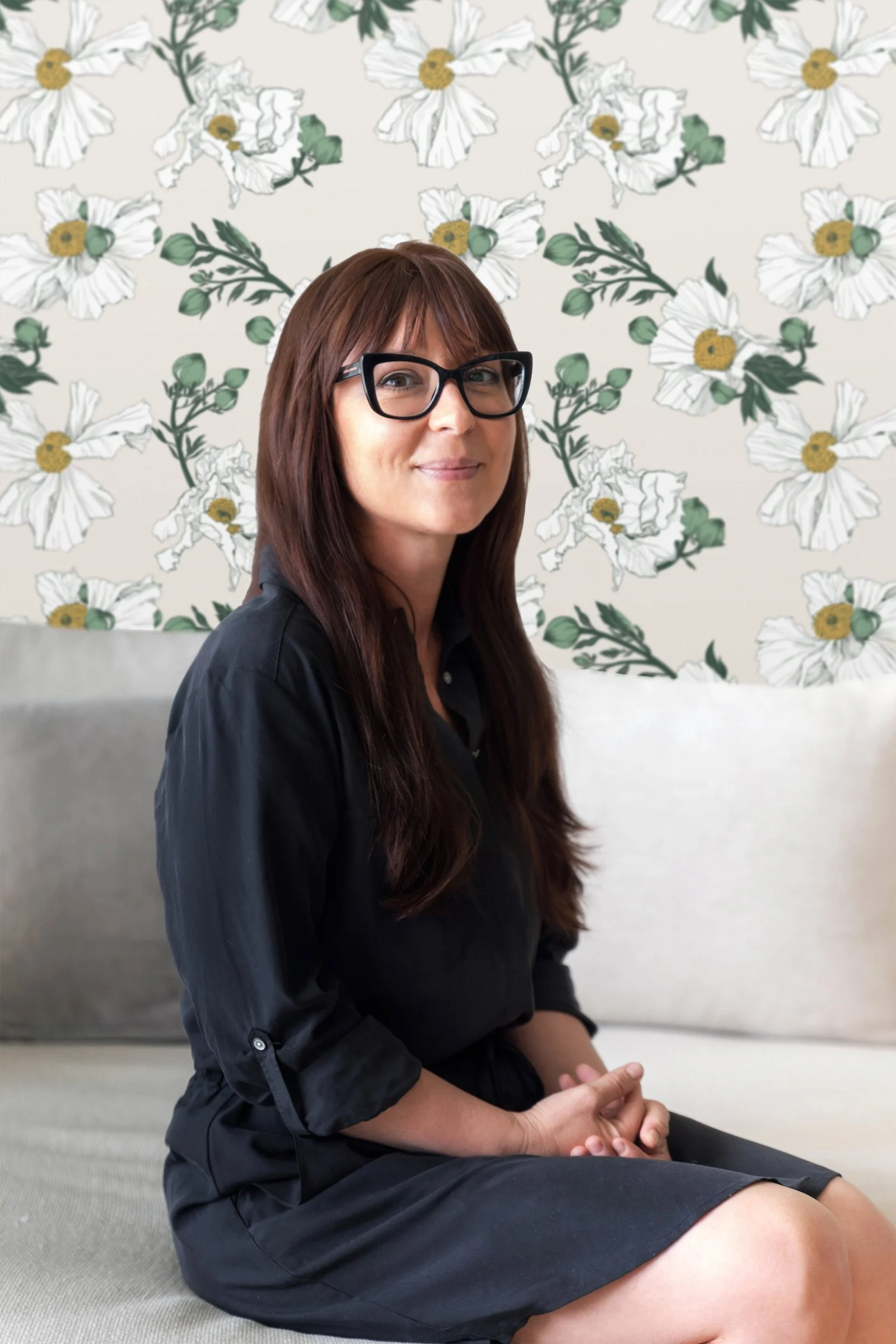
Long before “wellness design” became a modern residential buzzword, interior designer Sarah Barnard, WELL AP + LEED AP, was establishing a foundation in neuro-inclusive design. For over two decades, her work has focused on creating sophisticated, elegant environments tailored for individuals with diverse physical, cognitive, and sensory needs. This design discipline is rooted in a clear philosophy: a home should serve as a dedicated buffer, supporting long-term health while providing a profound sense of physical and emotional security.
When designing for clients who experience migraines, a condition Barnard has navigated personally for a lifetime, the parameters become exceptionally precise. There is an immediate, intuitive understanding of how a space can either soothe or aggravate a sensitive nervous system. The interior schematics and material specifications are evaluated through a lens of sensory prevention, proactively identifying and neutralizing environmental triggers.

Aligning with Clinical Realities
To complement this lifelong commitment, Barnard recently completed a specialized program through the Stanford University School of Medicine focused on the diagnostics and management of migraines.
While this program is traditionally designed for neurologists and healthcare providers, her purpose in the classroom was both personal and professional. Navigating migraines herself, Barnard sought to fully understand the clinical frameworks and scientific research surrounding the condition. Acquiring this level of education enables her to make well-informed decisions in her own life, a benefit that naturally extends to her design practice.
Recognizing how specific environmental stimuli interact with a sensitive nervous system creates an empathetic bridge between a client’s medical realities, estate managers, and architects. With this framework, the interior environment can be designed to support the distinct needs of the migraine brain.

Designing for Sensory Boundaries
Managing the internal environment of an estate requires an intuitive grasp of how physical surroundings impact neurological comfort. In executing highly personalized spaces, Barnard integrates specialized interior design for people with chronic migraines into the home’s interior schematics, focusing on tailored, natural material selections that mitigate sensory strain while maintaining an elevated aesthetic
Light Control and Micro-Flicker Mitigation
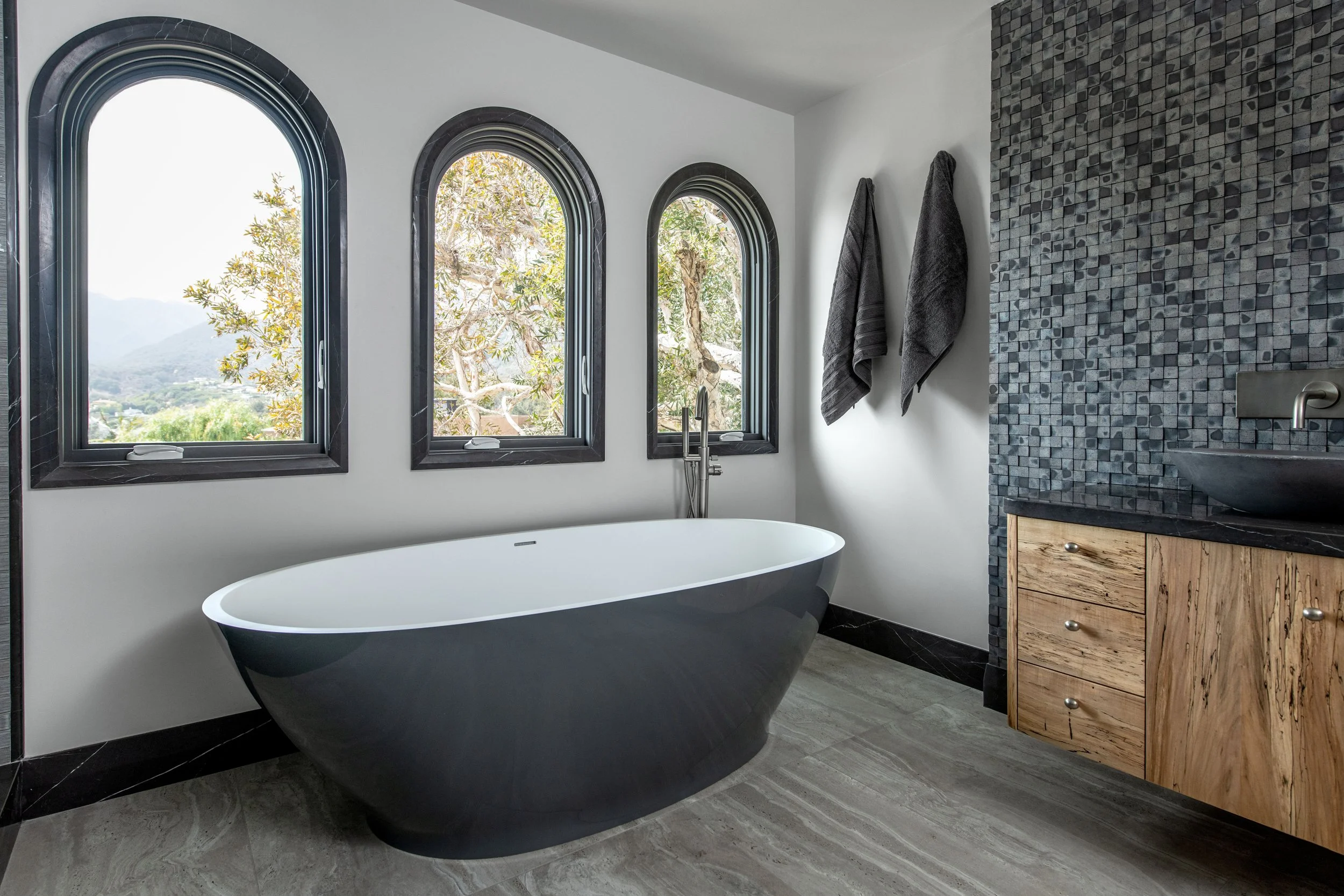
A considered approach to lighting design involves specifying flicker-free systems paired with layered, highly dimmable controls to help manage visual thresholds. Natural daylight is managed with equal care through the integration of motorized shading and non-reflective glass coatings, softening solar glare while fully preserving sweeping exterior views.
Sound Softening and Acoustic Comfort
Acoustic softening can be woven directly into the interior design through specialized acoustic wall plasters, custom-upholstered paneling wrapped in luxury textiles, and high-density insulation concealed behind the drywall. Incorporating these elements helps reduce ambient noise levels.
Air Quality and Material Selection
Prioritizing a lower-emission environment involves specifying a palette of solid woods, natural stone, organic textiles, and zero-VOC finishes. Paired with multi-stage HEPA and carbon air filtration systems, these selections work in tandem to minimize indoor environmental stressors and support a more neutral, stable interior atmosphere.

The Ultimate Peace of Mind
For an individual navigating the demanding realities of migraines, a home can serve as a dedicated recovery zone, a place to retreat, recharge, and remain insulated from chaotic external stimuli. By shaping environments that respect the distinct nuances of the nervous system, interior spaces can be transformed into the definitive residential sanctuary.
Sarah Barnard is a WELL and LEED accredited interior designer and creator of environments that support mental, physical, and emotional wellbeing. She creates highly personalized, restorative spaces that are deeply connected to art and the preservation of the environment. A certified California Naturalist, Sarah believes in celebrating nature through responsible design that works symbiotically with the local environment.
An advocate for consciousness, inclusivity, and compassion in the creative process, Sarah has appeared in Architectural Digest, Elle Décor, Vogue, HGTV, and many other publications. Sarah was recognized as a "Ones to Watch" Scholar by the American Society of Interior Designers (ASID) and has been awarded "Best of Houzz Design" for seven consecutive years. Sarah's MFA in visual arts from Claremont Graduate University informs her practice and innovative approach toward interior design as creating a living work of art.