

California State of Mind: A Harmonious Lifestyle

Defining the California Aesthetic
The California aesthetic is characterized by a generous sense of space, abundant natural light, and a deep appreciation for materiality. This interior design style prioritizes a fluid transition between indoor and outdoor environments, celebrating the state's golden light and diverse landscapes. Beyond a singular look, it is a restorative practice that utilizes quality-crafted, sustainable materials to support emotional and physical wellbeing.
A Celebration of the Local Environment
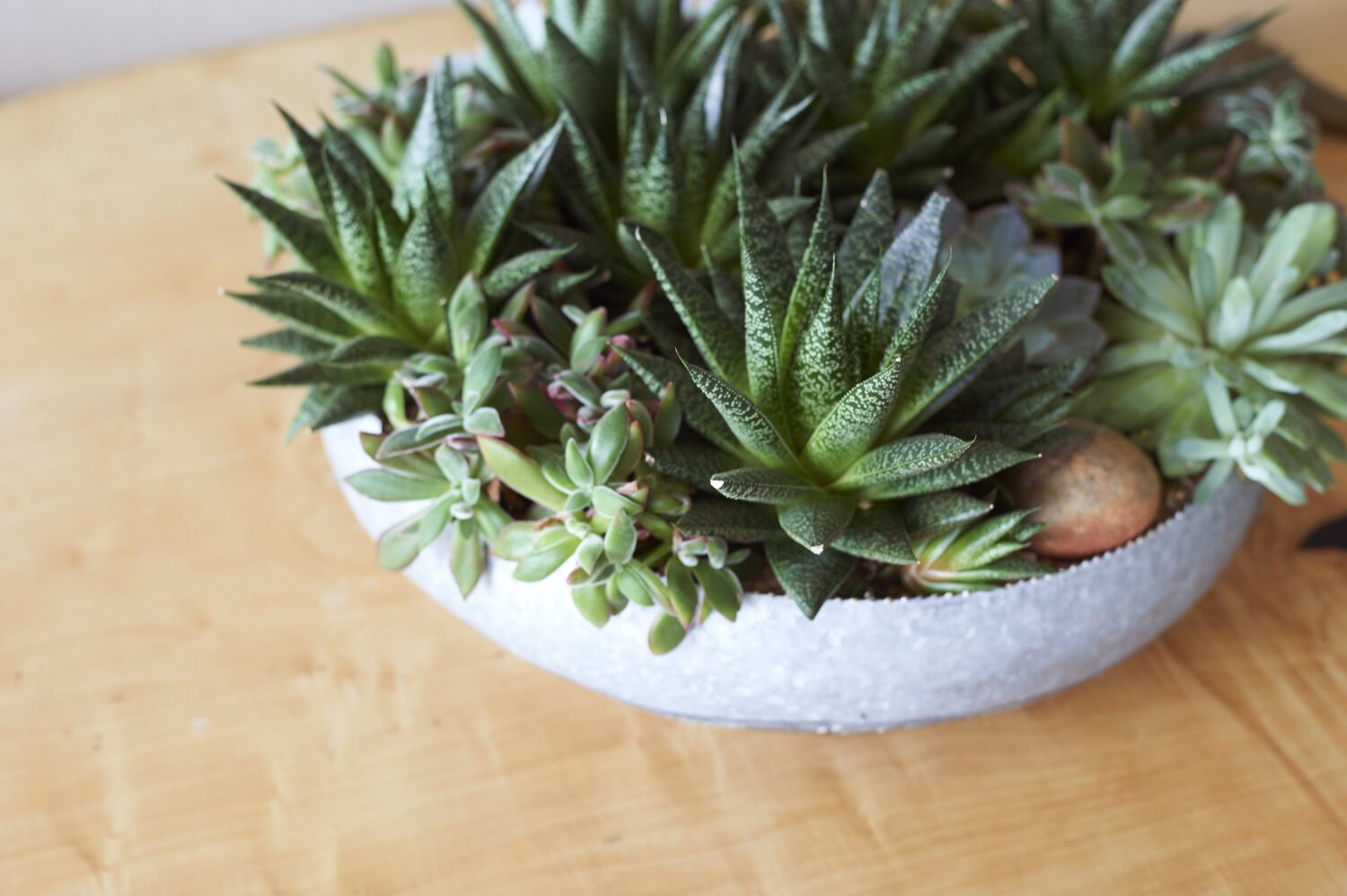
At its core, California home style mirrors the beauty of the coastline and high desert through a palette of soft greens, deep blues, and warm earth tones. This design principle invites the outdoors in, fostering tranquility and connection. This regional approach is rooted in the early 20th-century Arts and Crafts movement, which emphasized a direct response to the natural landscape and the use of materials to anchor a building to its site.
Sarah Barnard, LEED + WELL A.P., notes, “Intentionally designing a sanctuary can cultivate a space that supports a deeper connection with our internal experience.” This focus on quality is central to creating a California connection within a residence.

Honor in Craftsmanship and Narrative
The interior design aesthetic is rooted in traditions that value personal, handmade, and quality-crafted details. By focusing on artisan furniture and architectural elements that showcase raw materials like wood and stone, a home becomes a collection of stories. This approach often includes design strategies for an unpredictable climate, where beauty and functionality balance to support longevity.
This narrative includes regional styles like the Spanish Colonial Revival, which blossomed in the 1920s to become a dominant Southern California style, using stucco, tile, and lush courtyards to create a romantic, site-sensitive identity.
Caliterranean: A blend of Italian, Spanish, and Mission influences characterized by soft stucco and intricate tilework.
Scandifornian: Coastal California elements paired with Scandinavian simplicity.
Francofornia: French sensibilities combined with California comfort.
Material Integrity and Environmental Health
Modern California design style prioritizes material health, selecting sustainable options that support a fresh indoor environment. This includes reclaimed woods, natural textiles, and raw minerals that provide a grounded presence. A humanistic modernism emerged in the state that fully embraced comfort and leisure, responding directly to the environment. Many homeowners also explore vegan home design to create a compassionate style that reflects a love of animals and wildlife.
Intentional Minimalism
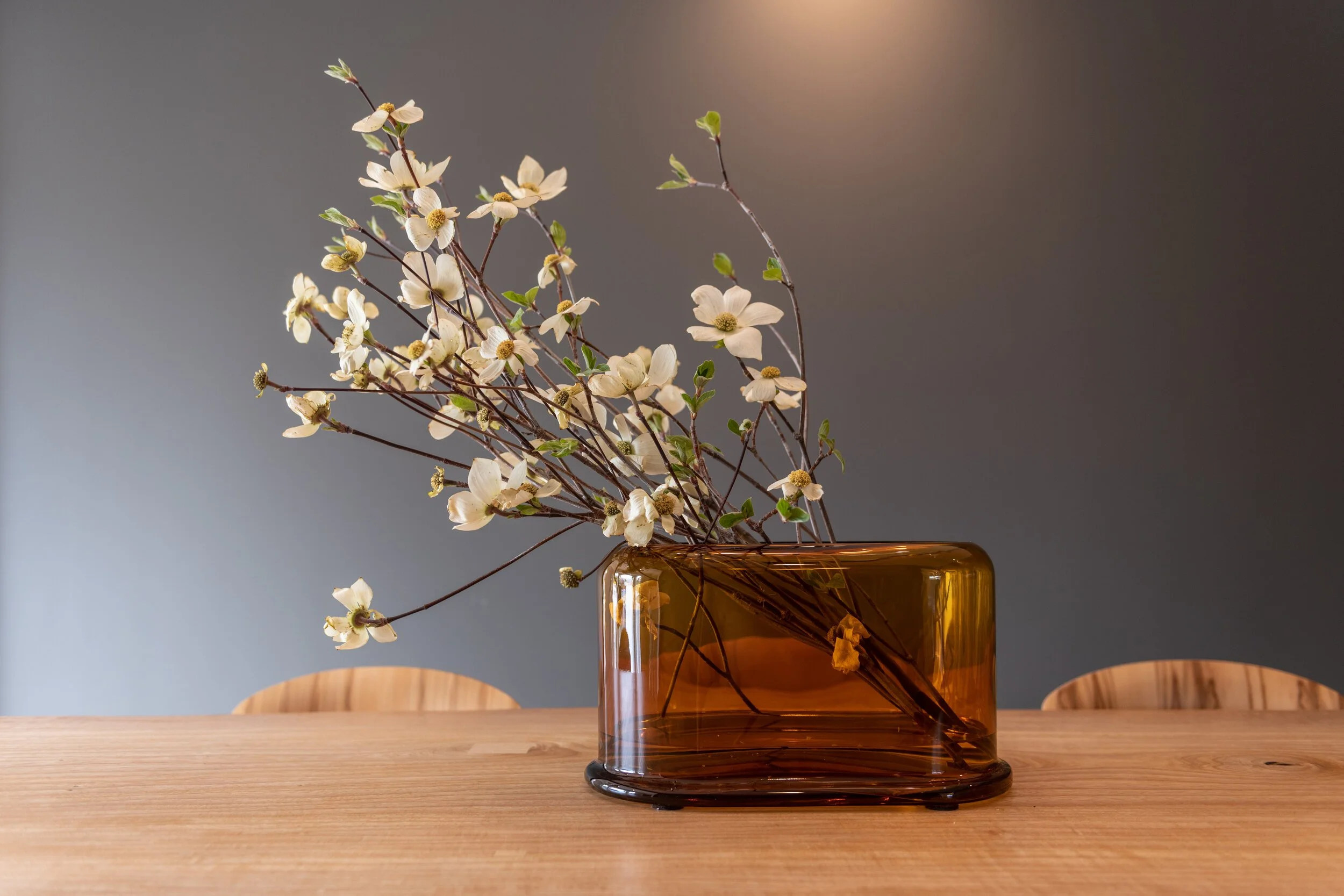
The California look is curated and intentional, promoting calm and order. By utilizing vertical space and layered lighting, rooms feel expansive and airy. Functional elements are often integrated into specialized cabinetry or built-ins, allowing the eye to rest on art and natural woodgrains. This refined approach, sometimes called Caliminimalism, emphasizes organized spaces and functional neutral palettes.
Strategies for Achieving a California Lifestyle
Achieving this interior design style is as much about cultivating a state of mind as it is about visual design. By making intentional choices, the home becomes a tool for a life focused on mindfulness and connection to the land.
Cultivate a Nature-Inspired Palette
Selecting colors rooted in local minerals and flora brings the landscape indoors.
Coastal and Earth Tones: Soft greens, deep blues, and warm neutrals reflect the West Coast.
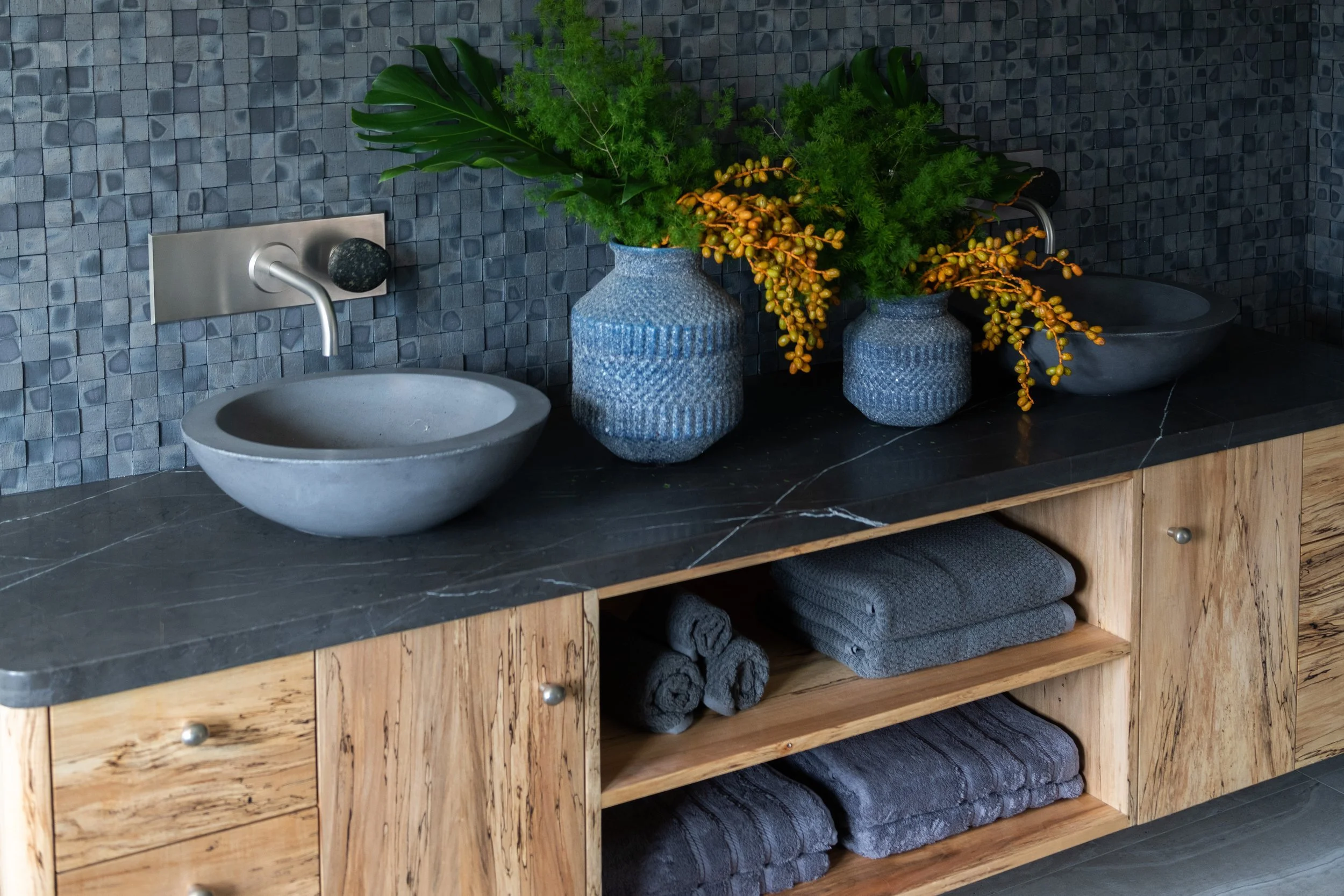
Grounding Minerals: Natural stones like California slate or river rock offer a sense of stability.
Golden Tones: Salvaged sycamore or reclaimed redwood emulate the warmth of West Coast sunshine.
Select Materials for Integrity and Longevity
The history of materials plays a significant role in supporting the local ecosystem and health.
Certified Timbers: FSC-certified woods like reclaimed elm or ash support environmental preservation.
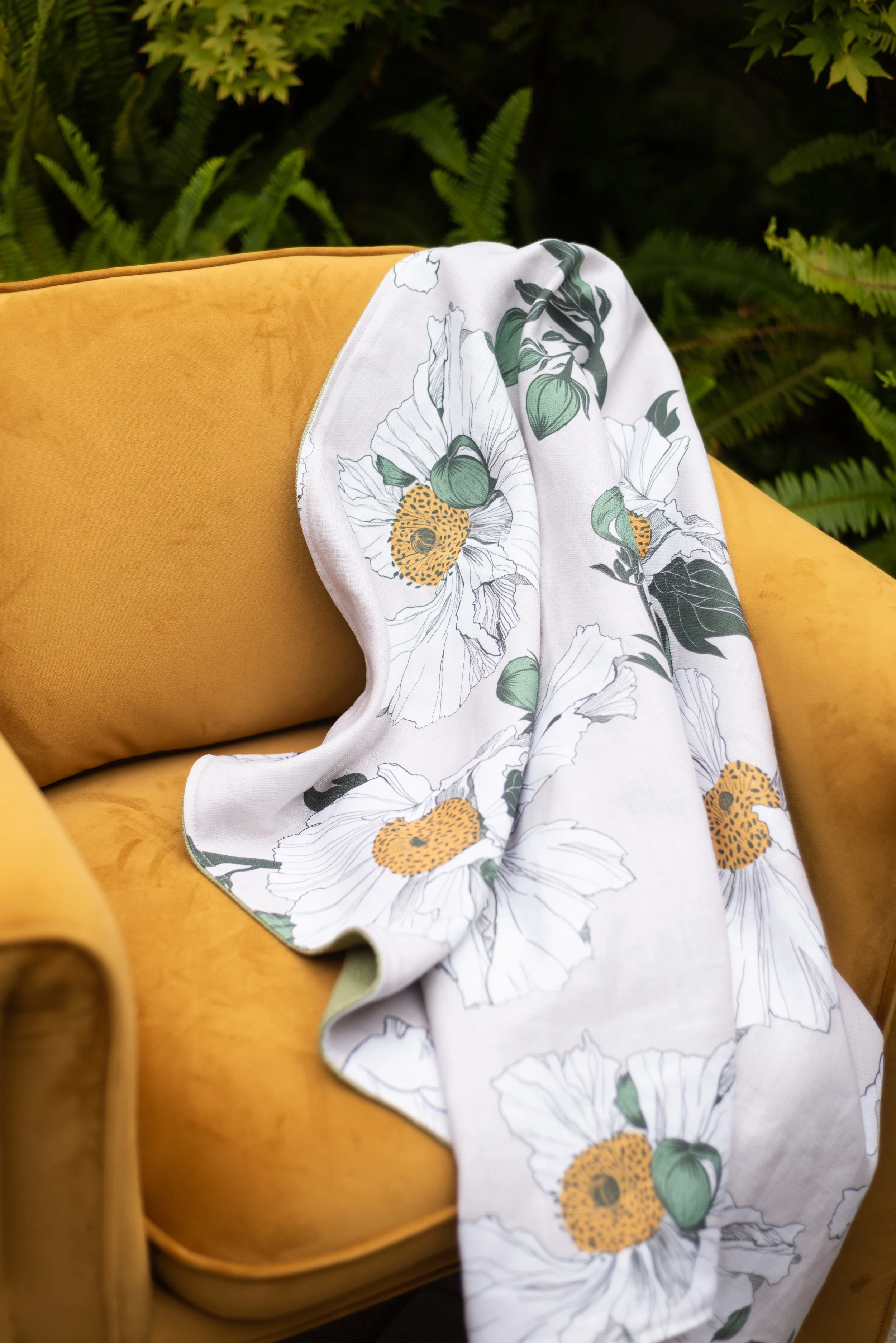
Textile Health: Natural linens or textiles support indoor air quality.
Low-Impact Finishes: No-VOC materials for wood surfaces support a healthy living environment.
Emphasize Artisanal Craftsmanship
Focusing on pieces that showcase human effort and natural beauty adds depth to an interior.
Bespoke Furniture: Custom pieces celebrate the organic form of the wood.
Restored Heirlooms: Integrating family pieces or salvaged historical materials honors design traditions.
Tactile Surfaces: Chiseled wood, textured art, or rough-hewn stone add physical interest.
Sarah Barnard, LEED + WELL A.P., is a leading interior designer of personalized, sustainable spaces that support mental, physical, and emotional wellbeing. She creates restorative environments deeply connected to art and the preservation of the natural world. Sarah has been recognized as a “Ones to Watch” Scholar by the American Society of Interior Designers (ASID).
Bibliography
Stovall, Sarah. “California Design, 1930–1965: Living in a Modern Way.” LACMA, 2011. https://www.lacma.org/sites/default/files/California%20Design%20didactic%20FINAL.pdf
Van Wormer, Catherine. “Architecture and Engineering Theme: Arts and Crafts Movement, 1895-1930.” City of Los Angeles Department of City Planning, 2016. https://planning.lacity.gov/odocument/18037253-197d-483a-8b13-c85fcd553fe8/ArtsandCraftsMovement_1895-1930.pdf
Sloan, Carolyne. “Spanish Colonial Revival Architecture in Santa Monica.” Santa Monica Conservancy, 2024. https://smconservancy.org/property/parkhurst-building/

Beyond Order: Restorative Storage in Modern Design

A common philosophy of storage and organization starts with a period of purging, usually involving a rigid keep, donate, or trash approach. However, this process does not always acknowledge the emotional value of our possessions or fully consider how someone wants to live and feel in their home from a psychological standpoint.
“A common approach to organization often prioritizes elimination, yet it frequently fails to acknowledge the profound emotional resonance of the objects we choose to surround ourselves with,” says Sarah Barnard, WELL and LEED accredited interior designer. “Restorative design is not about what we can discard, but about how we can curate an environment that supports our emotional well-being and reflects our true intentions for how we wish to inhabit a space.”
Many homeowners need a more nuanced strategy that allows for emotion, uncertainty, and changing capacities. The traditional sorting pile is a helpful visual tool, but the criteria for what remains should be personal and reflect one's own history. It is essential to recognize how objects hold meaning, serving as cherished mementos, touchstones, or evolving pieces of a larger collection. If the home is a safe space for free expression, much-loved items play a vital role in self-expression and daily joy.

The Psychology of Curation
Organizing still benefits from a structured process, but the mindset should be rooted in the positive. “Sorting should be approached as an act of self-care rather than a chore of elimination,” Barnard notes. “Instead of asking what we can live without, we should ask how we want our home to support our mood and the daily rituals that bring us comfort.”
By using a feelings-first guide, homeowners can look beyond strict utility. While function is a common starting point, the emotional goal of a room is just as significant. An object might be functional and valued for its usability, or valued simply because it is beautiful. In high-end design, beauty is often a primary function, contributing to calm and visual delight. For many, collecting and curating is the source of joy itself. In these cases, the process is about honoring the collection rather than reducing it.
Managing Sentimental Thresholds
Sentimental items often need a different timeline. A memory box preserves items linked to a person, place, or thing without requiring an immediate decision on their permanent place. This gives time to assess the sentimental reasons for keeping or sorting objects. Items that offer tactile comfort, such as favorite textiles or calming-colored objects, should be seen and kept as sensory anchors at home.
For objects that trigger uncertainty, a holding strategy can help. It can be hard to make quick decisions about inherited pieces or items with complex histories. Placing these in a designated area for review gives time and control. The key is to set a plan to revisit the collection. This ensures the holding area is a temporary pause, not a source of hidden stress.

Architectural Systems for Restorative Living
Once curation is complete, focus shifts to systems to encourage a seamless daily experience. A sophisticated home needs a balance of open and closed storage. Open shelving or rails provide access to frequently used items and serve as display platforms. To prevent visual overload, pair these with closed cabinetry or integrated millwork.
In a home office, this might manifest as an elegant display shelf for books and art, paired with concealed filing or cabinetry for administrative essentials. In the kitchen, high-touch tools may remain on a beautiful tray on the counter, while secondary appliances are tucked into specialized drawers. For items that carry deep meaning but lack a functional place in the current layout, digital preservation is a thoughtful alternative. Scanning precious items like children’s art or archival correspondence keeps the memories accessible while reclaiming physical space for new experiences.
Intentional Visibility and Ease
Achieving a balance of visibility without overload is personal. While concealing belongings may lead to their eventual neglect, maintaining total visibility can inadvertently lead to sensory overload. Subtle storage tools can help strike this balance. Shallow trays, baskets, or pull-out shelves in larger cabinets prevent items from becoming buried. Clear or semi-clear bins in closed closets maintain order and allow for quick identification.
Functionality means different things for everyone, and the goal of a sophisticated organizational system is to enhance the user's experience by creating an environment that feels intentional, paced, and restorative. By moving beyond the pressure of order for order’s sake, the modern home transcends simple organization to become a landscape deeply aligned with the lives lived within its walls.
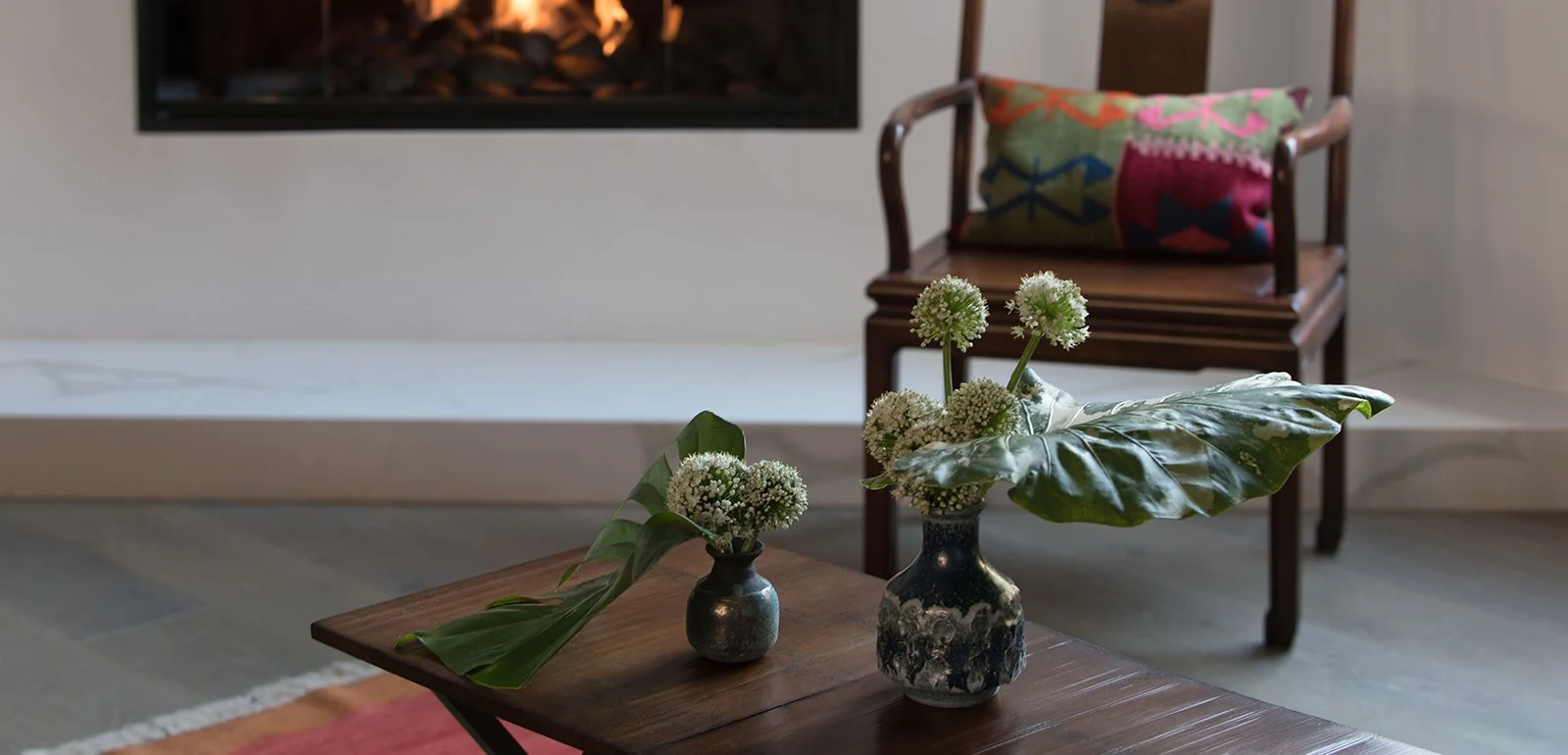
Sarah Barnard is a WELL and LEED accredited interior designer and creator of environments that support mental, physical, and emotional wellbeing. She creates highly personalized, restorative spaces that are deeply connected to art and the preservation of the environment. A certified California Naturalist, Sarah believes in celebrating nature through responsible design that works symbiotically with the local environment.
An advocate for consciousness, inclusivity, and compassion in the creative process, Sarah has appeared in Architectural Digest, Elle Décor, Vogue, HGTV, and many other publications. Sarah was recognized as a "Ones to Watch" Scholar by the American Society of Interior Designers (ASID) and has been awarded "Best of Houzz Design" for seven consecutive years. Sarah's MFA in visual arts from Claremont Graduate University informs her practice and innovative approach toward interior design as creating a living work of art.

The Architecture of Autonomy: Elevating Wellness through Individual Sleeping Sanctuaries
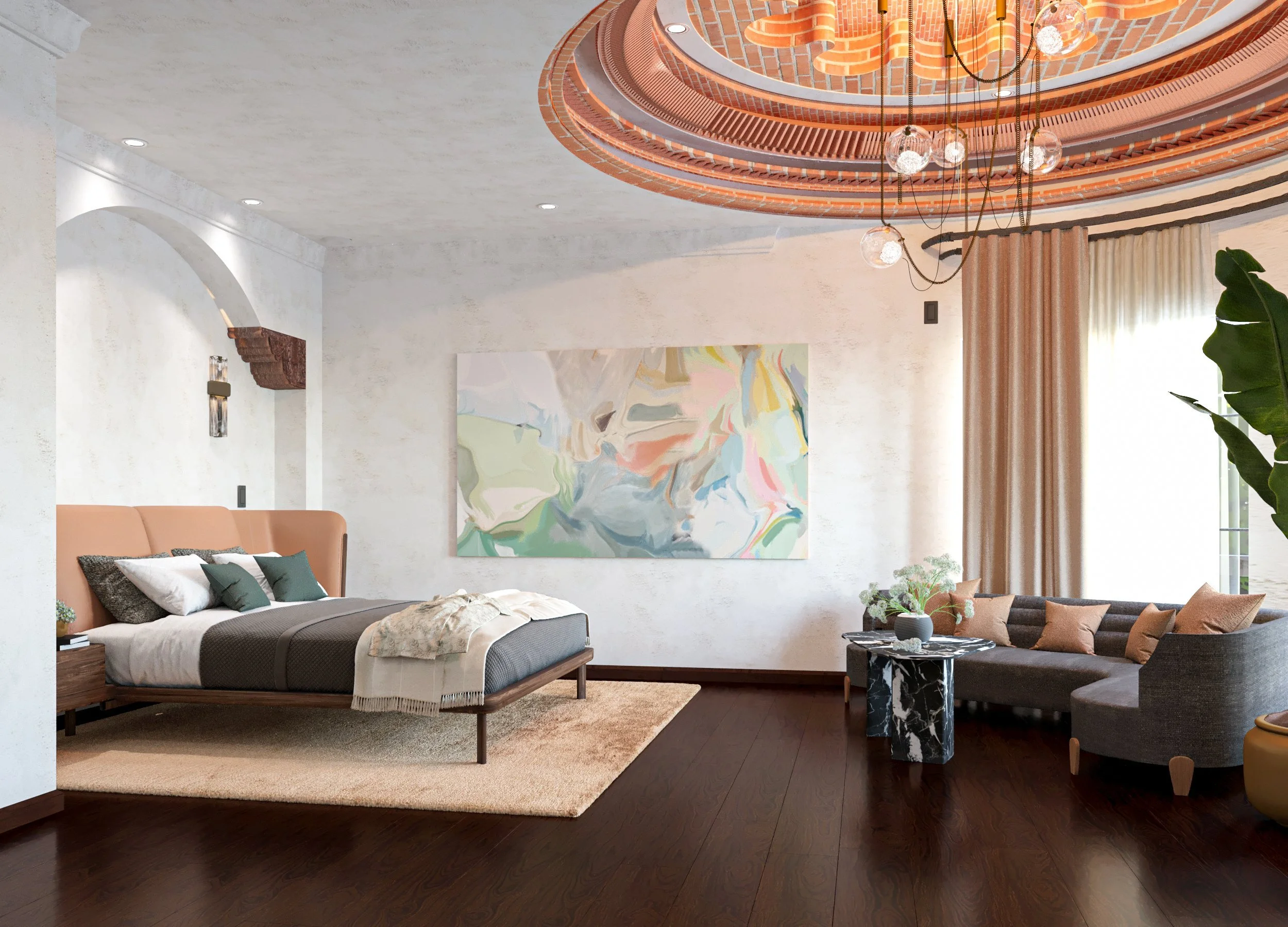
In high-end residential design, luxury is often defined by the removal of friction. We create environments that anticipate needs, soothe the senses, and provide a seamless backdrop for a life well-lived. While traditional floor plans have prioritized the shared primary suite as the pinnacle of domestic harmony, a more sophisticated perspective is emerging, looking to historical precedent and modern biological science to reclaim the luxury of personal space.
By prioritizing individual sleeping sanctuaries, we move beyond the limitations of shared environments and embrace the Architecture of Autonomy. This approach does not signal a departure from partnership; it honors the individual’s biological needs and identity, ultimately fostering a deeper, more intentional connection.
The Sovereign Precedent: A Legacy of Privacy
The concept of the shared bed is a relatively modern standard. Historically, the elite maintained distinct private chambers as a symbol of status and dignity. In royal courts, the separate chamber was not a sign of a distant marriage but a recognition of individual sovereignty. These suites facilitated the ceremony of one’s day, rising and retiring, allowing each person to maintain their own schedule and sensory preferences without imposition.
In contemporary design, we are returning to this regal standard. By shifting the narrative from a shared master to dual primaries, it gives homeowners the freedom to inhabit spaces that are entirely their own. This is not a compromise of intimacy but an elevation of it, transforming togetherness from a default setting into a meaningful, chosen event.
Biological Precision and Environmental Optimization
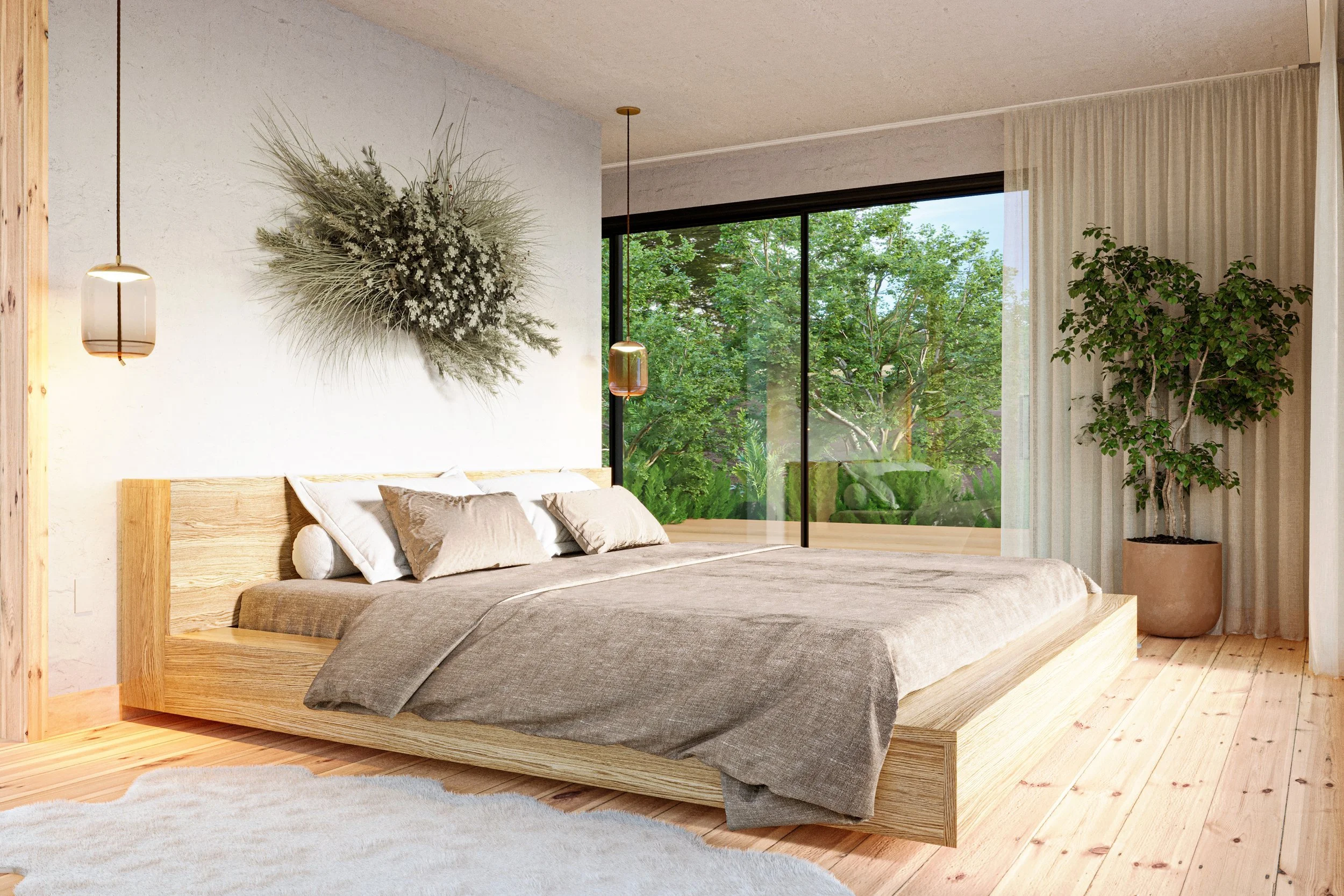
True restorative sleep is a highly individualized biological process. What one person requires for peak cognitive performance, such as a specific temperature, mattress firmness, or total darkness, may disrupt their partner.
Research demonstrates that a significant portion of an individual's sleep quality can be negatively influenced by a partner’s movements, differing sleep-wake cycles, or environmental preferences (Sleep Research Society, 2024). In a shared environment, one partner is almost always making a biological concession. Individual sanctuaries allow for the implementation of precision environmental controls tailored to the inhabitant’s specific circadian needs. One partner may opt for a suite designed with automated blackout shielding to facilitate deep, undisturbed rest, while the other prefers a space that welcomes natural morning light to stimulate a healthy awakening response (International WELL Building Institute, 2020). By removing these external disruptions, we ensure that both partners reach the deepest stages of restoration, arriving at the start of their day refreshed and emotionally resilient.
The Luxury of Unfiltered Identity
Beyond the biological benefits, separate suites offer an opportunity for aesthetic expression. In a shared bedroom, design is often a series of concessions, perhaps a neutral palette chosen to satisfy two tastes. In an autonomous sanctuary, the room becomes a pure reflection of the individual.
These separate suites honor different personal narratives and tactile preferences. One suite may be a soft, monochromatic cocoon of organic cotton, while the other is a crisp, architectural space featuring curated art. This level of personalization allows the home to function as a holistic sanctuary, where the environment aligns perfectly with the inhabitant’s internal world.
Cultivating Mystery and Intentionality
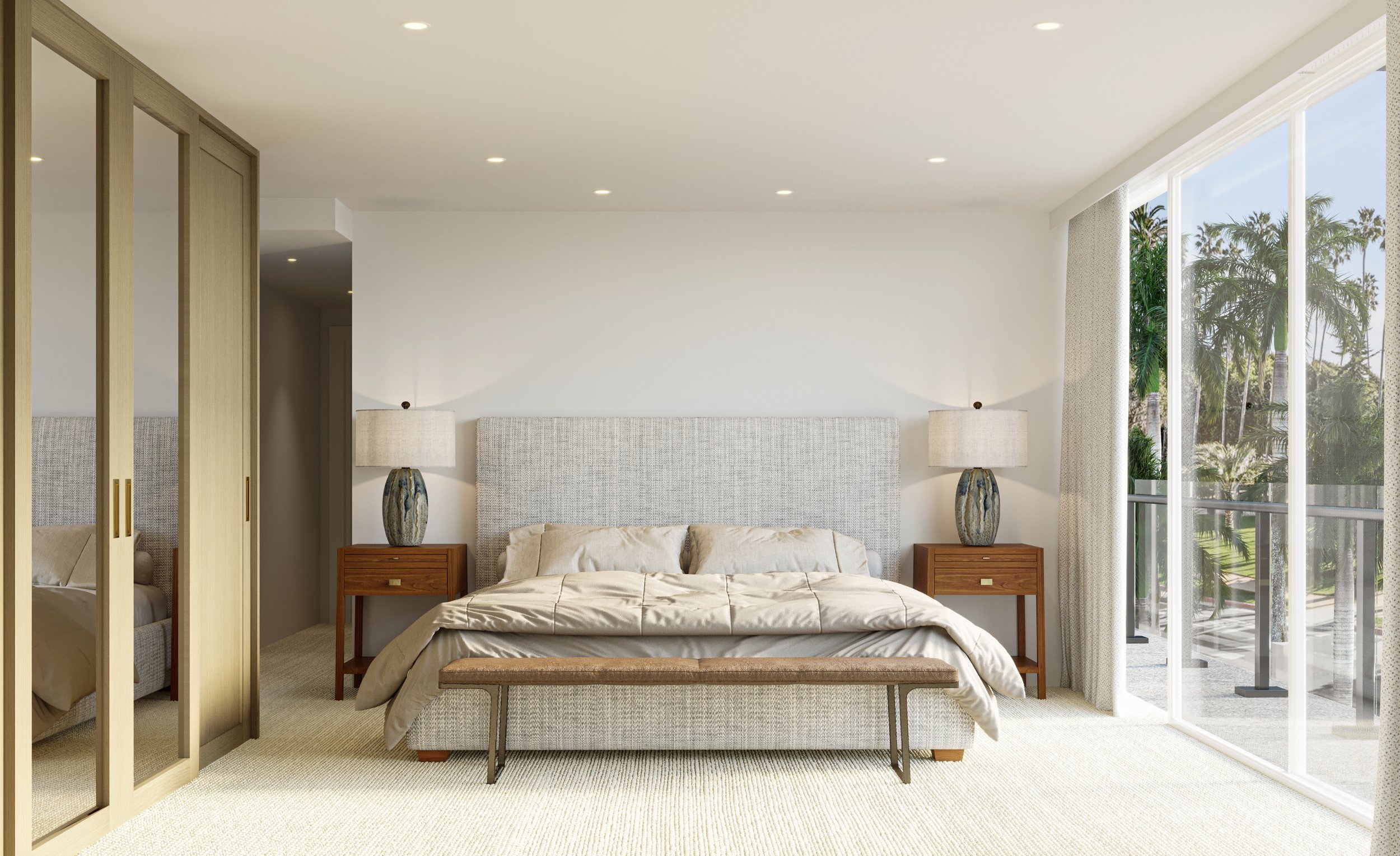
There is a profound psychological benefit to physical boundaries. Academic studies suggest that couples who maintain high levels of personal autonomy often report greater long-term relationship satisfaction (Storm, 2023).
Sharing every mundane detail of one's morning and evening routine can, over time, diminish the sense of mystery that fuels attraction. Individual dressing areas and bathrooms allow for the big reveal. When partners meet for an evening or retire to one another’s chamber, they do so with intentionality. They have had space to prepare, center themselves, and show up for their partner as their best selves. Inviting a partner into one’s private domain mirrors the romantic traditions of high society, making being together a curated experience rather than a habitual necessity.
Lifespan Design: The Wellness Wing
A forward-thinking home must also account for life’s transitions. We often design one primary sanctuary on the ground level, not out of immediate need but as a proactive wellness wing.
These spaces use universal design principles, incorporating curbless showers and wider clearances without sacrificing luxury. A dedicated space for recovery or health management allows for individualized care without disrupting the partner’s well-being (Troxel, 2021). Whether for temporary recovery or a long-term shift in mobility, these suites ensure the home remains a place of comfort and dignity, not a source of stress.
Conclusion: Living Without Compromise
In the modern luxury home, the most valuable commodity is the ability to live as one chooses. The shift toward individual sleeping sanctuaries represents a maturation of residential design, moving away from societal expectations and toward a more enlightened understanding of health, identity, and partnership.
By designing for autonomy, we create homes that do more than house us; they support our biology and protect our relationships. Living like royalty is not about the size of the bed, but the quality of rest and the freedom to be oneself.

Sarah Barnard is a WELL and LEED accredited interior designer and creator of environments that support mental, physical, and emotional wellbeing. She creates highly personalized, restorative spaces that are deeply connected to art and the preservation of the environment. A certified California Naturalist, Sarah believes in celebrating nature through responsible design that works symbiotically with the local environment.
An advocate for consciousness, inclusivity, and compassion in the creative process, Sarah has appeared in Architectural Digest, Elle Décor, Vogue, HGTV, and many other publications. Sarah was recognized as a "Ones to Watch" Scholar by the American Society of Interior Designers (ASID) and has been awarded "Best of Houzz Design" for seven consecutive years. Sarah's MFA in visual arts from Claremont Graduate University informs her practice and innovative approach toward interior design as creating a living work of art.
Works Cited
International WELL Building Institute. WELL Building Standard v2. 2020.
Pulling Back the Sheets: Exploring the Impact of Sleep on Couples' Relationships. Sleep Research Society, 2024.
Storm, Nina. "The Importance of Personal Space in a Relationship." University of California, Berkeley, 2023.
Troxel, Wendy M. "Multilevel Analysis of Sleep and Relationship Quality." PubMed Central, National Institutes of Health, 2021.