
Canyon Calm: Design Strategies for an Unpredictable Climate
Resilience as Coastal Stewardship
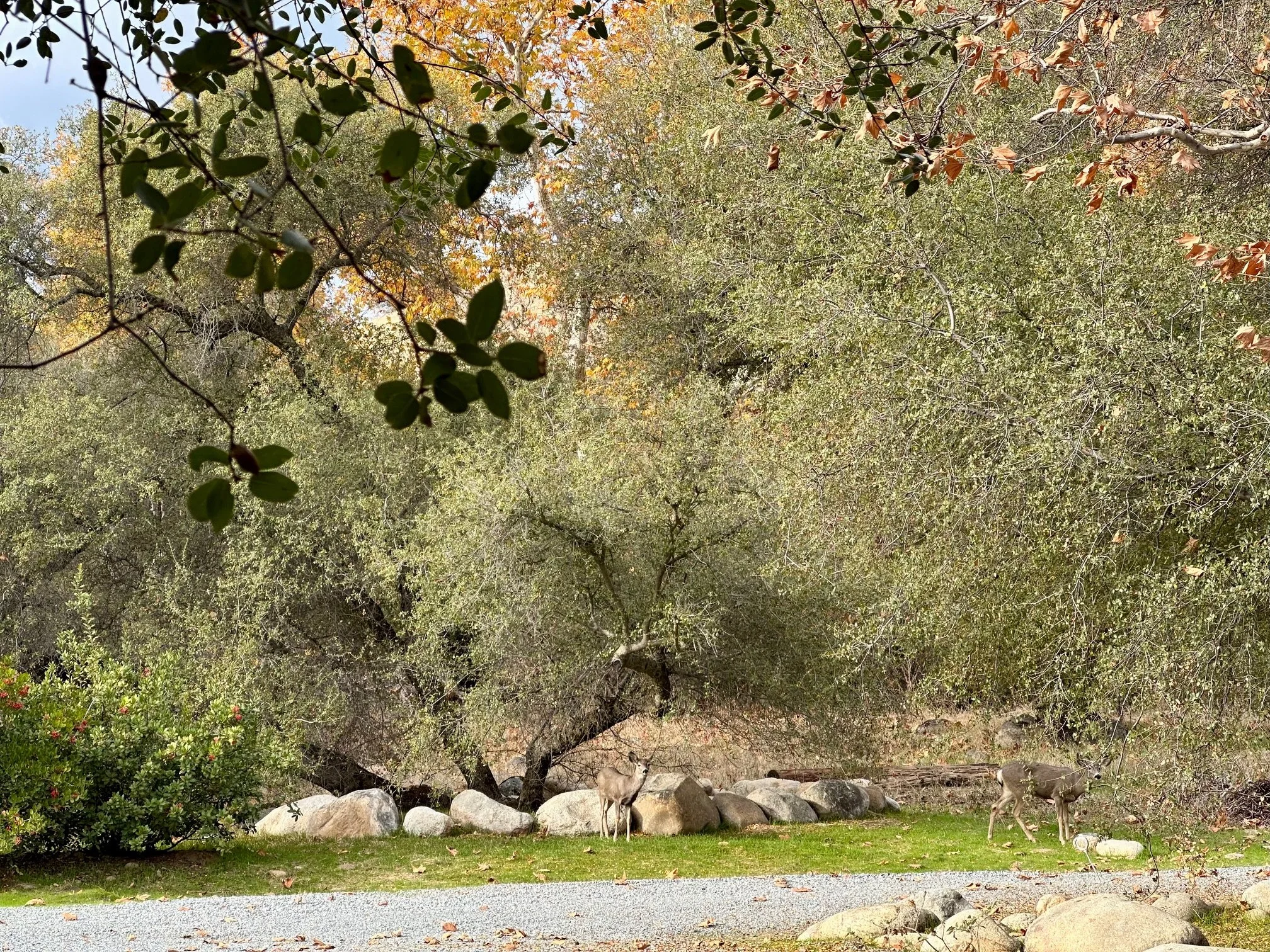
The mid-afternoon sun in Topanga Canyon often creates a sensory intensity where the air feels static and the landscape particularly fragile. During Climate Week in Los Angeles, this environmental reality serves as a catalyst for estate owners to move beyond passive design trends toward a more active and intentional form of stewardship. In high-fire-severity zones, protecting a coastal property requires navigating the complex intersection of high-end aesthetic integrity and technical necessity. It is a fundamental shift in perspective that views the home not merely as a site of leisure, but as a responsive biological ally. Navigating these requirements demands an authoritative oversight grounded in specialized credentials to ensure a residence remains a restorative retreat.
Thermal Batteries and the Diurnal Cycle
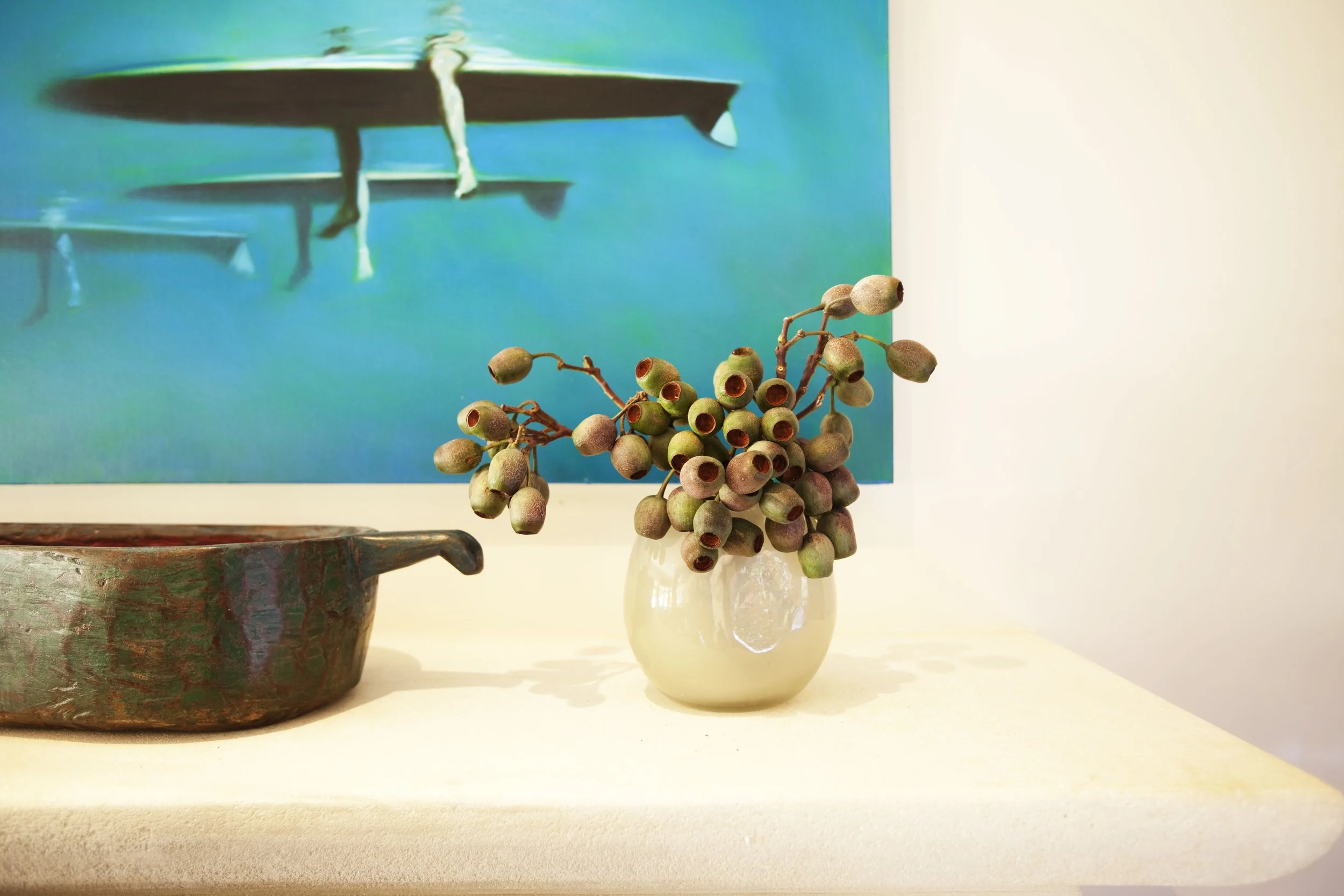
In luxury residential environments, significant functional value is found in materials that offer more than a prestigious pedigree. Dense stones, such as honed basalt and limestone, possess the thermal mass required to manage the demanding diurnal heat cycle. High-mass stone may act as a silent thermal battery by wicking away the peak intensity of a mid-day sun, potentially supporting a sense of internal calm and preventing heat-related physiological stress. When a room manages its temperature effectively, it aims to provide the stable internal environment needed to facilitate high-level cognitive performance and physical recovery. The stone holds the cool long after the sun has shifted.
The Technical Defense of the Building Envelope
Strategic resilience begins with the technical precision of the building envelope. Utilizing layered protective materials, such as dual-paned tempered glass and non-combustible finishes, aims to defend the structural integrity of a property against environmental shifts. A critical component of this defensive strategy is the ember audit, which addresses the high-stakes reality that undetected gaps in vents or eaves may serve as entry points for wind-blown fire. This specialized approach to home hardening aims to mitigate vulnerabilities before they are tested by a local weather event. The house stands as a quiet, fortified retreat against the elements.
Sarah Barnard, LEED + WELL A.P., said, "By selecting enduring materials that buffer and protect, a home may better accommodate the physiological needs of its inhabitants while providing a meaningful layer of protection against environmental shifts."
Naturalism as a Strategic Shield
A property’s security extends beyond its walls to the immediate landscape. A symbiotic relationship with the local environment informs the selection of responsible landscaping that works in harmony with the unique constraints of the California coast. Rather than relying on thirsty, high-maintenance flora, a native-focused design may provide natural shading and moisture retention. This naturalist approach serves as a functional tool for environmental preparedness, potentially reducing a property’s reliance on mechanical climate control while aiming to preserve the restorative nature of the estate. It is an act of foresight that honors both the inhabitant and the local ecosystem.
The Enduring Sanctuary
A resilient home is intended to be a responsive ally engineered to support a sense of well-being even during periods of environmental fluctuation. These technical choices represent proactive, intelligent investments in a well-lived life where safety and restoration are woven into the home itself. A temperature-stable, hardened environment aims to provide the quiet and stability that may help support the deep stages of sleep and long-term vitality. By prioritizing enduring materials and ecological intelligence, an estate can remain a supportive sanctuary that stands the test of time.
Sarah Barnard, LEED + WELL A.P., is a leading designer of personalized, sustainable spaces that support mental, physical, and emotional wellbeing. She creates highly personalized, restorative spaces that are deeply connected to art and the preservation of the environment. An advocate for consciousness, inclusivity, and compassion in the creative process, Sarah has appeared in Architectural Digest, Elle Décor, Vogue, HGTV, and many other publications. Sarah was honored as a "Ones to Watch" Scholar by the American Society of Interior Designers (ASID).
Bibliography
Association of Collegiate Schools of Architecture (ACSA). (2026). Thermal Mass and Natural Ventilation: Performance Divergence in Hot Climates. acsa-arch.org/
Insurance Institute for Business & Home Safety (IBHS). (2025). Construction Costs for Wildfire-Resistant Homes: Los Angeles Regional Analysis. ibhs.org/wildfireready/
International WELL Building Institute (IWBI). (2023). WELL v2 Standard: Thermal Comfort and Physiological Recovery. v2.wellcertified.com/en/v2/thermal-comfort
National Center for Biotechnology Information (NCBI). (2024). Surviving Indoor Heat Stress: Impact of Overheating on Residential Thermal Comfort and Health. ncbi.nlm.nih.gov/pmc/
United States Green Building Council - Los Angeles (USGBC-LA). (2022). Wildfire Defense Landscaper Certificate Program. usgbc-la.org/programs/wildfire-defense-landscaper/