

Defining the California Aesthetic
The California aesthetic is characterized by a generous sense of space, abundant natural light, and a deep appreciation for materiality. This interior design style prioritizes a fluid transition between indoor and outdoor environments, celebrating the state's golden light and diverse landscapes. Beyond a singular look, it is a restorative practice that utilizes quality-crafted, sustainable materials to support emotional and physical wellbeing.
A Celebration of the Local Environment
At its core, California home style mirrors the beauty of the coastline and high desert through a palette of soft greens, deep blues, and warm earth tones. This design principle invites the outdoors in, fostering tranquility and connection. This regional approach is rooted in the early 20th-century Arts and Crafts movement, which emphasized a direct response to the natural landscape and the use of materials to anchor a building to its site.
Sarah Barnard, LEED + WELL A.P., notes, “Intentionally designing a sanctuary can cultivate a space that supports a deeper connection with our internal experience.” This focus on quality is central to creating a California connection within a residence.

Honor in Craftsmanship and Narrative
The interior design aesthetic is rooted in traditions that value personal, handmade, and quality-crafted details. By focusing on artisan furniture and architectural elements that showcase raw materials like wood and stone, a home becomes a collection of stories. This approach often includes design strategies for an unpredictable climate, where beauty and functionality balance to support longevity.
This narrative includes regional styles like the Spanish Colonial Revival, which blossomed in the 1920s to become a dominant Southern California style, using stucco, tile, and lush courtyards to create a romantic, site-sensitive identity.
Caliterranean: A blend of Italian, Spanish, and Mission influences characterized by soft stucco and intricate tilework.
Scandifornian: Coastal California elements paired with Scandinavian simplicity.
Francofornia: French sensibilities combined with California comfort.
Material Integrity and Environmental Health
Modern California design style prioritizes material health, selecting sustainable options that support a fresh indoor environment. This includes reclaimed woods, natural textiles, and raw minerals that provide a grounded presence. A humanistic modernism emerged in the state that fully embraced comfort and leisure, responding directly to the environment. Many homeowners also explore vegan home design to create a compassionate style that reflects a love of animals and wildlife.
Intentional Minimalism
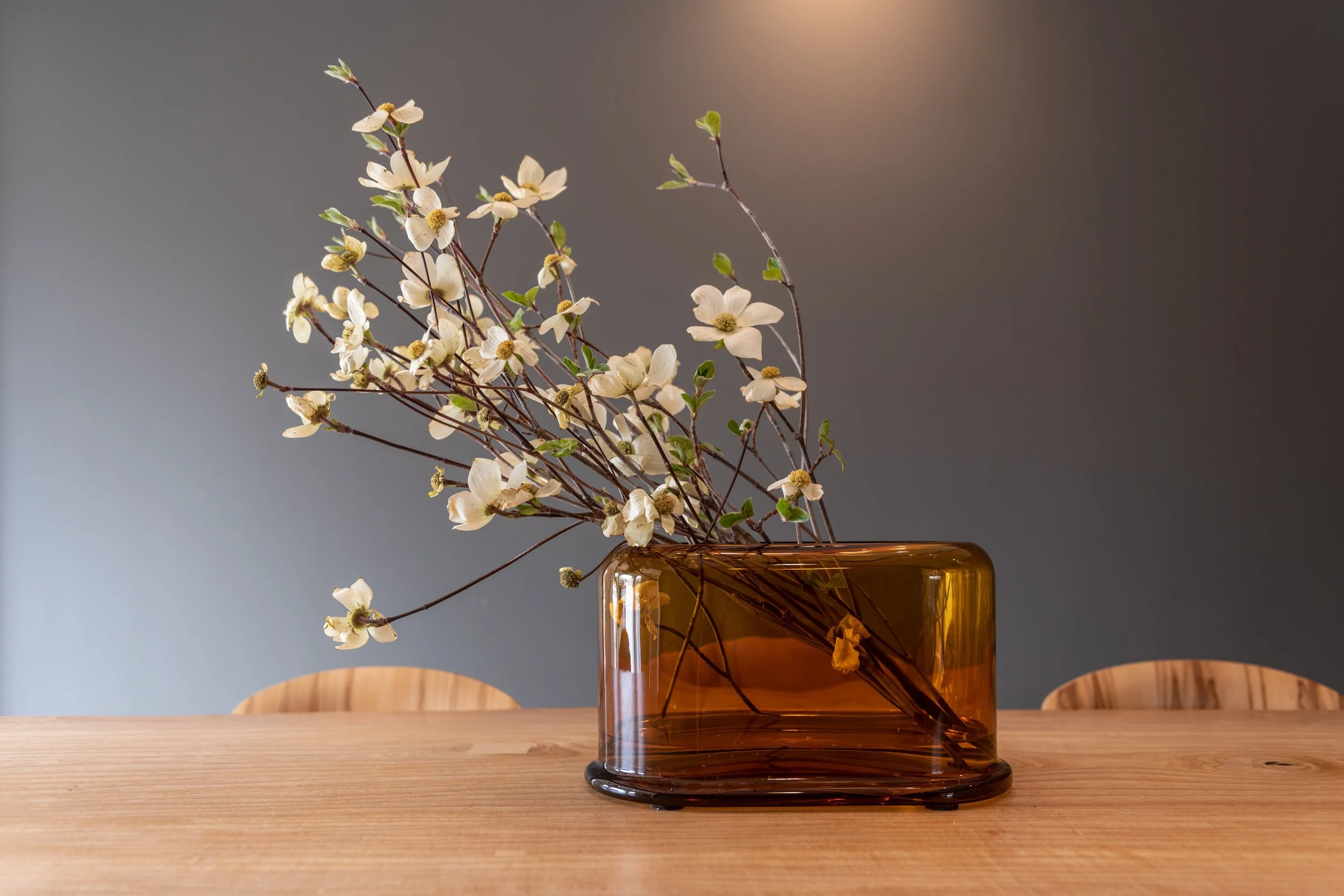
The California look is curated and intentional, promoting calm and order. By utilizing vertical space and layered lighting, rooms feel expansive and airy. Functional elements are often integrated into specialized cabinetry or built-ins, allowing the eye to rest on art and natural woodgrains. This refined approach, sometimes called Caliminimalism, emphasizes organized spaces and functional neutral palettes.
Strategies for Achieving a California Lifestyle
Achieving this interior design style is as much about cultivating a state of mind as it is about visual design. By making intentional choices, the home becomes a tool for a life focused on mindfulness and connection to the land.
Cultivate a Nature-Inspired Palette
Selecting colors rooted in local minerals and flora brings the landscape indoors.
Coastal and Earth Tones: Soft greens, deep blues, and warm neutrals reflect the West Coast.
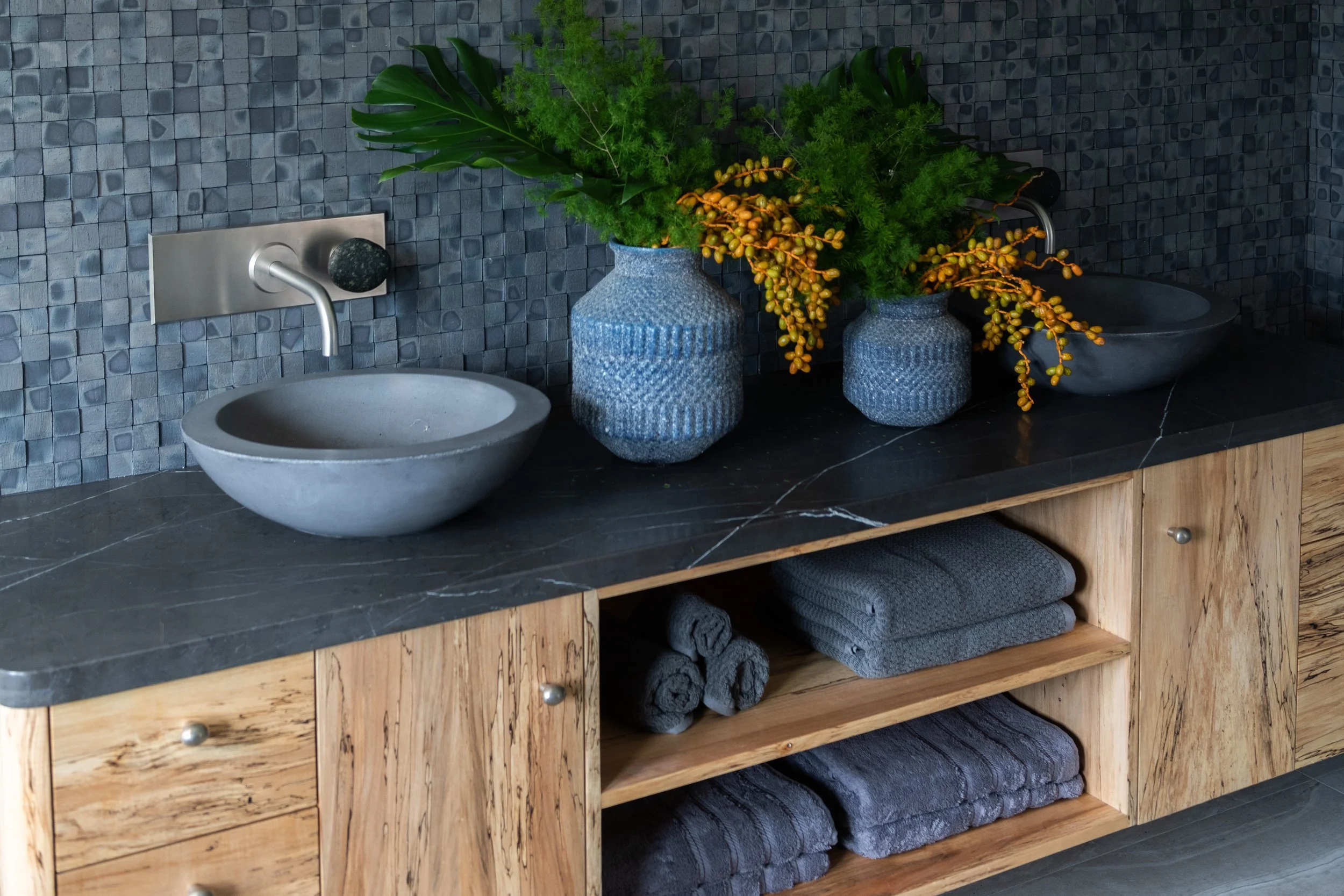
Grounding Minerals: Natural stones like California slate or river rock offer a sense of stability.
Golden Tones: Salvaged sycamore or reclaimed redwood emulate the warmth of West Coast sunshine.
Select Materials for Integrity and Longevity
The history of materials plays a significant role in supporting the local ecosystem and health.
Certified Timbers: FSC-certified woods like reclaimed elm or ash support environmental preservation.
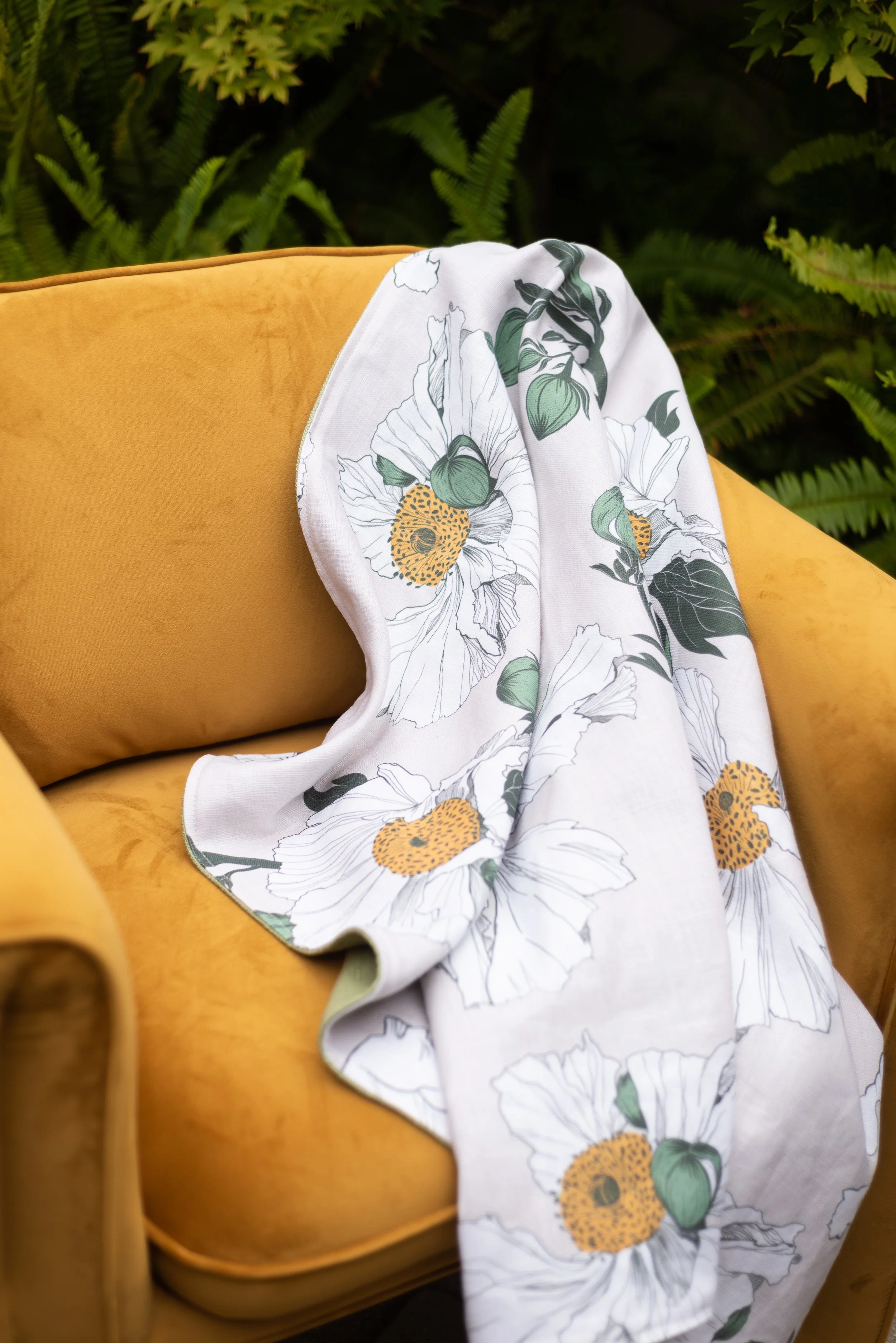
Textile Health: Natural linens or textiles support indoor air quality.
Low-Impact Finishes: No-VOC materials for wood surfaces support a healthy living environment.
Emphasize Artisanal Craftsmanship
Focusing on pieces that showcase human effort and natural beauty adds depth to an interior.
Bespoke Furniture: Custom pieces celebrate the organic form of the wood.
Restored Heirlooms: Integrating family pieces or salvaged historical materials honors design traditions.
Tactile Surfaces: Chiseled wood, textured art, or rough-hewn stone add physical interest.
Sarah Barnard, LEED + WELL A.P., is a leading interior designer of personalized, sustainable spaces that support mental, physical, and emotional wellbeing. She creates restorative environments deeply connected to art and the preservation of the natural world. Sarah has been recognized as a “Ones to Watch” Scholar by the American Society of Interior Designers (ASID).
Bibliography
Stovall, Sarah. “California Design, 1930–1965: Living in a Modern Way.” LACMA, 2011. https://www.lacma.org/sites/default/files/California%20Design%20didactic%20FINAL.pdf
Van Wormer, Catherine. “Architecture and Engineering Theme: Arts and Crafts Movement, 1895-1930.” City of Los Angeles Department of City Planning, 2016. https://planning.lacity.gov/odocument/18037253-197d-483a-8b13-c85fcd553fe8/ArtsandCraftsMovement_1895-1930.pdf
Sloan, Carolyne. “Spanish Colonial Revival Architecture in Santa Monica.” Santa Monica Conservancy, 2024. https://smconservancy.org/property/parkhurst-building/