
How Nature-Inspired Colors Can Help Create Calm Through Rewilding
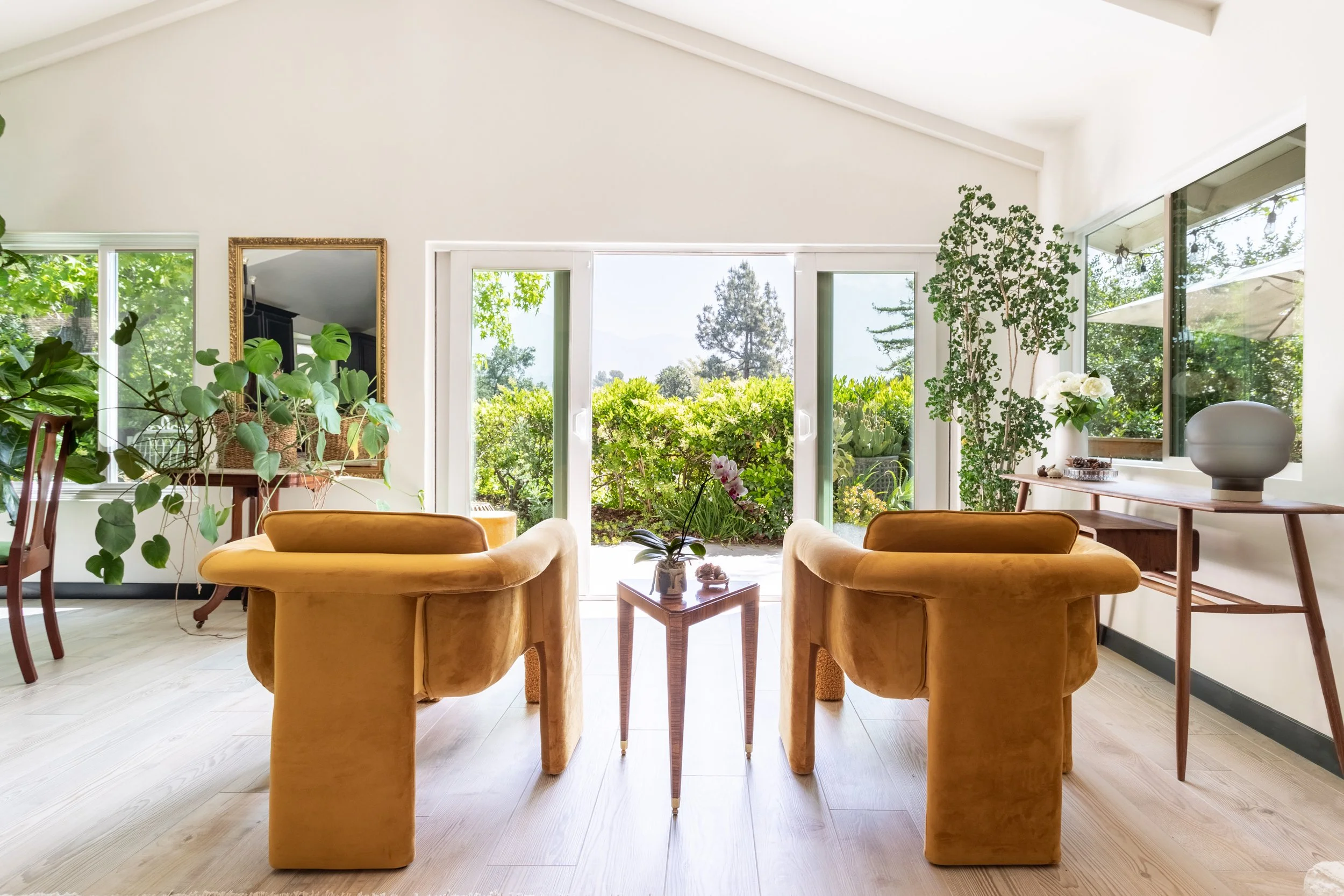
Even in a built environment, there is a place for nature, especially in creating spaces that support health, wellness, and mood. As we look to our homes for shelter and sanctuary, nature-driven design, such as rewilding, is becoming more important.
Rewilding is the practice of minimizing human intervention to let nature lead the way, both aesthetically and experientially, respecting and observing natural life cycles and systems. In practical terms, this might mean restoring native flora and fauna around our homes. This invites the local ecosystem to flourish, while providing us with a deeper, more authentic connection to nature.
Rewilding, as a design strategy, can also be done indoors, creating a warm and supportive space where we are consciously connected with nature. The benefit and beauty of rewilding, indoors and out, is how it subtly, but significantly, re-focuses our connection with nature.

Color Choices for Rewilding
Earth-inspired color choices are impactful as design tools in the context of rewilding, particularly greens and browns, given their place in nature and the psychological and emotional meanings they represent.
“Color can be a very powerful tool in interior design. It’s visually transformative and has a strong psychological influence. When used strategically, it can be useful in establishing an emotional connection to a home,” says Sarah Barnard, WELL and LEED-accredited interior designer. Barnard specializes in creating home designs that support mental and physical wellness. Integrating nature and connecting with the local environment are key to her design philosophy and wellness objectives.
“When using a nature-inspired color palette, especially earthy greens and browns, the effects can be calming and restorative," she says.

Research shows that often, people find green calming and nurturing. Exposure to green has been said to lower blood pressure, and some scientists say that our feel-good connection is hardwired into our brains from our hunter-gatherer days, in that green in nature equals opportunity for rest, shelter, and nourishment. Some say that green helps create focus and clarity, representing life, balance, and harmony.
Meanwhile, browns are inherently earthy and grounding. Brown is associated with strength, self-care, and warmth. In Feng Shui, brown represents the earth element and is used for stability in interior design.

Nature-Inspired Color Trends
Every year, major paint brands choose a color of the year. They devote a lot of time and research to color choices, and often, the choices reflect what consumers want and need in their lives at a given point in time, rather than being predictive.
What do the color choices this year tell us about what we want from our homes? Many of the paint picks this year are grounding, represent a back-to-basics simplicity, and encourage pause to enjoy small, but significant moments.
There are a number of greens and browns on offer this year, but two of the most effective at eliciting calm, and are useful tools for rewilding, are Dunn-Edward’s Midnight Garden and Benjamin Moore’s Silhouette.

Midnight Garden by Dunn-Edwards
Green is popular this year, but Midnight Garden is particularly well-suited for rewilding. That's because this green is grounding, literally. It’s a mossy green, inspired by moss, clover, lichen, and other ground cover. It’s a deep green, with blue undertones.
Dunn-Edwards says the color is inspired by the simple elegance of nature and is borne of a growing consumer desire for restorative spaces at home. They suggest that green, and this shade in particular, is an effective way to connect with nature through conscious design.
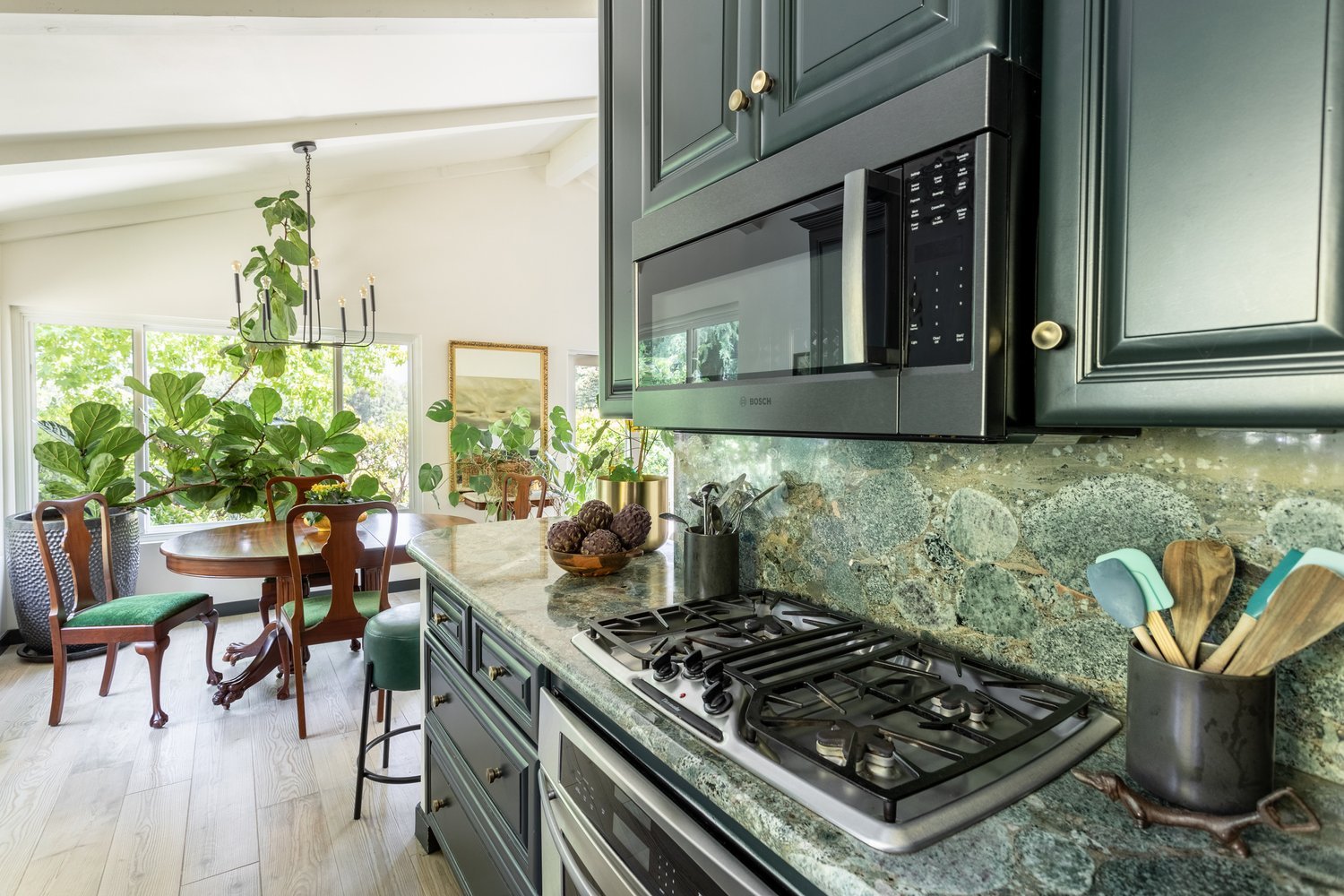
This color closely replicates plant matter, making the rewilding experience immersive. It’s a darker, more saturated hue that gives off forest vibes and can replicate some of the calm associated with forest bathing. Beyond natural ground cover, think of mature tree canopies, dense foliage, and twilight, all opportunities for stillness and reflection. Its plant-like coloring draws focus to regeneration, photosynthesis, and renewal.
In addition to its calming qualities, Dunn-Edwards promotes this color’s versatility as an accent or a main color.
“Midnight Garden is the green that works everywhere, from cabinetry and walls to accents and exteriors,” said Lauren Hoferkamp, color marketing manager at Dunn-Edwards, in a press release. “Its versatility makes it equally at home on interiors and exteriors, pairing effortlessly with natural textures, warm neutrals, or sleek minimalism.”
Benjamin Moore’s Silhouette
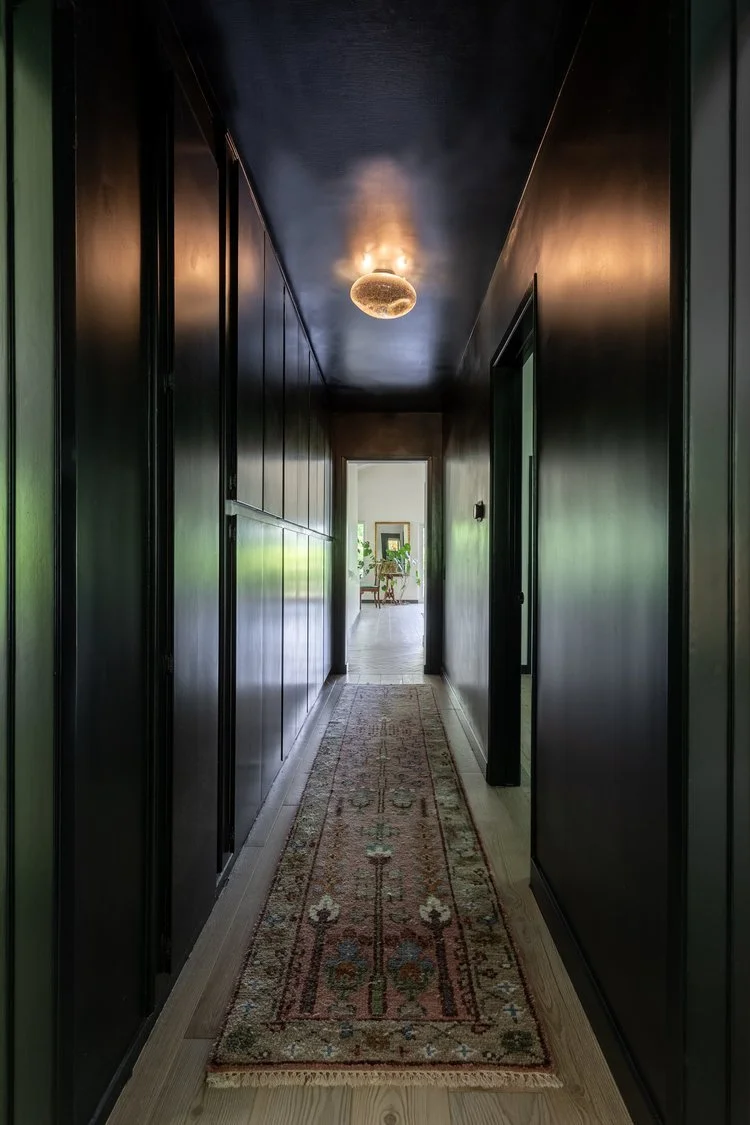
Silhouette is a rich, earthy brown, with hints of charcoal. It leans heavily into timeless design, and like Midnight Garden, it is grounding.
The color is inspired by the luxury of finding joy in simple things, which we only experience when we pause and take the time to notice.

Silhouette offers “a luxurious blend of burnt umber and delicate charcoal undertones,” said Andrea Magno, director of color marketing & design at Benjamin Moore, in a press release. “This hue has the versatility and softness to bring a space from expected to exceptional.”
It’s deep and dark, reminiscent of many of the materials we find in nature: the earth, weathered tree bark, clay, unfinished wood, and soil on the forest floor. It lends a sense of cozy connectedness, much like we experience when immersed in nature. Silhouette lends itself well to rewilding because it serves as a quiet backdrop, letting other colors and natural materials be impactful.

Using Earth-Inspired Colors at Home
“These earthy paint colors work well in spaces throughout the whole home, and can be applied with intention,” says Barnard. “Think about how rooms are used, and how applying various hues can foster a connection with nature and generate calm.”
Here are some suggestions:
For example, in a high-traffic, task-oriented space such as the kitchen, Midnight Garden can be energizing and uplifting, while earthy browns, such as Silhouette, can offer grounding.
Both are good choices for biophilic decor in bedrooms to create a serene environment geared for sleep.
Nature-inspired browns can help create a sense of cozy enclosure, a good choice for a snug reading nook or library.
In spaces where gathering is the goal, such as dining rooms and living rooms, mossy greens can encourage us to pause and absorb the joy of the moment, while rich browns can prompt us to slow down and relax.

Sources
https://www.verywellmind.com/color-psychology-green-2795817
https://www.verywellmind.com/the-color-psychology-of-brown-2795816
https://www.dunnedwards.com/colors/browser/de5657/
https://www.dunnedwards.com/press-releases/dunn-edwards-announces-midnight-garden-as-2026-color-of-the-year/
https://www.benjaminmoore.com/en-ca/press/benjamin-moore-announces-colour-of-the-year-2026
https://www.elledecor.com/design-decorate/color/a69034685/benjamin-moore-color-of-the-year-2026
Sarah Barnard, WELL AP + LEED AP, is a leading interior designer of personalized, sustainable spaces that support mental, physical, and emotional wellbeing. She creates highly personalized, restorative spaces that are deeply connected to art and the preservation of the environment. An advocate for consciousness, inclusivity, and compassion in the creative process, Sarah has appeared in Architectural Digest, Elle Décor, Vogue, HGTV, and many other publications. Sarah was honored as a “Ones to Watch” Scholar by the American Society of Interior Designers (ASID).