
The Verdant Center: Cultivating Restorative Balance

The concept of the home has evolved into something far more profound than a collection of curated objects. It has become a site of resonance, a space where the physical environment and the internal emotional state seek a point of equilibrium. At the center of this dialogue is the Sanskrit principle of Anahata, the heart chakra. Translating literally as unstruck, Anahata represents a state of pure resonance, a frequency that remains undisturbed by external friction. As the fourth energy center, it serves as the essential bridge between the grounding, physical needs of the lower body and the higher intellectual and spiritual aspirations of the upper mind. In the context of interior design, creating an Anahata atmosphere means cultivating a sanctuary of balance, where the visual and tactile elements support a sense of emotional wholeness and psychological safety.
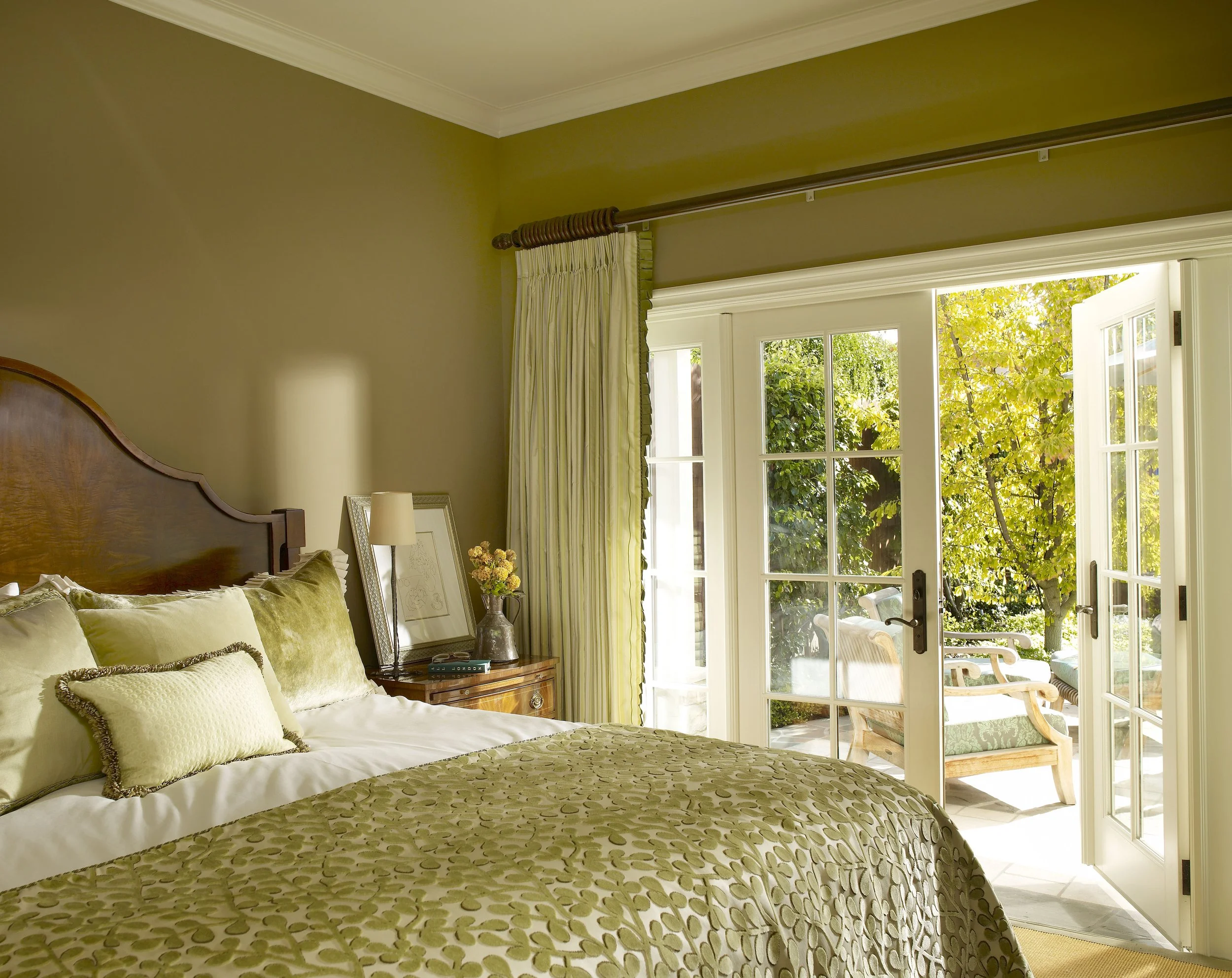
The primary hue associated with this energy center is green, a choice that mirrors the visible light spectrum. Positioned at the exact center of the spectrum, green provides a natural point of equilibrium, offering the human eye a state of visual rest that neither requires the energy of warmer tones nor the recession of cooler ones. By anchoring a room in the green heart, design may help support a profound sense of steadiness, making the environment an active participant in the restoration of the inhabitant. When a space is tuned to this specific frequency, it encourages a deeper connection to the self and the natural world, fostering a restorative experience that reaches beyond simple aesthetics.
Interior designer Sarah Barnard, LEED + WELL A.P., said, "Designing from a place of equilibrium allows for the home to act as a restorative anchor, where every material and color choice serves the long-term emotional well-being of the inhabitants."
The Science of the Middle Ground
The preference for verdant environments is not merely an aesthetic inclination but is rooted in the biological reality of the human nervous system. The biophilia hypothesis suggests that people possess an innate tendency to seek connections with nature, a trait developed through evolutionary history where green environments signified survival and abundance. Modern neurobiological research has begun to quantify this connection, demonstrating that exposure to nature-inspired design may significantly reduce concentrations of oxy-Hb in the prefrontal cortex. This reduction reflects relief from the cognitive and emotional overload typical of contemporary life, allowing for enhanced neural stabilization and mental clarity. By decreasing the metabolic load on the brain's executive centers, green-centered spaces provide the cognitive quiet necessary for reflection and emotional regulation.
Environmental psychology further supports this through Stress Recovery Theory, which suggests that natural environments facilitate the recovery of psychological resources. Studies examining restorative outcomes have found that biophilic design elements, such as unobstructed nature views and the presence of indoor greenery, are associated with significant positive impacts on mental clarity and physical relaxation. These elements function as micro-restorative breaks, allowing the mind to disengage from task-oriented focus and enter a state of effortless attention. Even when a direct view of the outdoors is not accessible, the strategic use of green décor and art has been shown to produce measurable restorative benefits. Specifically, green-themed interiors have been linked to a positive influence on the ability of inhabitants to clear the mind of stressful thoughts, fostering higher levels of restoration than other color themes. The psychological impact is immediate, as the nervous system recognizes the spectral cues of safety and vitality inherent in the color green.
The Legacy of the Pigment
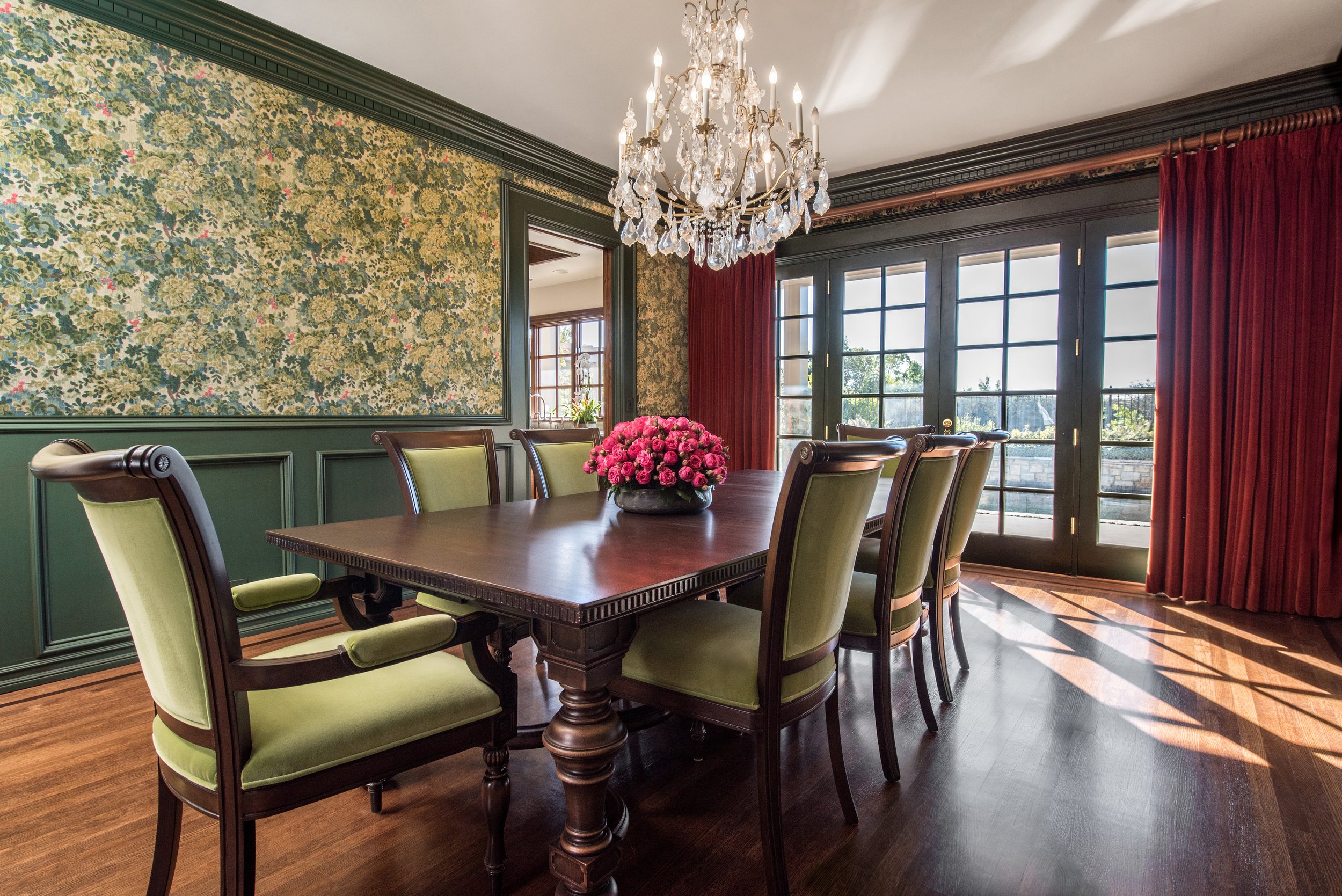
The history of green in the interior is a story of pursuit and permanence. While the color is abundant in the natural world, it was historically one of the most difficult hues for artists and pigment makers to stabilize. In antiquity, vibrant greens were often derived from malachite, a semi-precious gemstone that provided a rich, royal depth but was notoriously difficult to layer. During the Renaissance, artists relied on verdigris, a copper-based pigment known for its transparent, jewel-like brilliance. Verdigris was often reactive and unpredictable, having a tendency to darken to an olive-brown over centuries, turning once-vibrant landscapes into moody, earthen studies. This ephemerality created a longing for a green that could capture the eternal vitality of the forest without succumbing to the decay of time.
The cultural evolution of the color has seen it move from a symbol of rebirth and immortality in ancient Egypt to a modern emblem of environmental stewardship and longevity. One significant milestone in this history was the development of Hooker’s Green, created by botanical illustrator William Hooker. By mixing Prussian blue with gamboge, a yellow resin from Asian evergreen trees, Hooker achieved a lightfast, cool green that could accurately capture the waxy needles of a pine or the soft silver of sage. This transition from the fugitive, fleeting greens of the past to the permanent tones used today has allowed designers to anchor rooms in colors that endure. This sense of permanence is vital for creating a home that feels like a lasting legacy, where the environment remains an enduring foundation for a family’s growth. The color green thus represents a bridge across time, connecting ancient spiritual associations with the modern requirement for sustainable, long-lasting beauty.

Tactile Vitality and Botanical Materiality
A restorative interior design must move beyond the purely visual, engaging the senses through a philosophy of haptic design. Luxury, in this context, is defined by how a room feels under the hand and by how the materials support the occupant's emotional state. This shift toward sensory-first environments acknowledges that luxury and well-being are experienced through all five senses. Texture becomes a defining design language, moving away from sterile surfaces toward matte and honed finishes, textured stone, and hand-woven textiles. Natural fibers play a critical role in this sensory engagement, offering a tactile richness that synthetic materials cannot replicate. These organic surfaces invite touch, grounding the inhabitant in the present moment and reinforcing the home’s role as a protective sanctuary.
Using high-end materials like 100% Belgian linen connects to the raw beauty of nature. This mid-weight fabric is highly versatile, offering a lovely handle that drapes beautifully for upholstery or drapery. Textiles in deep botanical tones, such as the mossy, grey-green of rosemary or the dusty, bluish-green of thyme, add a layer of organic texture to the space. These colors, drawn from the medicinal and culinary herbs of the Mediterranean, evoke a sense of heritage and nourishment. When paired with interior jewelry in the form of malachite slabs or semi-precious stone accents, the room gains a symbolic depth. Malachite, historically known as a stone of transformation, brings a vibrant energy that encourages emotional renewal and prosperity. The interplay between the soft, yielding texture of linen and the cool, unyielding weight of stone creates a multisensory dialogue that reflects the complexity of the natural world.

Designing with Compassion and Intention
Designing for the green heart requires a commitment to inclusive design strategies that prioritize the specific, nuanced needs of every inhabitant. For neurodivergent individuals or those with sensory sensitivities, the home must function as a sensory retreat. This involves creating varied paths of movement and balancing open, light-filled spaces with smaller, comforting nooks that feel like a protective envelope. These inclusive spaces are designed not for a generic user but for the specific biological needs of a human being, fostering a sense of psychological safety. The goal is to reduce sudden sensory arousal while providing an environment that is actively healing and restorative, allowing the inhabitant to navigate their world with autonomy and grace.
The integration of restorative infrastructure allows the home to mimic natural systems, supporting the body's internal rhythms. Circadian rhythm lighting, which shifts in temperature to mirror the natural progression of the sun, is essential for regulating sleep cycles and mood. Similarly, the implementation of quiet tech ensures that the home remains a mindful sanctuary. By hiding technology within the architecture, through invisible audio systems or seamless automation, the heartbeat of the home is maintained without disrupting the aesthetic harmony or creating sensory clutter. This approach allows the architecture to shine while technology operates effortlessly in the background to enhance the restorative experience. Every technical integration is chosen for its ability to simplify life, reducing the friction between the inhabitant and their environment.

The Reunion of Nature and Interior Space
The reunion of the natural world with the human-made interior marks a shift toward a more compassionate, human-centric maturity in design. When a home is designed from the heart, it becomes a narrative of renewal, where every material choice and layout decision supports the well-being of the inhabitants. The Anahata atmosphere is an invitation to let nature inside, not merely as a decorative accent, but as a biological necessity. This reunion acknowledges that our place-based relationships with the land do not end at the threshold of the home. Instead, the interior serves as an extension of the garden, a space where the biological needs of the human body are met with the same care as the mind’s aesthetic desires.
In the quiet resonance of a green room, the mind finds space to settle, and the body finds the support it needs to thrive. By aligning ancient principles of harmony with modern, evidence-based wellness standards, designers create environments that do more than just look beautiful; they nurture both body and soul. The verdant center supports a home that remains a protective, restorative sanctuary, where every inhabitant is allowed to be truly whole. The legacy of the green heart is one of steadiness and growth, offering a timeless foundation for a life lived in balance.
Sarah Barnard is a WELL- and LEED-accredited interior designer and creator of environments that support mental, physical, and emotional well-being. She creates highly personalized, restorative spaces that are deeply connected to art and to environmental preservation. A certified California Naturalist, Sarah believes in celebrating nature through responsible design that works symbiotically with the local environment.
Bibliography
Astell-Burt, Thomas, and Xiaoqi Feng. "Visible Green Nature and Restoration Outcomes." National Center for Biotechnology Information (NCBI). pmc.ncbi.nlm.nih.gov/articles/PMC12340148/
Fang, Karen. "Hooker’s Green: The History of Immortality." The Engines of Our Ingenuity, University of Houston. engines.egr.uh.edu/episode/3241
National Gallery London. "A History of the Colour Green in Art." National Gallery. www.nationalgallery.org.uk/podcast/colour-stories-green
Sugarman, Anna. "Heart Chakra: Love, Compassion and Generosity." Yoga Jala. yogajala.com/heart-chakra/
Taylor & Francis Online. "Systematic Review of Biophilic Design in Workplaces." Journal of Architectural Engineering. tandfonline.com/doi/full/10.1080/17508975.2024.2306273
Ulrich, Roger S. "Stress Recovery Theory and the Natural Environment." Journal of Environmental Psychology. pmc.ncbi.nlm.nih.gov/articles/PMC11878902/
Wilson, Edward O. Biophilia. Harvard University Press, 1984.
World Journal of Pharmaceutical and Medical Research. "Literature on Anahata Chakra." Vol. 5, Issue 2, 2019. www.wjpmr.com/download/article/43012019/1548850018.pdf
Yin, J., et al. "Biophilic Spatial Design and Neuropsychological Restoration." MDPI: International Journal of Environmental Research and Public Health. www.mdpi.com/1660-4601/22/10/1571
Zhong, S., et al. "Biophilic Design Elements and Physiological Stress." Frontiers in Virtual Reality. frontiersin.org/journals/virtual-reality/articles/10.3389/frvir.2025.1411425/full